

Many homeowners dream of creating the perfect outdoor space for their families. When planning this addition, one big question comes up: Should you build a deck or a patio?
Both options can change your backyard into a beautiful place for barbecues, family gatherings, and quiet evenings under the stars.
Now, you’ll learn what makes each one unique, understand their strengths and weaknesses, and get practical advice to help you make the right choice for your home.
While both decks and patios create wonderful outdoor living areas, they’re suited for different needs, budgets, and backyard conditions. Let’s examine which option will work best for you.
What Is a Deck?
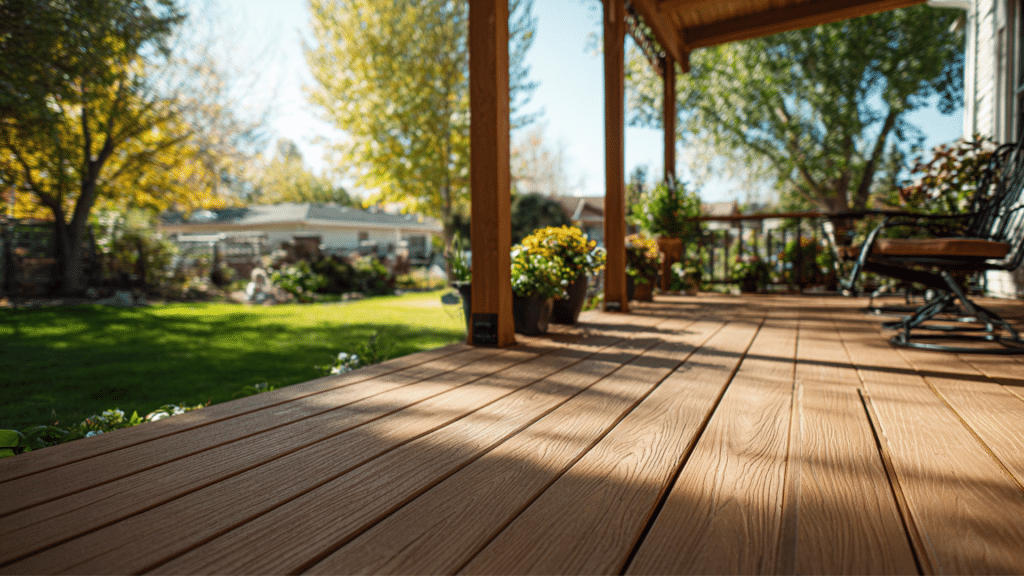
A deck is an outdoor structure that’s raised off the ground and built from boards. Decks are supported by strong structural elements, such as posts that go into the ground, beams that run horizontally, and joists that support the walking surface.
Most decks are made from either traditional wood or modern composite materials. Wood decks often use pressure-treated lumber, which resists rot and insects.
Composite decking combines wood fibers with plastic to create boards that look like natural wood but need less care.
Decks work especially well on yards with slopes, hills, or uneven terrain. They can create a flat, level surface even when the ground underneath isn’t flat.
Raised decks also showcase beautiful views. Wood decks need regular cleaning, sealing, and staining, while composite decks require much less ongoing maintenance.
What Is a Patio?
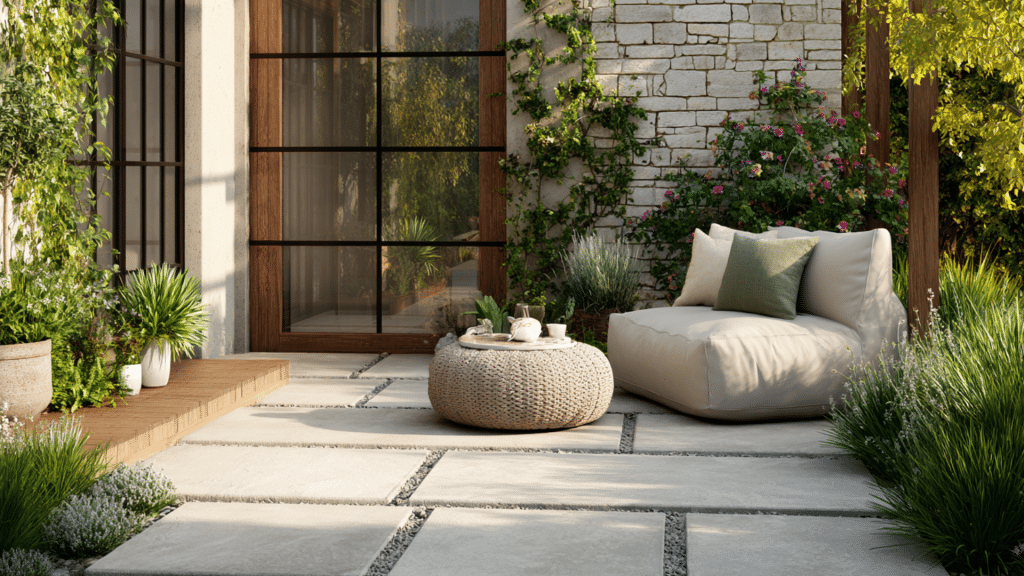
A patio is a paved outdoor area that sits directly on the ground. Unlike decks that rise above the earth, patios are built at ground level, creating a smooth, hard surface for outdoor furniture and activities.
Patios use hardscaping materials instead of wood or composite boards. Common choices include concrete, natural stone such as flagstone or slate, concrete pavers, and brick.
Each material brings its own unique look to your outdoor space. The best backyards for patios have flat, level ground. If your yard slopes significantly, you’ll need to level it first, which will add to the cost.
For flat yards, patios offer easy installation and simple access with no steps, making them great for young children or elderly family members. They generally cost less to install than decks and require minimal maintenance.
Key Differences Between Deck and Patio
Understanding the deck vs patio differences helps you make a smart choice for your home. Let’s break down the major factors that set these two options apart.
1. Structure and Construction
A deck is a raised platform built on posts, beams, joists, and footings, working well on uneven terrain and slopes.
A patio is a ground-level paved surface sitting directly on the earth, with a prepared gravel and sand base, best for flat ground, and that integrates naturally into your landscape.
2. Materials Used
Decks use wood like pressure-treated lumber, cedar, redwood, or composite boards, blending wood fibers with plastic to resist fading and moisture.
Patios use hardscaping materials like concrete, natural stone, pavers, and brick, offering varied textures, colors, and patterns that blend with landscaping.
3. Installation Process
Deck installation requires complex structural framing with footings, posts, beams, joists, and railings, and requires professional expertise for safety.
Patio installation is simpler, with excavation, gravel base, sand leveling, and surface laying. Many homeowners DIY patios, though professionals ensure proper drainage.
4. Cost Comparison
Decks cost $15-$45+ per square foot ($15-$25 for wood, $25-$45+ for composite).
Patios cost $5-$25 per square foot ($5-$10 for concrete, $10-$25 for pavers/stone), typically 30-50% less expensive than comparable decks.
5. Maintenance Requirements
Wood decks need annual cleaning, staining, and sealing. Composite decks require only occasional soap-and-water cleaning.
Patios need regular sweeping and power washing, with sealed surfaces requiring resealing every few years.
6. Durability and Longevity
Wood decks may warp, fade, or mold, lasting 10-15 years. Composite decks resist moisture, fading, and insects, lasting 25-30+ years.
Patios can crack from settlement and freeze-thaw, but last 25- 30+ years when properly installed. Stone and concrete resist rot and insects.
7. Resale Value and ROI
Decks offer 60-80% ROI, extending living space and creating elevated outdoor rooms that boost home appeal.
Patios provide 30-50% ROI, adding functional outdoor space that appeals to buyers seeking low-maintenance areas with natural landscape integration.
Suggestion: Choose a deck for uneven terrain and elevated views, but expect higher costs. Opt for a patio on flat ground when budget and low maintenance matter most. Consider combining both to maximize your outdoor living potential.
Deck: What to Know
Decks offer elevated outdoor spaces with unique advantages, but they come with higher costs and maintenance needs. Here’s what you should consider before building a deck.
Deck Pros
- Uneven Terrain: Excel on uneven terrain, eliminating the need for costly grading.
- Raised Views: Provide elevated views over fences and landscaping.
- Low Maintenance: Modern composite options resist fading, staining, and mold while requiring minimal maintenance.
Deck Cons
- Higher Costs: Cost more due to complex construction, which involves posts, beams, and railings.
- Regular Upkeep: Wood decks demand regular cleaning, sanding, sealing, and staining to prevent rot and fading.
- Upfront Investment: Even low-maintenance composite decks have higher upfront costs.
Patio: Low-Profile Outdoor Living
Patios offer a ground-level alternative that works well for flat yards and budget-conscious homeowners. Let’s look at what makes patios appealing and where they might fall short.
Patio Pros
- Budget-Friendly: Typically costs 30-50% less than comparable decks.
- Minimal Upkeep: Requires minimal upkeep with just occasional sweeping and power washing.
- Long-Lasting: Durable materials like concrete, stone, and pavers resist weather, insects, and rot, lasting 25+ years.
Patio Cons
- Flat Ground Needed: Requires level ground; sloped yards need expensive excavation.
- Limited Design: Design options are limited without elevation changes or built-in features.
- Potential Cracking: Ground settlement and freeze-thaw cycles can cause cracking.
Aesthetic Appeal
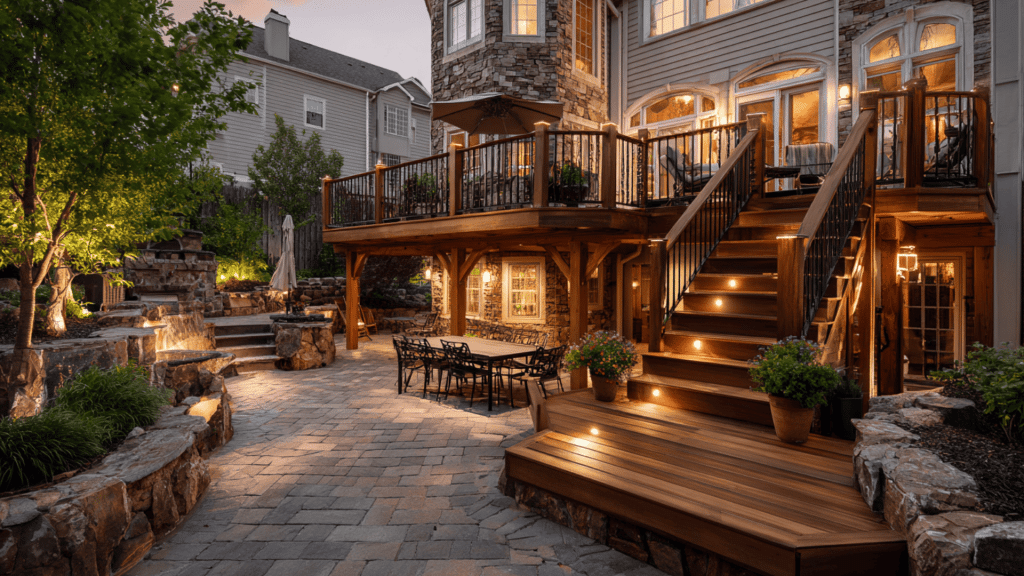
The visual impact of your outdoor space matters as much as practical features. Decks offer warmth and elevation, creating a distinct outdoor room that extends your indoor living space.
Natural wood tones or varied composite colors add visual interest. Patios provide grounded, natural appeal that blends seamlessly with landscaping.
Design flexibility varies between options. Decks can include decorative railings, multiple levels, built-in benches, and integrated lighting.
Patios integrate landscaping easily with surrounding gardens, retaining walls, and water features. Customization options abound.
Composite decking comes in dozens of colors and textures. Patios offer many paver patterns, such as herringbone and basketweave. Stamped concrete mimics stone or tile at a lower cost.
When to Choose a Deck
A deck is ideal for sloped or uneven terrain, creating level surfaces without the expense of grading. Choose a deck if you want elevated views over fences and landscaping, or if you need multi-level outdoor spaces with distinct zones.
Decks offer a higher return on investment, typically recouping 60-80% of costs at resale. They work well if you’re comfortable with maintenance or willing to invest in low-maintenance composite materials.
Decks provide an elevated outdoor room that extends your living space, are great for intimate gatherings, showcase scenic views, and add significant value to your property.
When to Choose a Patio
A patio is ideal for flat, level ground and cost-conscious homeowners, costing 30-50% less than comparable decks.
Choose a patio if you prefer minimal maintenance, requiring only occasional sweeping and power washing. They’re excellent for ground-level spaces that blend naturally with landscaping and gardens.
Patios suit families with young children or elderly members needing easy, step-free access. If you’re planning large gatherings and need spacious entertainment areas, patios provide ample room.
Their durability and low upkeep make them practical long-term investments that improve outdoor living without ongoing maintenance demands.
Practical Tips Before You Build
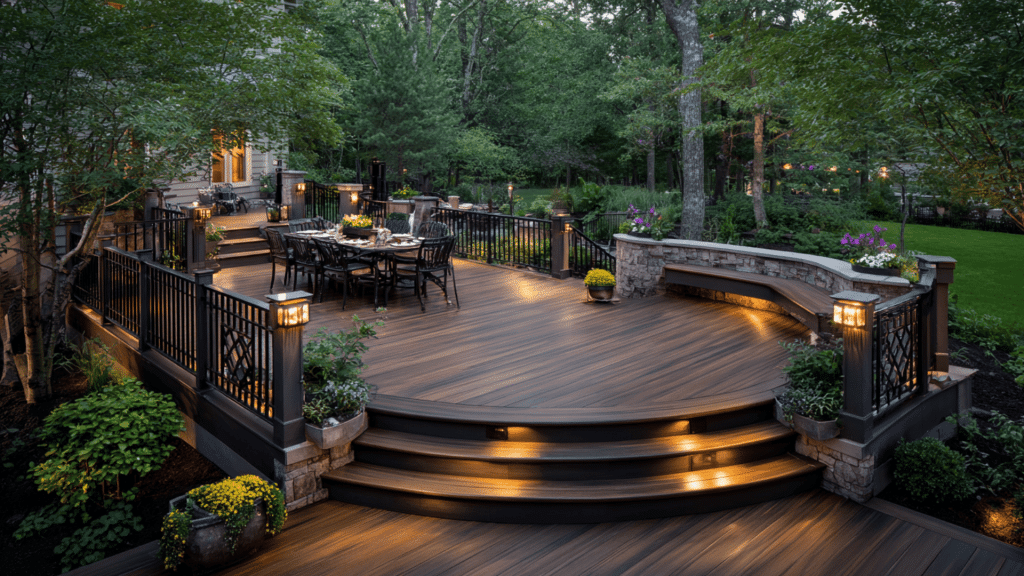
Before breaking ground on your deck or patio project, take time to plan properly. These practical steps ensure successful results:
-
Check permits and codes: Most communities require building permits for decks. Visit your municipal building department and check homeowner’s association rules before starting.
-
Plan drainage carefully: Slope your outdoor space away from your house (one inch per eight feet) to prevent water damage and foundation issues.
-
Choose weather-appropriate materials: Select frost-resistant pavers for cold climates, fade-resistant materials for sunny regions, and salt-resistant options for coastal areas.
-
Prepare a proper base: Use gravel and sand layers for patios to prevent settling. Ensure deck structural support allows proper water flow.
-
Set maintenance expectations: Wood decks need yearly cleaning, sealing, and staining. Composite decks and patios require only minimal upkeep and occasional cleaning.
-
Prioritize safety features: Install proper lighting, choose slip-resistant surfaces, and inspect railings and structural elements annually for stability.
Taking these steps before you start building will save you time, money, and headaches down the road. Proper planning now means years of enjoyment later.
Final Thoughts
The deck vs patio decision ultimately depends on your unique situation and property characteristics.
Decks excel on uneven terrain, offer elevated views, and create distinct outdoor rooms, but cost more and require regular maintenance, especially with wood options.
Patios work beautifully in flat yards, are less expensive, and require minimal upkeep while blending naturally with landscaping.
Both options add beauty and function to your home, extending your living space outdoors and creating room for family memories.
You’re investing in your home and quality of life when you choose an elevated deck or a ground-level patio.
Assess your space honestly, consider your budget and maintenance preferences, and think about how you’ll actually use your outdoor area to make the best choice for your family.