

Light flicker can be annoying, but it’s also a clue that something isn’t quite right. LED lights are common in homes because they save power and last longer, yet they can sometimes blink or dim without warning.
This happens for several reasons, from a loose bulb or weak connection to voltage shifts or poor-quality parts. Ignoring the problem can lead to bigger electrical faults and safety risks.
Knowing what causes flickering helps you act early, keeping your lights steady and your home safe.
Let’s look at the most common causes of LED light flickering and how to stop it.
What Are LED Lights?
Light-emitting diode bulbs use a small chip that converts electricity into light, rather than heating a filament like older bulbs.
Inside each bulb, a driver controls how much current reaches the diode, keeping the brightness steady.
These bulbs are popular because they use much less power, stay cool, and last for many years. They also reach full brightness instantly without warming up.
Because they run on electronic components, their performance depends on the stability of the power supply and how well they are installed. A high-quality bulb and proper wiring help keep the light steady and reduce flickering.
Flickering Frequency and Why Fixing It Matters
Flickering lights may seem minor, but frequent blinking signals deeper electrical or product issues that should never be ignored.
- Frequent in Homes: Many people notice light flicker, especially when using modern bulbs sensitive to voltage and wiring conditions.
- Single vs Multiple Fixtures: One fixture flickering often indicates a local fault, while multiple flickering fixtures point to wiring or circuit problems.
- More Noticeable: LED lighting reacts instantly to small power shifts, so flicker appears stronger than with old-style bulbs.
- Comfort Impact: Constant blinking causes eye strain, headaches, and discomfort during reading or computer work.
- Reduced Lifespan: Ongoing flicker stresses the bulb’s driver, cutting efficiency and service life.
- Safety Risk: Loose wires or unstable voltage may lead to overheating or even electrical fires.
- Hidden Costs: Ignoring flicker can raise repair bills and damage sensitive home appliances over time.
Fixing flickering lights early ensures comfort, safety, and energy stability, preventing costly repairs and keeping your home lighting dependable.
Reasons for Multiple Lights Flickering in the House
Understanding what causes your lights to flicker helps you identify the right fix. Let’s examine the most common culprits behind this frustrating electrical issue.
1. Voltage Fluctuations or Shifts in Voltage
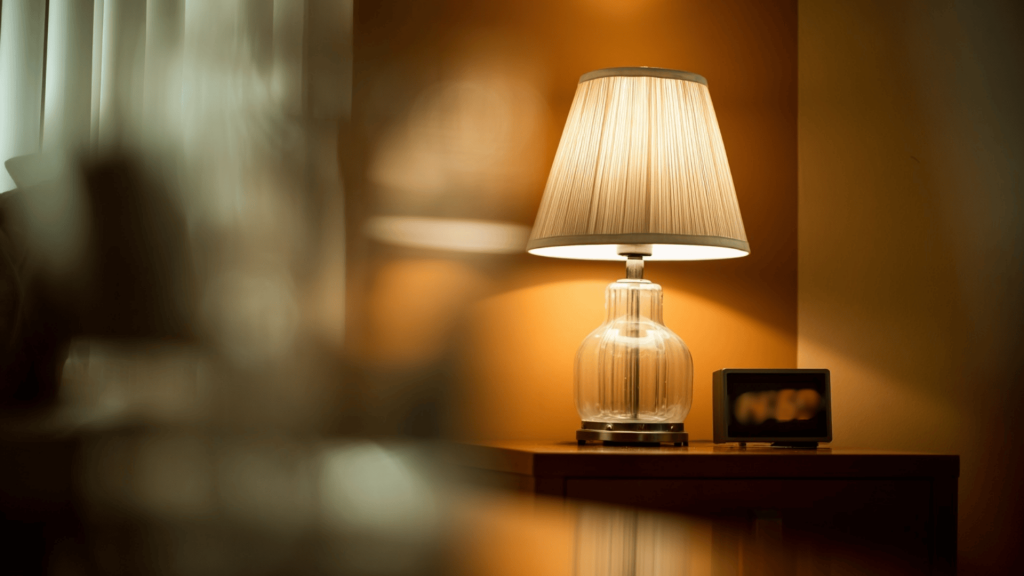
When your home’s electrical supply experiences sudden changes in power levels, lights may dim or brighten rapidly.
This often happens when large appliances start up, pulling significant electricity from the same circuit. The problem typically resolves on its own, but it may signal wiring issues if it occurs frequently.
2. Compatibility Issues or Dimmer Switches
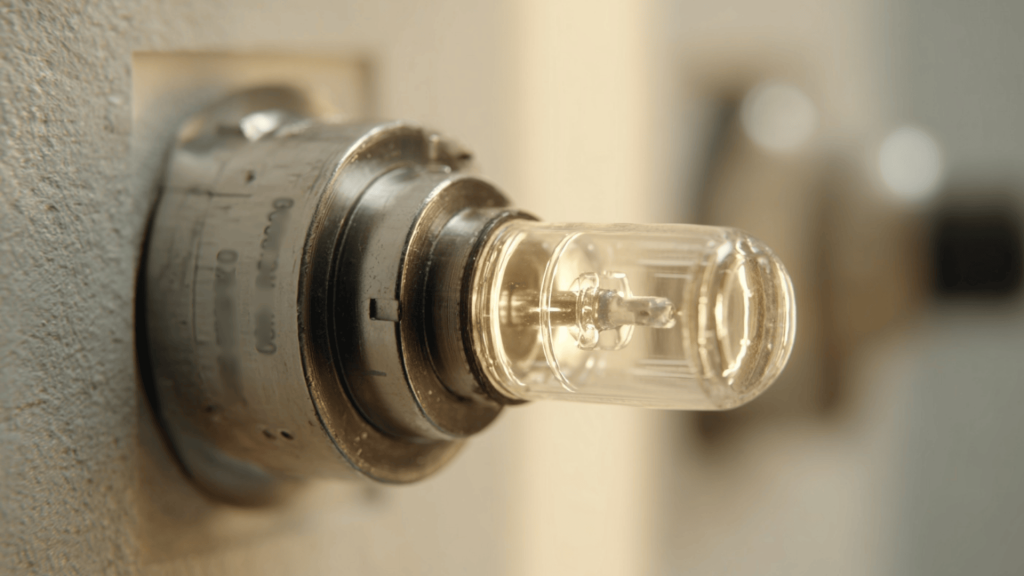
Not all bulbs work well with every fixture or dimming system. LED bulbs especially require specific dimmers designed for their technology.
Using incompatible combinations results in erratic light behavior because the electrical components fail to communicate properly.
3. Overloaded Electrical Circuits
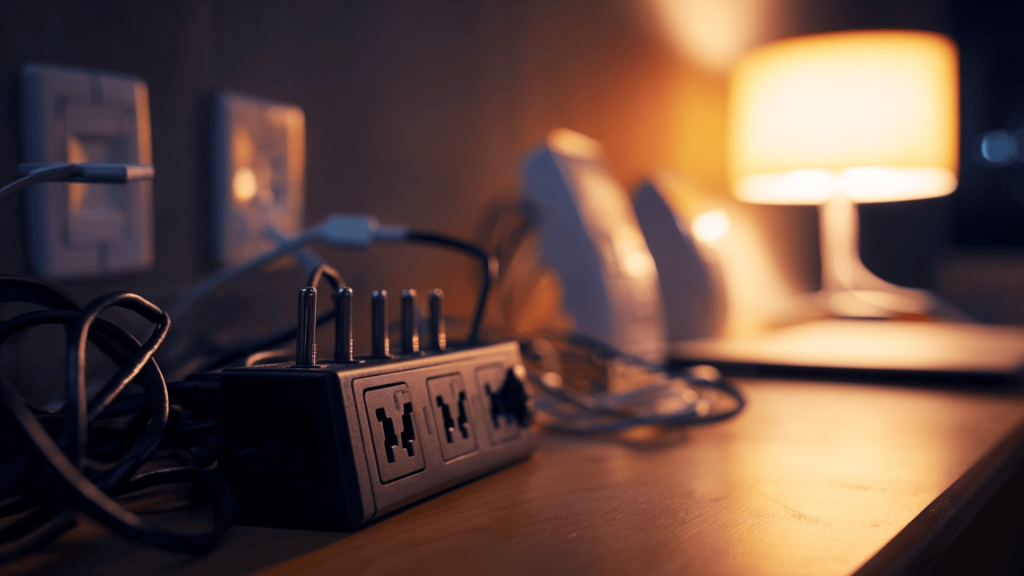
Too many devices drawing power from a single circuit force electricity to compete for resources.
This strain manifests as flickering lights, particularly when multiple appliances run simultaneously. Your electrical system simply can’t handle the combined demand safely.
4. Loose Light Bulb
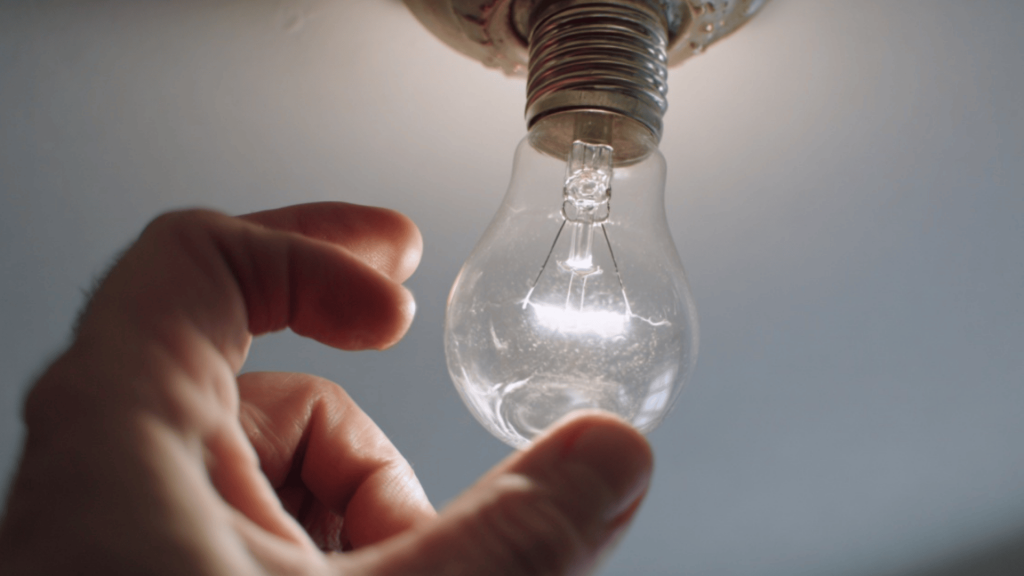
A bulb that isn’t screwed in completely creates an inconsistent connection with the socket’s contacts.
This intermittent contact causes the light to flicker on and off. The fix is simple—turn off the fixture and tighten the bulb securely.
5. Loose Wires or Electrical Connections
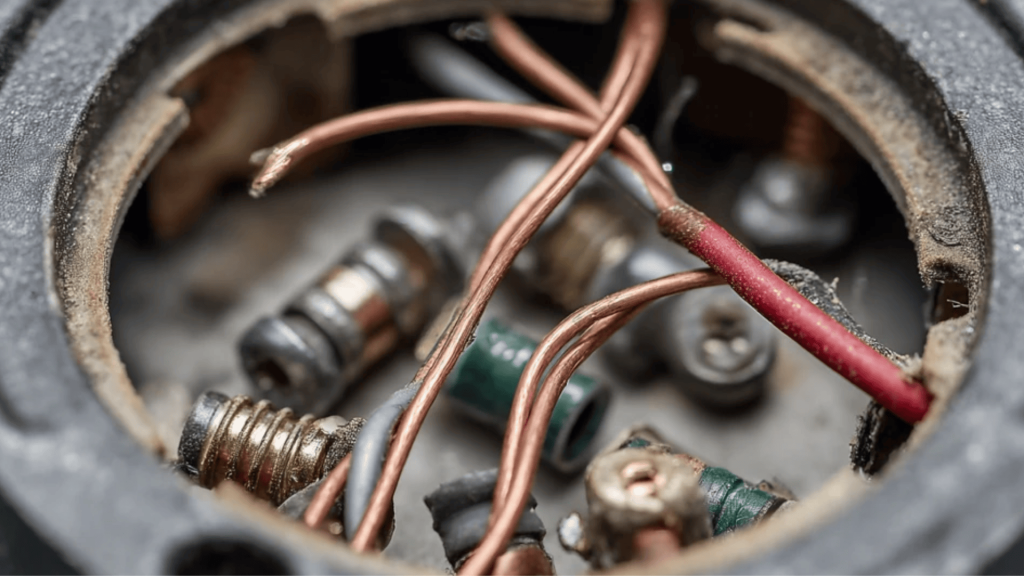
Wiring that has become loose inside terminals or junction boxes disrupts the flow of electricity.. This dangerous situation not only causes flickering but also poses a fire risk.
Professional inspection is necessary to identify and repair faulty connections throughout your electrical system.
6. Poor Quality LED Products or Faulty Drivers
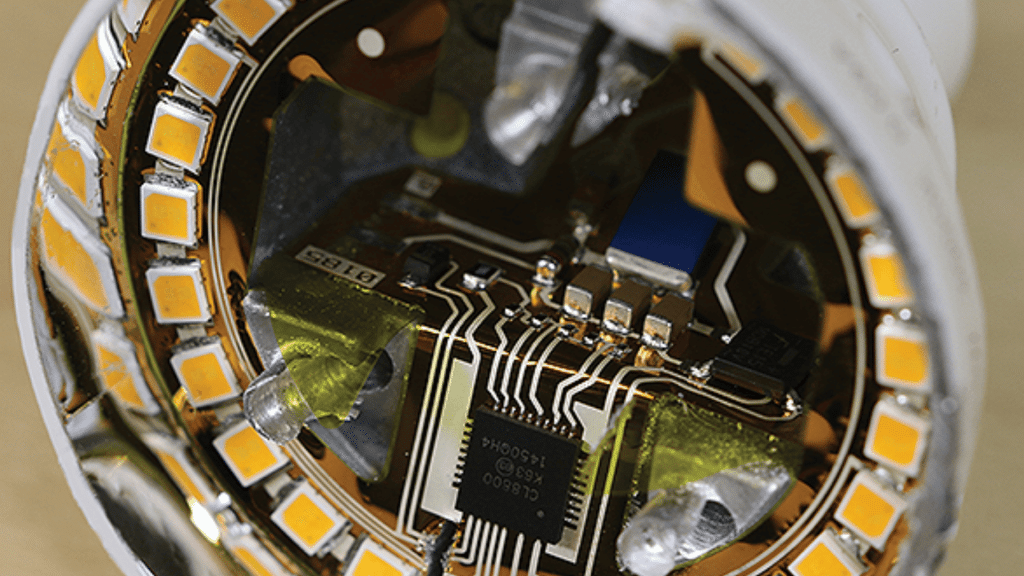
Budget LED bulbs often use inferior internal components that regulate power flow.
When these drivers malfunction or are poorly manufactured from the start, inconsistent light output results. Investing in reputable brands typically eliminates these quality-related issues.
7. Utility Problems or Issues Outside the Home
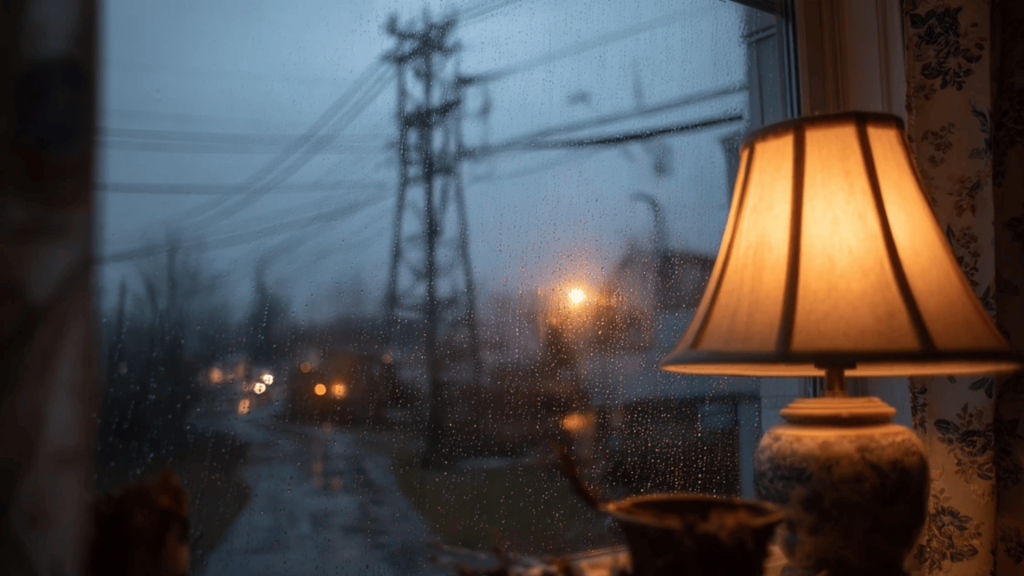
Sometimes the source lies beyond your property line. Damaged transformers, weather-related damage to power lines, or maintenance work by your utility company can all cause voltage irregularities.
Contact your provider if you suspect external electrical problems.
8. Circuit Breaker Problems
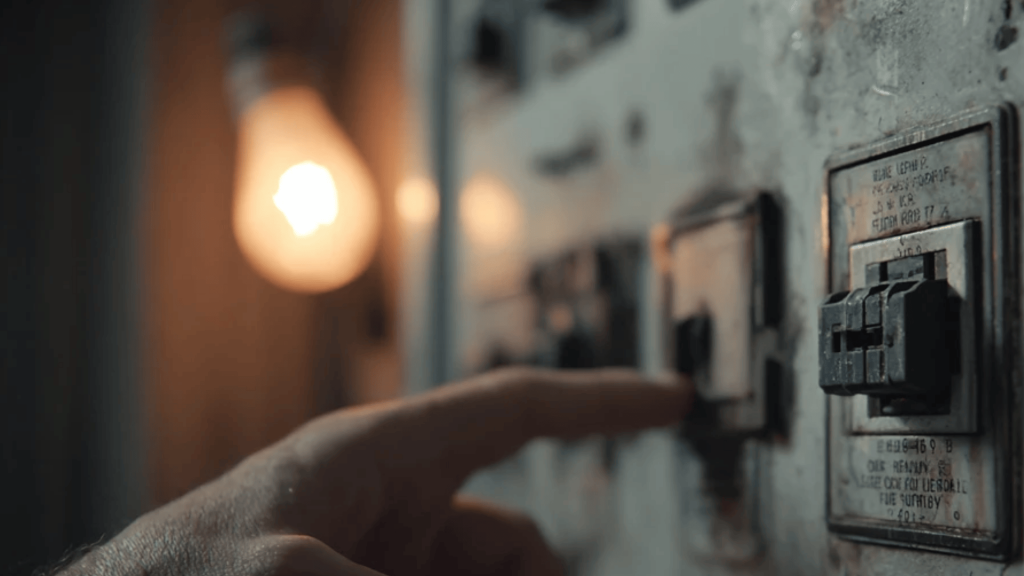
A failing breaker struggles to maintain stable power distribution to connected fixtures. This degradation happens over time as the breaker’s internal mechanisms wear out.
If your breaker feels hot, trips frequently, or causes lights to flicker, it needs to be replaced.
How to Troubleshoot Flickering Lights
Before calling an expert, try simple checks that often solve flickering problems and help spot hidden electrical issues early.
- Check the Bulb: Turn off power, tighten or replace the bulb to ensure solid contact.
- Inspect the Socket: Look for dirt or corrosion that may weaken the bulb’s connection and cause blinking.
- Test Dimmer Switch: Make sure it’s compatible with the bulb type; old dimmers often trigger flicker.
- Observe Flicker Pattern: Note when lights blink, during appliance use, or randomly, to trace the possible source.
- Check Circuit Load: Reduce the load on the same line if flickering occurs when devices start.
- Avoid Risky Fixes: Never open panels or wiring boxes unless you’re trained; call an electrician instead.
These quick checks often reveal the cause of flicker, helping you decide whether simple fixes or expert help are needed.
When to Call a Professional
If lights across several rooms flicker, or you notice heat, buzzing, or a burning smell, it’s time to call an electrician.
These signs can indicate wiring faults, voltage drops, or issues in the service panel that need expert testing.
A licensed professional checks the panel voltage, circuit load, and loose connections to prevent hazards.
Not every LED light flickers; quality, compatibility, and proper setup make a big difference. Cheap bulbs or unstable wiring are often the cause of problems.
Using certified products and maintaining electrical systems ensures steady lighting and prevents costly or dangerous faults in the long run.
Final Thoughts
Lighting should bring comfort, not concern. A stable glow makes every room feel calm and inviting.
When small brightness changes occur, they often hint at a deeper issue in the system that needs attention.
Taking action early keeps your home safe, your eyes relaxed, and your power use efficient. Choose high-quality bulbs, keep fittings clean, and book regular electrical inspections with trusted experts.
A short visit from a qualified professional can protect your property for years. Don’t wait until the problem grows.
Make the choice today to keep your home bright, secure, and ready for peaceful everyday living.
Frequently Asked Questions
Can Flickering Happen Because Of Low Room Temperature?
Yes, very cold air can affect electronic drivers, slowing current flow and causing temporary light instability.
Why Do Newer Homes Still Experience Flicker Problems?
Even modern wiring can have loose terminals or overloaded circuits that create brief lighting disruptions.
Does Using Smart Switches Increase The Chance Of Flickering?
Some smart switches interfere with bulb drivers, especially cheaper models, leading to mild blinking or dimming.
Can Electronics Nearby Affect Lighting Performance?
Strong electromagnetic fields from routers or heavy appliances can slightly disrupt lighting circuits and cause flicker.