Fairytale Garden Guide: Design, Plants, Paths & Lighting
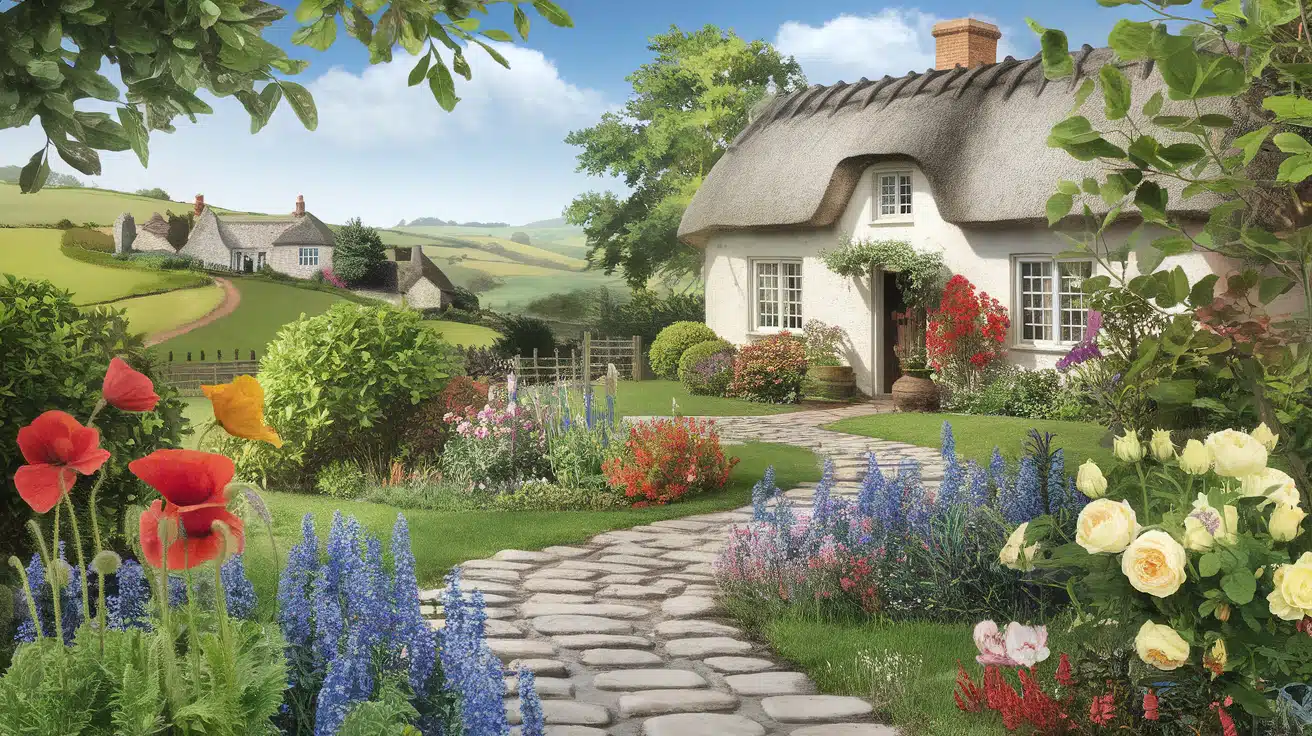
You know that garden corner that makes you slow down and wander like you’re in a children’s book? The one with the curving little path and the “ooh what’s back there?” energy? That’s the whole goal of a fairytale garden: it should feel discovered, not “I measured everything with a spreadsheet and now I’m waiting for my award.” And yes before you ask this works whether you’ve got a tiny container on an apartment patio or an actual backyard that sometimes resembles a wildlife documentary. Let’s build you a storybook spot. First: the one thing you have to do (before you buy anything cute) Go stand where you want your fairytale garden and figure out how much direct sun it
Climbing Plants for Garden Arches: Choose the Best
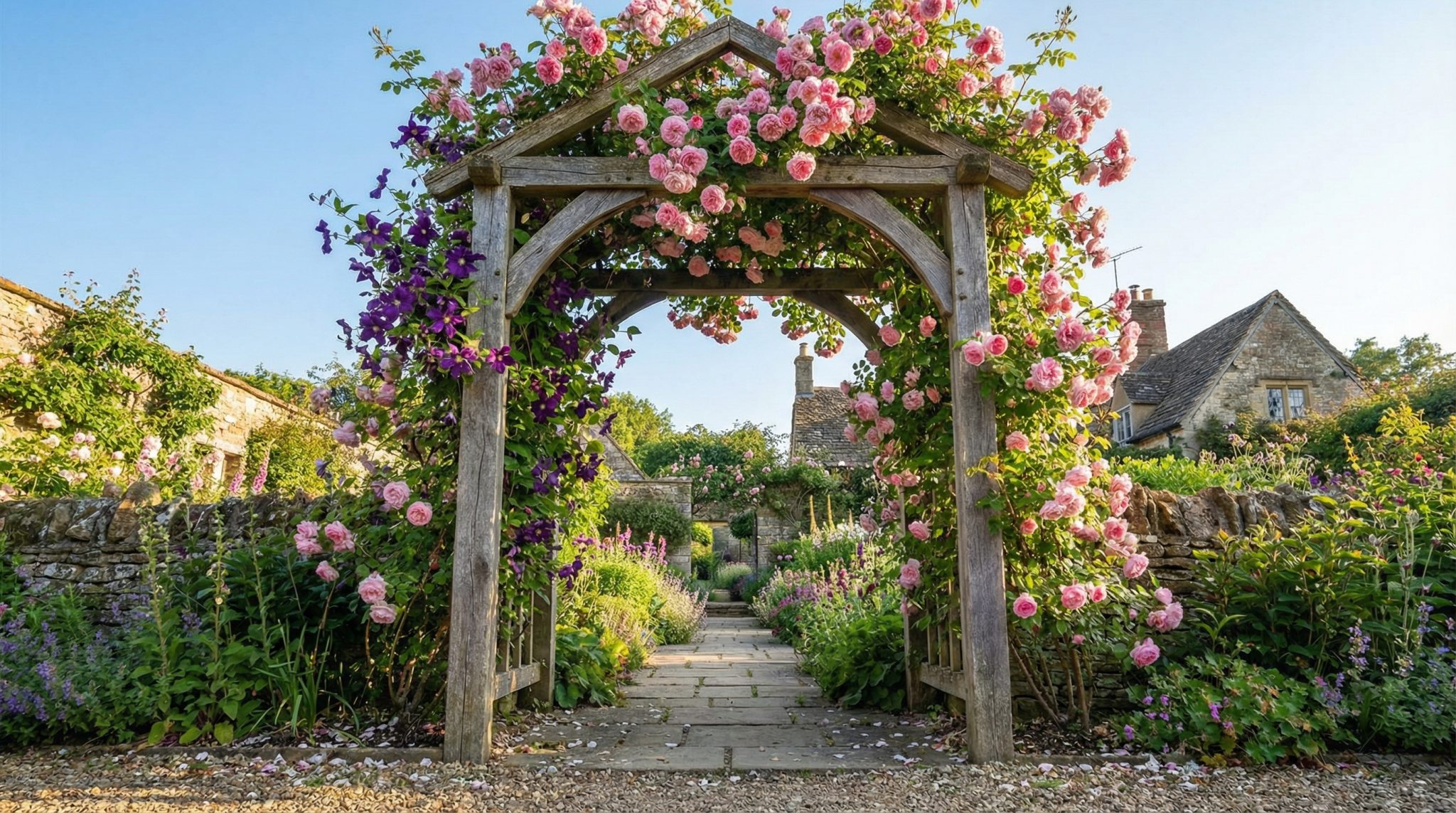
You know that garden arch you bought because it looked so charming online… and now it’s just sitting there in your yard like a sad metal rectangle? Yeah. Same. The good news: one good climbing plant can turn that thing into a full on “walk through here like you’re entering a secret garden” moment. The bad news: the wrong climbing plant can bend your arch into a modern art sculpture, give you eight feet of bare sticks with flowers only at the top, or straight up eat your fence. (Ask me how I know. I have made mistakes so you don’t have to.) So let’s pick something that actually works for your arch, your sunlight, and this is important your
Low-Maintenance Cottage Garden Plants That Thrive
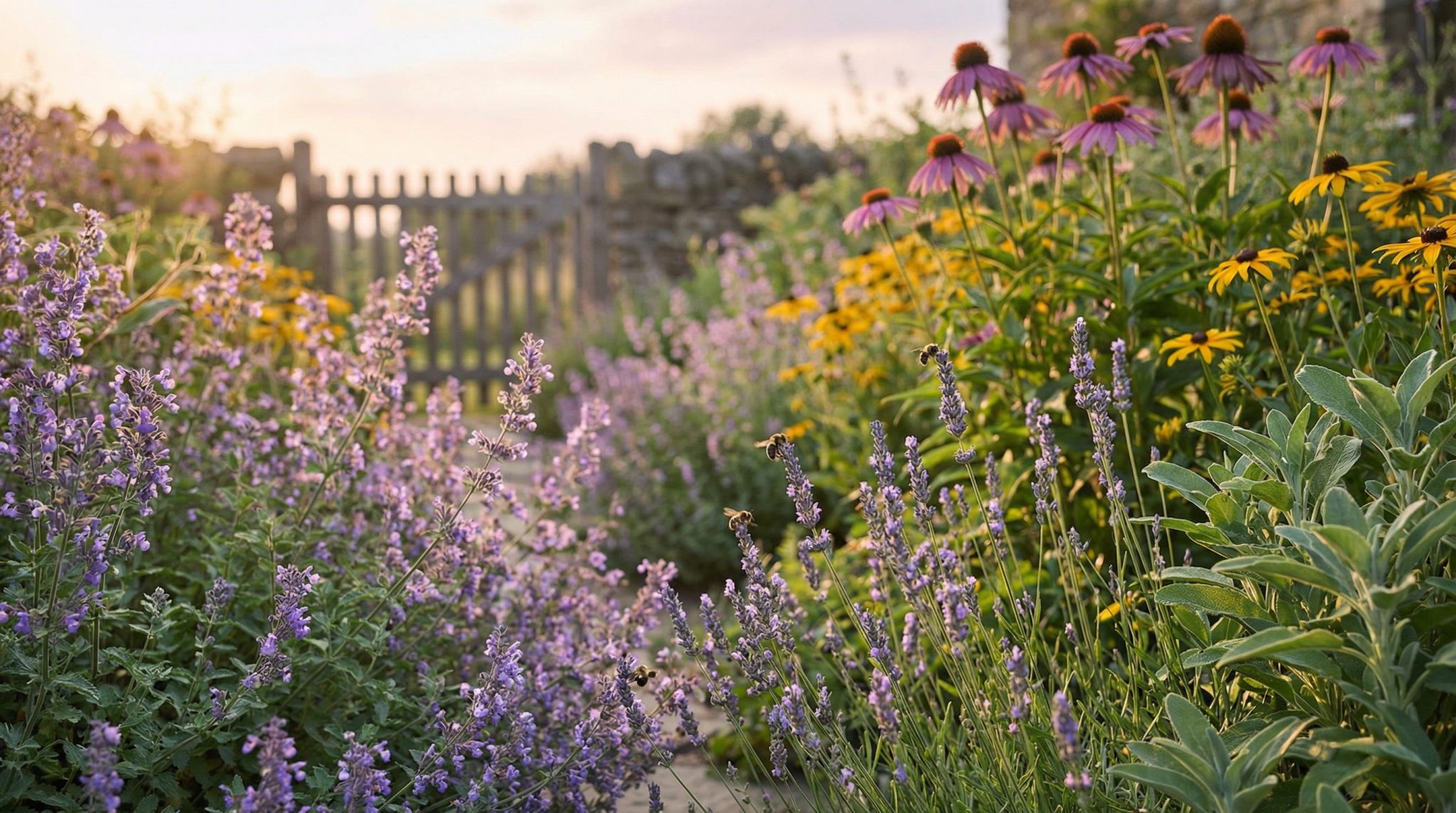
Most cottage garden articles sell you on “effortless romance” and then quietly ghost you the second the weeds show up. So let me say the part out loud: a cottage garden is the opposite of a high maintenance diva… once it’s established. Year one? A little clingy. Year two? It starts pulling its weight. Year three? It’s basically running the place like a tiny plant mafia dense growth shades out weeds, self-seeders patch the bald spots, and beneficial insects show up like unpaid security guards. The trick is not “work harder.” The trick is pick plants that actually like your yard (and stop believing the lie you tell yourself at the garden center: “I’ll just move it later.” You will
Cottage Garden History: How Necessity Became Style
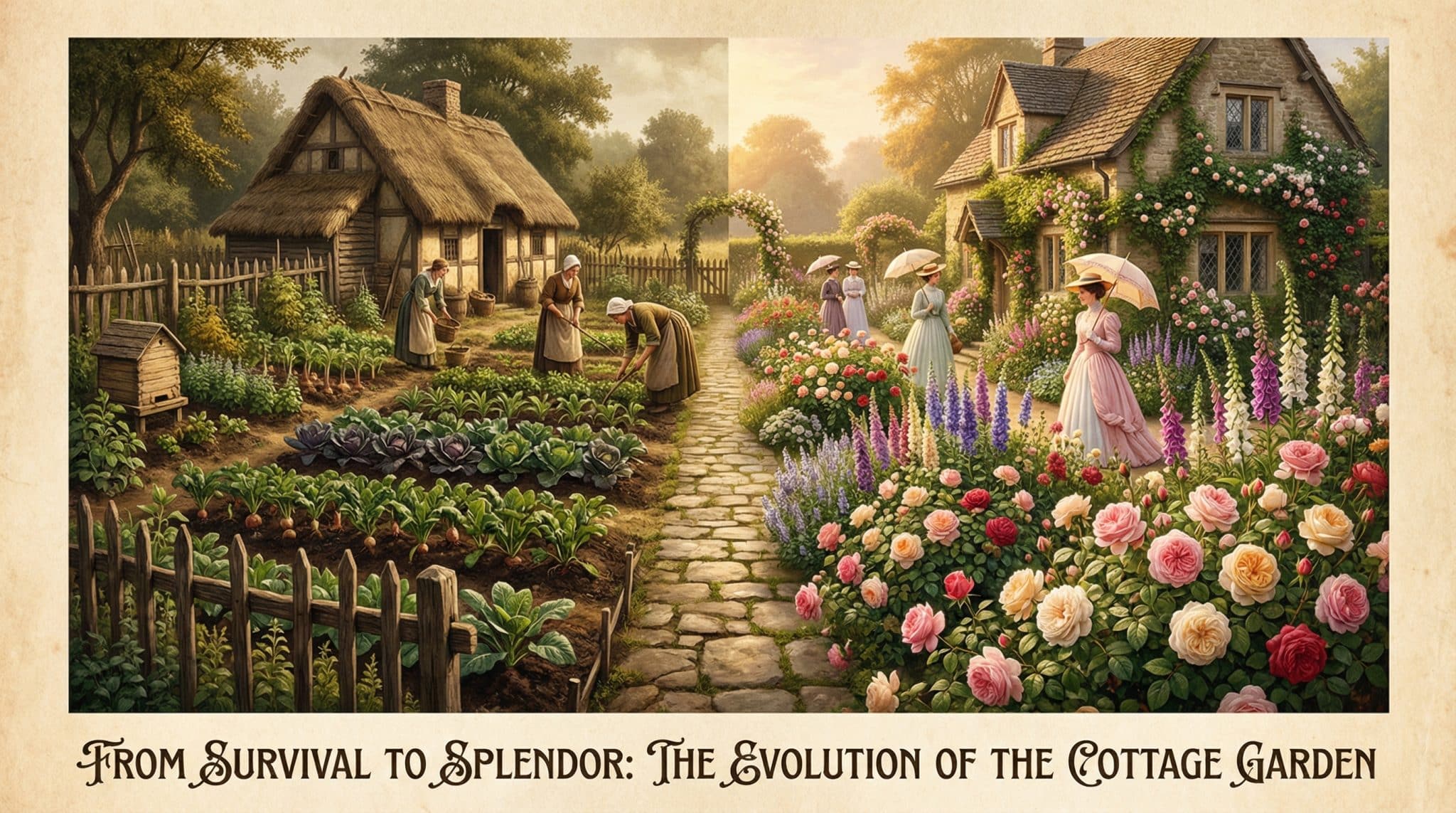
If you picture a “cottage garden” as a rosy little dreamscape hollyhocks waving politely, a thatched roof glowing in golden hour light, everything blooming like it’s auditioning for a calendar yeah… that version is basically the Instagram filter of history. The real cottage garden started as a working plot. A tiny, jam packed, use every inch or go hungry kind of situation. Beauty happened, sure, but it was the happy side effect like when you throw your hair in a claw clip because you’re late and someone goes, “Wait, that’s cute.” Beauty was the bonus, not the job. The “Romantic” Cottage Garden Was… Kind of a Lie (Sorry) Victorian painters absolutely did us dirty. They gave us this soft focus
Peat Moss Magic For Greener Smarter Gardens
Peat moss is a familiar name to many gardeners, often found on bags of potting mix and soil improvers. But what exactly is it, and why is it so widely used? This soft, fibrous material is valued for improving soil texture and helping plants retain moisture. Yet, while it offers clear benefits for gardening, its use also raises important environmental concerns. Understanding how peat moss forms, what it does for soil, and the impact of its harvesting helps gardeners make choices that are better for both plants and nature. There are also sustainable alternatives that offer similar results without harming delicate ecosystems. What Is Peat Moss? Peat moss is a soft, brown material made from layers of partially decomposed plants,
28 Low-Maintenance Flower Bed Ideas for the Frontyard
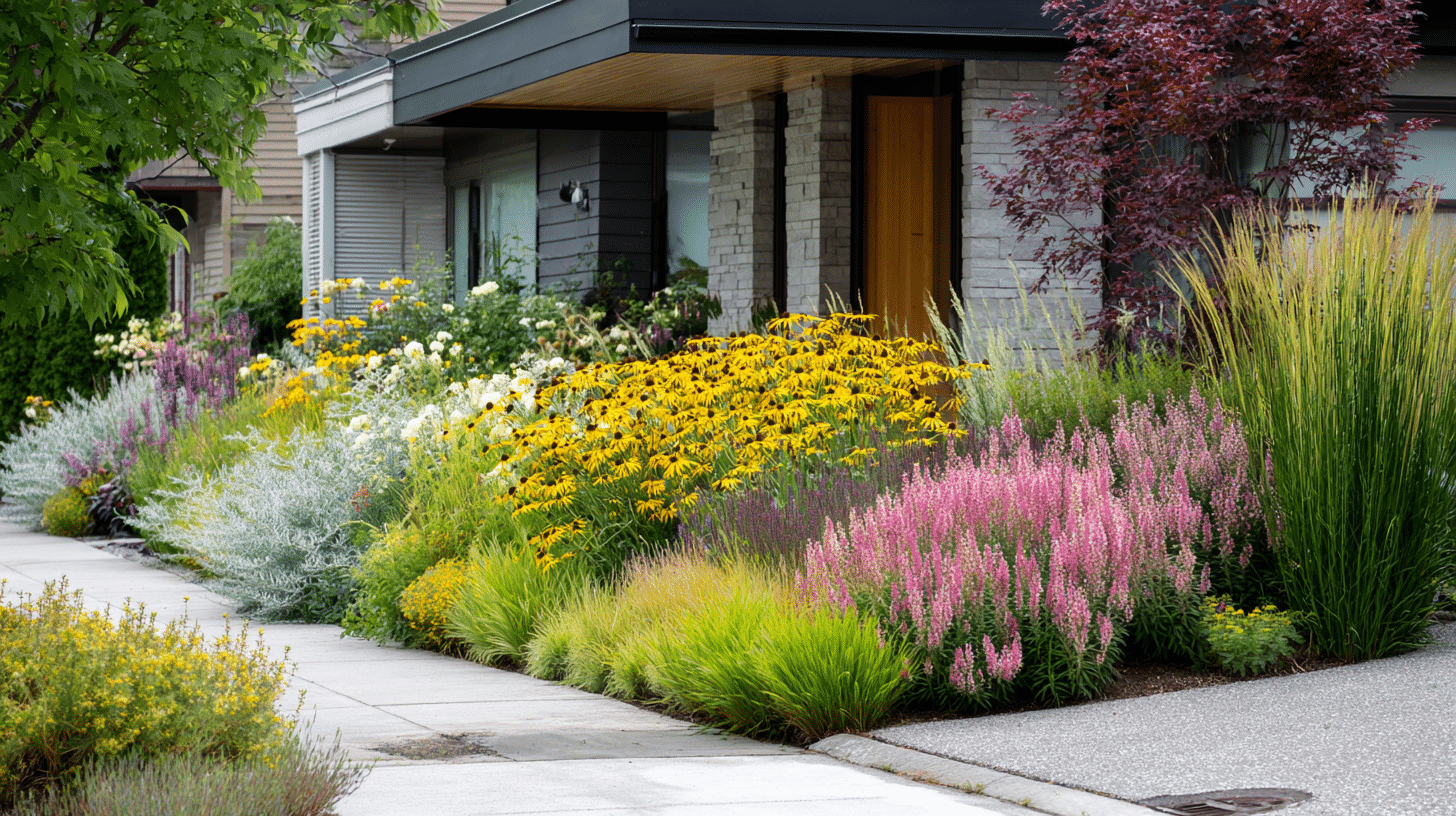
A well-planned flower bed can completely change how the front of your house feels. When designed with easy-care plants and a smart structure, it adds color, texture, and shape without demanding constant attention. The goal isn’t perfection, it’s a balance between beauty and simplicity. Low-maintenance flower beds let you enjoy the view without the weekly upkeep. With the right plant choices, thoughtful placement, and reliable materials, your front yard can stay inviting year-round. It’s about creating something that fits naturally with your home and your lifestyle. Before You Start: What “Low-Maintenance” Really Means Low-maintenance doesn’t mean no effort. It means making choices that simplify care over time. It’s about understanding how plants grow, what your space offers, and how small
Fun Scarecrow Ideas: Build Your Own in Simple Steps
Looking for fun scarecrow ideas to brighten up your garden or yard? Scarecrows aren’t just for farms anymore – they’ve become popular decorations for fall festivals, Halloween displays, and creative outdoor projects. The best part is that building one is surprisingly easy and affordable. You can use old clothes, recycled materials, and basic supplies you already have at home. From traditional designs to superhero characters, there’s a scarecrow style for everyone. This collection of scarecrow ideas will show you how to build your own scarecrow, plus offer tips for making it weatherproof and long-lasting. Get ready to create something uniquely yours! Why Scarecrows are Fun and Easy? Scarecrows offer a great opportunity to express your creativity using simple materials you
How to Prepare a Garden Bed for Vegetable Planting
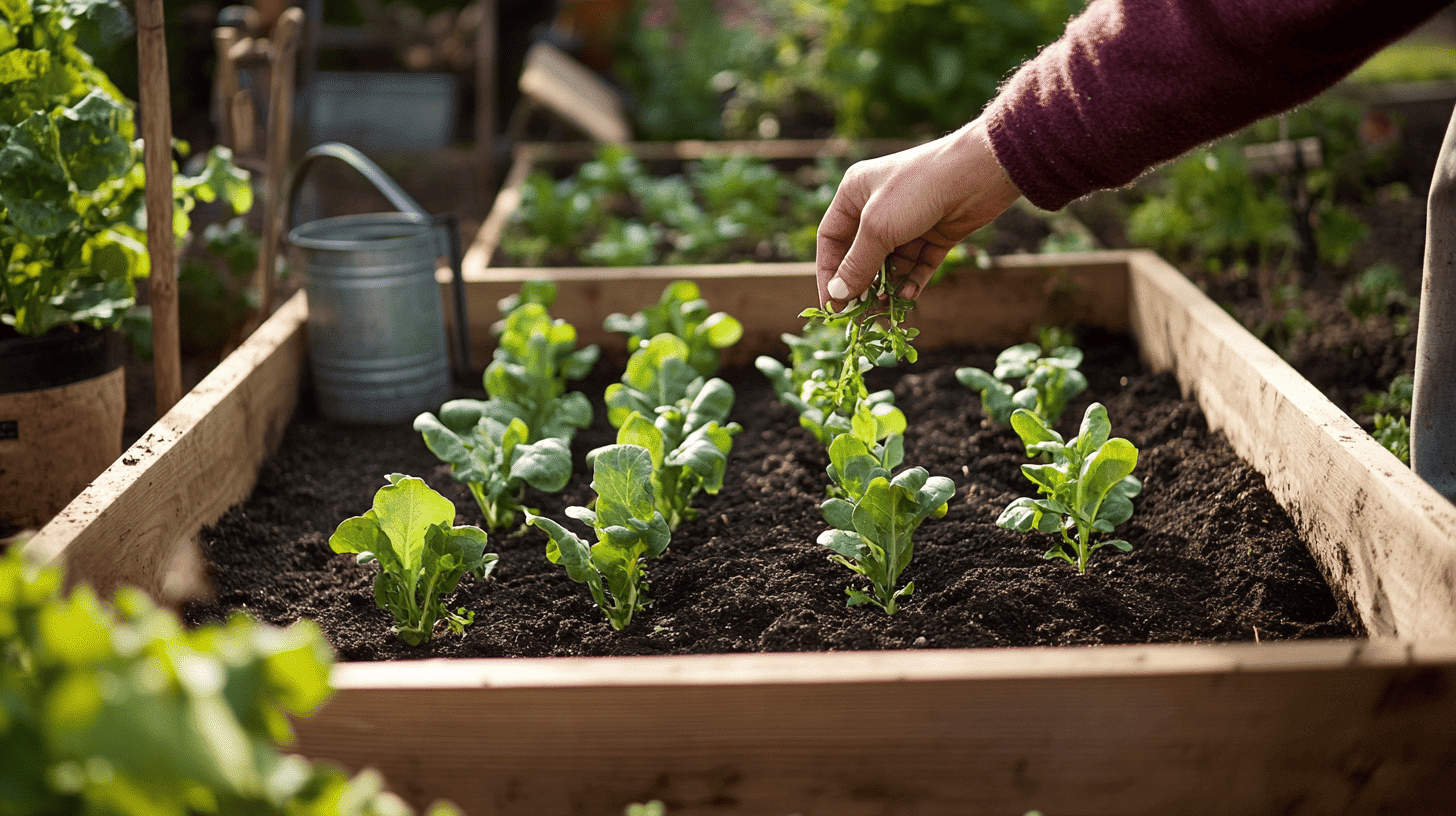
A garden bed for planting vegetables is the key to a strong, productive harvest. Even the best seeds can struggle if the soil isn’t ready. Preparing your bed the right way gives your plants a solid foundation and helps them grow better, faster, and stronger. With just a bit of planning, your garden bed can support healthy growth all season long. Start by clearing the area, loosening the soil, and adding rich compost or organic matter. Good drainage, proper layout, and watering at the right time make a big difference. These small but essential steps lead to fresh, homegrown food you’ll be proud of. How to Choose a Garden Bed for Planting Vegetables Choosing the right garden bed helps your
26 Dreamy Fairytale English Cottage Garden Ideas

Do you dream of a garden that feels like it’s straight out of a beloved children’s storybook? You’re not alone; thousands of gardeners crave that magical cottage garden charm with overflowing flower beds, winding pathways, and roses climbing over picket fences. The problem is, most people don’t know where to start creating this enchanted look, or they worry their space is too small for such abundant beauty. You can transform any outdoor space into a fairytale English cottage garden with the right planning and design ideas. From choosing the perfect color palette to layering plants for continuous blooms, cottage gardens are surprisingly achievable for beginners. Start small with an English cottage garden corner. This guide will walk you through specific
Plants for The West- Facing Windows in Your Homes
Ever noticed how your west-facing windows turn into blazing spotlights every afternoon, converting your living space into what feels like a greenhouse sauna? This afternoon and evening light show isn’t just beautiful to watch; it creates a specific microclimate that can either make or break your indoor garden dreams. Unlike the gentle morning light from east-facing windows or the consistent brightness of south-facing exposures, west-facing windows deliver concentrated, scorching rays that can quickly overwhelm delicate plants, yet provide exactly what sun-loving species crave. However, when you choose the right plants that thrive under these demanding conditions, your west-facing windows can become the crown jewel of your indoor plant collection. Understanding West: Facing Window Light Conditions West: facing windows are like