


Curtain length changes how a room looks and feels. It affects the balance, light, and height of your space more than most people realize.
The right curtain length can make windows seem larger, ceilings appear higher, and rooms feel more complete.
Short curtains often feel simple and practical, while longer ones bring a softer, more graceful look.
Choosing the right length is about matching style with purpose and comfort. Each length creates a different mood and function, from neat and modern to cozy and grand.
A well-measured curtain can turn any window into a feature that adds beauty and balance to the whole room.
Standard Curtain Lengths
Curtain length affects how large and balanced a space appears, so picking the right size brings structure and visual comfort.
Mount curtain rods a few inches above the window frame to make ceilings appear taller and rooms feel more open.
For a balanced look, let the curtain fabric just touch or lightly brush the floor. Avoid panels that hang too short, as they can make windows look smaller and less polished.
Longer drapes add height and softness, while shorter ones suit busy or practical spaces. Always align curtain length with the room’s proportions and lighting to create a clean, comfortable feel.
| Ceiling Height | Recommended Length | Best For |
|---|---|---|
| Low or small rooms | 63 inches | Compact spaces, kitchens, or kids’ rooms |
| Standard 8 ft ceilings | 84 inches | Most living rooms and bedrooms |
| Medium to tall rooms | 96–108 inches | Formal areas, dining rooms, or offices |
| Very tall or custom spaces | 120 inches or custom | Grand interiors and puddled curtain styles |
The right curtain length can make windows seem larger, ceilings appear higher, and rooms feel more complete.
Factors That Affect Curtain Length
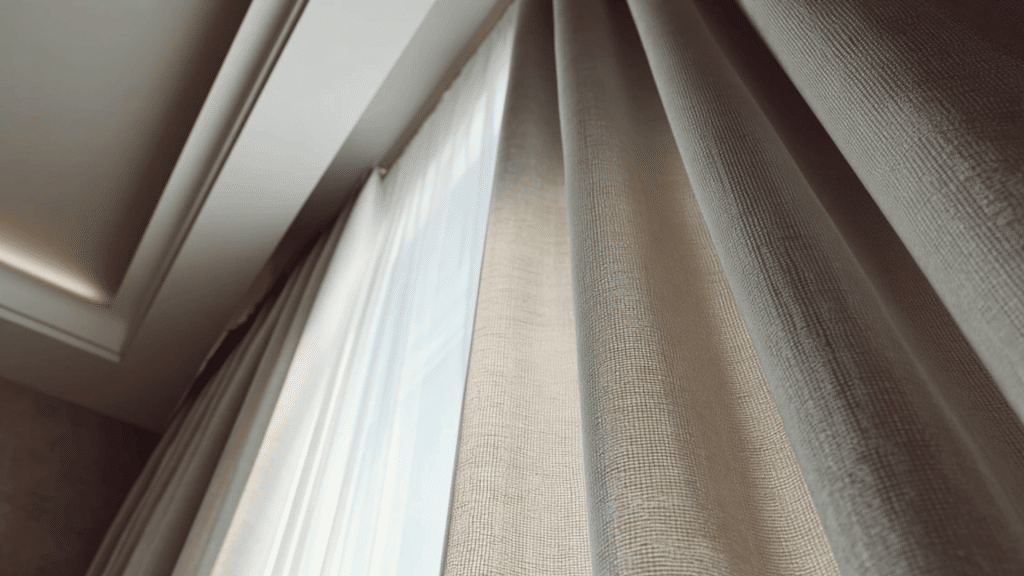
Curtain length depends on a few simple factors that shape how your windows look and how the room feels overall.
- Ceiling Height: Taller ceilings suit longer curtains that add dignity, while lower ceilings look balanced with floor-length styles.
- Window Size and Position: Bigger or higher windows benefit from extended panels that highlight height and openness.
- Furniture Placement: Ensure curtains fall freely without touching furniture, heaters, or decorative pieces nearby.
- Floor Clearance: Adjust curtain length slightly depending on flooring thickness for a neat, even appearance.
- Room Function: Choose practical lengths for active areas and longer ones for calm, private rooms.
- Design Style: Match curtain length to your preferred aesthetic, whether modern and simple or soft and classic.
Keeping these elements in mind helps you choose a curtain length that fits your space, style, and comfort perfectly.
How to Measure and Match Curtain Length

Proper measuring ensures curtains fit neatly, improve balance, and make windows look larger, upgrading light and room proportion.
Materials:
- Measuring tape
- Step stool
- Pencil and notepad
- Level or laser tool
- Curtain rings or clips
Instructions:
- Measure the window width and add 6–10 inches on each side for rod extension and a wider appearance.
- Mount the rod 4–6 inches above the frame or near the ceiling to create height and openness.
- Measure the curtain width between rod ends and multiply by 2–2.5 for ideal fullness.
- Measure curtain height from the rod or ring top to the desired finish point for clean alignment.
Double-check every measurement for accuracy to ensure your curtains hang evenly, function smoothly, and bring harmony to your window space.
Measuring Tips for Perfect Length
Accurate measuring is key to well-fitted curtains that hang evenly, move smoothly, and improve a room’s symmetry and flow.
- Start from the Rod: Measure from the rod position, not the window frame, to find the correct curtain drop.
- Floor or Kissing Style: Stop measuring about half an inch above the floor for a crisp, balanced look.
- Puddled Style: Add two to four extra inches for a soft, sleek fabric pool on the floor.
- Double-Check Measurements: Measure twice to ensure accuracy, balance, and even curtain alignment on both sides.
- Add Rings or Clips: Use them for added flexibility or a slightly longer curtain drop when needed.
Precise measuring creates clean lines and perfect proportions, helping your curtains look tailored, balanced, and harmonious in any setting.
Curtain Length Styles
Different curtain lengths can change how a room feels, influencing its mood, height, and overall sense of balance and flow.
| Style | Description | Effect on Space |
|---|---|---|
| Sill Length | Ends at or slightly above the window sill. | Creates a neat, casual, and practical look. |
| Apron Length | Falls a few inches below the sill. | Adds a soft, simple, and relaxed touch. |
| Floor Length | Just touches the floor with no pooling. | Gives a clean, modern, and refined feel. |
| Kissing the Floor | Barely grazes the floor surface. | Looks balanced, refined, and designer-like. |
| Puddled Length | Extends a few inches onto the floor. | Brings a rich, romantic, and luxurious feel. |
Choosing the right curtain length helps create harmony, enriches proportion, and sets the tone for your room’s overall design.
Curtains for Common Window Types
Matching curtain styles to window types sweetens both appearance and function, creating balanced spaces with comfort and natural light.
| Window Type | Curtain Style | Key Tip |
|---|---|---|
| Double-Hung | Floor-length or kissing | Mount rods higher and layer sheers for flexibility and balanced light control. |
| Casement | Floor-length or sill-length | Leave space for opening and use tiebacks for easy access. |
| Sliding | Wide full-length panels | Extend rods wider for smooth movement and full coverage. |
| Picture | Floor-to-ceiling sheers | Layer sheer and heavy drapes for texture and light control. |
Choosing the right curtain for each window style improves flow, improves comfort, and makes your home look effortlessly sleek.
Styling Advice for Modern Homes
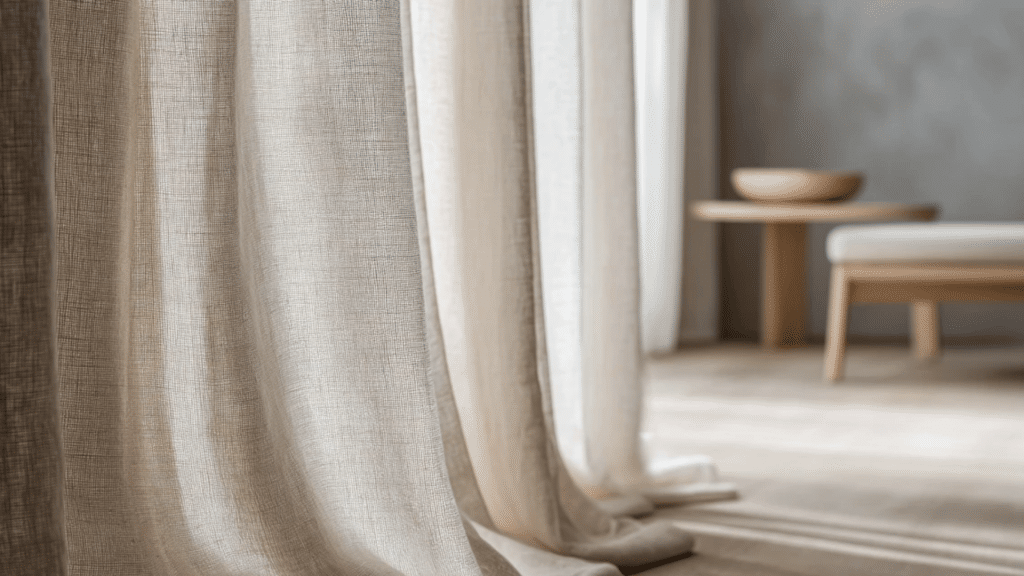
Modern homes look best with simple, well-tailored curtains that add softness without overwhelming the space.
Floor-length styles that hang straight create a neat, uncluttered feel and complement clean interiors.
Fabrics like linen and cotton in soft neutral shades keep the look light, natural, and refined. For added warmth, subtle texture or gentle folds can bring quiet depth without excess detail.
Avoid heavy pooling or ornate patterns, as simplicity enriches flow and balance. Finally, press or steam curtains after hanging to achieve a crisp, refined finish.
Choosing the Right Curtain Length for Each Room
Each room benefits from a curtain style that matches its purpose, blending comfort, function, and visual harmony effectively.
- Living Room: Floor-length or puddled curtains create height, drama, and a sense of dignity in larger spaces.
- Bedroom: Kissing or floor-length curtains bring privacy, softness, and a calm, relaxing feel ideal for rest.
- Kitchen: Sill-length curtains keep the area bright and practical while maintaining easy cleaning and movement.
- Bathroom: Short, moisture-resistant curtains offer privacy and durability while preventing contact with damp floors. Standard shower curtain lengths, usually around 72 inches, help provide proper coverage and maintain a neat, well-balanced appearance in the bathroom.
- Home Office: Floor-length, lightweight fabrics maintain natural light and give a clean, professional appearance.
Selecting lengths based on each room’s function ensures comfort, style, and balance, making every space feel complete and visually connected.
Making the Decision
Every window has the power to shape how a room feels and functions. Curtains bring a quiet personality, softness, and balance that influence light, comfort, and atmosphere.
Each choice in texture, tone, and movement becomes part of your home’s story. Let your instincts guide you toward what feels natural.
Learn about fabrics, colors, and finishes that connect with your style and create a feeling of ease.
Take the first step today by reimagining your windows with intention and confidence, recasting them into features that add warmth, grace, and character to your everyday spaces.
Frequently Asked Questions
Can Curtains Make Small Rooms Look Bigger?
Yes, hang them higher and wider than the window to create an illusion of space.
How Often Should Curtains Be Cleaned?
Light fabrics should be washed every three months, and heavier ones twice a year for freshness and durability.
Do Curtain Linings Really Make a Difference?
Absolutely, they improve insulation, protect fabric color, and improve the curtain’s overall structure.