


Running out of space in your home? A Murphy bed might be exactly what you need. These fold-up beds free up valuable floor space while giving you a comfortable place to sleep when needed.
Building one yourself costs far less than buying a pre-made unit, and it’s easier than you think.
In this guide, you’ll learn how to choose the right wood, build a sturdy frame, install the folding mechanism, and add professional finishing touches.
We’ll also cover the tools you need, estimated costs, and maintenance tips to keep your Murphy bed working perfectly for years.
What is a Murphy Bed?
A Murphy bed is a bed that folds up and stores vertically against a wall or inside a cabinet.
When you need it, you pull it down. When you don’t, you fold it back up.
This design works great for small spaces like studio apartments, guest rooms, or home offices.
It lets you use the same room for sleeping and other activities without taking up floor space all day.
Types of Wood Suitable for Murphy Bed Construction
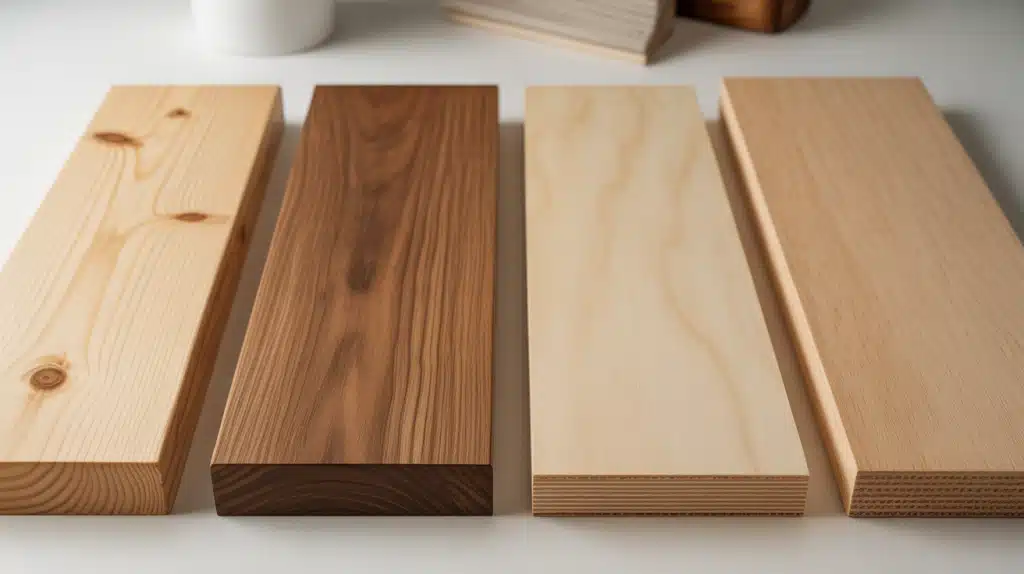
When choosing wood for your Murphy bed, you need materials that are strong, reliable, and suitable for both structural support and looks.
- Pine: Lightweight, affordable, and easy to cut and shape, making it perfect for framing and basic parts.
- Hardwood (Oak, Maple): Much stronger and lasts longer, which makes it ideal for side rails and headboards that carry more weight.
- Plywood: Used for panels and the bed’s support base; go for high-quality plywood for strength and a smooth finish.
- MDF (Medium-Density Fiberboard): Best for flat surfaces like cabinet doors or edges since it’s dense, smooth, and takes paint or stain really well.
DIY Murphy Bed: Step-by-Step Building Guide
Now that you understand what a Murphy bed is and how much it costs, it’s time to start building. Follow these six steps to create a functional Murphy bed that fits your space perfectly.
Tools and Materials Needed:
| Tools | Materials |
|---|---|
| Saw (Circular/Saber Saw) | 1×2, 1×3, 1×4 Wood Pieces |
| Drill with Drill Bits | Wood Screws (2” and 1”) |
| Jigsaw | Wood Glue |
| Screwdriver (Cordless) | Hydraulic Lift Mechanism |
| Measuring Tape | Plywood Sheets (for panels) |
| Framing Square | Cabinet Doors (for faux doors) |
| Stud Finder | Edge Banding |
| Clamps | Finish Paint |
| Finish Nail Gun | Concealed Hinges |
Step 1: Plan Your Design and Measure the Space
Start by measuring your room to figure out how much space you have for the Murphy bed. Decide if you want a simple bed frame or a full cabinet with storage options.
Pick your bed size (Twin, Full, or Queen) and consider how the folding mechanism will fit in your space.
Materials Used: Measuring Tape, Wood (Pine or Hardwood), Plywood
Step 2: Build the Bed Frame
Cut your wood pieces to the sizes you need for the bed frame. Use wood glue and screws to assemble the frame, ensuring everything is square and level.
This frame is the base where your mattress support will rest, so it needs to be solid.
Materials Used: 1×2, 1×3 Wood, Wood Glue, Wood Screws
Step 3: Install the Pivot Mechanism and Side Rails
Attach the hydraulic lift mechanism to the side rails so the bed can fold up and down smoothly. Then mount the side rails to your bed frame. Make sure everything is tight and properly aligned so the bed operates safely.
Materials Used: Hydraulic Lift Mechanism, Heavy-Duty Screws
Step 4: Add the Mattress Support System
Build either a slatted base or a solid plywood platform to hold your mattress. Attach this support system firmly to the bed frame. It needs to be strong enough to handle the mattress’s weight without sagging or breaking.
Materials Used: Plywood, Wood Screws
Step 5: Assemble the Cabinet and Mount the Bed
If you’re building a cabinet-style Murphy bed, assemble the cabinet structure around your bed frame. Add faux cabinet doors to hide the bed when it’s folded up. Use a stud finder to locate wall studs, then mount the whole thing securely to the wall for safety.
Materials Used: Plywood, Cabinet Doors (Faux), Wood Screws
Step 6: Final Touches and Finishing
Apply edge banding to any exposed plywood edges for a polished look. Sand everything down, then paint or stain the wood to match your room. Install concealed hinges on the cabinet doors for a clean, modern appearance.
Materials Used: Edge Banding, Finish Paint, Concealed Hinges
Video Tutorial
Special thanks to Satisfy DIY for providing valuable insights in their video, which I referenced while creating this guide.
How Much Does it Cost to Builda Murphy Bed?
Building a Murphy bed yourself costs between $300 and $600, depending on the materials and features you choose.
The price varies depending on whether you use bare plywood and hardware or premium wood and hydraulic lift systems. Adding storage or custom finishes will increase the total cost.
| Budget Level | Estimated Cost | What You Get |
|---|---|---|
| Low-End | $300 | Bare plywood, simple hardware, no extra storage |
| Mid-Range | $450 | Better quality materials, added storage options |
| High-End | $600 | Premium wood, hydraulic lift mechanism, custom finishes |
Tips for Building a Murphy Bed
Before you start cutting wood and drilling screws, these tips will help you avoid common mistakes and build a better Murphy bed. Following this advice can save you time, money, and frustration during your project.
- Accuracy is Key: Double-check all your measurements and alignment at every step to avoid costly mistakes later.
- Invest in Good Hardware: Spend extra on high-quality hydraulic mechanisms and hinges, as they handle the heavy lifting and daily use.
- Work in Stages: Break the project into smaller steps and check your work after each one to catch problems early.
- Use Multiple Light Coats of Paint: Apply several thin layers of paint instead of one thick coat to get a smooth, professional finish without drips.
How to Maintain Your Murphy Bed?
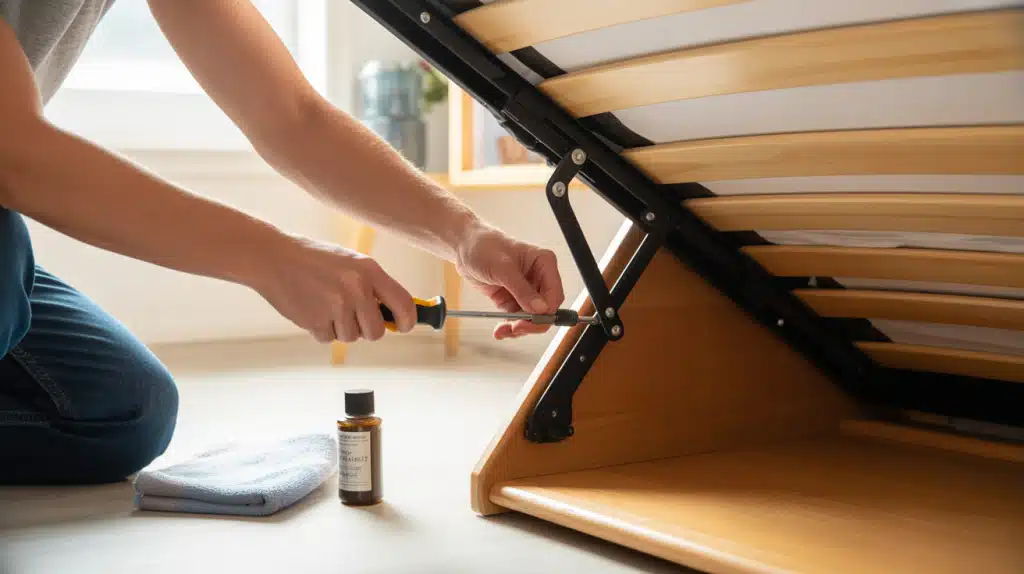
Once your Murphy bed is built, regular maintenance will keep it working smoothly for years.
Check the hydraulic system every few months to ensure it folds and unfolds without resistance or unusual noise.
After the first few weeks of use, go back and re-tighten all the screws, as they can loosen from regular use. Clean the wood surfaces with a soft cloth and wood cleaner to prevent dust buildup.
Apply wood polish every few months to keep the finish looking fresh and protect the wood from wear. If you notice any squeaking or sticking, apply a small amount of lubricant to the hinges and pivot points.
These simple steps will help your Murphy bed stay in great shape and function properly for many years.
Final Thoughts
Building a Murphy bed is a practical solution for anyone dealing with limited space.
You can save hundreds of dollars by doing it yourself, and the process is straightforward when you follow the proper steps.
From choosing quality wood to installing the hydraulic mechanism, each part plays a role in creating a bed that lasts.
Start with careful planning and measurements. Take your time with each step. The result is a functional piece of furniture that changes your room from a bedroom to an office or play area in seconds.
Ready to start your Murphy bed project? Grab your tools and get building. Have questions or tips to share? Drop a comment below and let us know how your build goes!