
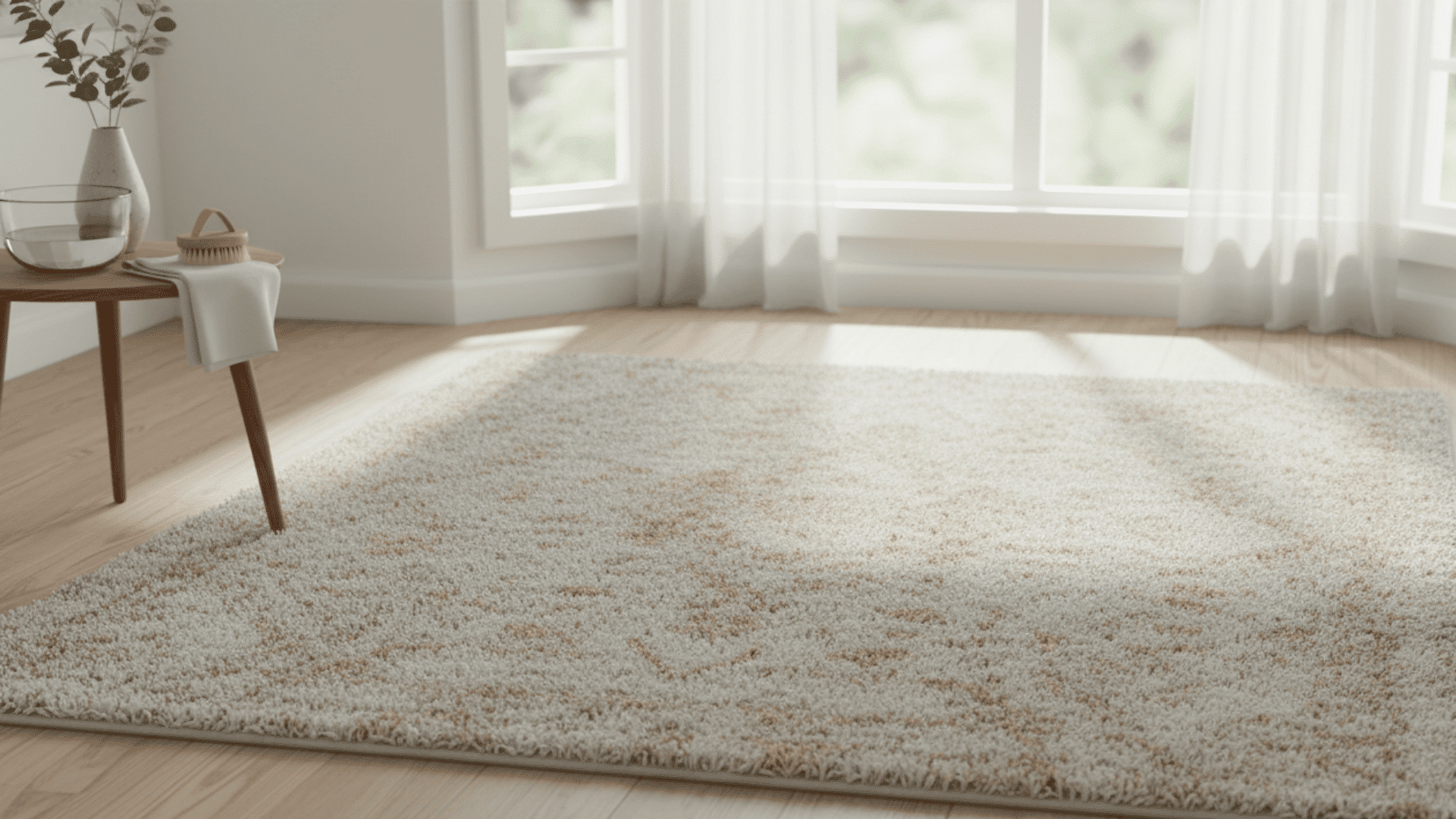

Cleaning a rug can feel simple at first, yet the moment you notice a stain or a smell, the process becomes a little more confusing.
Each rug has its own needs, so the proper method can make the cleaning feel easier and keep the carpet in steady shape for years.
With a calm approach and the appropriate steps, you can handle spills, deep dirt, and regular upkeep without stress.
In this blog, we will learn how to choose the correct cleaning method, how different rug materials react to care, how to prevent damage, how to handle stains, and when a professional may be the better choice.
What to Check Before Cleaning Your Rug
Before you begin any rug cleaning, it helps to know what you are working with.
Each rug reacts in its own way to water, soap, heat, and brushing, so taking a moment to check the basics can save you from problems later.
This small step makes the entire cleaning process smoother and keeps the rug in good shape for longer.
What to look for:
- The rug material, such as wool, synthetic, cotton, jute, shag, or silk
- If the colors stay in place by testing a small spot with a damp white cloth
- A care tag on the back that gives simple cleaning instructions
- The way the rug is built, such as flat weave, tufted, or shag
When you know these details, you can choose a method that keeps the carpet safe from shrinking, fading, or damage.
6 Effective Methods for Rug Cleaning
Before you begin any deep work, it helps to know the simple methods that keep a rug in steady shape. These steps guide you through safe and clear ways to start rug cleaning with confidence.
1. Vacuuming and Dry Debris Removal

Vacuuming is the simplest way to keep a rug clear of loose dirt. It lifts dust before it settles deep into the fibers and helps the rug stay fresh between deeper cleanings. This method works well for both light upkeep and regular care.
How to do it
- Vacuum both sides when you can
- Use a suction-only setting for delicate rugs
- Avoid beater bars on wool, shag, and older rugs
2. Spot Cleaning With Mild Soap

This method works well for fresh spills and minor marks that have not set in. A gentle mix of soap and warm water can help lift the stain without harming the rug. Always test first to make sure the colors stay in place.
Steps:
- Blot the stain instead of rubbing
- Mix mild soap with warm water
- Test on a small hidden area
- Blot with a clean cloth and rinse with plain water
3. Deep Washing With Water and Detergent

Some rugs can handle a complete wash, which helps remove dirt that sits deep inside the fibers. This is a suitable method for sturdy materials that dry well. It is best done outside, where the rug has room to drain and air out.
Steps:
- Take the rug outside
- Rinse it with water
- Scrub gently with mild detergent
- Rinse until the water looks clear
- Let the rug dry thoroughly in a well-ventilated spot
4. Baking Soda Deodorizing

Baking soda is a simple way to refresh a rug that feels stale or has mild odors. It works by absorbing smells rather than masking them. This method is gentle enough for nearly any rug material.
How to use it:
- Sprinkle baking soda across the rug
- Leave it for about twenty to thirty minutes
- Vacuum the area well
5. Steam Cleaning

Steam cleaning removes dirt that sits deeper in the fibers and can help the rug feel cleaner overall. It is commonly used for synthetic rugs that handle moisture well. Softer or natural materials may not respond the same way, so use them only when the rug type allows.
Suitable for: Synthetic rugs that can handle heat and moisture
Avoid for: Wool, silk, jute, sisal, and shag rugs
6. Dry Cleaning Powder Method

This method is gentle and works well for rug materials that cannot handle water. The powder lifts dirt from the fibers and leaves the rug cleaner without adding moisture. It is a good choice for delicate or older rugs.
How it works
- Sprinkle the cleaning powder
- Brush it lightly into the fibers
- Vacuum once the time on the product label has passed
How to Clean Area Rugs Without Causing Damage
Gently cleaning an area rug helps keep it in good condition and prolongs its life. Blot spills instead of scrubbing, since this keeps the stain from settling deeper.
Avoid soaking the carpet, because extra moisture can reach the backing and cause mold. If you use soap, rinse the rug well so nothing stays behind.
Give it enough time to dry before placing furniture back on it. A rug pad adds support, keeps the rug from slipping, and reduces wear.
Once these steps become part of your routine, handling stain care becomes easier.
Different Rug Types and Their Cleaning Requirements
No two rugs respond the same way to cleaning, which is why understanding the material is so important. Each type has its own comfort zone when it comes to water, heat, and cleaning products. Knowing this helps prevent damage and keeps the rug in good condition for longer.
1. Wool Rugs

Wool rugs are soft and firm but need gentle care to stay in good shape. They respond better to cool water and mild products, and they hold their color well when cleaned the right way. Keeping the process calm and simple helps the fibers stay smooth and steady.
| Cleaning requirements | Avoid |
| Cool water | Hot water |
| Mild wool-friendly detergents | Steam |
| Light suction vacuuming | Strong scrubbing |
2. Cotton Rugs

Cotton rugs are easier to clean than many other types because the fibers can handle water well. Smaller cotton rugs may even go in a washer if the tag allows it. Drying them with care helps keep their shape steady and prevents shrinking.
| Cleaning requirements | Avoid |
| Mild detergents | High heat |
| Water-based cleaning is allowed | Unstable dyes that may leak |
| Air drying for best results | Vigorous brushing that can loosen the fibers |
3. Synthetic Rugs

Synthetic rugs made from materials such as polypropylene, nylon, or polyester are strong and straightforward to care for. They can handle deeper cleaning methods and often dry faster than natural fibers. This makes them a good match for busy areas in the home.
| Cleaning requirements | Avoid |
| Deep washing | Very high heat during drying |
| Steam cleaning when needed | Harsh chemical cleaners that may dull the fibers |
| Regular upkeep for traffic areas | Vigorous brushing that can roughen the surface |
4. Jute and Sisal Rugs

Jute and sisal rugs bring a natural feel but do not react well to water. These fibers absorb moisture quickly, which can cause stains or weaken the material. Keeping cleaning dry and gentle helps them last longer.
| Cleaning requirements | Avoid |
| Dry cleaning powder | Water |
| Light vacuuming | Steam |
| Very little moisture | Any soaking |
5. Shag Rugs

Shag rugs have long fibers that hold on to dust, so they need steady but gentle care. Strong suction helps lift dirt without pulling the strands. A small amount of cleaner works better than heavy washing because drying can take a long time.
| Cleaning requirements | Avoid |
| Strong suction vacuuming | Beater bars |
| Shaking outdoors | Large amounts of water |
| Light spot cleaning | Heavy soap use that can settle deep in the long fibers |
6. Silk and Viscose Rugs

Silk and viscose rugs are very soft and sensitive. Their fibers can weaken with even mild water or strong products, so it is safer to clean them with gentle surface care only. Professional help is usually the best option for stains.
| Cleaning requirements | Avoid |
| Light surface dusting | Water |
| Careful handling | Soap |
| Professional cleaning when needed | Scrubbing |
Stain Removal Tips for Common Spills on Rugs
Minor accidents can happen at any time, and knowing how to respond right away can make a big difference. These simple stain care steps help you protect the rug and keep it looking steady even after sudden spills.
Food and Drink Stains such as coffee, wine, or juice
- Blot the area right away to slow the stain from settling deeper
- Clean the spot with mild soap mixed with warm water for gentle lifting
- Rinse with a light vinegar mix to help calm any remaining smell
Pet Accidents
- Use an enzymatic cleaner to help remove the source of the odor completely
- Rinse the spot with a small amount of clean water for a softer finish
- Dry the area entirely so moisture does not stay trapped underneath
Mud
- Let the mud dry completely so it can crumble more easily
- Vacuum the loose dirt once it becomes firm and easier to lift
- Spot clean afterward to clear any marks that remain on the surface
Grease or Makeup
- Add a small amount of dish soap to help ease the stain from the fibers
- Tap lightly with rubbing alcohol for tougher marks after a safe test
- Blot again to help the area settle clean without spreading
When to Choose Professional Rug Cleaning

Some rug issues feel simple to handle at home, but certain situations need more careful treatment. When the rug shows signs that home methods may not be enough, it can be safer to bring in a trained cleaner.
- The rug is silk or viscose: A pro is the safest choice when the carpet is made from silk or viscose, since these fibers need very gentle care.
- Colors bleed during spot testing: If the colors begin to move during a small test, a pro can handle the cleaning without risking damage.
- Odors remain after cleaning: When smells linger even after you clean the rug, a pro can reach deeper layers that home methods cannot.
- Stains are years old: Old stains that have settled for years respond better to professional tools and steady techniques.
- Sentimental or monetary value: Rugs with sentimental or financial value are always safer in the hands of a trained cleaner.
- Specialized tools: Professionals use tools and products designed for delicate fibers, which provide the rug with more secure, steady cleaning.
How Often Should I Clean Area Rugs
The proper cleaning routine for an area rug depends on the material, the room’s level of use, and whether pets or kids spend time there.
A steady mix of light upkeep and deeper cleaning keeps the rug looking clear and helps it last longer.
Weekly vacuuming usually works for most homes, while deeper cleaning every few months keeps dirt from settling into the fibers.
If your space has pets or anyone with allergies, it helps to clean the rug a little more often to keep it fresh and comfortable.
This simple rhythm keeps the carpet in good condition and supports a cleaner home environment.
Wrapping It Up
Keeping a rug clean becomes much easier once you understand the material and use methods that support its condition.
A steady routine, gentle products, and quick action on spills can keep the rug looking clear and comfortable for a long time.
When you choose the right approach for each type of rug, you protect the fibers and keep your space feeling calm and fresh. If a stain feels too strong or the rug carries too much wear, a trained cleaner can bring it back with care.
If you would like help shaping this content for your site or want support with your next topic, feel free to ask, and I can create the next section for you.