


Painting tile floors is an easy and affordable way to refresh a space without replacing the tiles.
A change in color can make old floors look bright and clean, giving any room a fresh look with minimal effort.
Many homeowners choose this option to save time and money, but one question often comes up: how long will the paint actually last?
The lifespan of painted tile floors depends on several factors, including the type of paint used, the surface preparation, and the amount of traffic the area receives.
Understanding these details helps ensure the floor stays in good condition for as long as possible.
Understanding Painted Tile Floors
Painting tile floors starts with identifying the tile type and following a clear process. Commonly painted surfaces include ceramic, porcelain, and certain natural stone tiles.
This route offers clear advantages: it costs far less than replacing the tile, allows for a quick conversion, and provides design flexibility through colour and pattern choices.
On the flip side, the finish won’t match the durability of new tile installations, and it demands regular upkeep, especially in areas with heavy foot traffic or frequent moisture exposure.
Best suited for lower-use rooms or older tiles in good condition, this approach is less ideal for high-traffic areas, outdoor spaces, or tiles that are already damaged.
How Long Does Tile Paint Really Last?
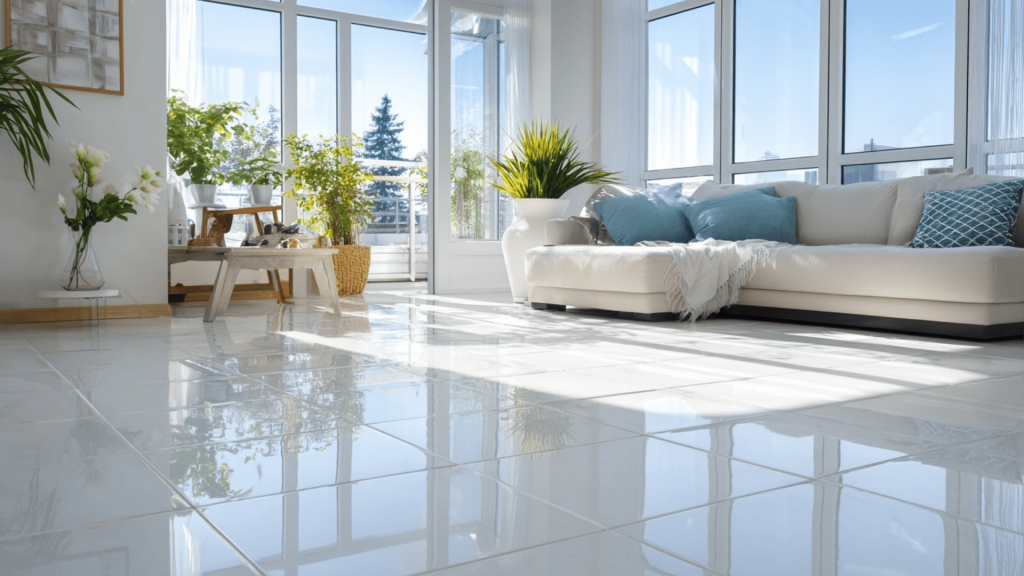
Painted tile floors can remain in good condition for several years when properly prepared and maintained.
Their longevity depends on the materials used, the surface type, and the amount of traffic the floor receives.
1. Research and Real-World Examples
Most studies suggest that painted tile floors in low-traffic areas can last 5 to 12 years, according to Flooring Clarity.
In contrast, Tile Installation ATX reports that floors exposed to moisture or heavy use often last only two to six years.
A long-term homeowner update from Driven by Decor showed that the bathroom floor still looked “very good” after 4 years, thanks to proper prep and moderate use.
2. What to Realistically Expect
When installed with quality materials and well-maintained, tile floors in moderately used spaces often last 3 to 5 years before showing wear.
In high-traffic rooms or when preparation was rushed, peeling and fading can begin within 1 to 3 years.
3. Why It’s Rarely Permanent
While painting tile is a cost-effective update, it’s not a permanent fix.
Continuous foot traffic, cleaning routines, and exposure to moisture gradually weaken the coating. Over time, the surface loses its shine, requiring touch-ups or a full repaint to restore its look.
Key Factors Affecting Painted Tile Lifespan
Painted tile floors last longer when the right materials, preparation, and maintenance methods are used consistently across different environments.
| Factor | Key Insight |
|---|---|
| Tile Surface & Condition | Smooth, well-kept tiles help paint adhere better, while cracks or weak grout lead to early chipping and peeling. |
| Paint & Sealer Quality | High-grade primer and epoxy coatings upgrade protection; poor-quality paint or skipped sealing quickly reduces durability. |
| Preparation & Application | Cleaning, sanding, and allowing proper curing between coats ensures stronger adhesion and prevents future peeling or bubbling. |
| Usage & Environment | Constant movement, pets, or humidity accelerate wear; areas with lighter use or stable conditions stay intact longer. |
| Maintenance & Care | Regular gentle cleaning, using mats, and avoiding harsh chemicals keep the finish smooth and extend the floor’s lifespan. |
Consistent upkeep and mindful use help painted tile floors retain their appearance and strength, reducing the need for frequent repainting or touch-ups.
Signs It’s Time for Touch-Up or Repaint
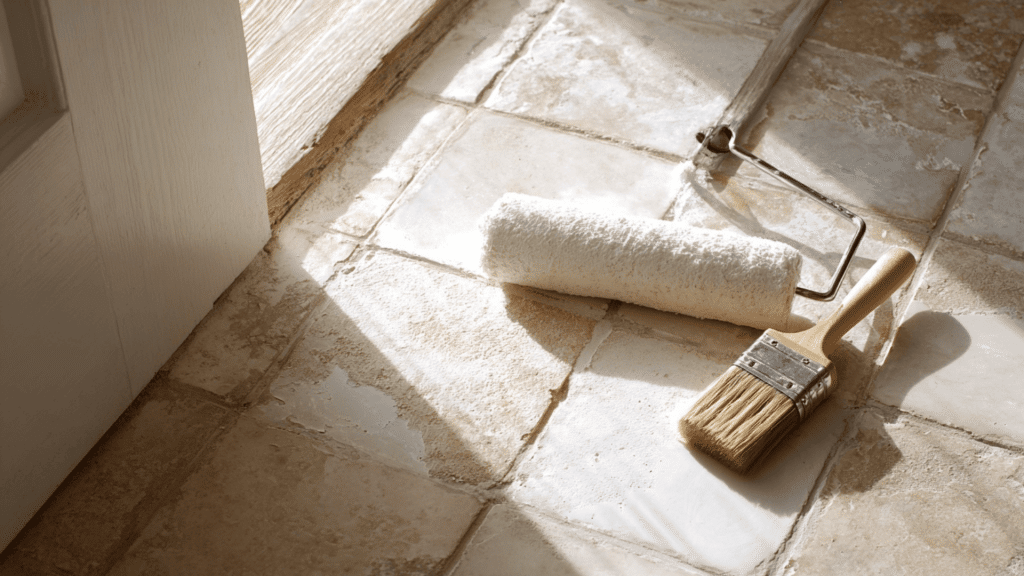
Regular inspection helps identify early wear and prevent more extensive damage, keeping painted tile floors clean and durable.
- Chipping or Peeling: Paint begins lifting in entryways or near fixtures due to frequent use and movement.
- Fading or Dulling: Sun exposure causes color to lose brightness and surface sheen over time.
- Thin Finish Areas: Constant traffic near sinks or doors wears down protective layers unevenly.
- Bubbling or peeling: Moisture buildup in bathrooms or laundry rooms weakens paint adhesion.
- Frequent Touch-Ups: Repainting becomes more efficient than repeated small fixes in worn areas.
Addressing these signs early helps maintain appearance, prevent deeper surface damage, and extend the life of painted tile floors.
Painting Floor Tiles Made Simple
Refreshing your tiles with Dulux Renovation Range Floors is simple and cost-effective.
Follow these six steps for a smooth, long-lasting, and durable finish that changes tired floors into stylish, modern surfaces.
Step 1: Clean and Prepare the Surface
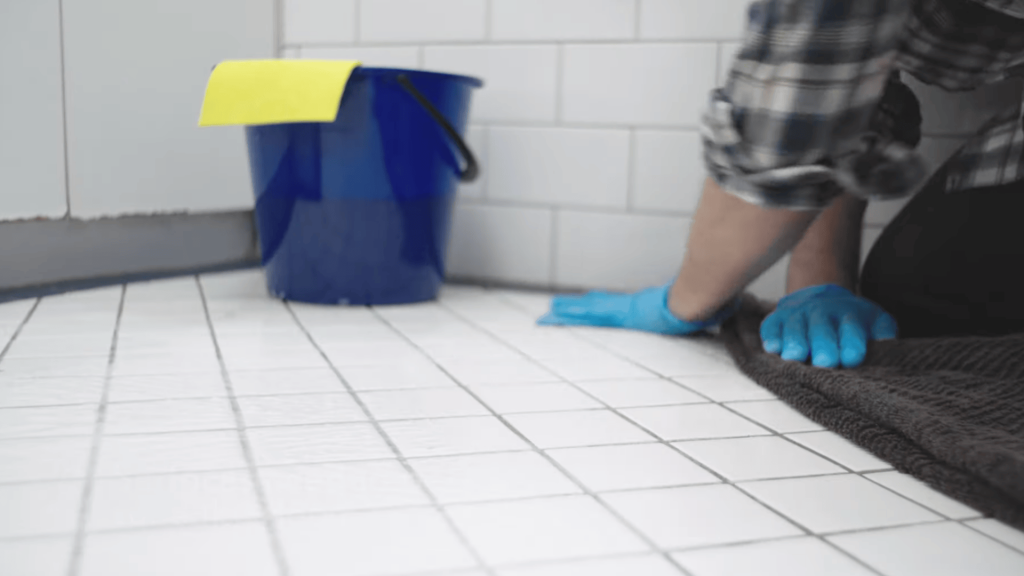
Begin by cleaning tiles with sugar soap to remove grime and residue. Eliminate silicone from corners and scrub grout lines.
Rinse thoroughly with clean water and allow the surface to dry completely before moving to the next step.
Step 2: Repair and Protect Surrounding Areas
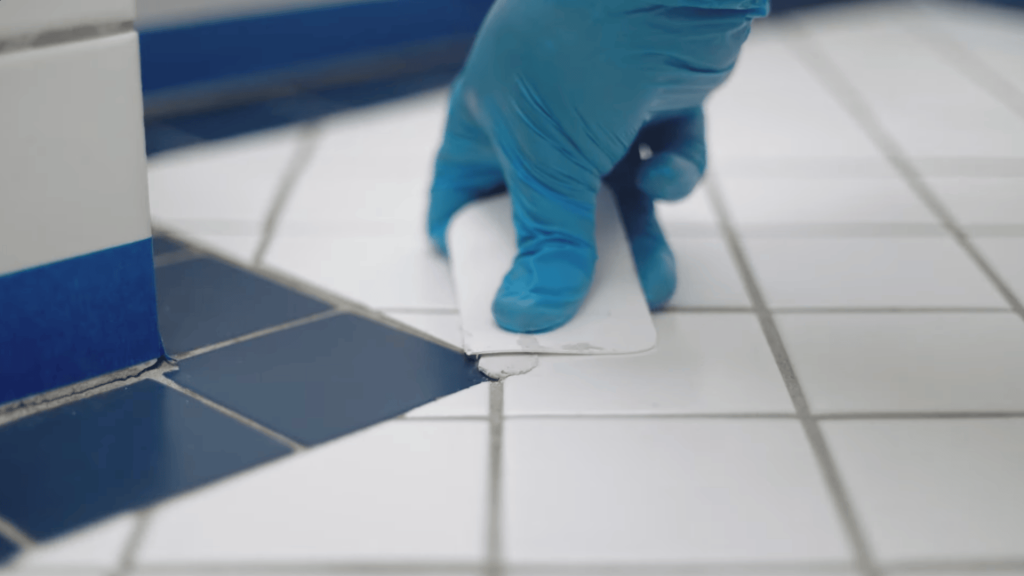
Fix chips or cracks using a kneadable filler designed for wet areas. Once dry, sand the patched areas smooth.
Mask skirtings, trims, and walls using painter’s tape to prevent unwanted paint marks and ensure clean, sharp edges.
Step 3: Apply the Primer Coat
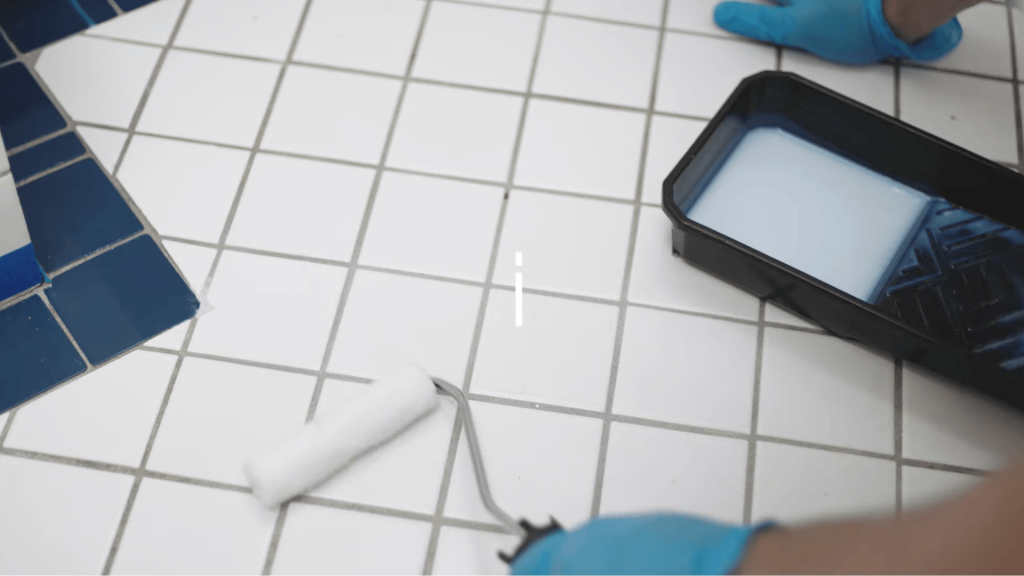
Apply Dulux Renovation Range Primer evenly with a roller, starting at the farthest corner and working toward the exit.
This primer ensures strong adhesion and a smooth foundation for the paint, improving durability and finish quality.
Step 4: Mix and Prepare the Paint
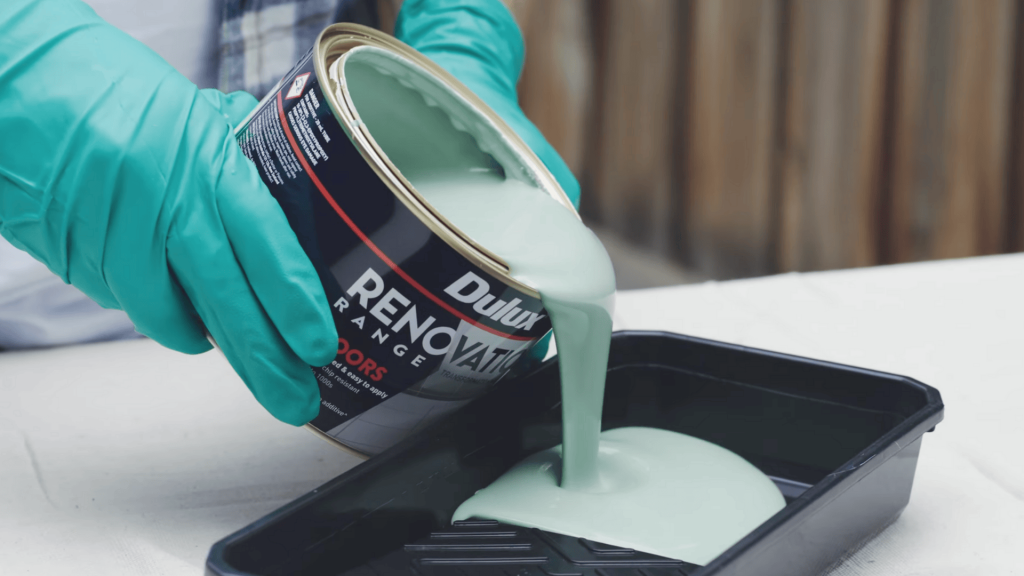
Add the supplied additive to the paint and stir continuously for 2 to 5 minutes using a scooping motion.
This step activates the formula, improving adhesion, resistance, and overall performance on high-traffic tiled surfaces.
Step 5: Apply the Paint Evenly
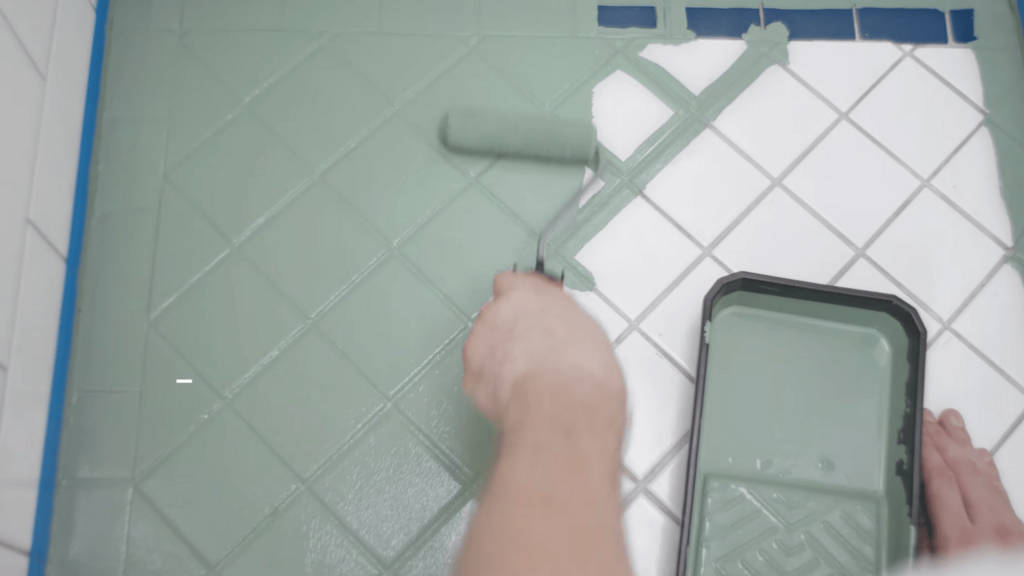
Use a sash brush for edges and grout lines, then roll over larger areas evenly.
Maintain a consistent wet edge to avoid lap marks or streaks. Apply paint smoothly for a clean, professional-looking surface finish.
Step 6: Dry, Recoat, and Finish
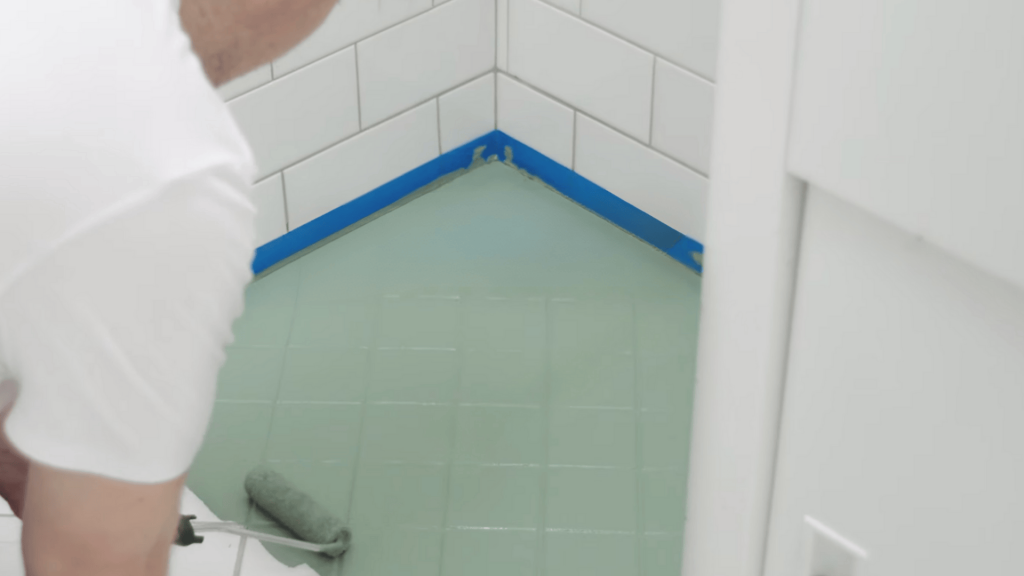
Allow the first coat to dry for at least 8 hours before applying the second coat.
Let the painted floor cure fully before regular use. Once cured, you’ll have a refreshed surface with a firm, slip-resistant finish.
Video Tutorial
For a detailed, expert-led walkthrough by the internationally trusted paint brand, watch the complete Dulux Renovation Range Floors tutorial video.
Tips to Maximize the Life of Your Floor
Proper preparation, smart material choices, and regular care can significantly extend the lifespan and appearance of painted tile floors.
- Clean and Repair: Remove grease and dirt, and repair cracks to ensure paint adheres evenly and lasts longer.
- Sand and Prime: Lightly sand glossy tiles, then apply a bonding primer to create a strong surface base.
- Choose Quality Paint: Opt for epoxy or enamel paint with a clear topcoat for added protection and shine.
- Protect Surfaces: Use rugs in busy areas and felt pads under furniture to prevent scratches and dents.
- Clean Gently: Sweep often, mop with mild soap, and avoid harsh cleaners that damage paint and sealer.
- Handle Moisture Quickly: Wipe up spills immediately to prevent peeling, bubbling, or water stains.
Consistent care, good materials, and quick attention to wear help maintain painted tile floors and reduce the need for frequent repainting.
When It’s Better to Replace Rather Than Paint
In some cases, repainting tile floors isn’t the best long-term solution. If the tiles are cracked, loose, or the subfloor shows damage, painting will not fix those issues.
Extremely high-traffic areas, commercial settings, or areas exposed to constant moisture, such as patios and pool decks, also wear painted finishes down quickly.
For homeowners seeking a durable, low-maintenance option, full tile replacement is the more practical choice.
New tile offers a longer lifespan, a better appearance, and greater value over time than repainted surfaces.
Final Thoughts
Upgrading tile floors with paint can completely change a room’s character, adding freshness and style with minimal effort.
The true value lies in the care you invest; each step, from preparation to ongoing upkeep, shapes how long that beauty lasts.
Every home is different, so consider how your space functions before making a choice.
Even if you decide to refresh your existing floors or start new, focus on creating a finish that fits your lifestyle.
Ready to begin? Gather quality materials, plan thoughtfully, and start designing a surface that truly reflects your space and vision.
Frequently Asked Questions
Can Painted Tile Floors Handle Pets?
Yes, but pet claws can scratch the surface, so rugs help protect high-traffic zones.
Is It Safe To Paint Bathroom Tiles?
Yes, as long as tiles are dry during painting and fully sealed afterward to prevent damage.
Can Painted Tiles Be Steam Cleaned?
No, steam cleaning weakens paint layers. Use gentle cleaning methods to maintain durability and shine.
Can I Recoat Without Stripping Old Paint?
Yes, if the surface is clean and smooth, lightly sand before applying a new coat.