


Imagine a space that effortlessly blends the outdoors with the comfort of your home, where you can enjoy the beauty of nature without the discomfort of unpredictable weather.
A 3-season room offers the perfect escape, providing a cozy retreat for three seasons of the year: spring, summer, and fall.
With its versatile design, this unique addition not only enhances your living space but also allows you to enjoy the changing seasons from the comfort of your own home. But what makes a 3-season room truly special?
What features set it apart from other types of rooms? And how does it compare to its more insulated cousin, the 4-season room? Find the possibilities of a 3-season room addition.
What is a 3-Season Room?
A 3-season room is a home addition that connects indoor comfort and outdoor living. It is designed for use in spring, summer, and fall when temperatures are mild.
Equipped with large windows and screens, it allows fresh air in while keeping insects out. Although it has solid roofs and foundations, it usually lacks insulation and heating for year-round use spaces.
The primary purpose of a 3-season room is to provide an extra living area where you can enjoy the outdoors without being exposed to the elements. It offers protection from rain, wind, and bugs while still allowing you to feel connected to your yard, garden, or scenic views.
These versatile spaces can serve many functions in your home:
- A casual dining area for morning coffee or evening meals
- A relaxation spot for reading or napping
- An entertainment zone for gatherings with friends and family
- A home office with natural lighting and refreshing views
Many homeowners find a 3-season room one of the most used spaces during pleasant weather, providing a balance between indoor confinement and full outdoor exposure.
Key Features of a 3-Season Room:
| Walls and Windows | Flooring Options | Roof Structure | Basic Insulation | Ventilation Systems |
|
Large windows provide light, views, and fresh air while blocking insects and rain. |
Vinyl, tile, or carpet resist moisture and temperature shifts.
|
Standard roofing with optional skylights shields from rain and sun. | Light insulation in walls and roof helps extend seasonal use. | Ceiling fans and windows boost airflow and cool the space naturally. |
Three-Season Roofing Options
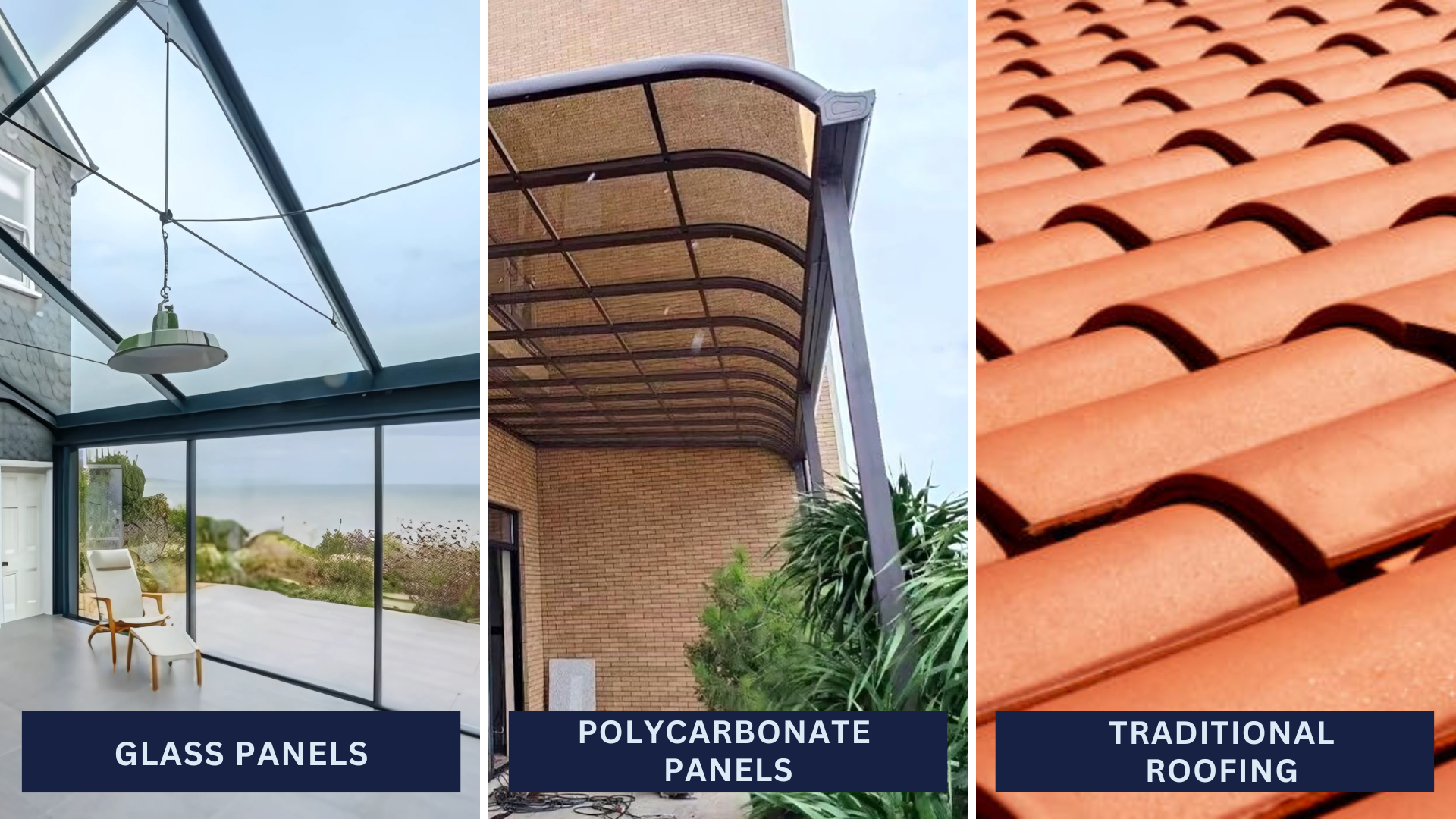
The roof of your 3-season room plays a crucial role in its comfort, durability, and overall look.
Here are three excellent options to consider:
1. Glass Panels
Transparent or tinted panels create a sunroom feel with natural light, offering unobstructed views of the sky and trees while shielding against rain and wind.
Special coatings control temperature and block UV rays without impairing visibility.
- Ideal for spaces: Sun-loving areas that prioritize views and natural light, rooms where growing plants is important, or homes in mild climates without extreme temperature swings.
2. Polycarbonate Panels
These lightweight, impact-resistant panels enable light transmission while providing better insulation than glass.
They come in clear or tinted options at lower costs, resist yellowing, and withstand most weather conditions, including hail and branches.
- Ideal for spaces: Budget-conscious builds, areas with occasional severe weather, or rooms needing a balance of light and temperature control.
3. Traditional Roofing
Using materials like asphalt shingles, metal, or slate that match your home creates a seamless appearance.
This roofing offers the best weather protection and insulation, though it needs adequate windows for natural light.
- Ideal for spaces: Regions with harsh weather, homes where matching existing architecture is important, or rooms intended for use in cooler seasons.
How Can We Create a Pet-Friendly Space with a 3-Season Room?
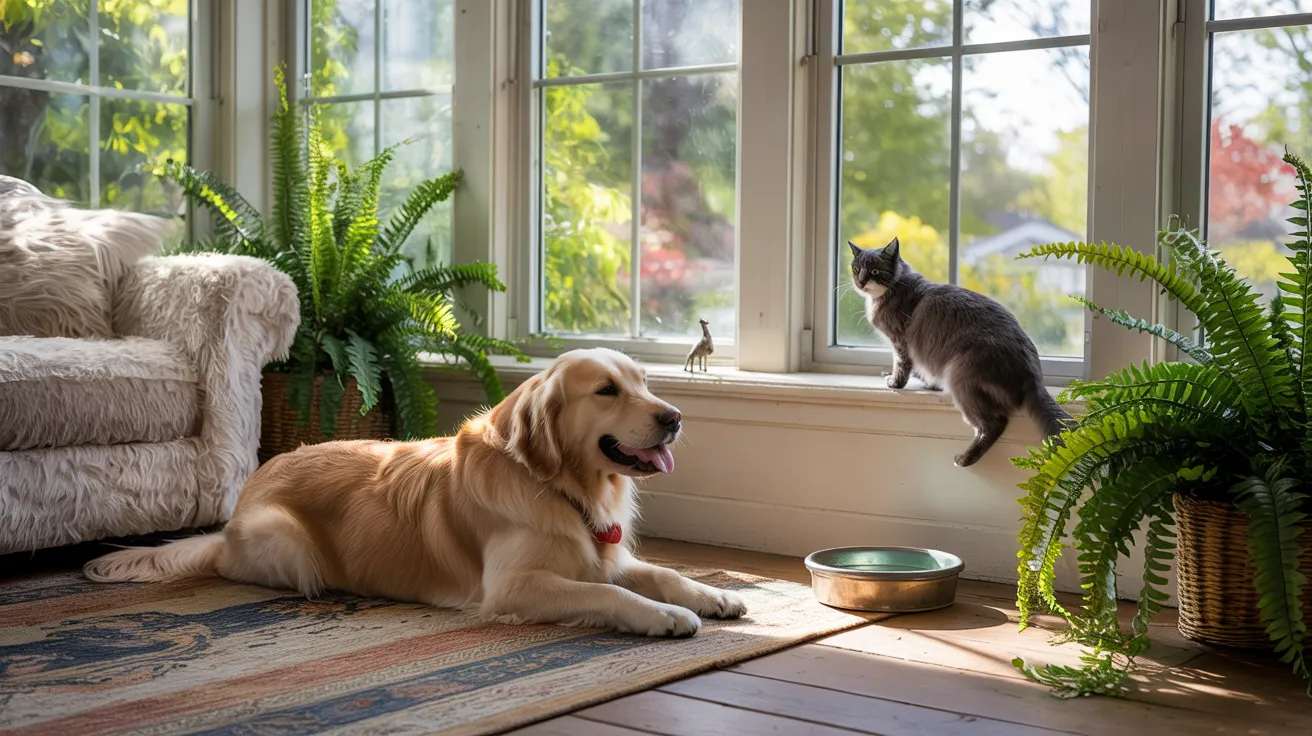
Adding a 3-season room to your home gives your pets a special space to enjoy the outdoors in a safe, controlled environment. Here’s how to make this room work for both you and your furry family members:
- Durable Flooring: Choose scratch-resistant tile, vinyl, or sealed concrete that can handle paws, claws, and occasional accidents. These surfaces clean easily and won’t trap pet hair or odors like carpet might.
- Pet-Safe Windows and Screens: Install strong, pet-resistant screens that can withstand a cat’s climbing or a dog’s excitement. Lower windows should use tempered safety glass to prevent injuries if a pet bumps or jumps against them.
- Comfortable Temperature Control: Add ceiling fans for summer cooling and portable heaters for chilly days to extend the seasons your pets can enjoy the room. Window coverings help manage light and temperature throughout the day.
With these simple but thoughtful additions, your 3-season room can become your pet’s favorite spot to lounge, play, and watch the world go by while staying safe and comfortable.
Difference Between a 3-Season and 4-Season Room
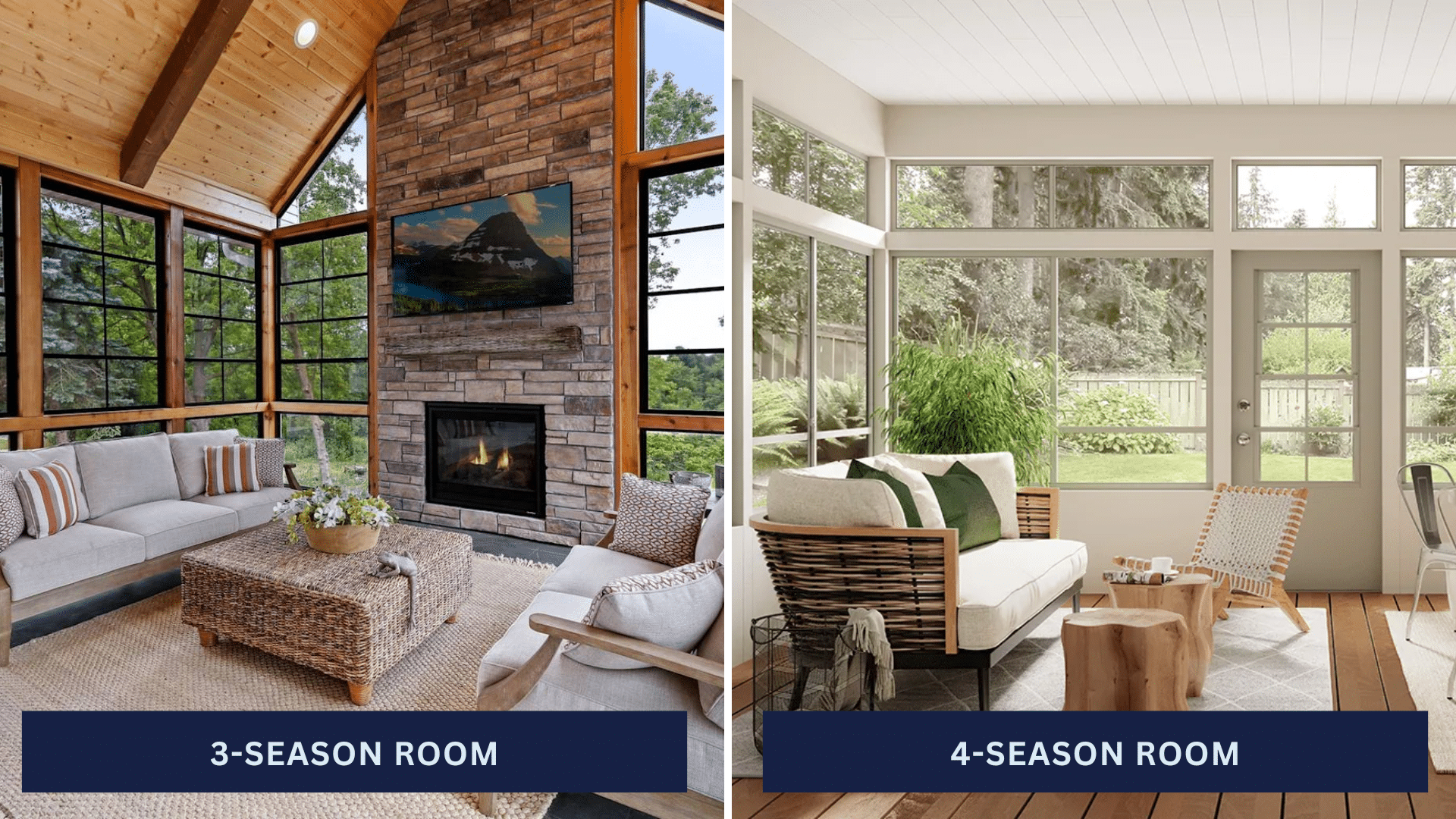
When deciding between a 3-season and 4-season room, consider these key differences to determine which option best suits your needs, climate, and budget:
| Feature | 3-Season Room | 4-Season Room |
|---|---|---|
| Usage Period | Spring, summer, and fall | Year-round, including winter |
| Insulation | Basic insulation in walls and ceiling | Full insulation throughout, including floors |
| Climate Control | Ceiling fans, portable heaters/AC | Permanent HVAC system connected to home |
| Windows | Single-pane or standard glass | Energy-efficient double or triple-pane |
| Construction | Less complex framing and foundation | Built to same codes as main house |
| Temperature Range | Comfortable in mild weather (40-90°F) | Comfortable in any weather (0-100°F) |
Choose a 3-season room if you want extra living space during mild weather at a reasonable cost.
Select a 4-season room if you need guaranteed comfort year-round and can invest in a permanent living space addition.
Making the Most of Your Seasonal Room Addition
A 3-season room offers an affordable way to add extra space while connecting you to the outdoors.
These rooms work well with proper windows, good roofing, and basic comfort features without the high costs of fully temperature-controlled additions.
These spaces make perfect spots for morning coffee, afternoon reading, or giving your pets a safe place to watch the world outside.
Your choice between a 3-season or 4-season room will depend on your local weather, your budget limits, and how you plan to use the space throughout the year.
Understanding your options for walls, floors, roof types, and other features will help you create a space that truly adds value to your home and daily life.
Have you added this room to your home? Share your thoughts in the comments below!