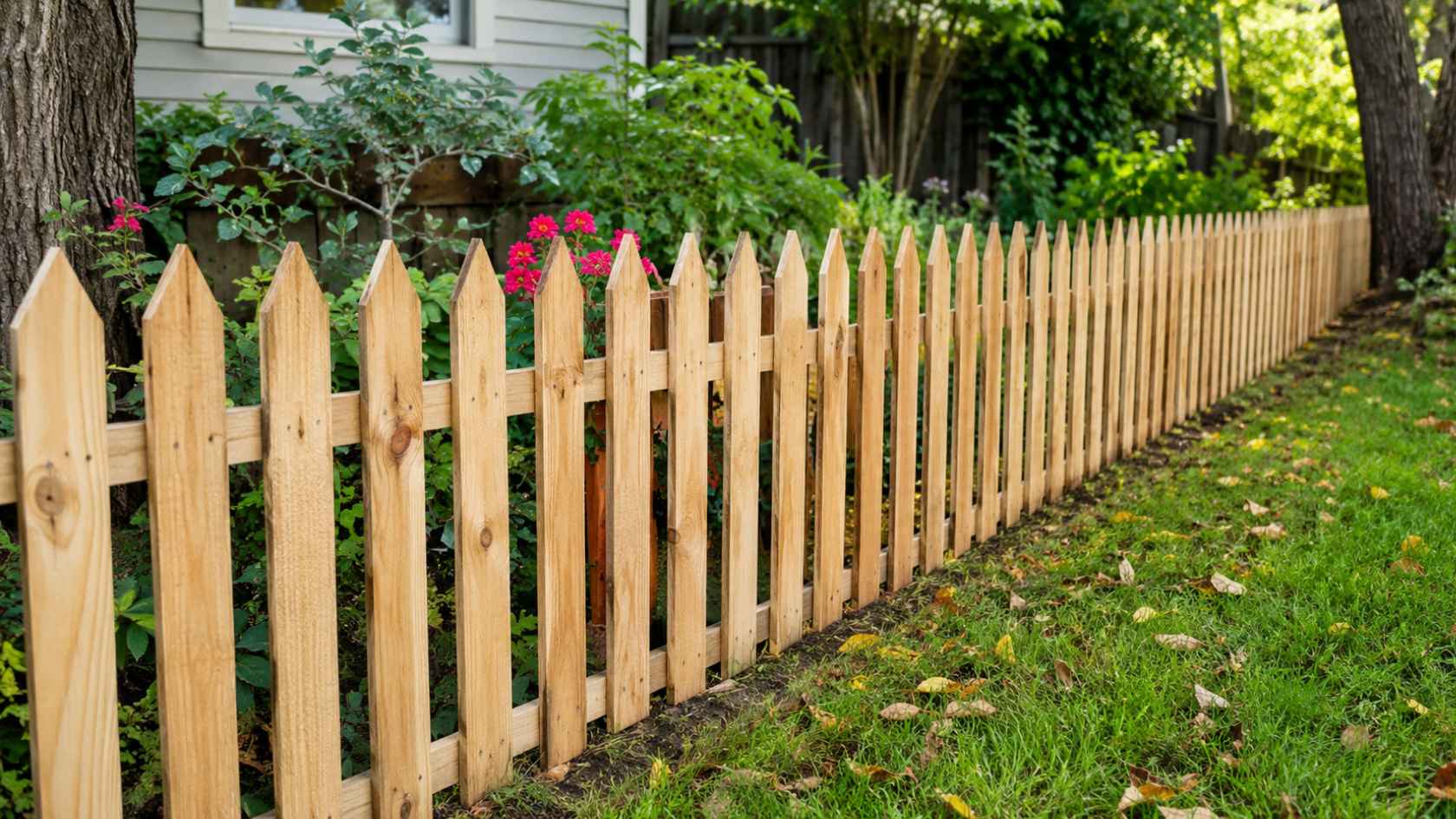
A good fence should not cost a fortune.
Privacy, pet safety, and a better-looking yard are all possible without emptying a wallet.
Most people assume fencing is expensive. But some of the best-looking fences cost less than a dinner out.
From simple wooden pickets to creative upcycled designs, cheap fence ideas exist for almost every yard, style, and budget.
Fancy skills are not required. Expensive contractors are not necessary either.
Smart material choices, a little planning, and the right idea for the space can completely transform an outdoor area.
Affordable options are everywhere, with real cost estimates and pro tips to make the entire process simpler, faster, and easier on the budget.
What to Consider Before Picking a Cheap Fence
Choosing the cheapest fence is not always the best value. Before buying materials, consider your goals, local regulations, maintenance needs, and site conditions to avoid unexpected expenses later.
- Your Purpose: Decide whether the fence is for privacy, decoration, pet containment, security, or simply marking property boundaries.
- Local Permit Requirements: Some municipalities require permits before installing a fence, especially for taller structures or corner-lot properties.
- Fence Height Rules: Residential fences are commonly limited to 6–8 feet, though regulations vary by city and neighborhood.
- Soil and Ground Type: Rocky, sloped, or clay-heavy soil may require deeper posts, specialized tools, and additional installation costs.
- Maintenance Tolerance: Wood requires regular sealing or staining, while metal and vinyl generally need less long-term upkeep.
Taking a few minutes to evaluate these factors can help you choose a fence that fits both your budget and your property’s needs. Proper planning often prevents costly modifications and repairs later.
Cheap Fence Ideas for Every Yard and Budget
A fence does not have to cost a fortune to improve your yard. These budget-friendly ideas use affordable materials, simple construction methods, and DIY-friendly designs that help you add privacy, define boundaries, or boost curb appeal without overspending.
1. Split Rail Fence
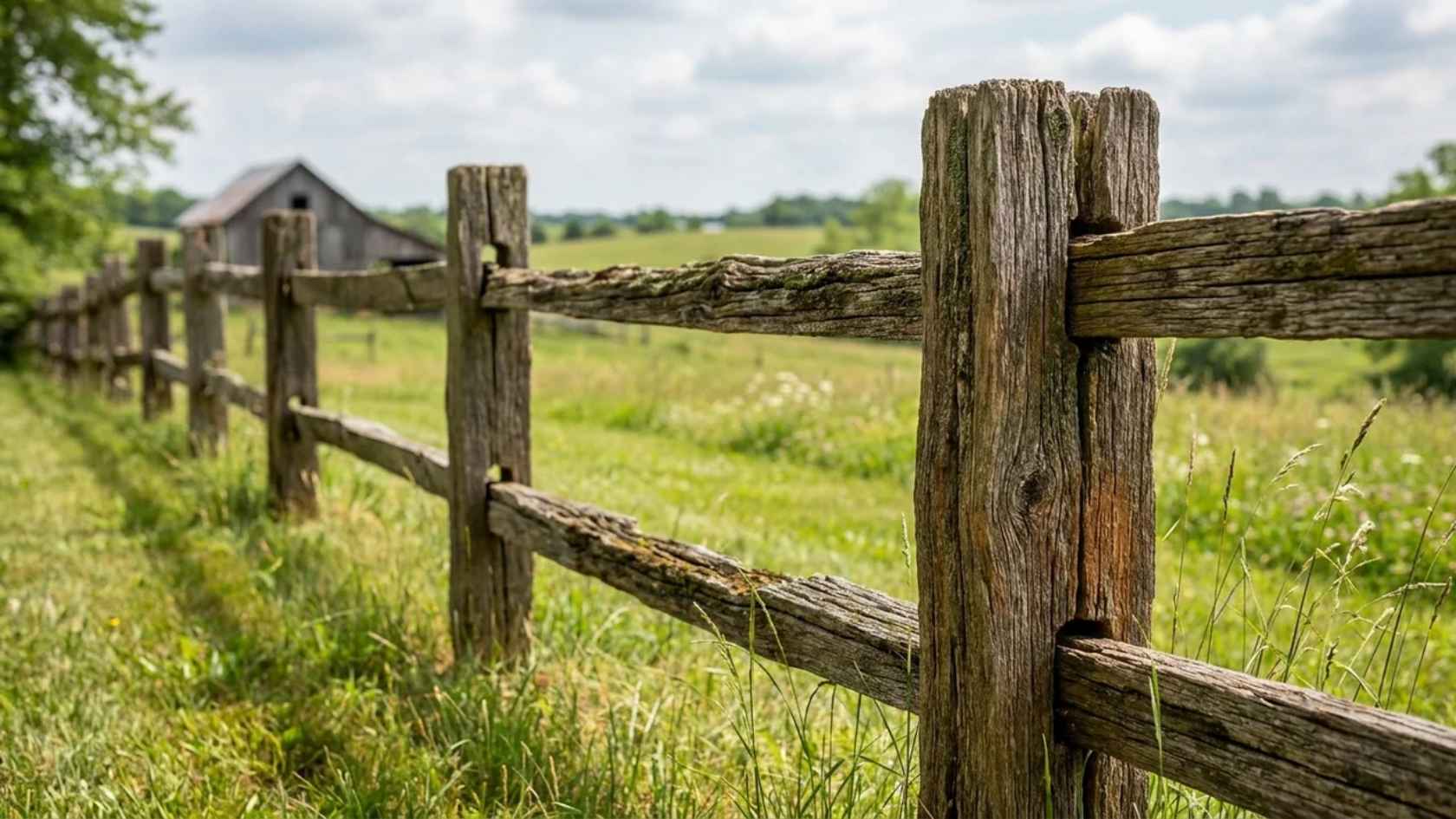
A split rail fence is one of the most affordable wood fencing options because it uses fewer boards than traditional privacy fences.
Its open design creates a rustic look that works well for large properties, farms, and decorative borders. Many homeowners add wire mesh between the rails to keep pets contained while maintaining the fence’s classic appearance.
Estimated Cost: $3–$10 per linear foot
2. Basic Picket Fence

The basic picket fence remains a favorite for homeowners who want an attractive boundary without a high price tag.
Standard pine pickets are widely available and easy to install, making this fence a practical weekend DIY project. It works especially well around front yards, flower beds, and garden pathways where full privacy is not necessary.
Estimated Cost: $5–$12 per linear foot
3. Horizontal Slat Wood Fence

Horizontal slat fencing creates a clean, contemporary look while keeping material costs manageable. By spacing the boards slightly apart, you can reduce the amount of lumber required without sacrificing style.
Cedar planks are a popular choice because they naturally resist rot and insects, helping lower long-term maintenance expenses.
Estimated Cost: $8–$15 per linear foot
4. Bamboo Roll Fence

Bamboo roll fencing is among the quickest and least expensive fencing solutions available. The panels arrive preassembled and simply unroll for easy attachment to posts or existing fencing.
This option works particularly well for garden sections, side yards, and temporary privacy screens. Applying an outdoor sealant helps extend its lifespan outdoors.
Estimated Cost: $1–$2 per linear foot
5. Wood Lattice Fence Panel
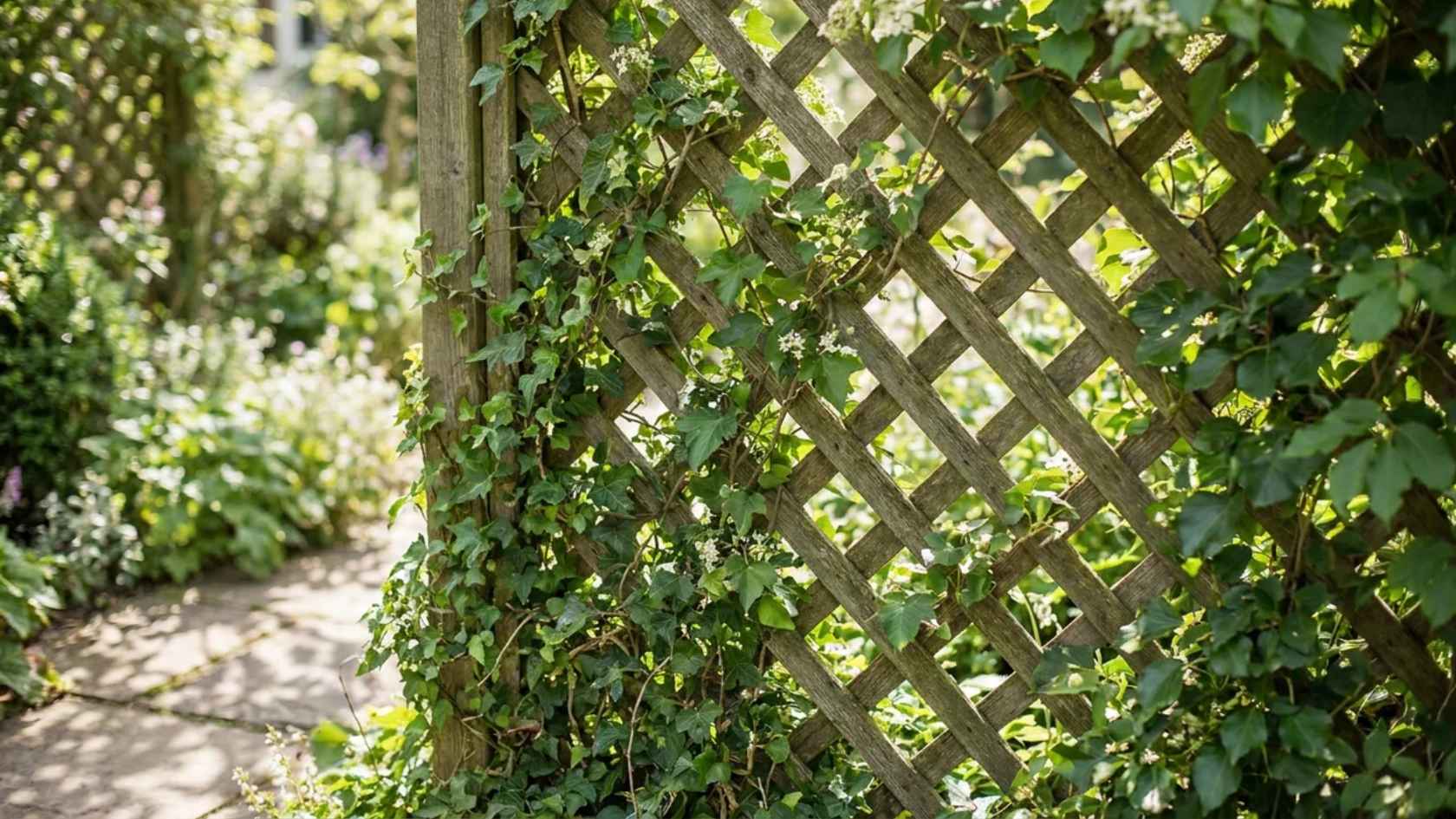
Wood lattice panels provide partial privacy while allowing airflow and sunlight to pass through. Pre-made panels are affordable and widely available at home improvement stores.
They are often used around patios, gardens, and outdoor seating areas. Climbing plants such as ivy or roses can naturally increase coverage over time.
Estimated Cost: $4–$10 per linear foot
6. Rough-Cut Lumber Fence
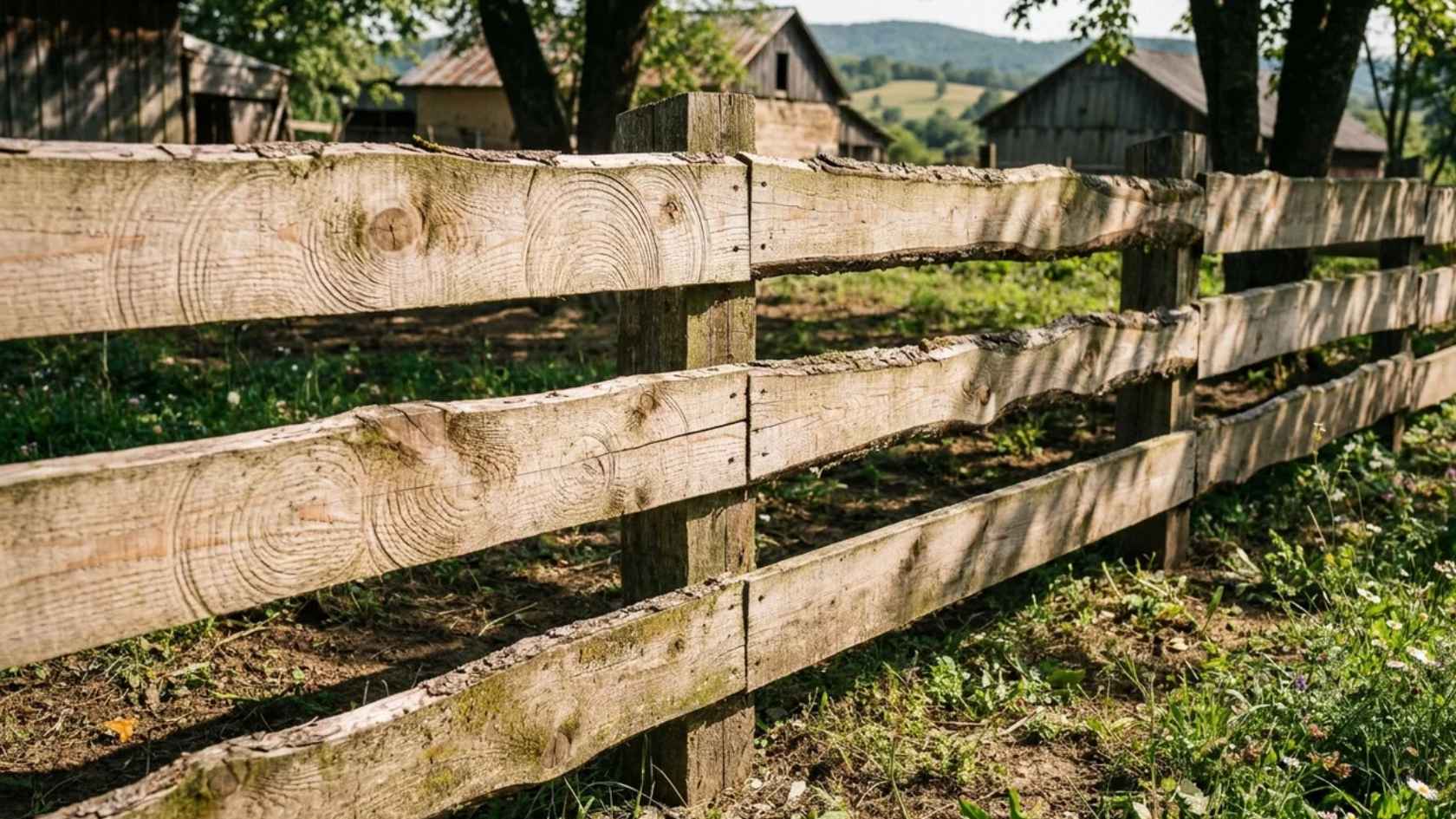
Buying rough-cut lumber directly from a local sawmill can significantly reduce fencing costs. The unfinished boards create a rustic appearance that works well in rural and natural landscapes.
Because rough-cut wood contains more moisture than finished lumber, sealing it soon after installation helps prevent warping, cracking, and weather-related damage.
Estimated Cost: $4–$8 per linear foot
7. Stake and Wire Garden Fence
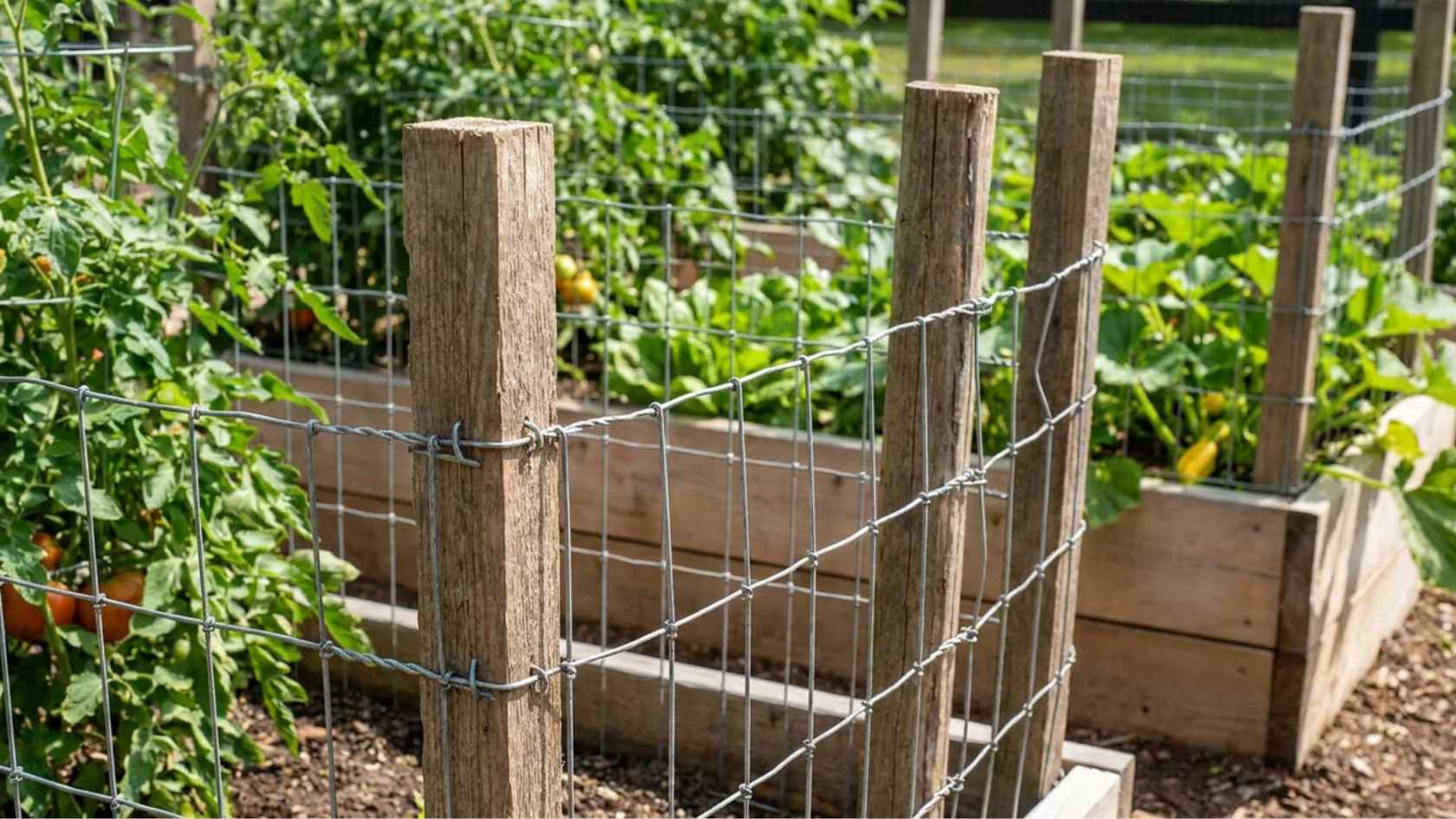
A stake-and-wire fence is one of the most affordable ways to protect gardens and planting areas. Simple wooden stakes support wire mesh or fencing to help keep rabbits, deer, and other animals away from vegetables and flowers.
Installation requires minimal tools and materials, making it ideal for budget-conscious gardeners.
Estimated Cost: Under $1 per linear foot
8. Wooden Board-on-Board Fence
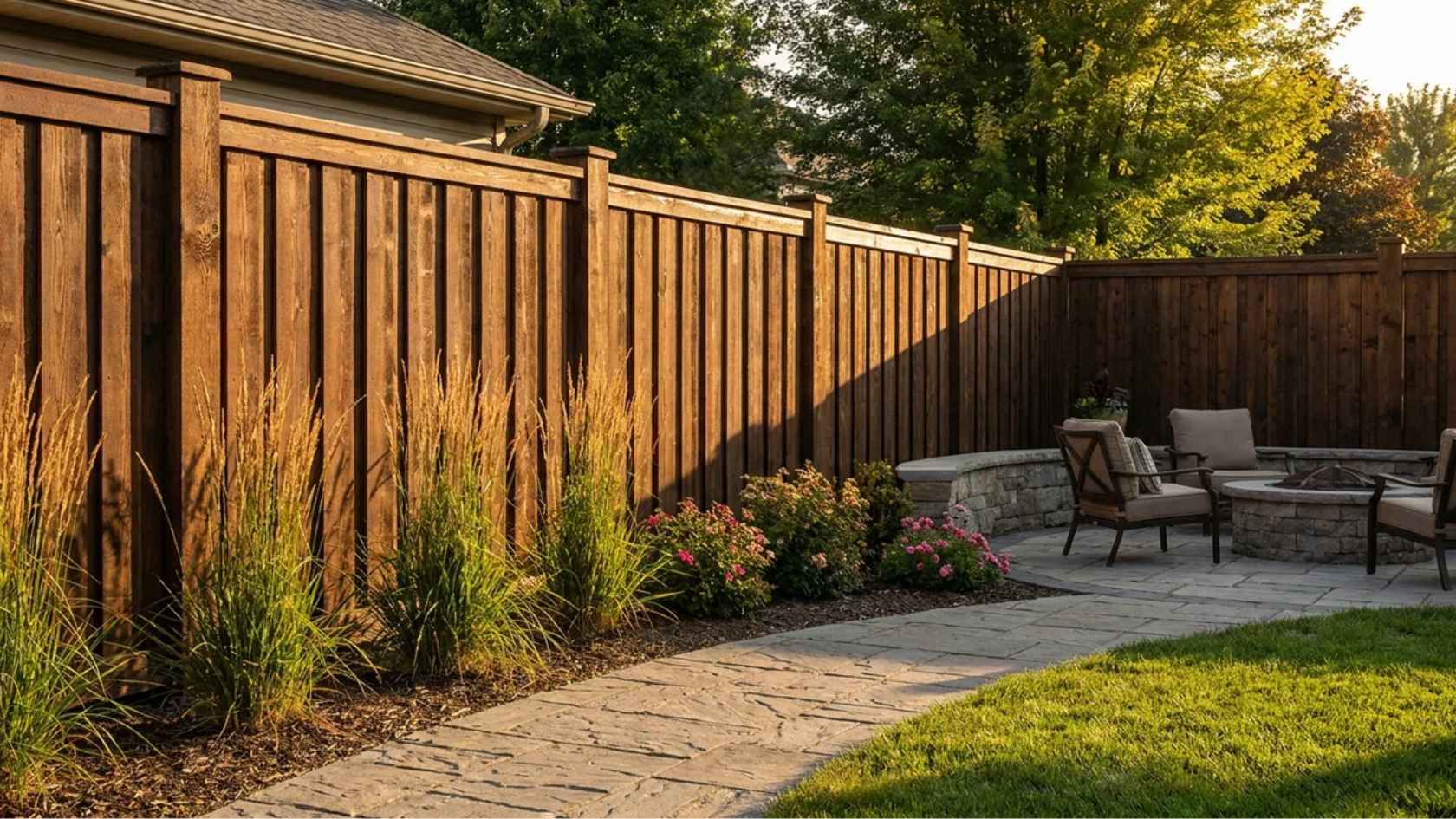
Board-on-board fencing uses overlapping wooden boards to eliminate visibility gaps and create complete privacy. While it requires slightly more lumber than standard panel fencing, the design delivers a high-end appearance without needing additional posts or specialty materials.
Carefully staggering the boards helps create a clean, professional-looking finish while controlling costs.
Estimated Cost: $10–$18 per linear foot
Homeowners who want full coverage without hiring out can build a privacy fence on a budget using pine pickets and a few basic tools over a weekend.
Upcycled and Repurposed Fence Ideas
Upcycled fences can add personality to your yard while keeping material costs low. By reusing items that might otherwise be discarded, you can create a fence that feels unique, practical, and environmentally friendly.
8. Old Door Fence

An old door fence turns salvaged interior or exterior doors into a one-of-a-kind privacy screen. Doors can often be found on Facebook Marketplace, Craigslist, at salvage yards, or through renovation projects.
The different panel styles add character, while matching heights help create a more organized and polished appearance.
Estimated cost: $50–$300
9. Reclaimed Wood Fence
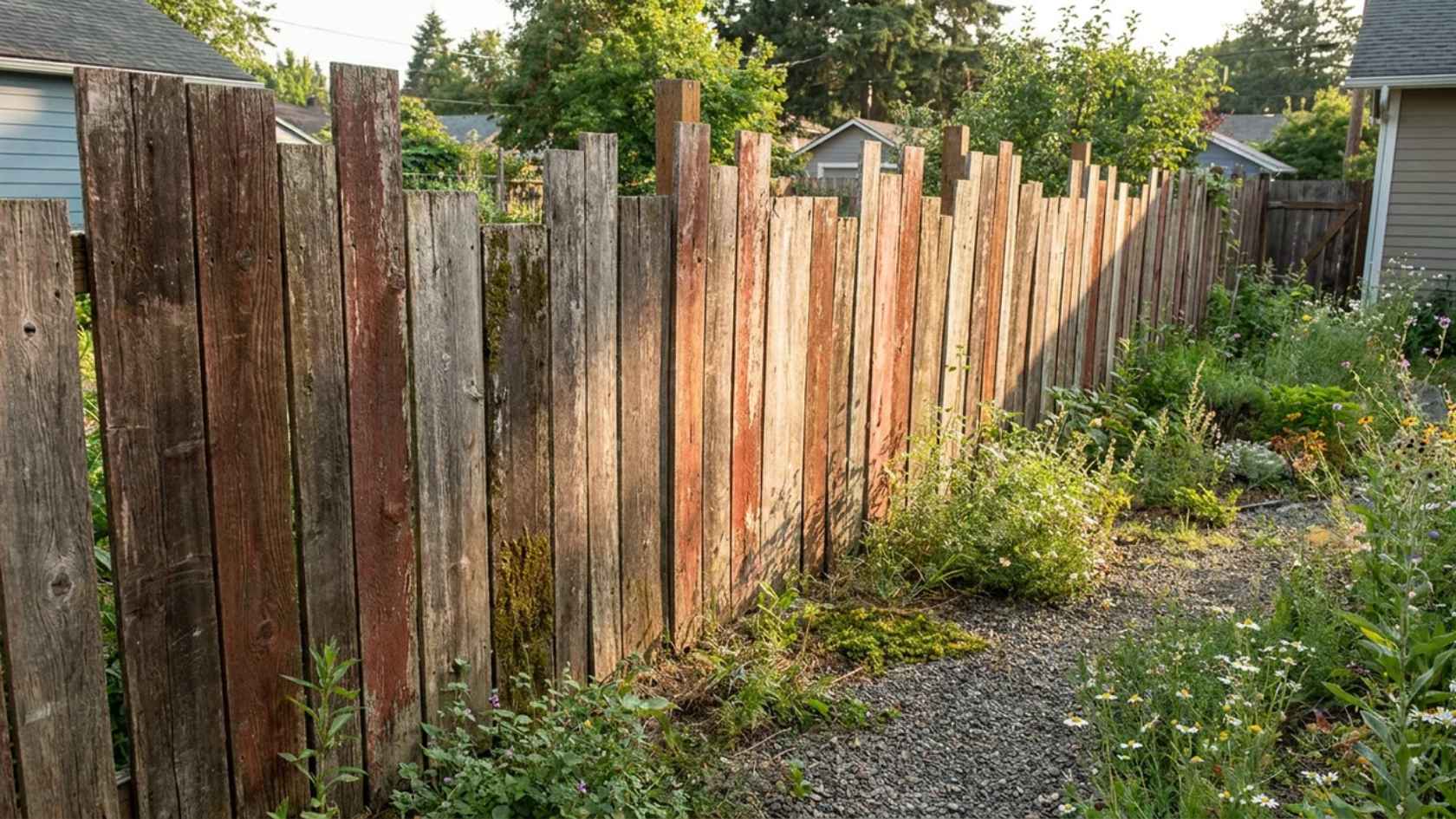
A reclaimed wood fence uses salvaged barn wood, old decking boards, shipping crates, or leftover construction materials.
Each board brings its own texture and history, creating a rustic look that stands out from standard fencing. This option can significantly reduce material costs while giving the yard a distinctive appearance.
Estimated cost: $0–$250
10. Wine Barrel Stave Fence

Wine barrel staves have a naturally curved shape that can be arranged into decorative fence panels. The aged wood adds warmth and character, making this design a good fit for gardens, patios, and outdoor entertaining spaces.
Local wineries sometimes offer damaged barrels at low cost or even free.
Estimated cost: $50–$200
11. Bicycle Wheel Fence
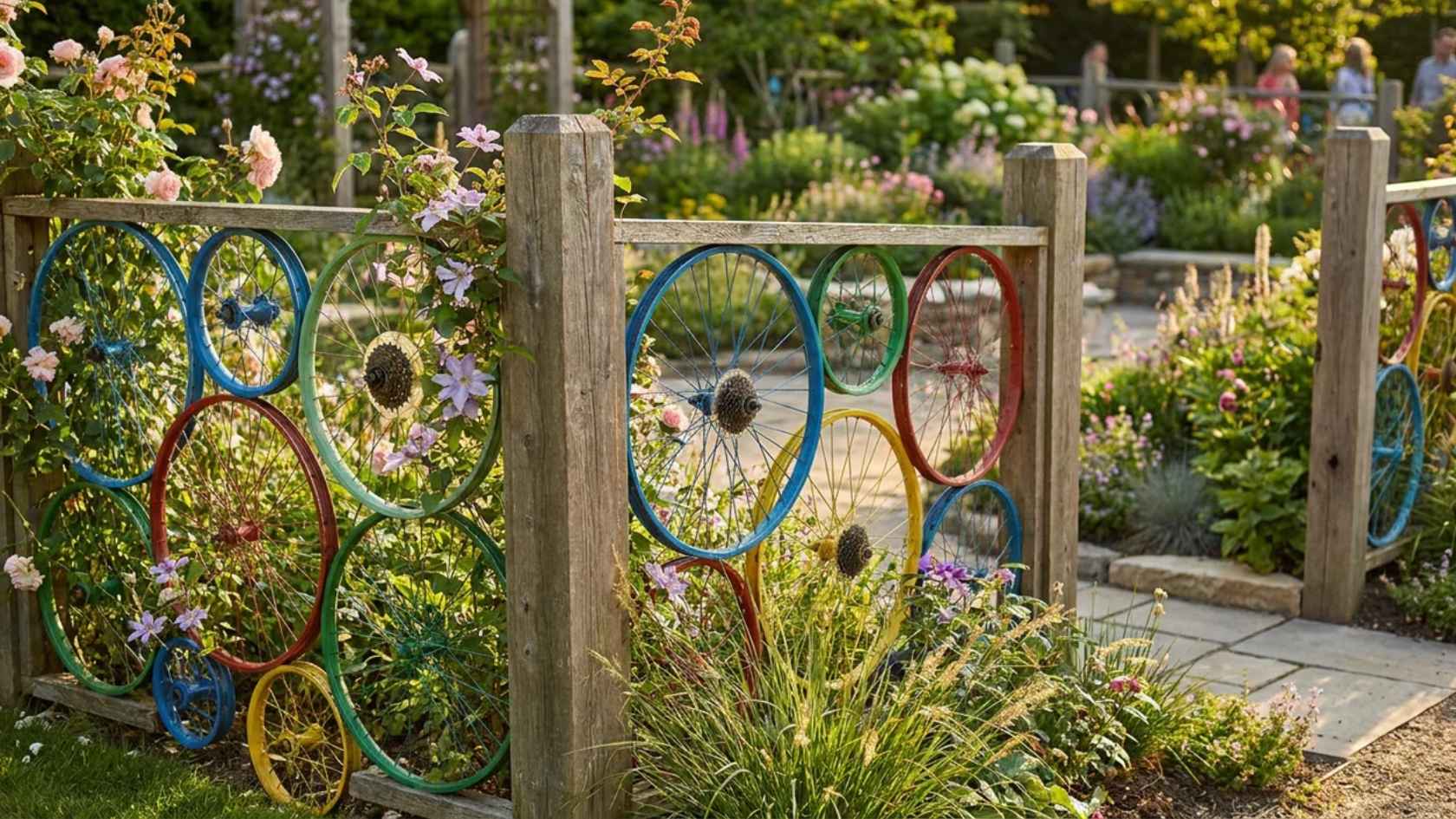
A bicycle wheel fence transforms old bike parts into an eye-catching garden feature. Wheels can be attached to wooden or metal posts using brackets, zip ties, or welding methods.
This design works best as a decorative border around flower beds, pathways, or small garden sections rather than full-property fencing.
Estimated cost: $20–$150
12. Tin Can Garden Border Fence
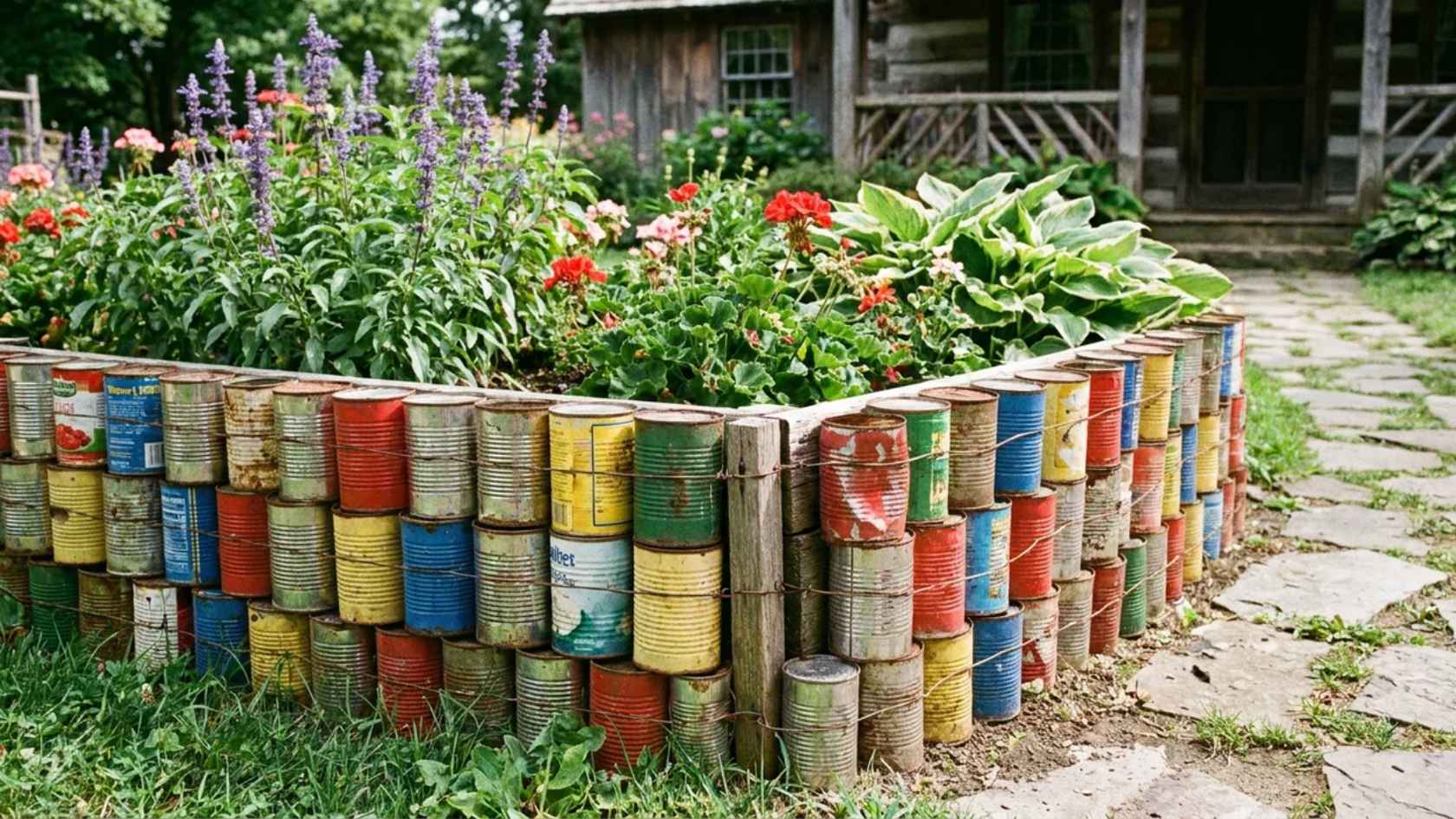
A tin can garden border fence is a simple project that reuses empty cans as a decorative edge around planting beds.
The cans can be painted in matching colors for a cleaner appearance or left with a weathered finish for a rustic look. It is an easy option for beginner DIYers.
Estimated cost: $0–$50
13. Pallet Wood Fence

A pallet wood fence is one of the cheapest fencing projects available because many businesses give away used pallets for free. The boards can be disassembled and arranged vertically, horizontally, or in custom patterns to create a rustic boundary.
This option works well for backyard gardens, pet areas, and decorative property borders. Before installation, inspect pallets for damage and avoid those marked with chemical treatment stamps.
Estimated Cost: $0–$5 per linear foot
Living Fence and Plant-Based Ideas
Living fences use plants instead of traditional fence materials to create privacy and define outdoor spaces. These options can improve curb appeal, support wildlife, and often become more attractive as they mature.
14. Hedgerow Privacy Fence

A hedgerow privacy fence uses dense shrubs such as arborvitae, privet, or boxwood to create a natural barrier. Unlike traditional fencing, it becomes thicker and taller over time while blending into the landscape.
This option works well for homeowners who prefer a softer, greener look around their property.
Estimated cost: $100–$500
15. Ornamental Grass Privacy Screen
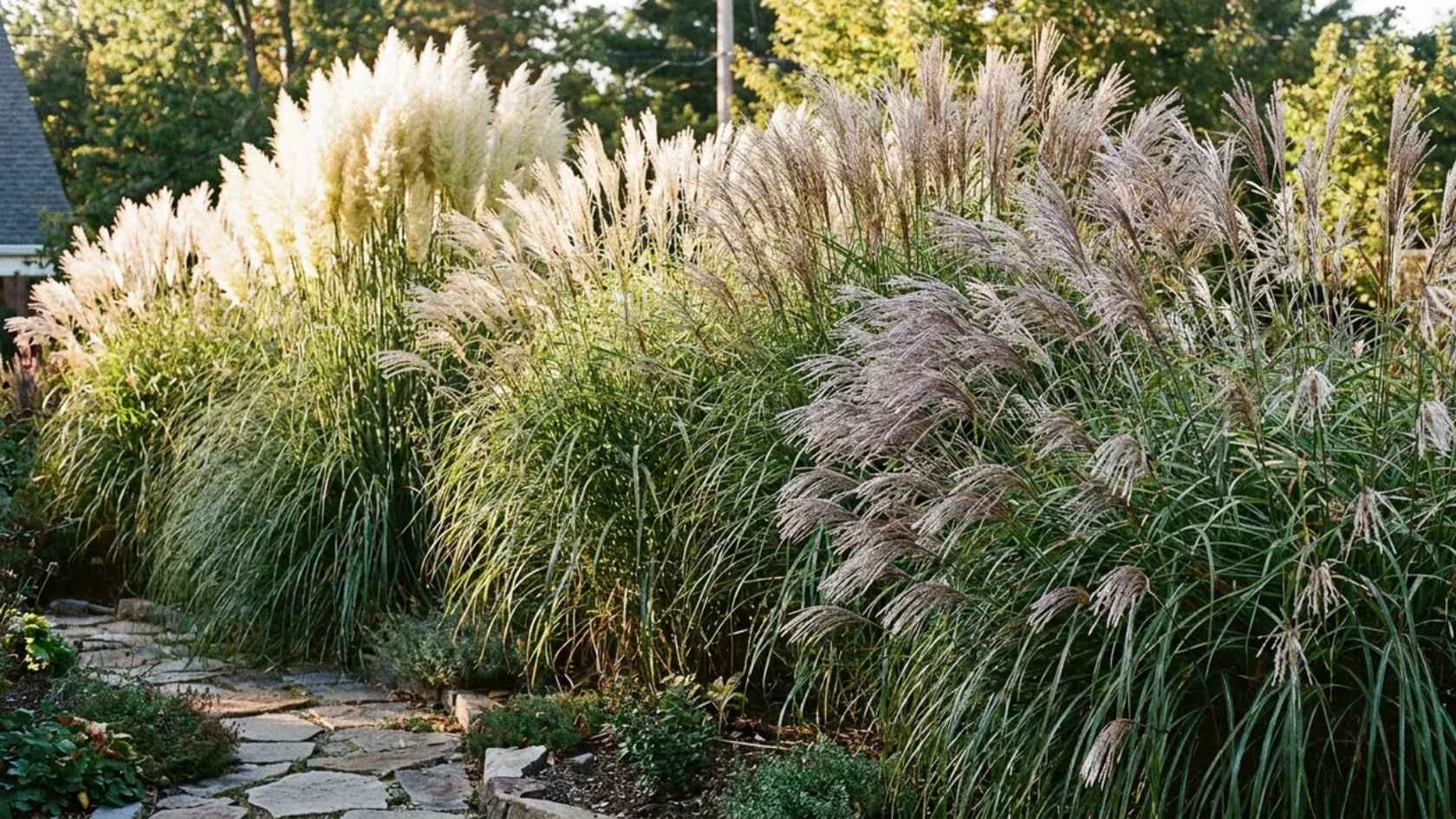
An ornamental grass privacy screen uses tall varieties such as pampas grass, miscanthus, or maiden grass to create a natural boundary.
These grasses can reach 6 to 8 feet tall and form a dense screen when planted in rows. Once established, they require very little maintenance and add movement, texture, and year-round interest to the landscape.
Estimated cost: $50–$300
16. Climbing Vine Trellis Fence

A climbing-vine trellis fence starts with a simple wooden or wire structure that supports fast-growing plants. Popular choices include honeysuckle, jasmine, and wisteria.
As the vines mature, they cover the framework, creating a natural privacy screen that adds color, fragrance, and texture to the yard.
Estimated cost: $50–$300
17. Raised Planter Box Fence
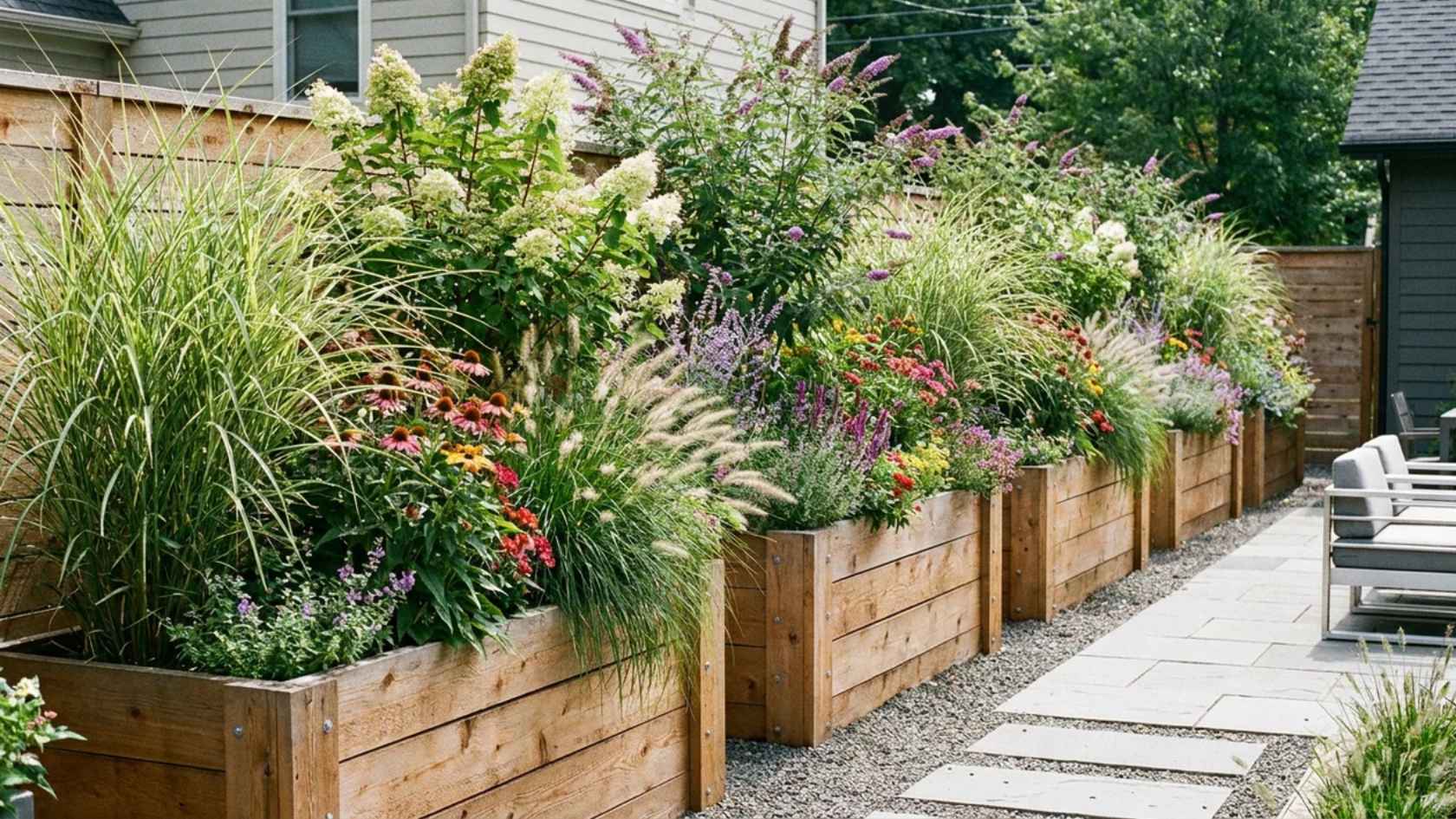
A raised planter box fence combines gardening and privacy into a single project. Planter boxes placed along property lines can hold flowers, herbs, shrubs, or ornamental grasses.
This design works especially well in smaller yards where every feature needs to serve multiple purposes.
Estimated cost: $100–$500
18. Cornstalk or Sunflower Row
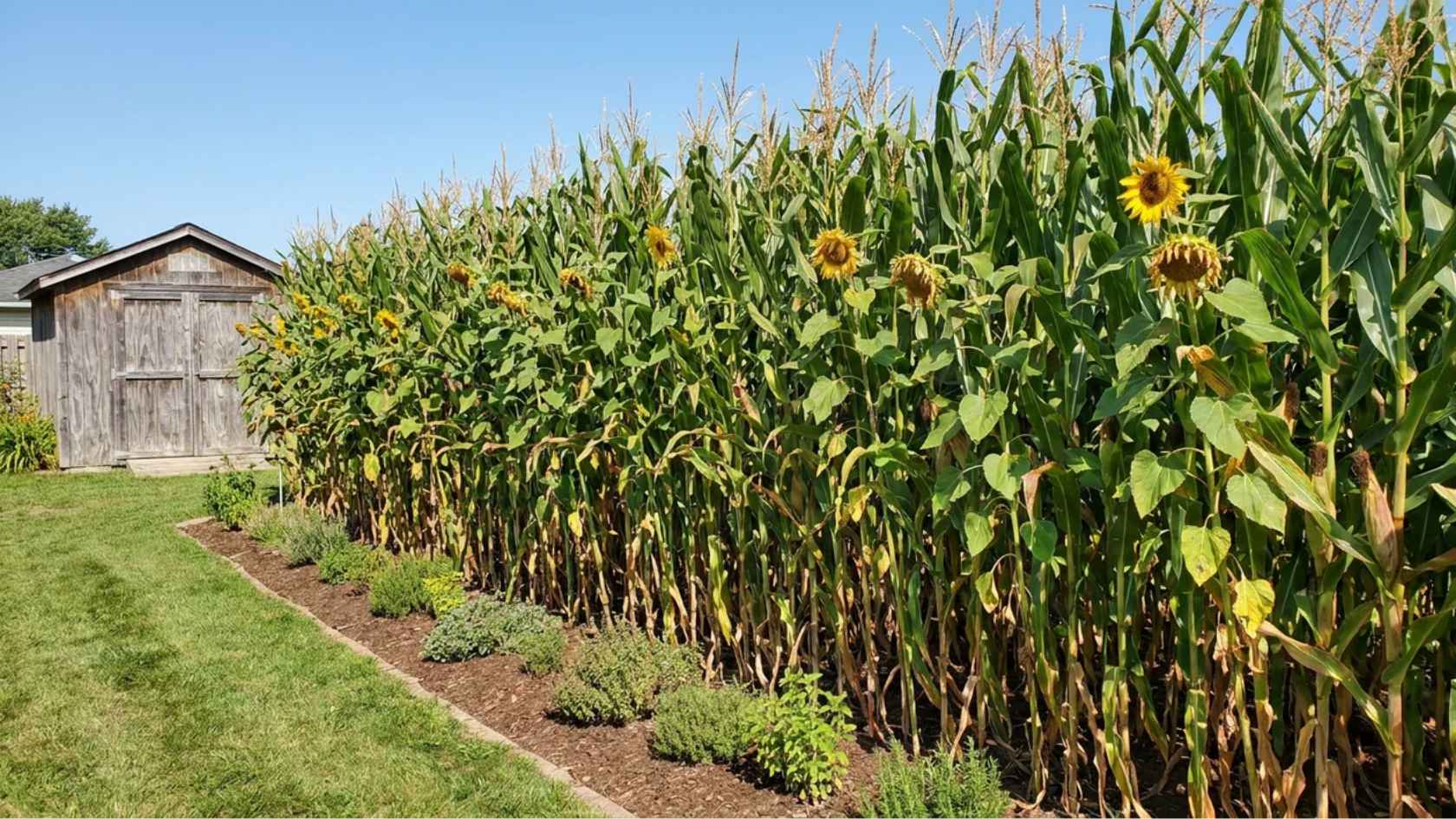
A cornstalk or sunflower row creates a seasonal living fence using tall-growing plants. While not permanent, it can provide privacy during the warmer months and add visual interest to the landscape.
This option is easy to start and works well for gardens, patios, and temporary screening needs.
Estimated cost: $5–$30
Budget Privacy and Modern Fence Ideas
If you want a fence that offers privacy, structure, or a modern appearance without a premium price tag, these ideas combine affordable materials with practical designs. Many can be completed as DIY projects while still delivering a clean and attractive finish.
19. Cinder Block Low Fence
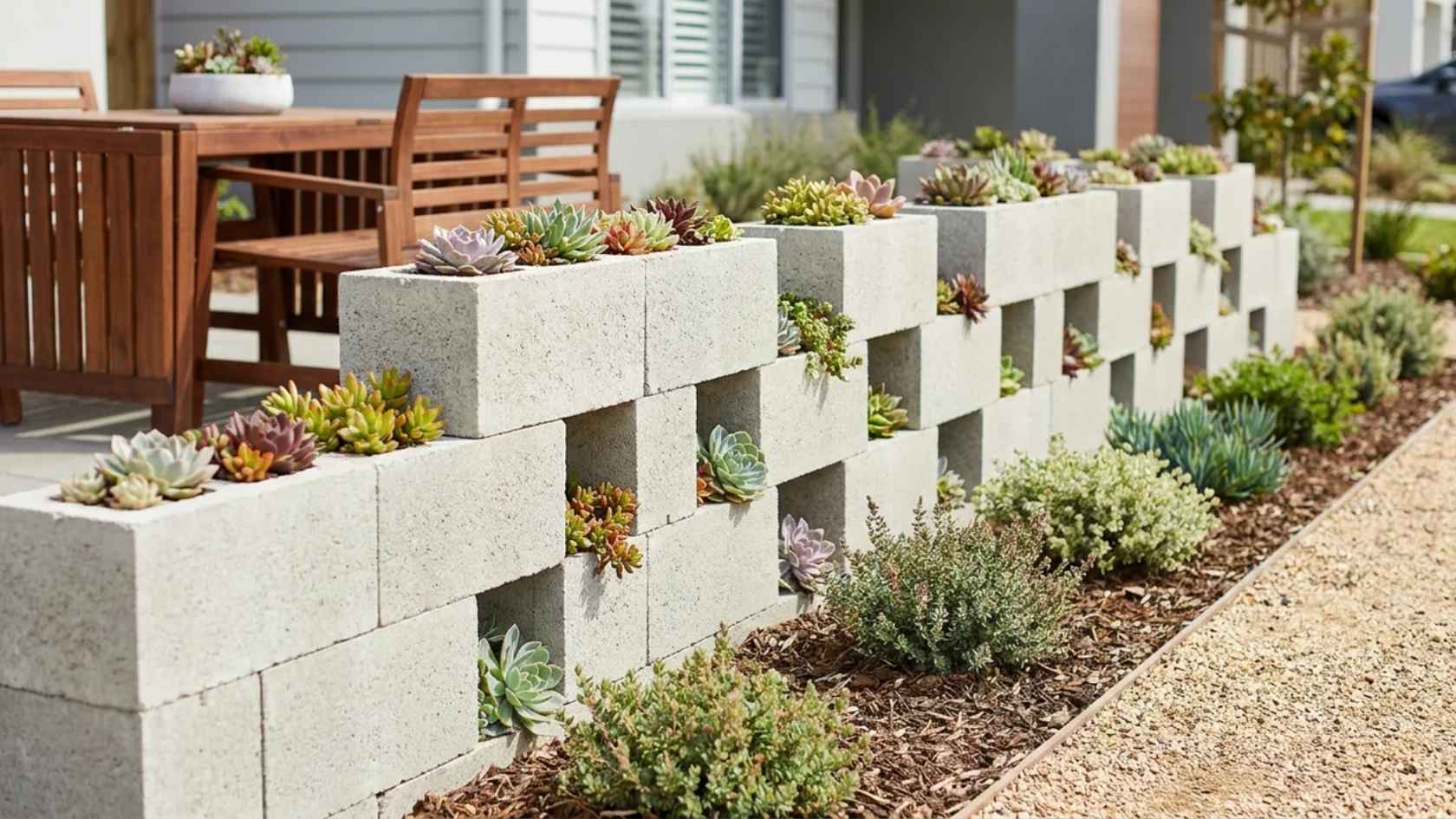
A low cinder block fence creates a sturdy border by stacking inexpensive masonry blocks into a decorative wall. Since short walls often do not require mortar, installation is simple and beginner-friendly.
The hollow centers can double as planters for succulents, herbs, or small flowers, adding extra visual interest without increasing costs.
Estimated Cost: Approximately $1.50 per block
20. Concrete Footing + Wood Privacy Fence

This fence combines standard wood panels with posts secured in quick-dry concrete for long-lasting stability. Installing the fence yourself helps reduce labor expenses while still creating a solid privacy barrier.
It works well for backyards, side yards, and property lines where durability and privacy are both priorities.
Estimated Cost: $10–$20 per linear foot
21. Shadowbox Fence

A shadowbox fence uses alternating boards on opposite sides of the rails to create privacy while allowing airflow between the gaps.
This design requires less wood than some solid privacy fences and performs particularly well in windy locations. The finished appearance looks attractive from both sides, making it a neighbor-friendly option.
Estimated Cost: $12–$20 per linear foot
22. Louvered Fence Panel

Louvered fence panels feature angled slats that block direct views while still allowing air circulation. The design creates a modern look often seen in contemporary outdoor spaces.
Pre-made panels simplify installation, and combining them with a basic two-rail frame can help reduce overall project costs while maintaining a polished appearance.
Estimated Cost: $15–$30 per linear foot
23. Brushwood or Reed Screen Fence
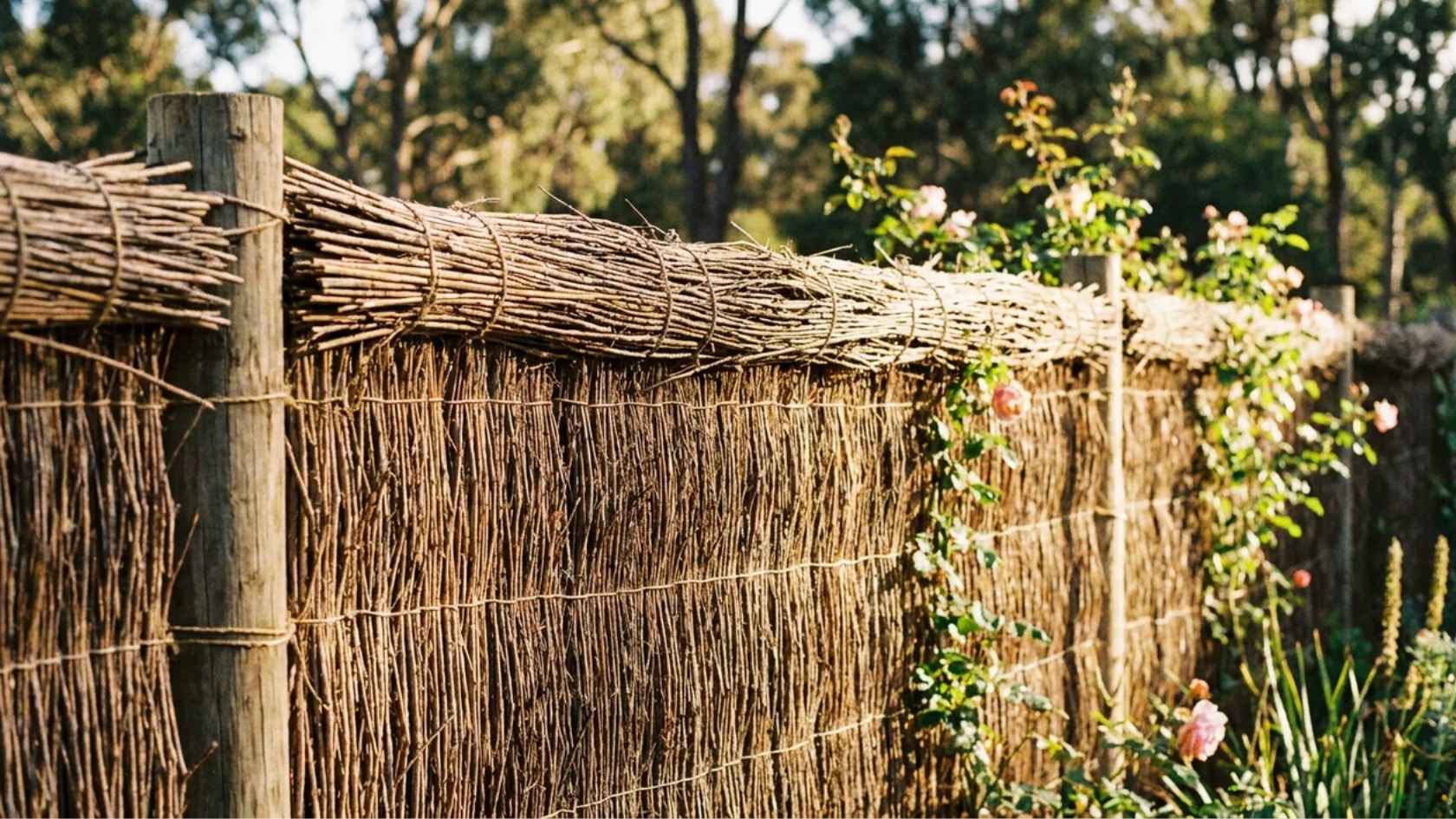
Brushwood and reed screen fences use tightly bundled natural materials to create a lightweight privacy barrier. The panels can be attached directly to chain-link fencing or mounted on simple posts.
Their natural texture works especially well in garden settings, patios, and outdoor seating areas where a softer appearance is preferred.
Estimated Cost: $2–$4 per linear foot
24. Gabion Basket Fence
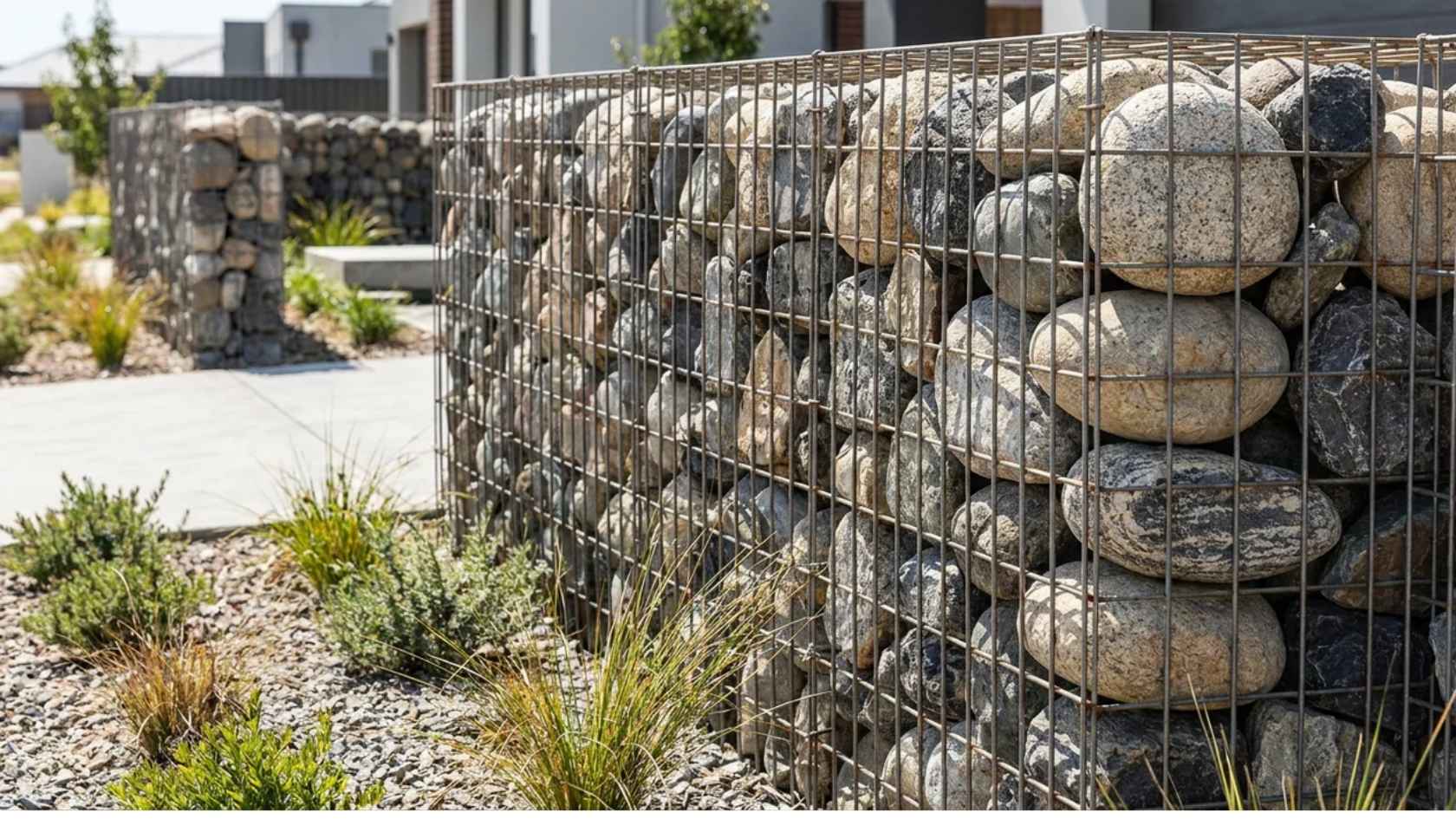
A gabion fence consists of wire cages filled with rocks, stones, or other durable materials. This modern fencing option requires very little maintenance and provides a strong visual boundary.
Homeowners can lower costs by sourcing stones locally, and even a single row of gabion baskets creates a substantial and attractive barrier.
Estimated Cost: $10–$35 per linear foot
25. Snow Fence or Polypropylene Mesh Fence

Snow fencing and polypropylene mesh fencing are among the least expensive fencing solutions available. The lightweight mesh attaches to metal stakes and works well for temporary boundaries, seasonal gardens, construction areas, or pet containment.
Installation is quick, materials are inexpensive, and sections can easily be moved when needed.
Estimated Cost: Under $0.50 per linear foot
26. Chain-Link Fence with Privacy Slats

A chain-link fence becomes much more attractive and private when fitted with inexpensive privacy slats. The existing fence structure remains in place, which significantly lowers installation costs compared to replacing the entire fence.
Privacy slats come in various colors and materials, allowing homeowners to improve appearance while increasing privacy. This is often one of the most cost-effective upgrades for older fencing.
Estimated Cost: $5–$12 per linear foot
Metal and Wire Fence Ideas
Metal and wire fences are popular because they are durable, affordable, and easy to install. These fencing options work well for gardens, pets, livestock, and property boundaries while requiring less material than traditional wood privacy fences.
27. Hog Wire Panel Fence

A hog wire panel fence combines heavy-duty wire mesh panels with simple wooden posts to create a strong and attractive boundary.
The open design keeps costs low while maintaining visibility throughout the yard. Its clean, industrial appearance works well in modern landscapes, and climbing plants can be added later for extra privacy and greenery.
Estimated Cost: $3–$6 per linear foot
28. T-Post and Wire Fence
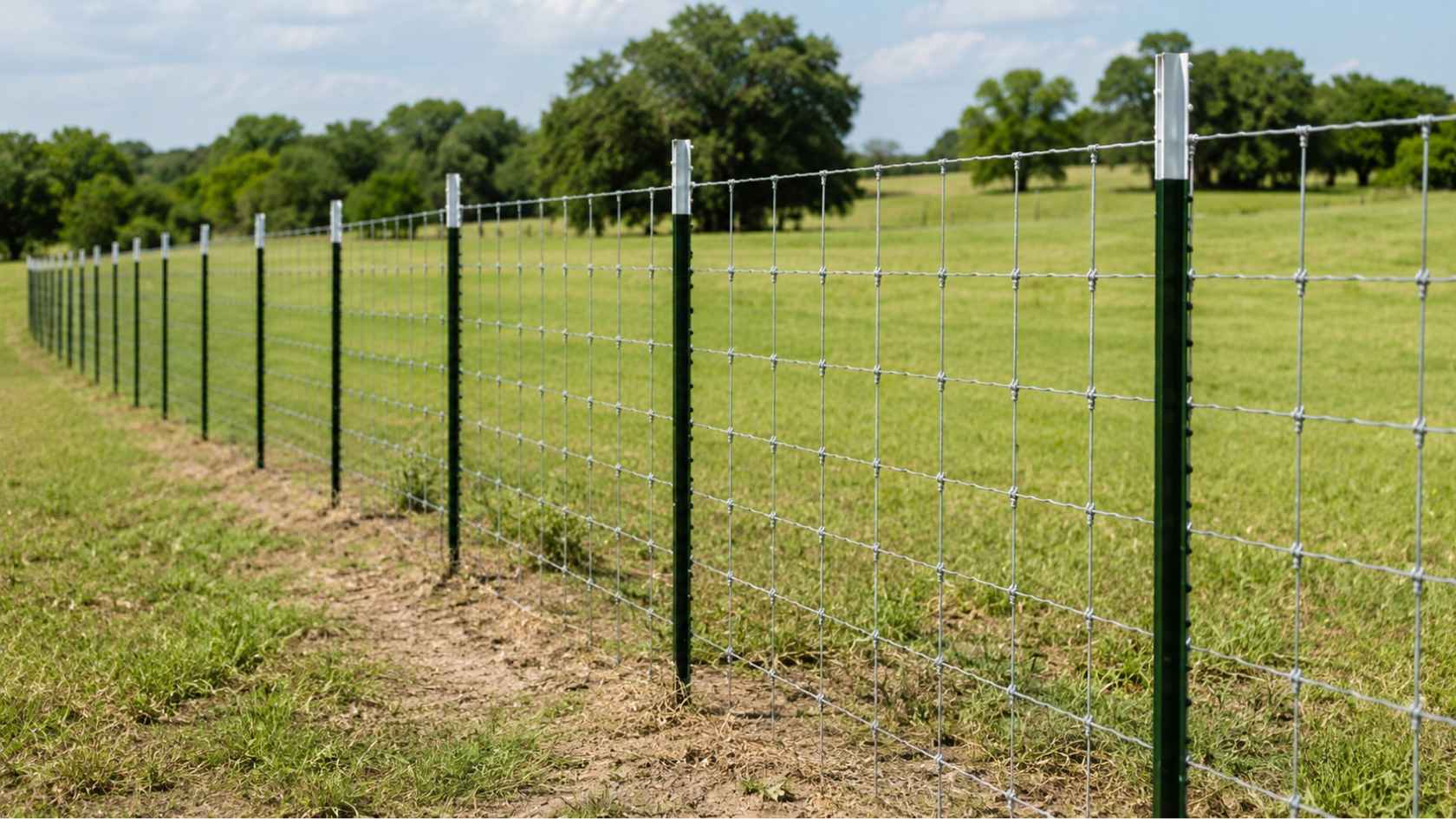
A T-post and wire fence is one of the quickest and most affordable fencing options available. Metal T-posts are driven directly into the ground and paired with welded wire or barbed wire to create a functional barrier.
This design is especially useful for large properties, farms, and rural settings where covering long distances economically is important.
Estimated Cost: $1–$4 per linear foot
29. Cattle Panel Fence
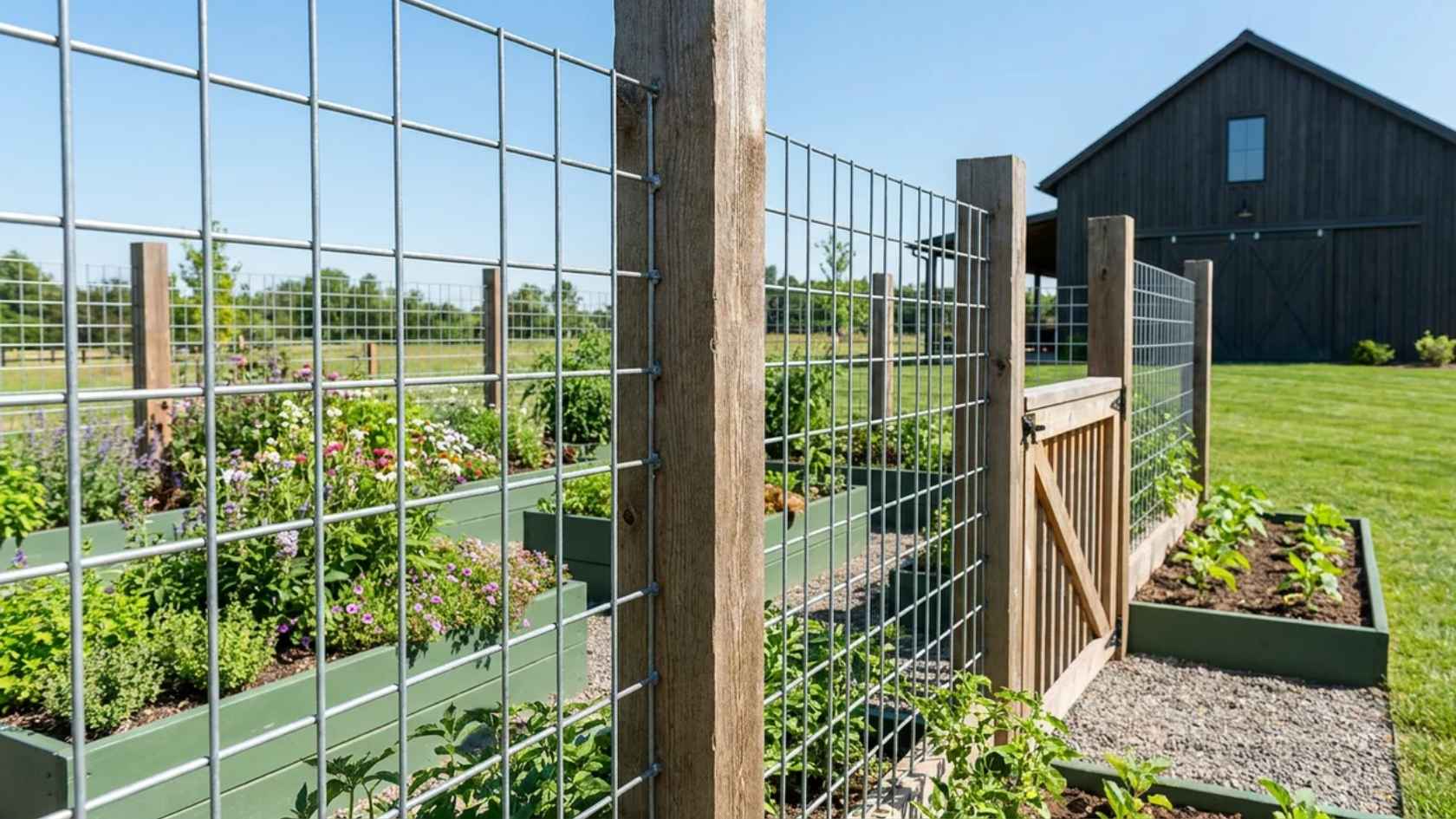
Cattle panel fencing uses galvanized steel panels designed for strength and long-term durability. It works well for containing animals, protecting gardens, or defining outdoor spaces.
The panels can also be bent into arches to create decorative garden tunnels and entryways. Buying multiple panels at once often helps reduce the overall cost per section.
Estimated Cost: $2–$5 per linear foot
Note: Front yard fences are typically limited to 3–4 feet across most US municipalities, while backyard fences are commonly capped at 6 feet. Rules vary by city, county, and HOA guidelines. Always check with your local zoning department before building.
How to Cut Fence Costs Even Further
Even the most affordable fence can become cheaper with smart planning and purchasing decisions. These simple strategies can help lower material costs, reduce labor expenses, and keep your fencing project within budget.
- Buy Materials in Bulk: Many home improvement stores offer discounts on large orders, helping reduce the cost per board, panel, or post.
- DIY vs. Hiring a Contractor: Simple fence designs are often suitable for DIY installation, while complex layouts may warrant professional labor.
- Shop Salvage Yards and Facebook Marketplace: Used fencing materials, lumber, gates, and posts can often be found at a fraction of retail prices.
- Use Standard Panel Sizes: Choosing standard fence dimensions avoids custom cuts and special orders that can quickly increase project costs.
- Rent Tools Instead of Buying: Renting equipment such as post-hole diggers, augers, and compactors is often far cheaper than purchasing them.
A little extra planning before you start can make a significant difference in your overall budget. Saving money often comes down to doing more of the work yourself.
If you’re planning to build your own fence, these backyard fence projects you can build yourself can help you find a design that matches your space, budget, and skill level.
When to Get a Permit Before Building a Fence
Before installing a new fence, it is important to check local regulations and permit requirements.
Many cities and counties require a permit for fences taller than 6 feet, while some areas have additional rules based on location, property lines, or zoning restrictions.
If you live in a neighborhood governed by a homeowners association (HOA), there may also be guidelines regarding fence height, materials, colors, and placement.
Reviewing these requirements before purchasing materials can help you avoid costly changes later. For official information, visit USA.gov’s Home Repair Permits page or your local zoning department’s website.
As an added safety step, contact 811 (Call811.com) before digging post holes. Utility companies will mark underground lines to help prevent accidents, service disruptions, and expensive repairs.
Final Thoughts
Building a cheap fence does not mean settling for something that looks cheap. From split rail wood to gabion baskets, hog wire to living hedgerows, there is a budget-friendly option for every yard, every style, and every need.
The key is simple: plan before you buy, match the material to your purpose, and do as much yourself as possible.
Even a $200 DIY fence can completely transform how your yard looks and functions.
You do not need a big budget, just the right idea.
Frequently Asked Questions
Can I Install a Cheap Fence Myself with No Prior Experience?
Yes. Most budget fence types, such as picket, bamboo roll, and stake-and-wire, require basic tools and beginner-level skills.
How Do I Keep a Cheap Fence Looking Good for Longer?
Regular sealing, cleaning, and tightening loose boards or posts can significantly extend any fence’s lifespan, regardless of the material’s cost.
Does a Cheap Fence Affect My Property’s Resale Value?
A well-maintained, clean fence, even an inexpensive one, can positively influence buyer perception and overall curb appeal.
What Is the Fastest, Cheapest Fence Option to Install in A Single Day?
T-post wire, bamboo roll, and snow mesh fences can realistically be installed across an average yard within one day.