

Choosing the right kitchen cabinet material plays a key role in the functionality and style of your space.
Cabinets are among the most used elements in the kitchen, and the material you select impacts not only durability but also maintenance and cost.
In this blog, you will find out the most widely used kitchen cabinet materials, highlighting their practical qualities, design impact, and performance.
If you’re planning a complete remodel or just updating cabinet fronts, understanding your options can help you make a wise, long-lasting decision that fits your needs and budget.
How Cabinet Material Impacts Kitchen Design and Durability
The material you choose for kitchen cabinets influences not only how the space looks but also how well it performs over time.
Cabinet materials play a vital role in defining the overall design language of a kitchen, whether you’re aiming for a contemporary, rustic, or minimalist style.
Here’s how the choice of material can influence key aspects of your kitchen:
-
Aesthetics: Certain materials, such as solid wood, offer a natural grain and warmth, while acrylic and laminate provide sleek, modern finishes.
-
Durability & Maintenance: Materials such as plywood and MDF resist warping and are easy to clean, whereas particleboard may not withstand moisture or heavy use as well.
-
Budget Considerations: Solid wood is generally more expensive, while options like melamine or thermofoil are cost-effective but may not last as long under heavy wear.
Common Types of Kitchen Cabinet Construction
Understanding cabinet construction is essential when selecting the right style and build for your kitchen. It impacts not only how your cabinets function but also how they fit into the layout, style, and budget of your project.
Framed vs. Frameless Cabinets
-
Framed Cabinets have a face frame attached to the front of the cabinet box, providing added strength and a more traditional appearance. Doors attach to the frame, and this style is typical in American kitchens.
-
Frameless Cabinets (also known as full-access) eliminate the face frame, offering a more modern and streamlined look. They offer slightly more storage space and are commonly featured in European-style designs.
Stock, Semi-Custom, and Custom Cabinetry
-
Stock Cabinets are pre-manufactured in standard sizes and finishes. They’re the most affordable and can be obtained quickly.
-
Semi-custom cabinets allow for limited modifications in sizing, materials, and finishes, offering more flexibility while remaining budget-conscious.
-
Custom Cabinets are made to order, allowing for complete control over dimensions, finishes, and configurations. They’re ideal for unique layouts or design visions.
Importance of Core Materials and Surface Finishes
-
The core material (such as plywood, MDF, or particleboard) determines the cabinet’s strength and its ability to withstand daily use, as well as moisture and temperature changes.
-
Surface finishes, such as laminate, veneer, or paint, affect both appearance and ease of cleaning. A durable finish protects the cabinet and contributes to a polished final look.
Comparing Popular Cabinet Materials
The material you choose for your kitchen cabinets affects not only appearance but also performance, cost, and upkeep.
From classic solid wood to sleek acrylic, each type offers distinct benefits and trade-offs. Below is a comparison of ten commonly used cabinet materials, including their strengths, drawbacks, and best applications.
1. Solid Wood
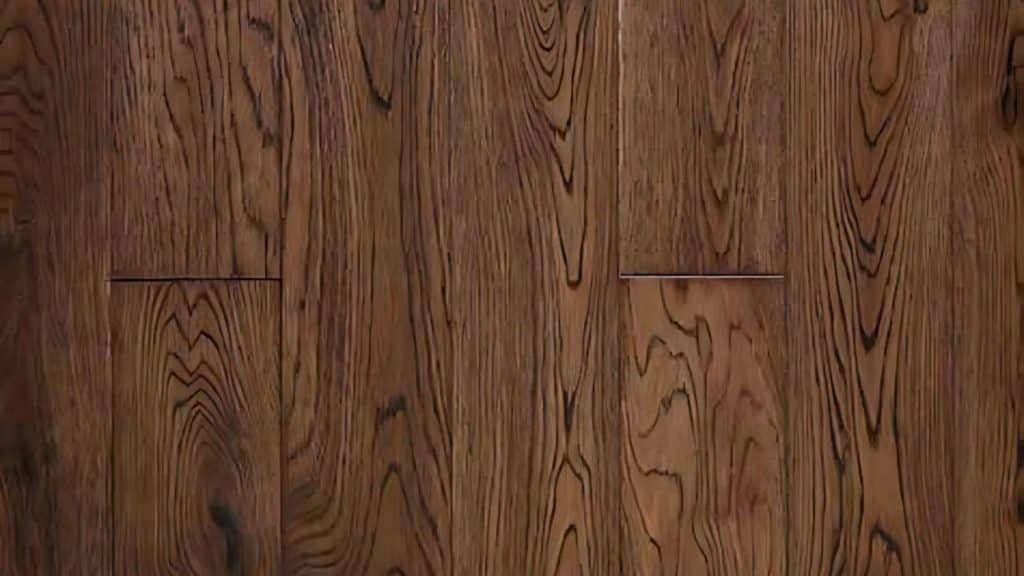
Solid wood is often considered the gold standard for kitchen cabinets. It offers unmatched natural beauty and unique wood grain patterns that engineered materials can’t replicate.
Popular wood choices include oak, maple, cherry, and birch.
-
Pros: Naturally strong, repairable by sanding or refinishing, and can be stained or painted in various shades.
-
Cons: More expensive than engineered options; susceptible to warping or expansion due to changes in humidity if not properly sealed.
-
Ideal Use: Perfect for traditional, rustic, farmhouse, or craftsman-style kitchens where character and warmth matter.
2. Plywood
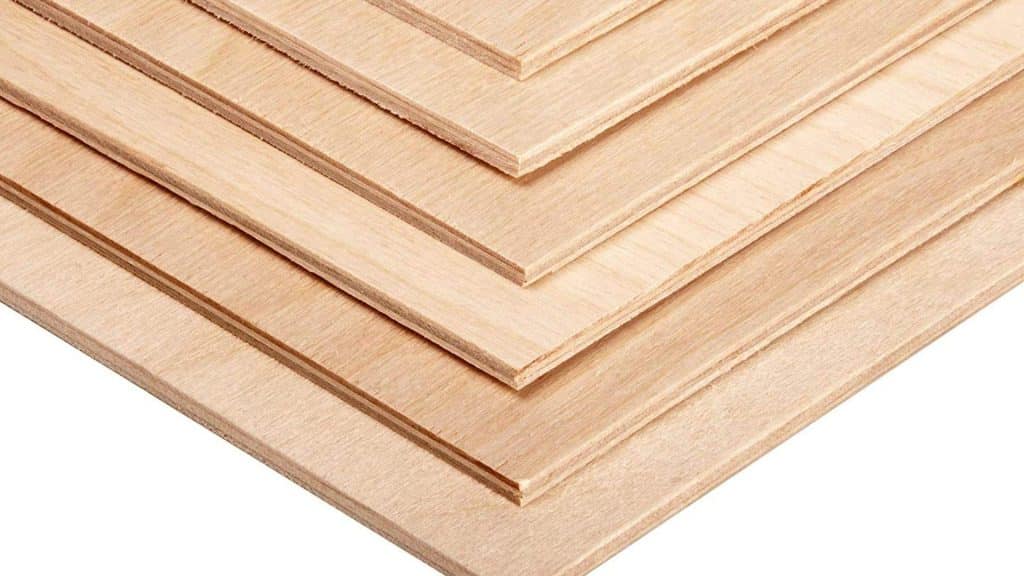
Plywood cabinets are built from multiple layers of thin wood veneer glued together, making them strong yet lighter than solid wood. Plywood’s cross-grain construction reduces expansion and contraction.
-
Pros: Strong and stable, holds screws well, lightweight compared to MDF, and moisture-resistant when properly sealed.
-
Cons: Higher cost than MDF and particleboard; visible edges require edge banding for a finished look.
-
Ideal Use: Perfect for cabinet boxes and interiors that require daily use, especially in busy family kitchens.
3. Medium-Density Fiberboard (MDF)
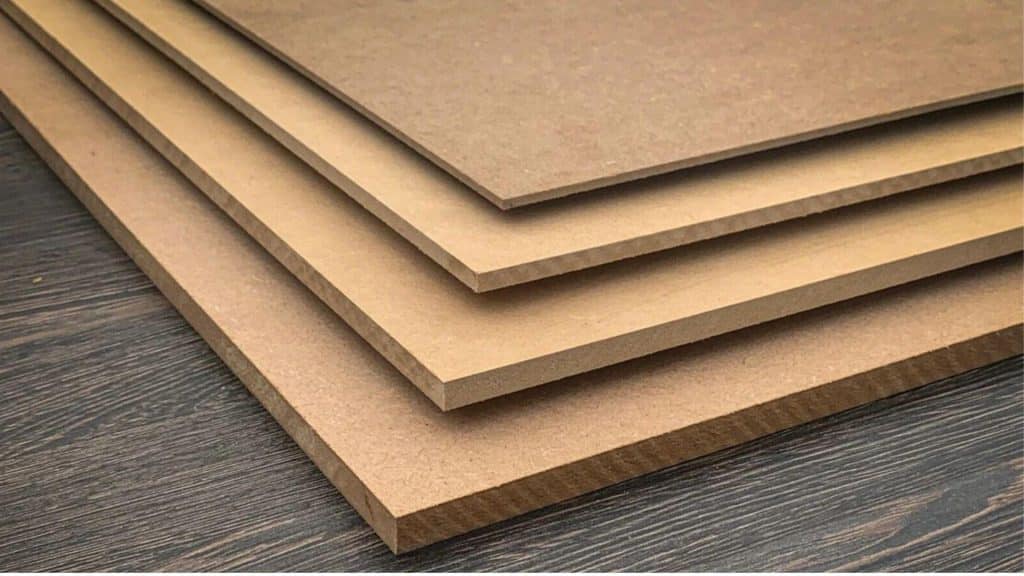
MDF is a dense, smooth engineered wood product made from wood fibers and resin. It has no natural grain, which makes it perfect for painted finishes.
-
Pros: Smooth, uniform surface ideal for crisp paint jobs; won’t crack along grain lines; cost-effective alternative to solid wood for painted doors.
-
Cons: Heavier than plywood; can swell or deteriorate if exposed to standing water; not suitable for high-moisture zones without proper sealing.
-
Ideal Use: Painted cabinet doors, shaker-style fronts, and decorative panels in contemporary or transitional kitchens.
4. Particleboard
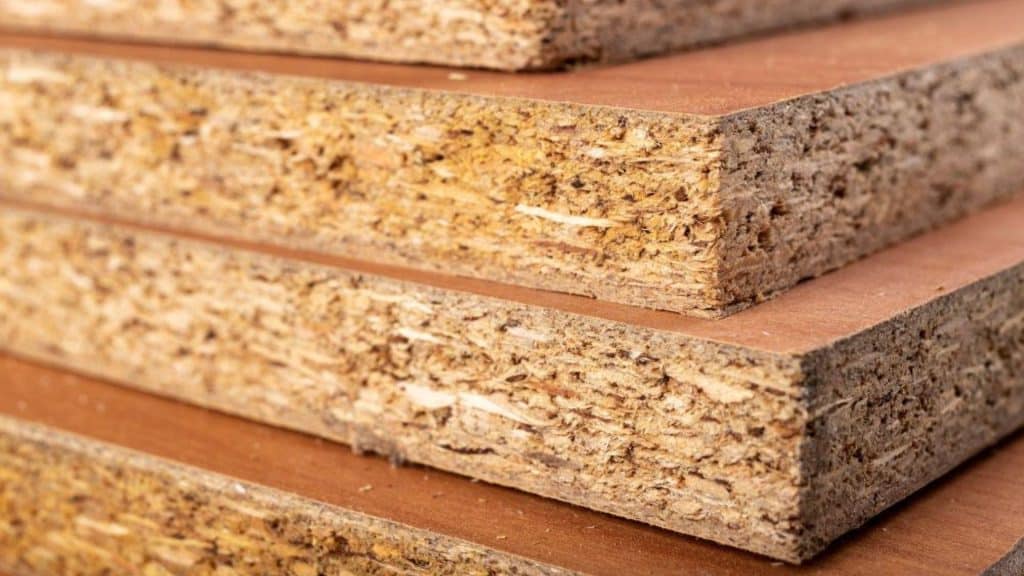
This material is made by compressing wood chips and resin into sheets. It’s widely used in budget-friendly cabinets and is usually covered with a laminate or veneer.
-
Pros: Lowest cost among wood-based materials; smooth surface for laminates and veneers; lightweight.
-
Cons: Less sturdy than plywood or MDF; easily damaged by water; poor screw-holding strength.
-
Ideal Use: Budget kitchen updates, rental units, or areas with low to moderate use.
5. Laminate
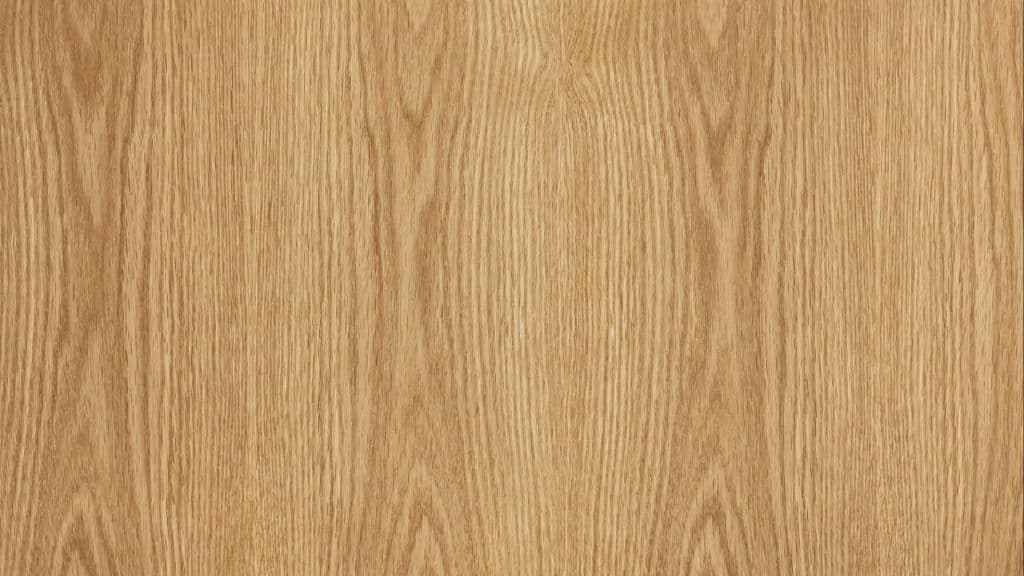
Laminate cabinets are made by applying a thin layer of plastic resin to a substrate like MDF or particleboard. High-pressure laminates (HPL) are more durable than low-pressure ones.
-
Pros: Offers a vast range of colors, textures, and patterns; easy to wipe clean; resistant to stains and scratches.
-
Cons: Edges may chip over time; can’t be refinished if damaged; seams may be visible.
-
Ideal Use: Contemporary kitchens that prioritize easy cleaning and a wide variety of finishes
6. Thermofoil
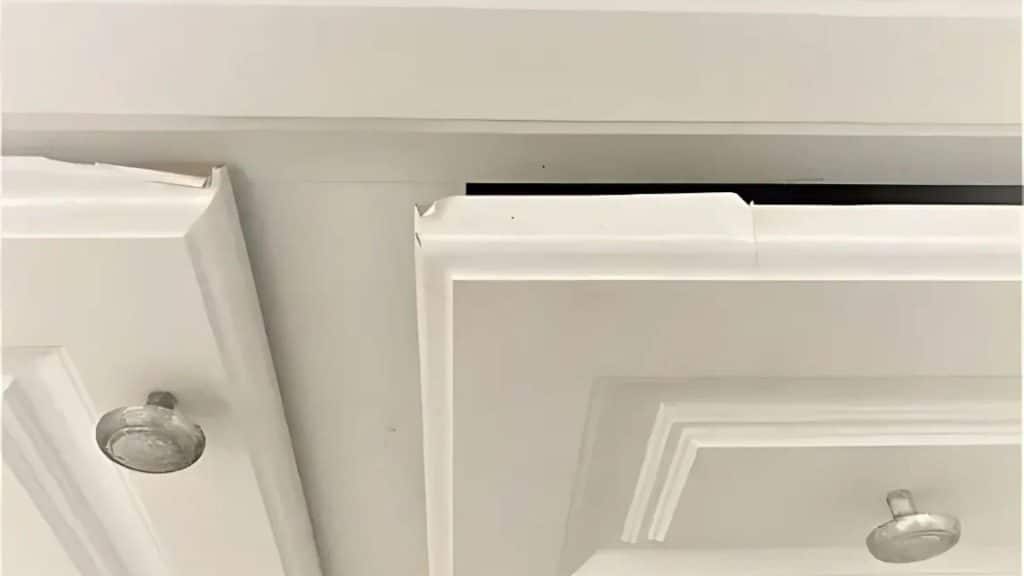
Thermofoil cabinets are made by heat-fusing a thin vinyl layer over shaped MDF doors. This creates a smooth, uniform surface that mimics painted wood.
-
Pros: Consistent finish without brush marks; affordable; simple to clean with mild soap and water.
-
Cons: Prone to peeling or discoloration if exposed to heat sources like ovens or dishwashers; difficult to repair if the film lifts.
-
Ideal Use: Budget-friendly kitchens where a seamless, clean look is desired.
7. Stainless Steel
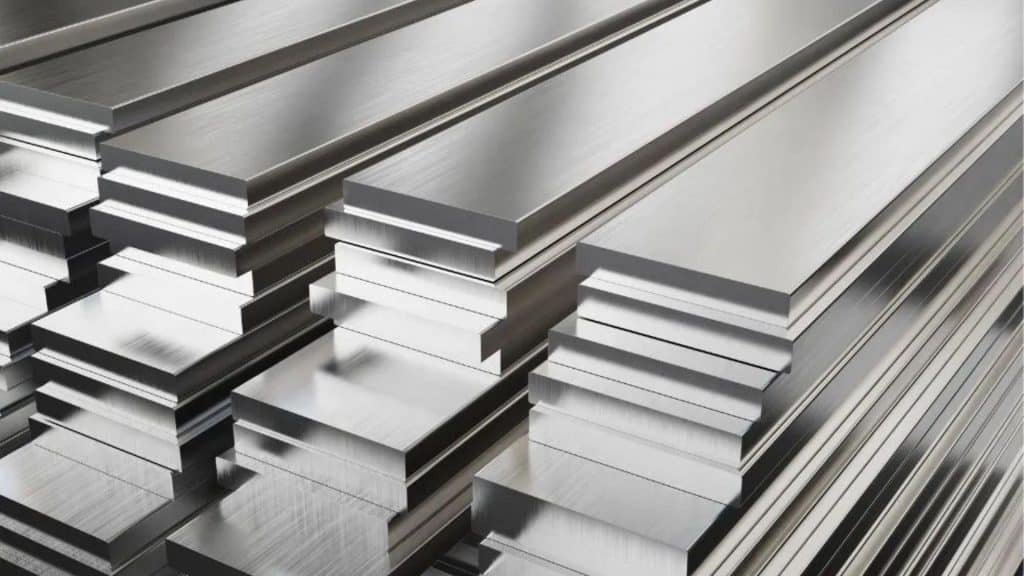
Stainless steel cabinets bring an industrial or professional feel to the kitchen. They’re popular in commercial kitchens due to their unmatched hygiene and durability.
-
Pros: Non-porous, resistant to water, stains, and heat; easy to sanitize; does not warp or crack.
-
Cons: Fingerprints and smudges are noticeable; scratches may show over time; high upfront cost.
-
Ideal Use: Modern, industrial, or commercial-grade kitchens where durability and cleanliness are key.
8. Melamine
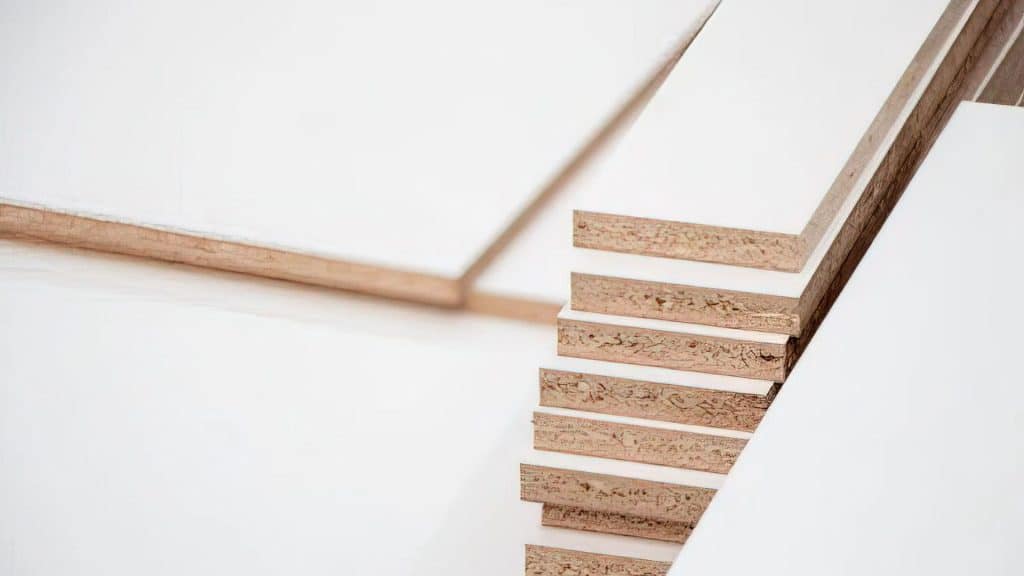
Melamine is a resin-based plastic coating applied to a substrate, such as MDF or particleboard. It’s commonly used for cabinet boxes and doors.
-
Pros: Durable, scratch-resistant surface; comes in various colors and wood-grain patterns; easy to maintain.
-
Cons: Edges may chip if handled roughly; the core can swell if water seeps in through damage.
-
Ideal Use: Cost-effective, functional kitchens with consistent daily use.
9. Acrylic
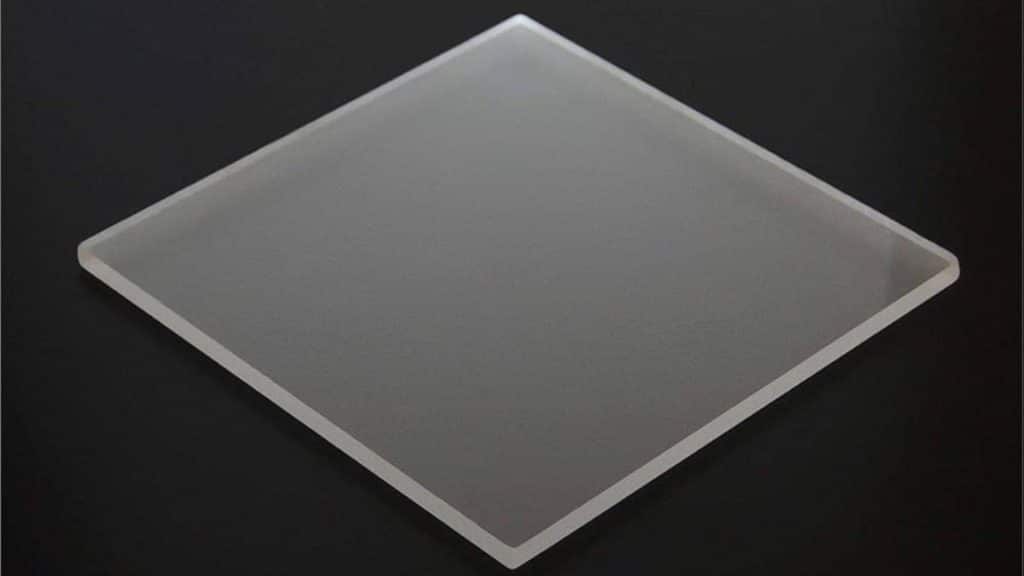
Acrylic cabinets offer a high-gloss, reflective finish that instantly brightens the kitchen. Acrylic sheets are bonded to MDF or HDF boards.
-
Pros: High-gloss, mirror-like finish that doesn’t fade over time; moisture- and UV-resistant; easy to clean.
-
Cons: Prone to fingerprints and scratches; requires meticulous cleaning; more expensive than laminates.
-
Ideal Use: Ultra-modern, minimalistic kitchens that favor a sleek, polished look.
10. Bamboo
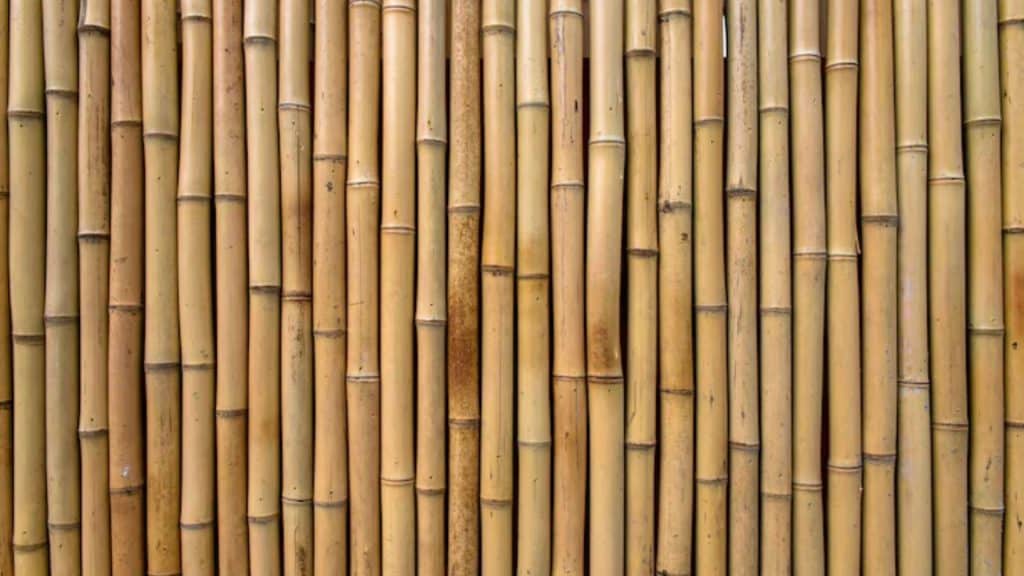
Bamboo is a fast-growing, sustainable material that’s gaining popularity for eco-friendly kitchens. It has a distinctive linear grain and warm tone.
-
Pros: Renewable and environmentally friendly; naturally strong and moisture-resistant; unique visual appeal.
-
Cons: Limited color options; may need occasional resealing to maintain appearance.
-
Ideal Use: Green building projects, contemporary kitchens, or spaces designed with sustainability in mind.
Maintaining Different Cabinet Materials Over Time
Proper care can extend the life and appearance of your cabinets, regardless of material. While some surfaces require minimal upkeep, others need regular attention to prevent damage.
-
Solid wood benefits from occasional polishing and protection from moisture.
-
Laminate, thermofoil, and acrylic need only routine cleaning with non-abrasive cloths.
-
MDF and particleboard must be kept dry to avoid swelling or warping.
-
Stainless steel is durable but prone to showing fingerprints, requiring frequent wiping.
-
Bamboo and veneer need gentle cleaners to avoid surface damage.
Understanding your chosen material’s maintenance needs helps preserve its quality and ensures your kitchen continues to look and perform well in the years ahead.
Final Thoughts
Choosing the right cabinet material depends on how your kitchen is used and the lifestyle it supports.
Busy households may benefit from durable, low-maintenance options, such as laminate or plywood, while homeowners prioritizing design may lean toward solid wood or acrylic for a visual impact.
Before making a final decision, it’s essential to consider factors such as humidity, usage frequency, and budget.
When in doubt, consulting a professional can help you align your goals with the best-suited materials, ensuring your cabinets look great and hold up well over time.
