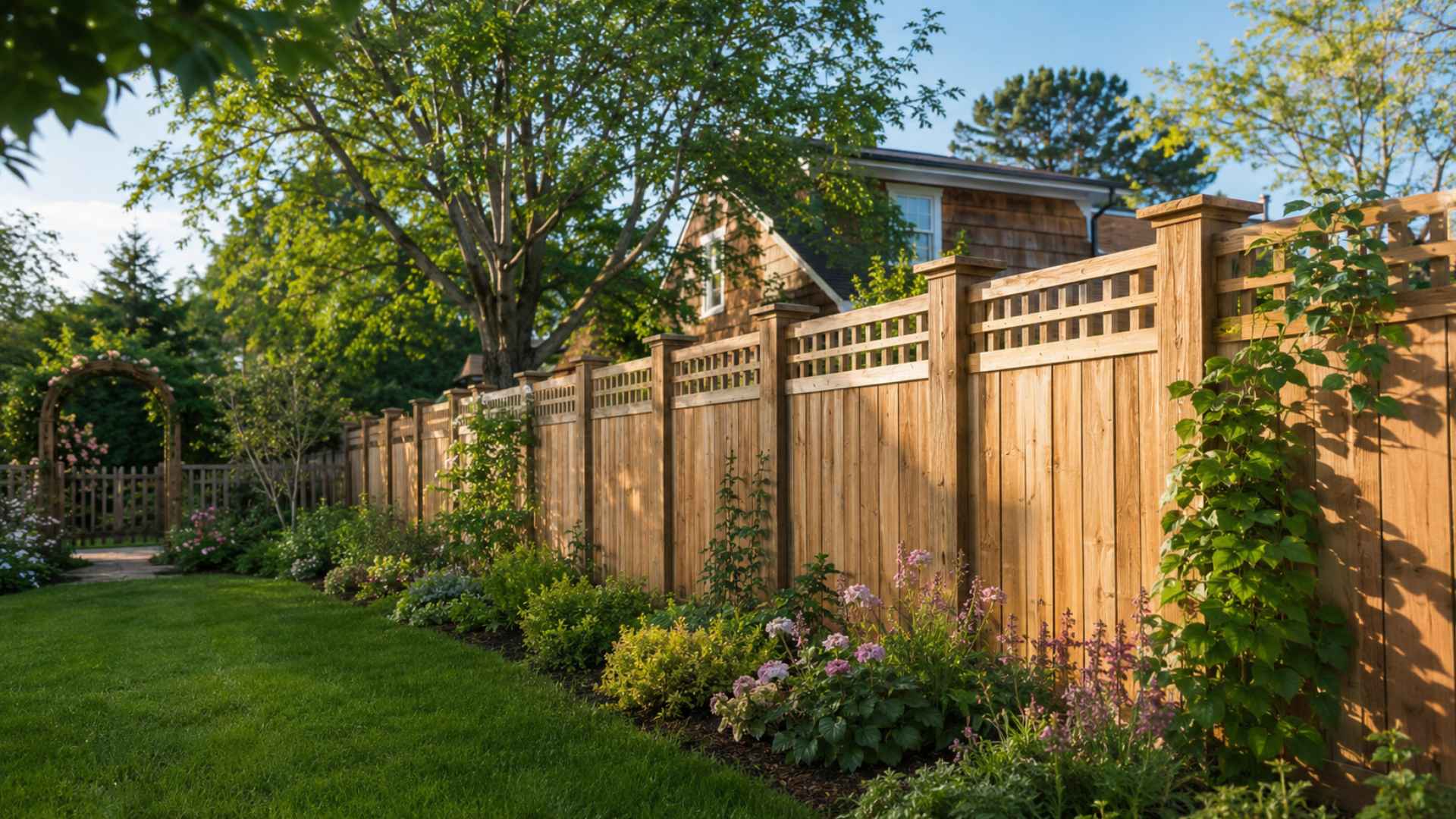
A yard without a fence feels incomplete. And honestly, a yard with the wrong fence is not much better.
Building from scratch or replacing an old one, picking the right fence style is harder than it looks. Too many options, too many materials, and no clear starting point.
That is exactly why wood fences keep coming back as a top choice.
They feel warm. They look natural. And they fit almost every home style without trying too hard. The goal could be full privacy, a charming front yard look, or something bold and modern. Wood fence ideas cover it all.
You will find some of the best wood fence ideas out there in this list. Every style is practical, easy to understand, and worth considering.
Take a look and find what feels right.
Classic & Traditional Wooden Fence Ideas
Traditional wooden fences have remained popular for decades because they suit many home styles and provide a balance of beauty, privacy, and function. These timeless designs can enhance curb appeal while defining outdoor spaces.
1. White Picket Fence

A white picket fence features short, evenly spaced vertical boards attached to horizontal rails. This classic design is often associated with charming cottages and traditional American homes.
It creates a welcoming boundary without blocking views, making it ideal for front yards, flower gardens, and pathways. The clean lines and bright finish help boost curb appeal.
Pro tip: Plant colorful flowers along the fence base to create a welcoming garden border.
2. Stockade Fence

A stockade fence uses tightly placed vertical boards to form a solid barrier. Its enclosed design offers excellent privacy and security, making it a popular choice for backyards and family spaces.
The pointed tops add a traditional appearance while helping direct water away from the boards. It also helps reduce noise and screen neighboring properties.
Pro tip: Set fence posts in concrete to improve stability and significantly extend fence lifespan.
3. Shadowbox Fence (Board-on-Board)

A shadowbox fence features alternating boards installed on opposite sides of the rails with slight overlaps. This design provides privacy while still allowing airflow between the boards.
Because both sides have a finished appearance, it is a practical option for shared property lines. The balanced structure also performs well in areas that experience frequent wind.
Pro tip: Choose cedar boards for improved durability and resistance to weather-related damage.
4. French Gothic Fence

The French Gothic fence stands out with decorative pickets featuring elegant, curved tops resembling traditional spearheads. This style complements Victorian, colonial, and other classic home designs.
While it provides a decorative boundary rather than complete privacy, it creates a refined appearance that enhances landscaping and front-yard entrances with its distinctive architectural character.
Pro tip: Match the fence with an arbor gate for a coordinated traditional entrance design.
5. Lattice Top Fence
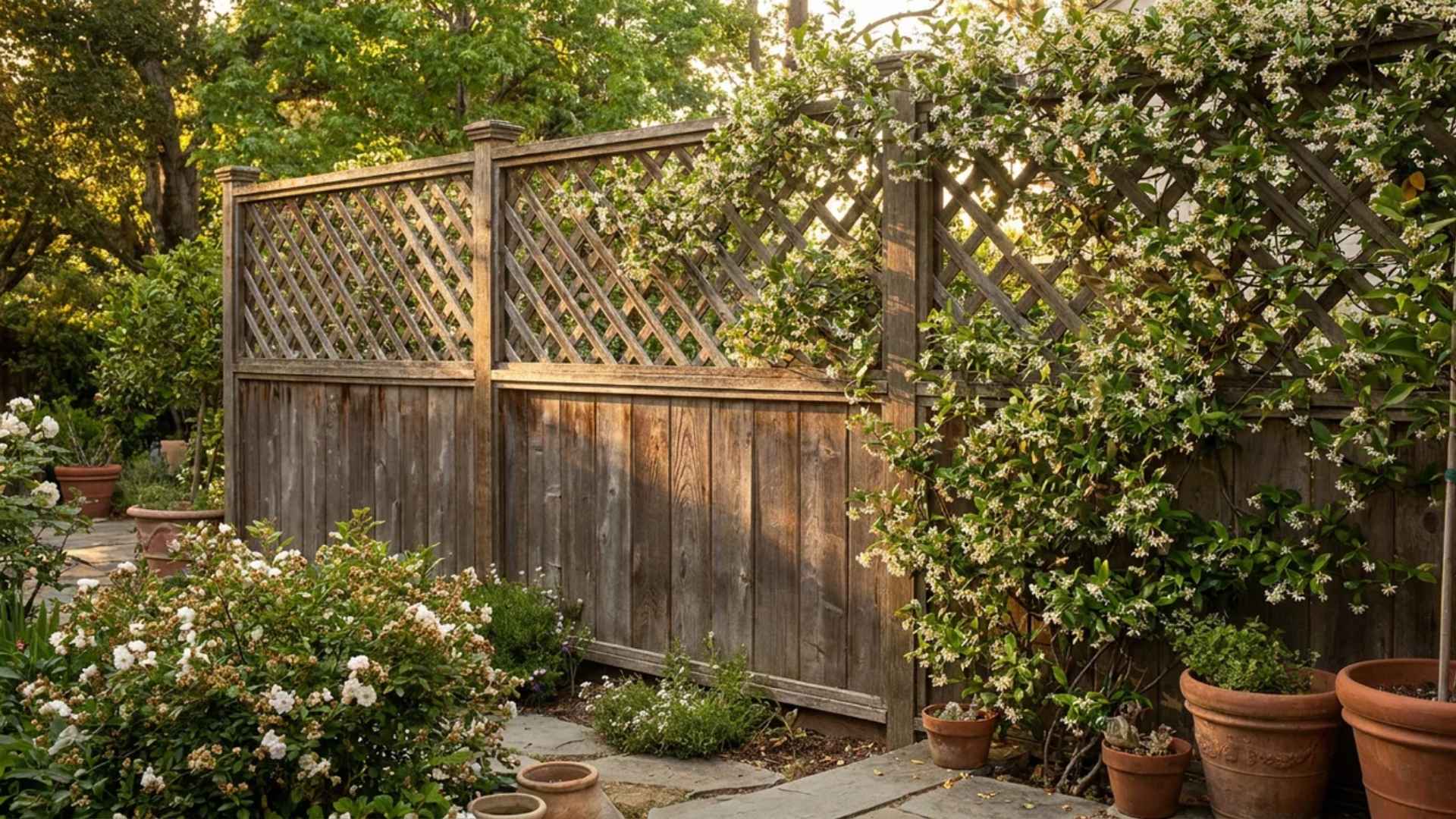
A lattice-top fence combines a solid lower section with an open, crisscross lattice panel above. This design offers partial privacy while maintaining an airy, decorative appearance.
It works especially well around gardens, patios, and outdoor seating areas. The upper lattice section also provides support for climbing plants, adding extra visual interest throughout the growing season.
Pro tip: Train climbing vines on the lattice to create natural shade and texture.
Privacy Wooden Fence Ideas
Privacy fences help create a more secluded outdoor space while reducing noise and blocking unwanted views. These wooden fence styles combine functionality and aesthetics, making them suitable for everything from modern patios to busy backyards.
6. Horizontal Board Fence

A horizontal board fence uses wooden planks installed side to side rather than the traditional vertical layout. The long, clean lines create a modern appearance that works especially well with contemporary homes and smaller yards.
Depending on board spacing, this style can offer complete privacy or a more open feel while still defining the property boundary.
Pro tip: Use narrow board spacing for privacy or wider gaps for better airflow.
7. Full Privacy Solid Panel Fence
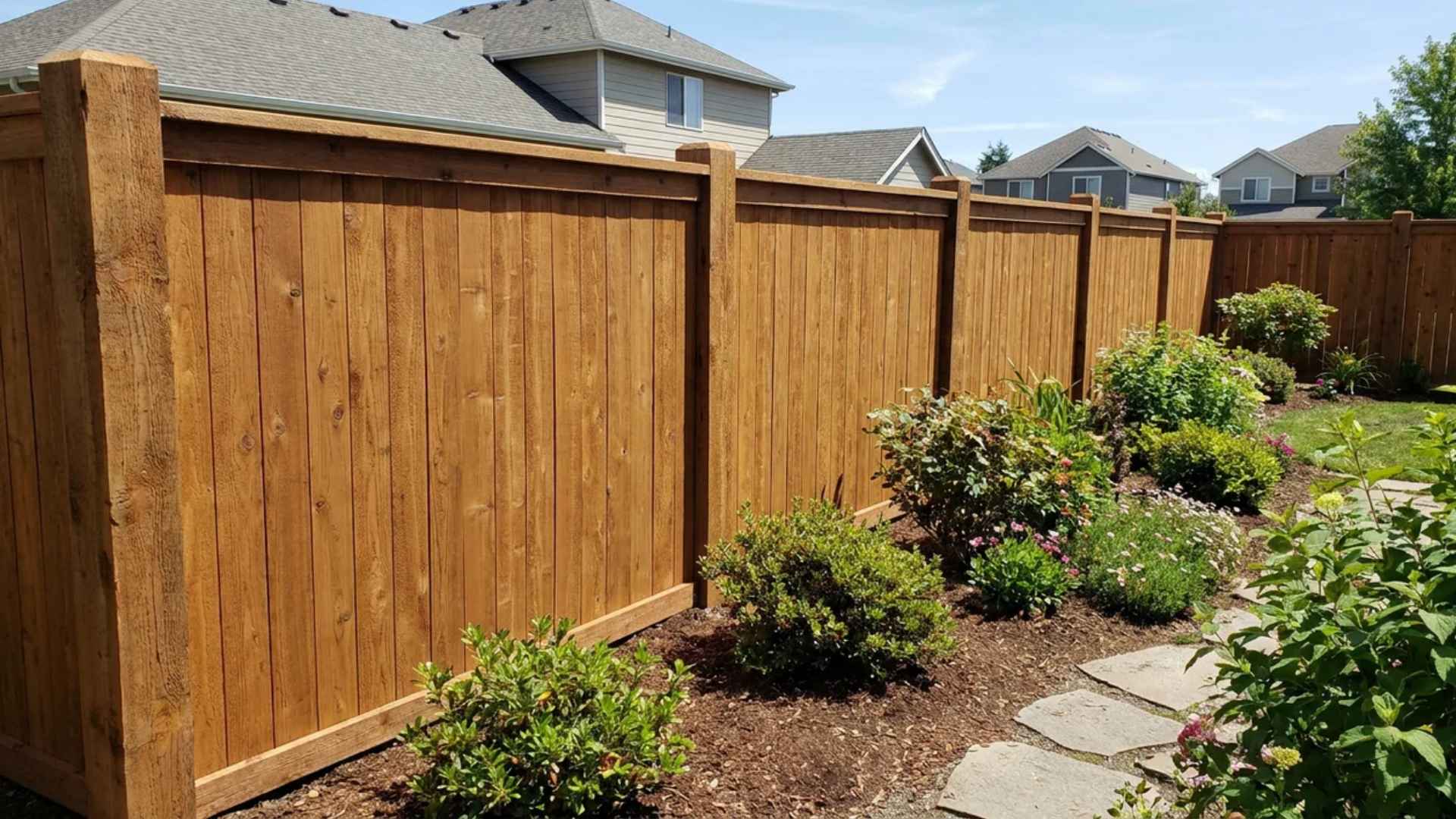
A full privacy solid-panel fence consists of tall wooden panels with no visible gaps between the boards. Typically standing between six and eight feet high, it creates a strong visual barrier that helps block noise, wind, and views of the neighbors.
This fence style is commonly used around pools, patios, and backyards located near busy streets.
Pro tip: Choose cedar or redwood to reduce warping and improve long-term durability outdoors.
8. Tongue-and-Groove Fence

A tongue-and-groove fence features interlocking boards that fit tightly together to create a smooth, continuous surface. The seamless design provides maximum privacy while delivering a clean, polished appearance.
Its tight construction also helps limit gaps that can appear over time, making it a popular option for homeowners seeking both privacy and visual appeal.
Pro tip: Stain boards before installation for more consistent coverage and easier maintenance later.
9. Louvered Wood Fence
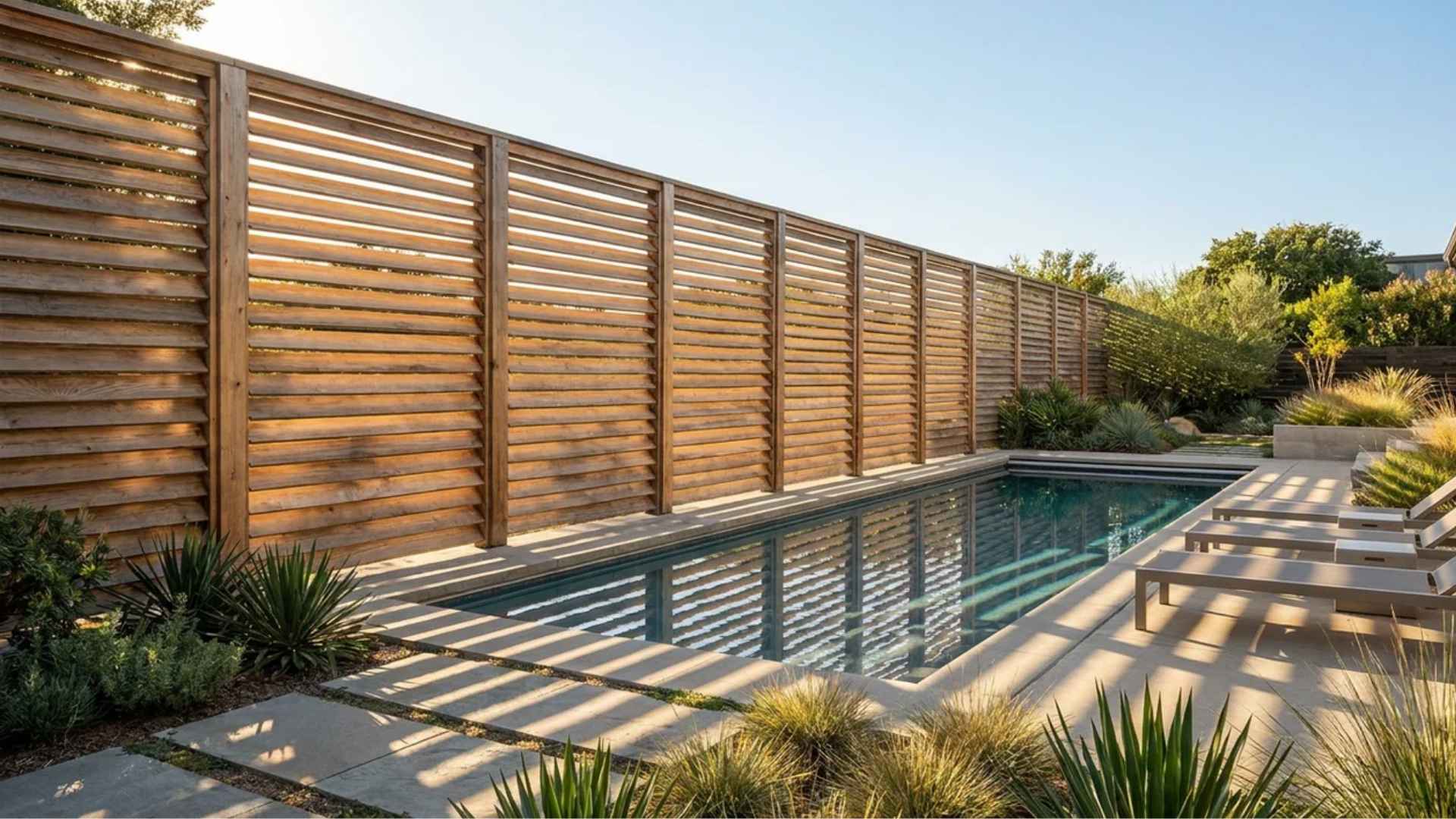
A louvered wood fence uses angled wooden slats that allow air to pass through while limiting direct visibility. This design creates a comfortable balance between privacy and ventilation, making it especially useful around pools, patios, and outdoor seating areas.
The slatted appearance also adds architectural interest and a contemporary touch to outdoor spaces.
Pro tip: Angle slats downward to improve privacy while still allowing cooling breezes through.
10. Good Neighbor Board-on-Board Fence

A good neighbor board-on-board fence features overlapping pickets arranged so both sides have an equally finished appearance.
This makes it a practical choice for shared property lines where aesthetics matter to both homeowners. The overlapping design also improves privacy by minimizing direct sightlines while maintaining an attractive look from either side.
Pro tip: Discuss design preferences and cost-sharing details with neighbors before starting installation.
If the focus shifts more toward saving cost while still getting solid coverage, there are also a few budget-friendly ways to build a privacy fence without compromising durability or design.
Rustic & Farmhouse Wooden Fence Ideas
Rustic wooden fences bring natural character and old-world charm to outdoor spaces. These designs often highlight raw materials, weathered textures, and traditional craftsmanship, making them a great fit for country homes, gardens, and rural landscapes.
11. Worm Rail Fence (Snake Fence)
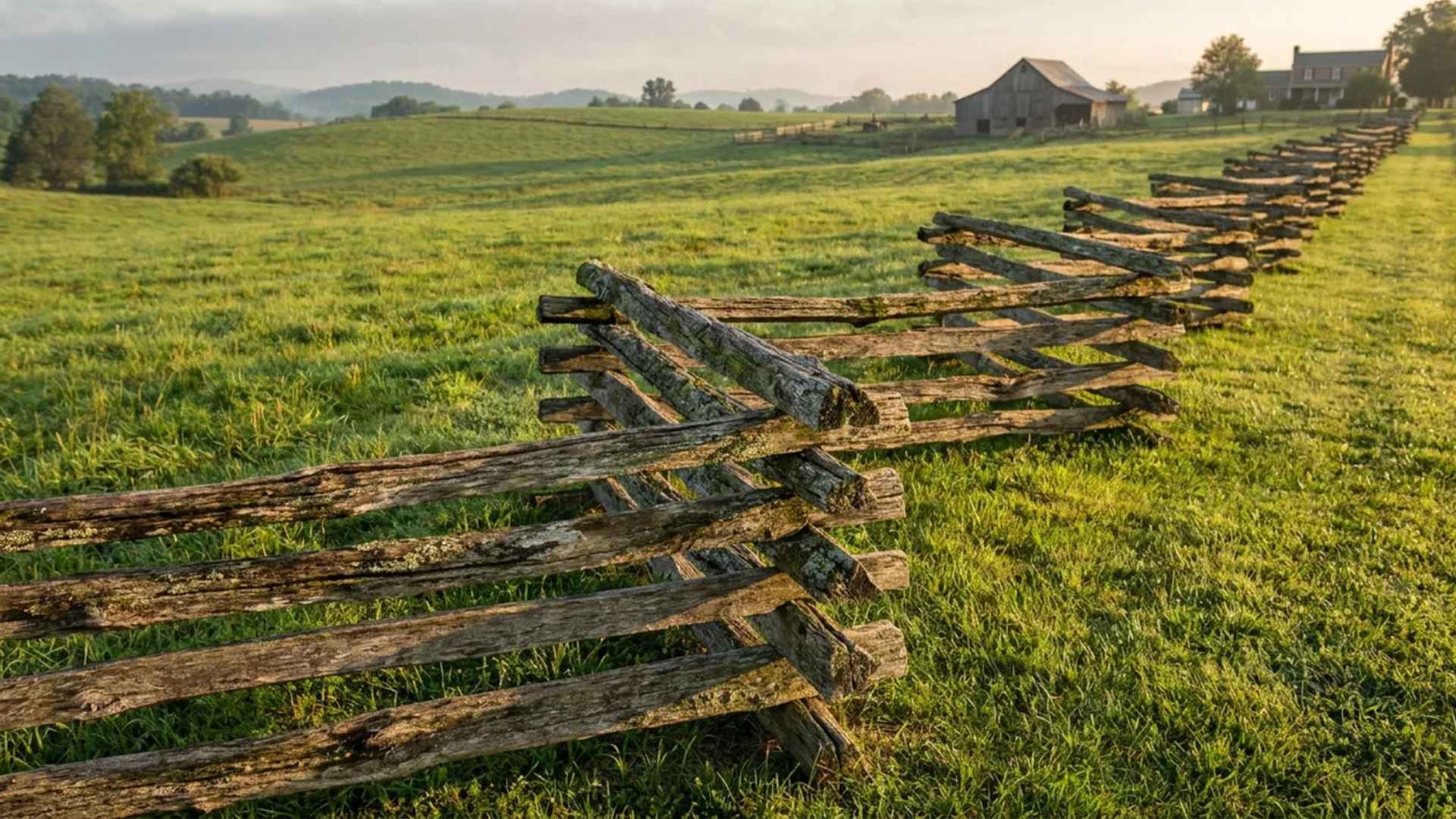
A worm rail fence, sometimes called a snake fence, is made by stacking wooden rails in a zigzag pattern without using posts. This historic fencing style is commonly found on farms and large rural properties.
Its simple construction and rugged appearance blend naturally into open landscapes while creating clear property boundaries with minimal materials.
Pro tip: Use untreated split rails to maintain a traditional farmhouse appearance and rustic charm.
12. Pallet Wood Fence
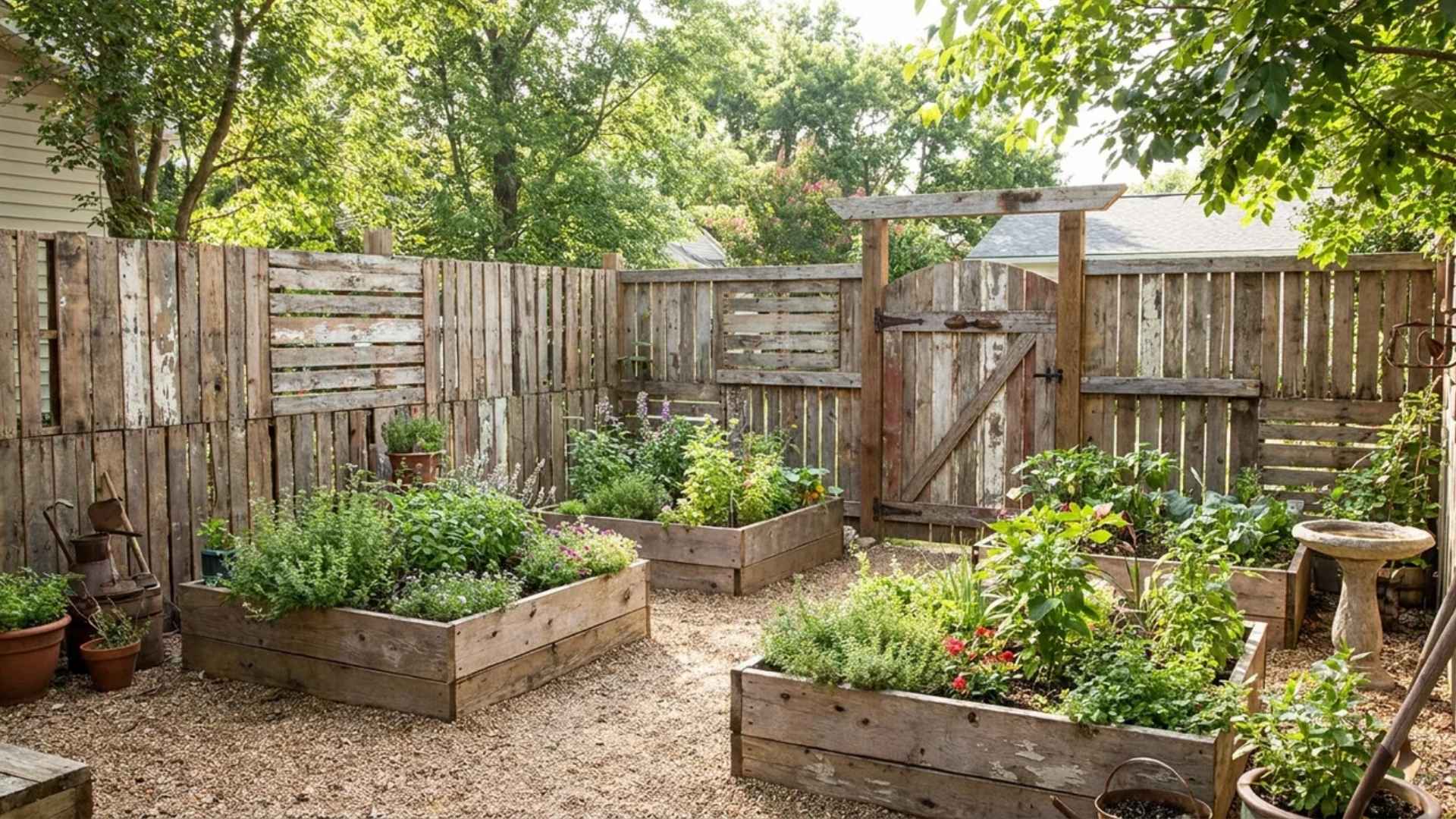
A pallet wood fence is created by repurposing wooden shipping pallets into fence panels. This budget-friendly option is popular among DIY enthusiasts and homeowners looking for a rustic garden enclosure.
The varied wood textures add character and visual interest while giving discarded materials a second life in outdoor spaces.
Pro tip: Sand rough edges and apply sealant before installation to improve durability outdoors.
13. Log Fence

A log fence uses whole or split logs arranged as rails or panels to create a sturdy natural barrier. The substantial wood elements make this style especially suitable for cabins, woodland properties, and mountain retreats.
Its rugged appearance complements natural surroundings while providing a strong visual connection to traditional rural construction.
Pro tip: Apply weatherproof sealant regularly to reduce cracking and moisture-related wood damage.
14. Picket Fence with Decorative Cut Tops
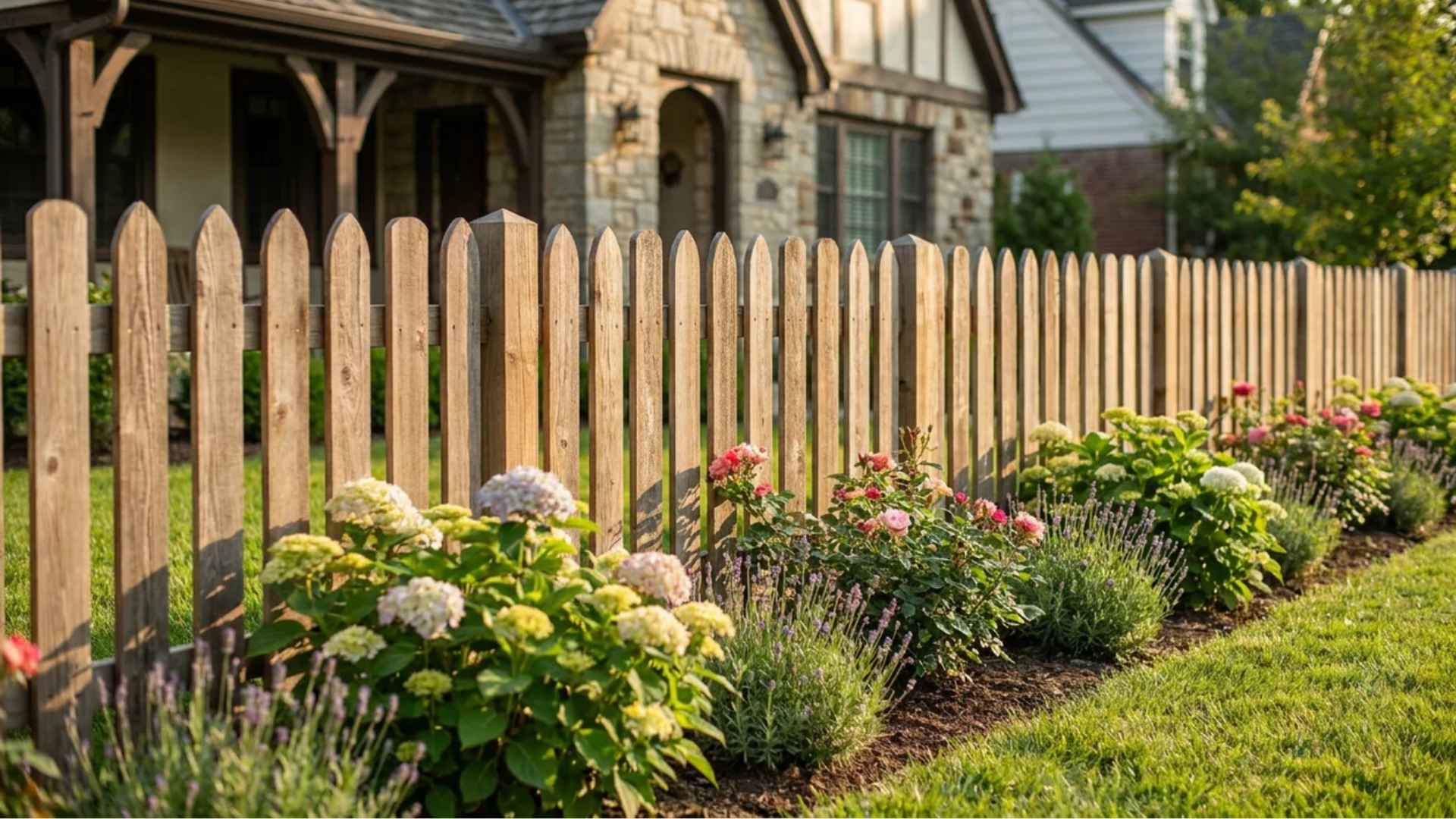
This fence style takes the traditional picket fence and adds custom-shaped tops such as dog-ear, Gothic, or flat-cut designs.
The decorative details create extra visual interest while maintaining the familiar charm of a classic picket fence. It works well in front yards and cottage-style landscapes where character and curb appeal are priorities.
Pro tip: Dog-ear pickets offer a simple design that is easy to install yourself.
15. Reclaimed Wood Fence

A reclaimed wood fence is built using salvaged lumber, barn wood, or recycled timber from older structures. Each board often features unique textures, colors, and weathering patterns that create a one-of-a-kind appearance.
This style appeals to homeowners who value sustainability while adding rustic warmth and personality to outdoor spaces.
Pro tip: Blend multiple wood tones for a naturally varied and distinctive fence design.
Modern & Contemporary Wooden Fence Ideas
Modern wooden fences focus on clean lines, simple forms, and striking materials. These designs help create a polished outdoor space while maintaining privacy, security, and strong visual appeal for contemporary homes.
16. Vertical Slat Modern Fence

A vertical-slat modern fence features narrow wooden slats spaced evenly apart to create a clean, architectural appearance. The consistent spacing adds visual rhythm while allowing light and airflow to pass through.
This style is especially popular for modern homes and urban properties, where minimalist design complements contemporary landscaping and exterior finishes.
Pro tip: Pair wooden slats with black metal posts for a refined contemporary appearance.
17. Dark-Stained Horizontal Fence
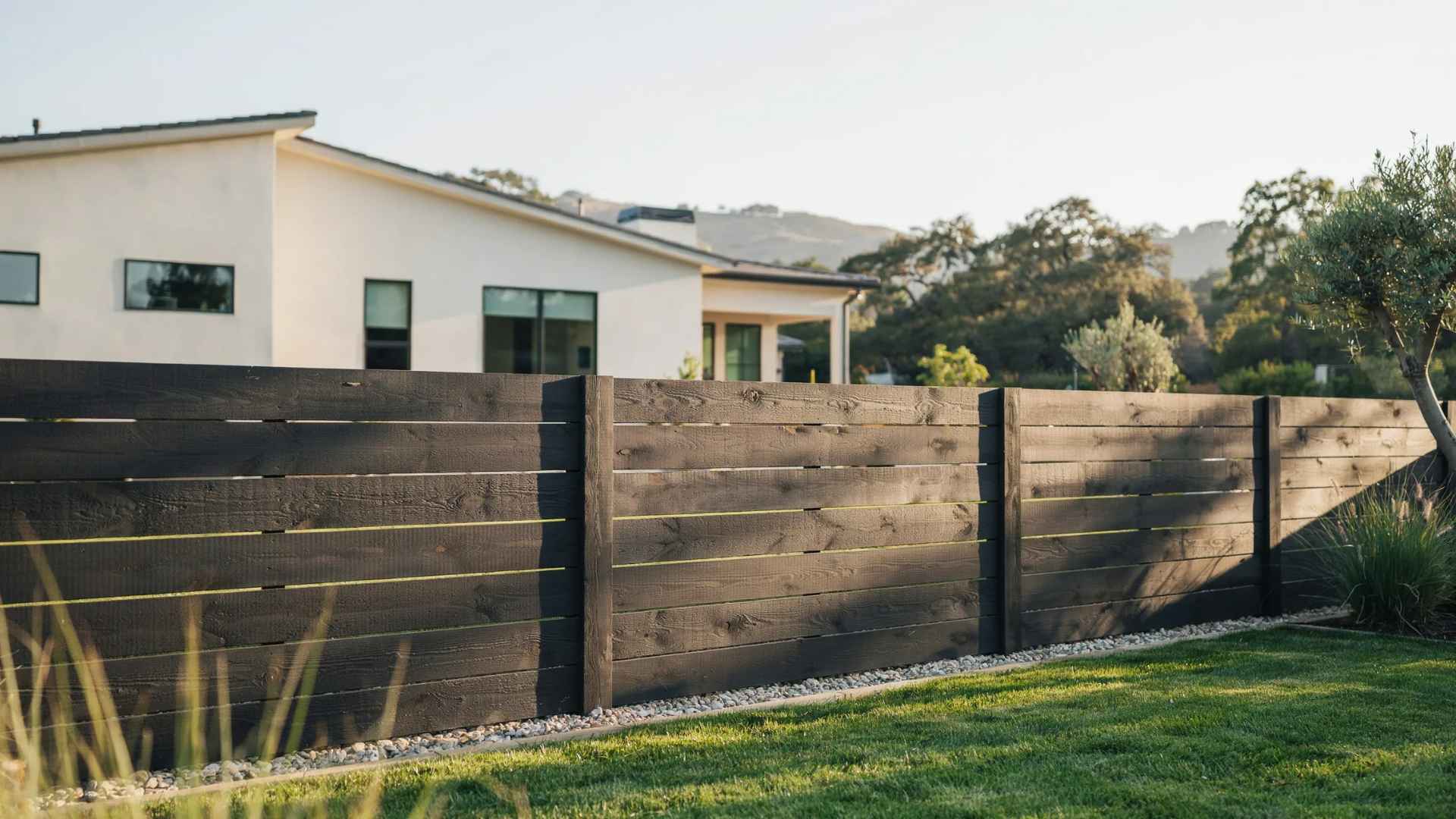
A dark-stained horizontal fence uses side-to-side boards finished in rich charcoal, espresso, or deep brown tones. The dark color creates strong contrast against lighter home exteriors while emphasizing the fence’s modern lines.
This style offers privacy and sophistication while allowing the natural wood grain to remain visible beneath the stain.
Pro tip: Choose a semi-transparent stain to highlight wood grain while adding rich color depth.
18. Mixed Material Fence (Wood + Metal)

A mixed-material fence combines wooden panels with metal elements, such as steel frames, posts, or decorative inserts.
The blend of natural wood and industrial materials creates a balanced, contemporary look that suits upscale homes. This design offers durability, visual interest, and a distinctive appearance that stands out from traditional fencing styles.
Pro tip: Use weathering steel accents for warm contrast that complements natural wood tones.
19. Floating Panel Fence
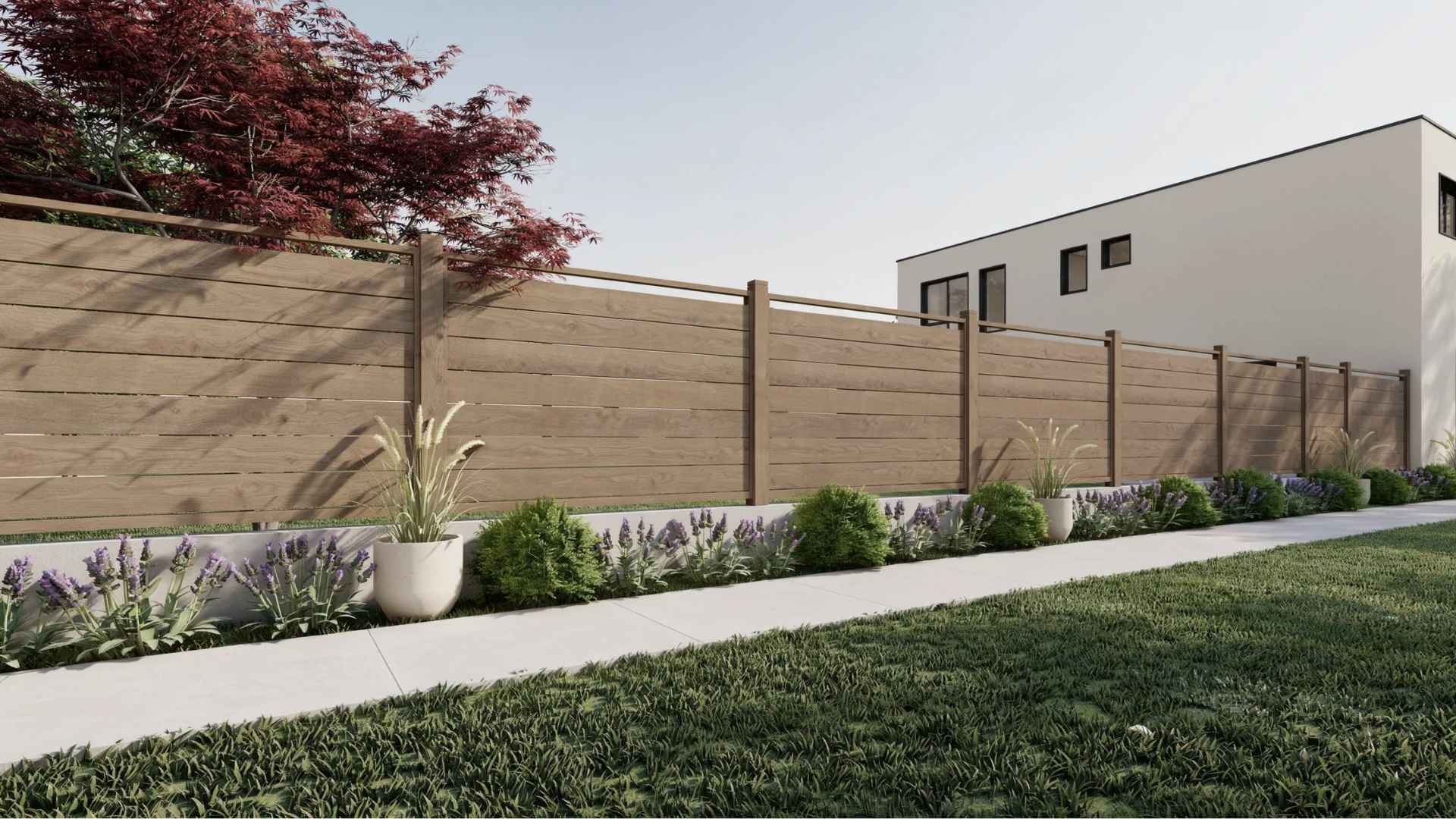
A floating panel fence is designed so the wooden sections appear suspended between posts, with visible gaps above and below each panel. This creates a striking architectural effect while maintaining privacy.
The clean geometry makes it a popular choice for modern landscapes, entryways, and front yards where the fence serves as a design feature.
Pro tip: Install deep-set posts to improve stability and resistance against strong winds.
20. Wood and Hog Wire Fence
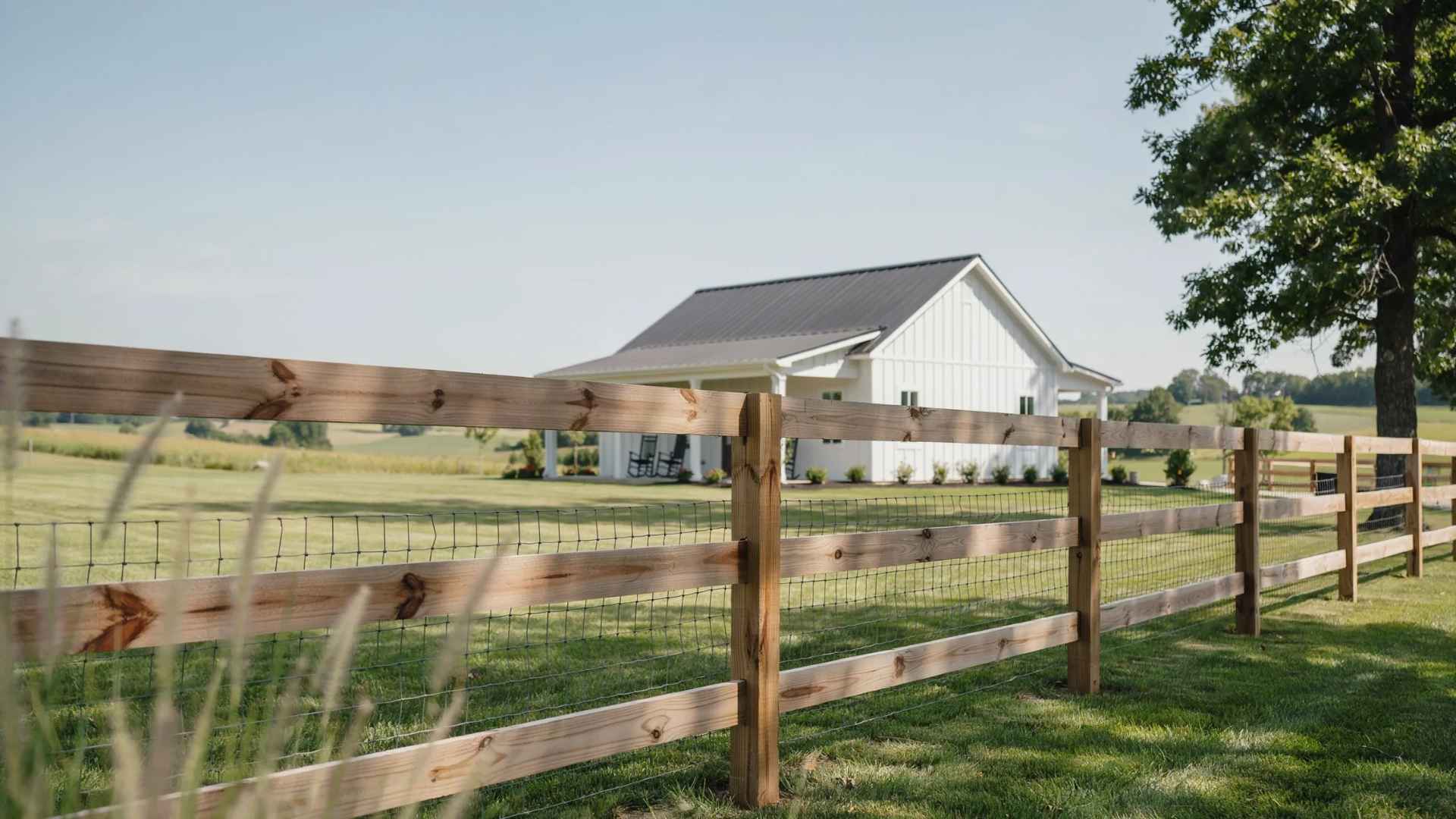
A wood-and-hog-wire fence combines a sturdy wooden frame with galvanized wire mesh panels. The open design helps maintain views and natural light while still creating a secure enclosure.
It is commonly used for gardens, pet-friendly yards, and rural-modern properties where homeowners want containment without the appearance of a solid barrier.
Pro tip: Select galvanized wire mesh to reduce rust and extend fence life outdoors.
Garden & Decorative Wooden Fence Ideas
Decorative wooden fences can do more than mark property lines. These creative designs add charm, support plants, and help turn ordinary outdoor spaces into attractive garden features.
21. Picket Fence with Trellis Gate

A picket fence with a trellis gate combines the timeless appeal of a traditional picket fence with a decorative overhead structure designed for climbing plants.
The trellis creates an inviting entrance while adding height and visual interest. This style works beautifully in cottage gardens, flower-filled landscapes, and charming front-yard pathways.
Pro tip: Start training climbing plants early to encourage full and even trellis coverage.
22. Vertical Garden Fence
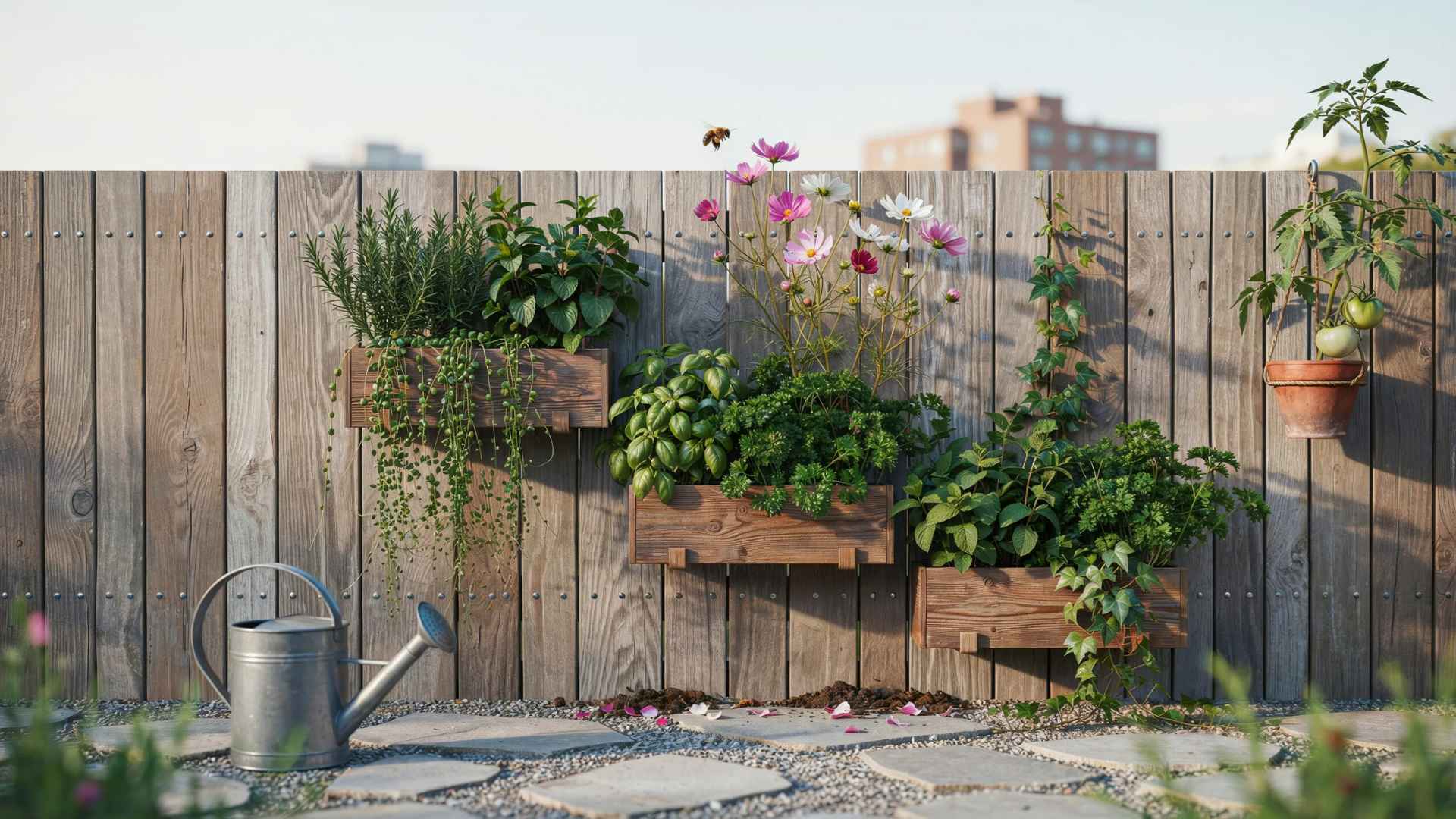
A vertical garden fence transforms a standard fence into a living wall by incorporating mounted planters, shelves, or climbing vegetation.
This design is especially useful in compact yards where ground space is limited. The added greenery softens the appearance of the fence while creating a lush, garden-like atmosphere in urban and suburban settings.
Pro tip: Choose lightweight containers and moisture-resistant wood to reduce strain on the fence over time.
23. Scalloped Fence
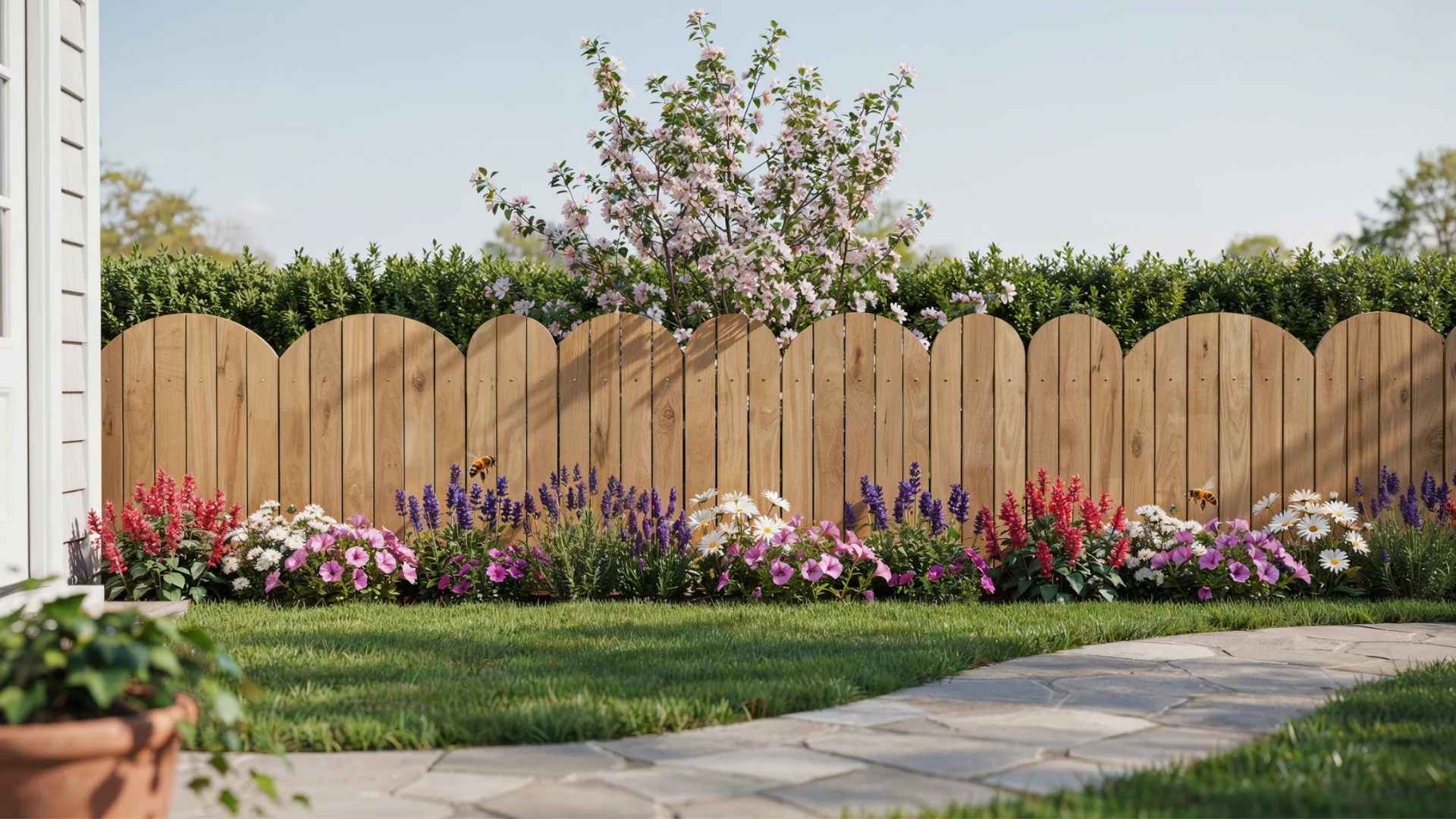
A scalloped fence features a decorative curved pattern along the top edge, creating a softer appearance than a straight fence line.
The repeating arches add character and visual movement while maintaining the traditional appeal of a picket fence. This style complements cottage homes, garden borders, and front yards seeking extra decorative detail.
Pro tip: Cut scalloped sections carefully with a jigsaw for smooth, consistent curves.
24. Sloped Wood Fence
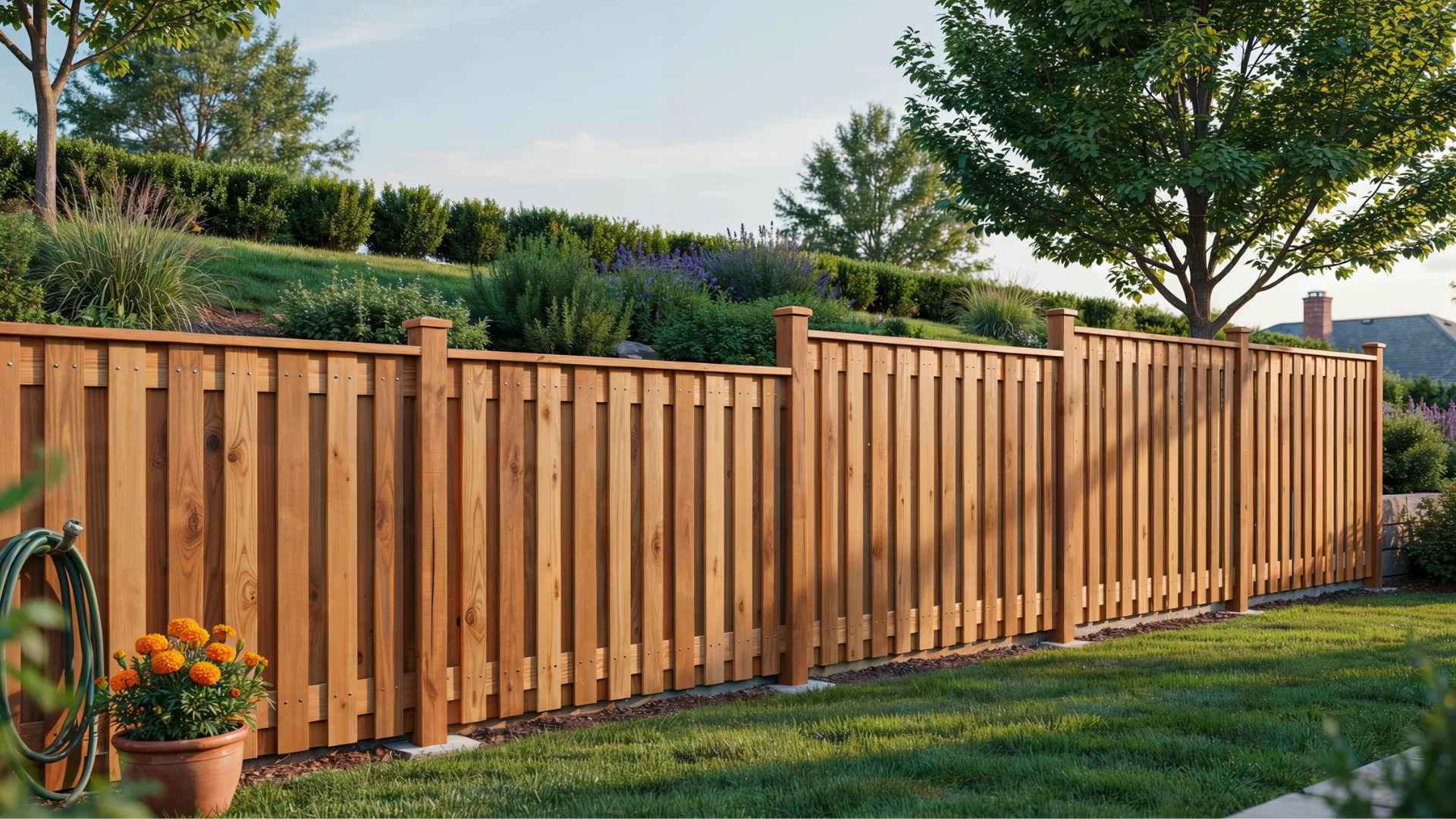
A sloped wood fence is designed to follow the natural contours of uneven ground. Instead of leaving gaps beneath the fence, the panels gradually adjust to changes in elevation.
This approach creates a cleaner appearance and improves functionality on hillsides and sloping yards while maintaining a cohesive fence line throughout the property.
Pro tip: Use a raked design for smoother lines and a more natural appearance.
25. Fence with Built-In Planter Boxes

A fence with built-in planter boxes combines privacy and gardening in a single structure. Integrated wooden containers provide space for flowers, herbs, or ornamental plants while enhancing the fence’s appearance.
This design works particularly well in patios, small gardens, and outdoor living areas where every square foot serves multiple purposes.
Pro tip: Line planter interiors to help protect the wood from constant exposure to soil moisture.
Budget-Friendly & DIY Wooden Fence Ideas
Affordable wooden fences can improve privacy, define outdoor spaces, and add character without requiring a large budget. These practical designs are popular with homeowners looking for simple installations and cost-effective materials.
26. Dog-Ear Fence

A dog-ear fence is a traditional privacy fence made of boards with clipped corners at the top. The simple design creates a clean, finished appearance while keeping material and installation costs relatively low.
Because of its affordability and versatility, it remains one of the most common fence styles used around suburban homes and large backyard perimeters.
Pro tip: Purchase pre-cut dog-ear pickets in bulk to significantly reduce material costs.
27. Bamboo Wood Fence

A bamboo fence uses bamboo stalks or prefabricated bamboo panels to create a natural-looking enclosure. Although bamboo is technically a grass, it is often used as an alternative to traditional wood fencing.
Its lightweight construction and distinctive appearance make it a popular choice for tropical gardens, zen-inspired landscapes, and environmentally conscious outdoor spaces.
Pro tip: Apply UV-resistant sealant regularly to help prevent fading and surface cracking.
28. Lock Board Wood Fence

A lock-board wood fence consists of interlocking wooden panels that fit together without extensive hardware. The modular system simplifies installation, making it an attractive option for DIY projects and temporary fencing needs.
Many homeowners appreciate the ability to disassemble and relocate sections when landscaping or property layouts change.
Pro tip: Label fence sections during installation for easier disassembly and future reinstallation.
29. Painted Wood Fence (Bold Color)
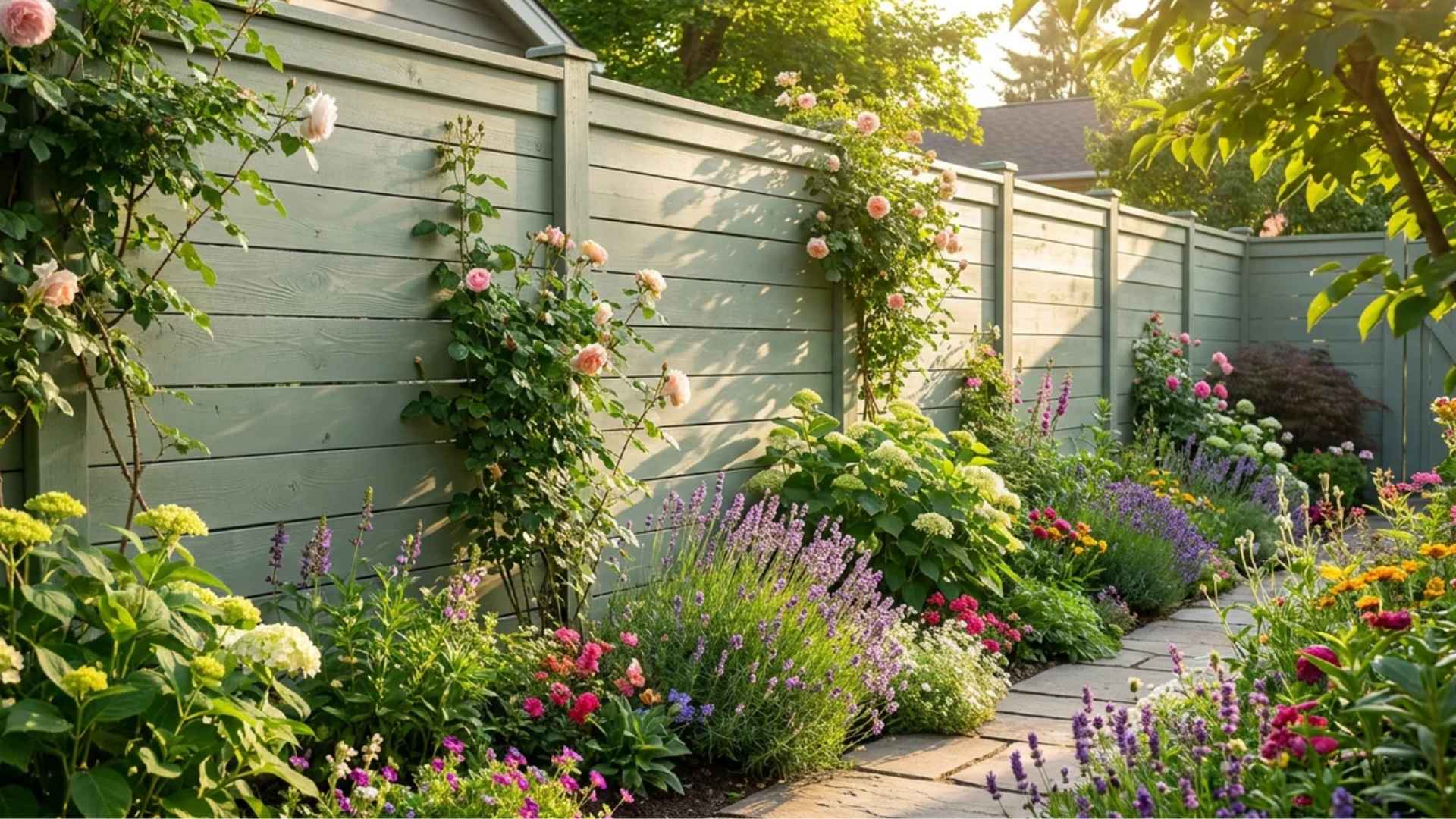
A painted wood fence uses exterior-grade paint in colors such as black, navy, sage green, or terracotta to create visual interest.
The color transformation can completely change the look of a standard fence while helping it stand out as a landscape feature. This approach allows homeowners to personalize their outdoor spaces without replacing existing fencing.
Pro tip: Use paint with built-in primer for improved coverage and longer-lasting protection.
|
Many of these fence styles can be built without hiring a contractor. If you’re thinking about taking on the project yourself, these backyard fence projects for different skill levels offer plenty of practical inspiration. |
How to Choose the Right Wood for Your Fence
The type of wood you choose affects your fence’s appearance, durability, maintenance needs, and overall cost. Comparing common options makes it easier to balance budget, lifespan, and style.
| Wood Type | Best For | Average Cost* |
|---|---|---|
| Cedar | Privacy fences, modern designs, rustic styles | $15–$35 per linear foot |
| Redwood | Premium fencing, upscale landscapes | $25–$50 per linear foot |
| Pressure-Treated Pine | Budget-friendly projects, large yards | $10–$25 per linear foot |
| Reclaimed Wood | Rustic designs, eco-conscious builds | $10–$30 per linear foot |
| Bamboo | Tropical gardens, eco-friendly landscapes | $10–$25 per linear foot |
Costs typically include materials only and can vary by region and fence design.
Prices vary by location, material quality, fence height, labor costs, and market conditions.
How to Maintain a Wood Fence
Regular maintenance helps protect a wood fence from moisture, sun damage, insects, and rot. A few simple upkeep tasks each year can extend its lifespan and keep it looking its best.
- Clean the fence annually: Wash away dirt, mildew, and debris with a garden hose or pressure washer.
- Apply stain or sealant regularly: Recoat the fence every 2 to 3 years to protect the wood from weather exposure.
- Replace damaged boards quickly: Fix cracked, warped, or rotting boards before damage spreads to nearby sections.
- Inspect fence posts each spring: Check post bases for moisture damage, shifting, or early signs of decay.
- Trim nearby plants and vines: Remove vegetation touching the fence to improve airflow and reduce trapped moisture.
Consistent maintenance costs far less than major repairs and helps preserve your fence’s appearance, strength, and value for many years.
Conclusion
A wooden fence is more than just a boundary. It is a statement about your home and your style.
If you want full privacy, a rustic farmhouse vibe, or a sleek modern look, there is a wood fence idea on this list that fits your yard, your budget, and your vision.
The best part? Most of these styles are DIY-friendly and can be built with materials from your local hardware store.
Start small. Pick two or three ideas that excite you. Then match them to your home’s style and your practical needs.
Your perfect fence is closer than you think.
Which wooden fence idea from this list are you planning to try first? Drop your pick in the comments. We would love to see what you build!
Frequently Asked Questions
Can I Mix Two Different Wood Fence Styles Together?
Yes. Combining styles like lattice top with solid panels adds visual interest and works well for most yards.
Should I Hire a Professional or Build a Wood Fence Myself?
Simple styles suit confident DIYers. Complex or tall fences are better left to professionals for safety and durability.
Does a Wooden Fence Increase Property Value?
Yes. A well-maintained wood fence improves curb appeal and can positively impact your home’s resale value.
What Is the Biggest Mistake Homeowners Make when Installing a Wood Fence?
Skipping proper post depth. Shallow posts loosen over time, causing the entire fence to lean or collapse.