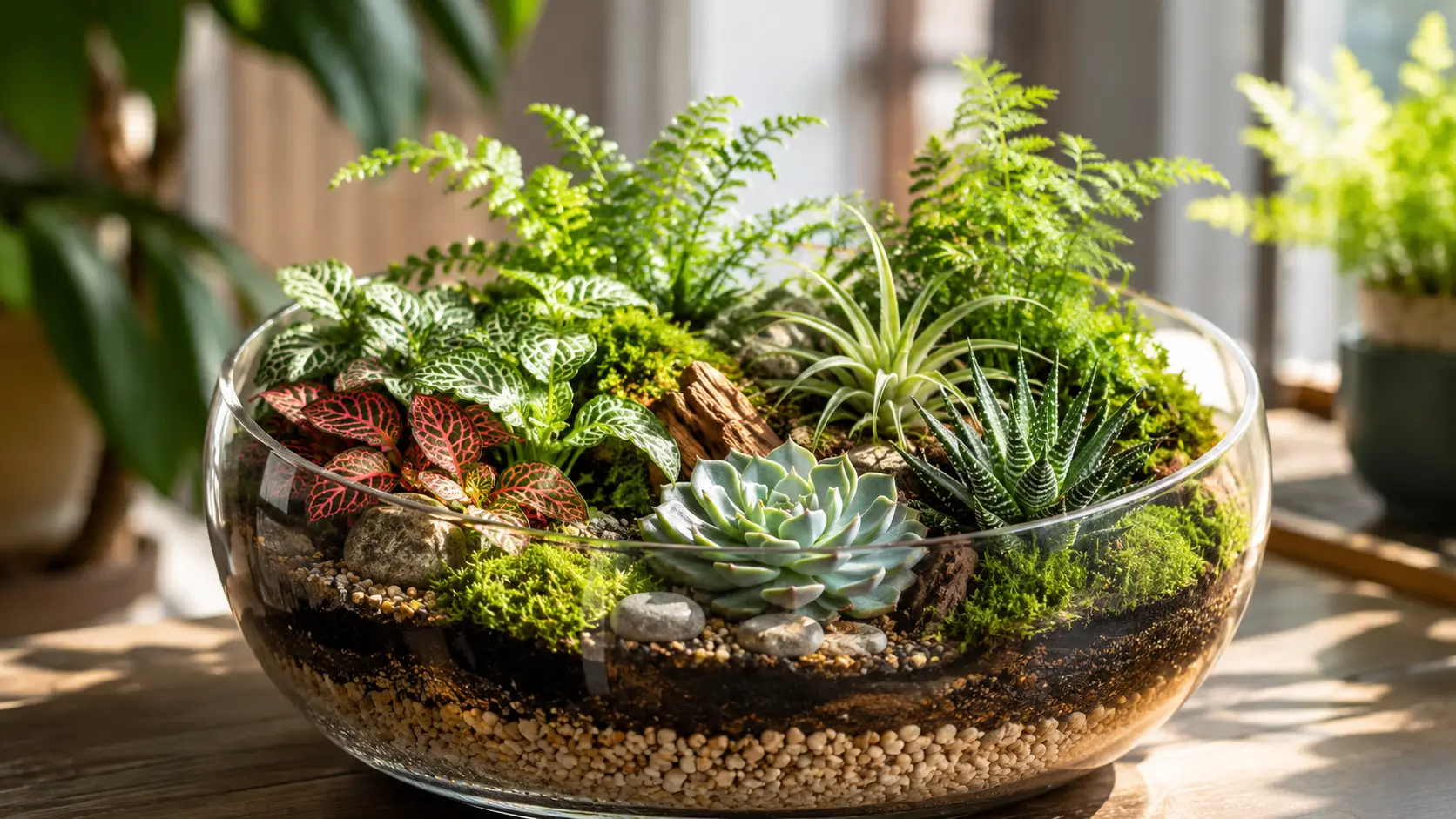
Terrariums are among the easiest ways to bring plants indoors without requiring much space or gardening experience.
But the plants you choose make all the difference. Pick the wrong ones, and they will either take over the container or die within a few weeks.
Pick the right ones, and your terrarium can thrive for years with very little maintenance.
From closed setups packed with tropical plants to open containers filled with succulents, this breakdown covers the best terrarium plants, where to buy them, and how to keep them alive.
What are Terrarium Plants?
Terrarium plants are small plants that grow well inside glass containers and are suited to the unique conditions of a terrarium.
Most stay compact, grow slowly, and tolerate indirect light, making them easier to maintain in limited space.
The best terrarium plants can adapt to varying humidity levels without quickly outgrowing the container.
Closed terrariums create a humid environment ideal for plants such as ferns, mosses, fittonias, and peperomias, while open terrariums provide better airflow and are well-suited to succulents, cacti, and air plants.
Choosing plants that match your terrarium type is key to creating a healthy, long-lasting display. You can read more in this terrarium plant guide from Oklahoma State University Extension.
Best Terrarium Plants for Closed Terrariums
Closed terrariums hold in humidity and create a warm, moist environment that tropical plants love. These six plants thrive in that kind of setup and stay small enough to fit inside most glass containers.
1. Fittonia (Nerve Plant)
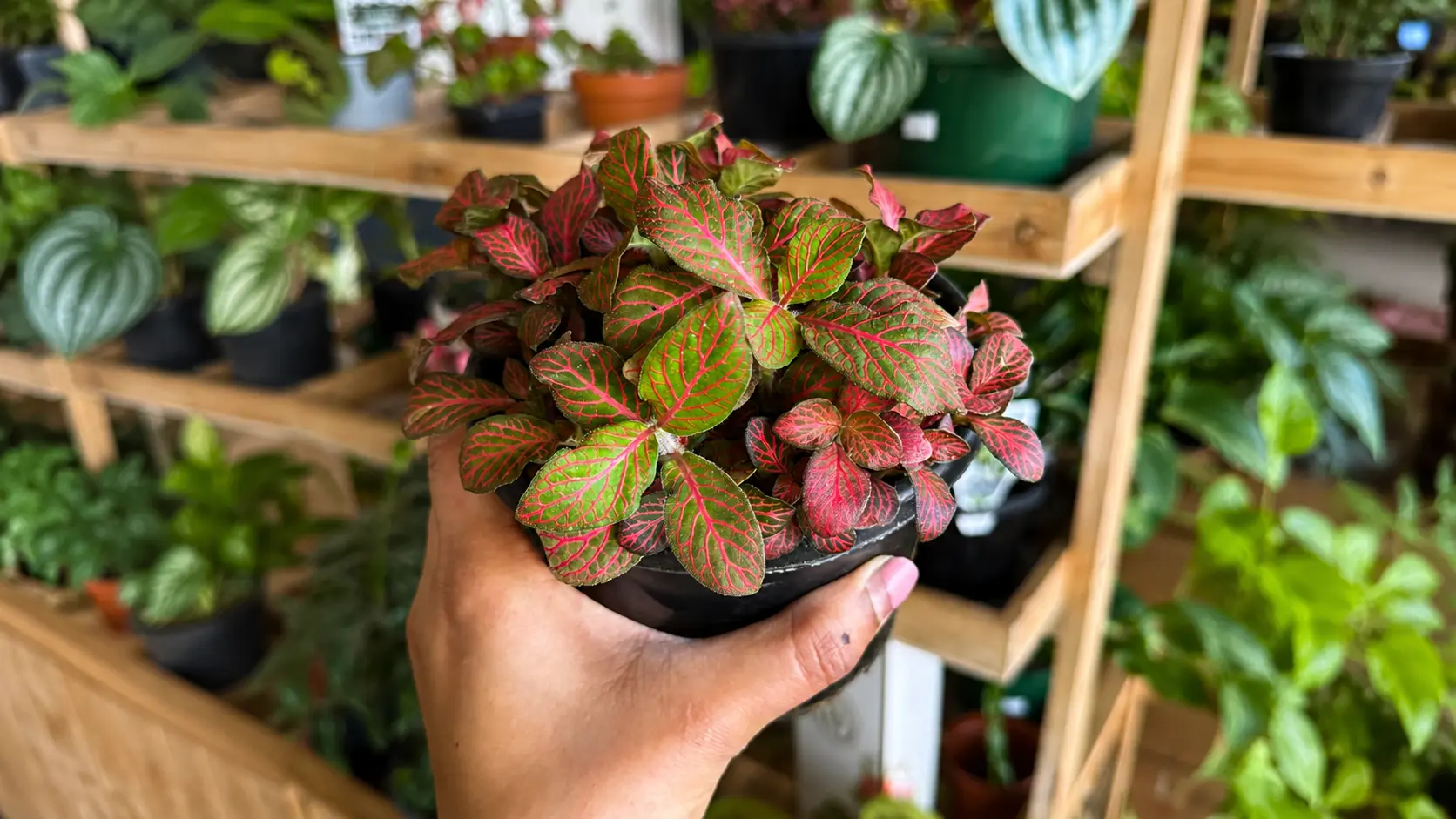
Credits: Wera Plants
Fittonia has small, patterned leaves with bright pink, white, or red veins. It loves moisture and grows well in low light, which makes it one of the top picks for closed setups. Growth is slow and stays low to the ground.
Pro Tip: If your fittonia starts to droop, do not panic. It is just telling you it needs water. Give it a light misting and it will perk back up within a few hours.
2. Peperomia
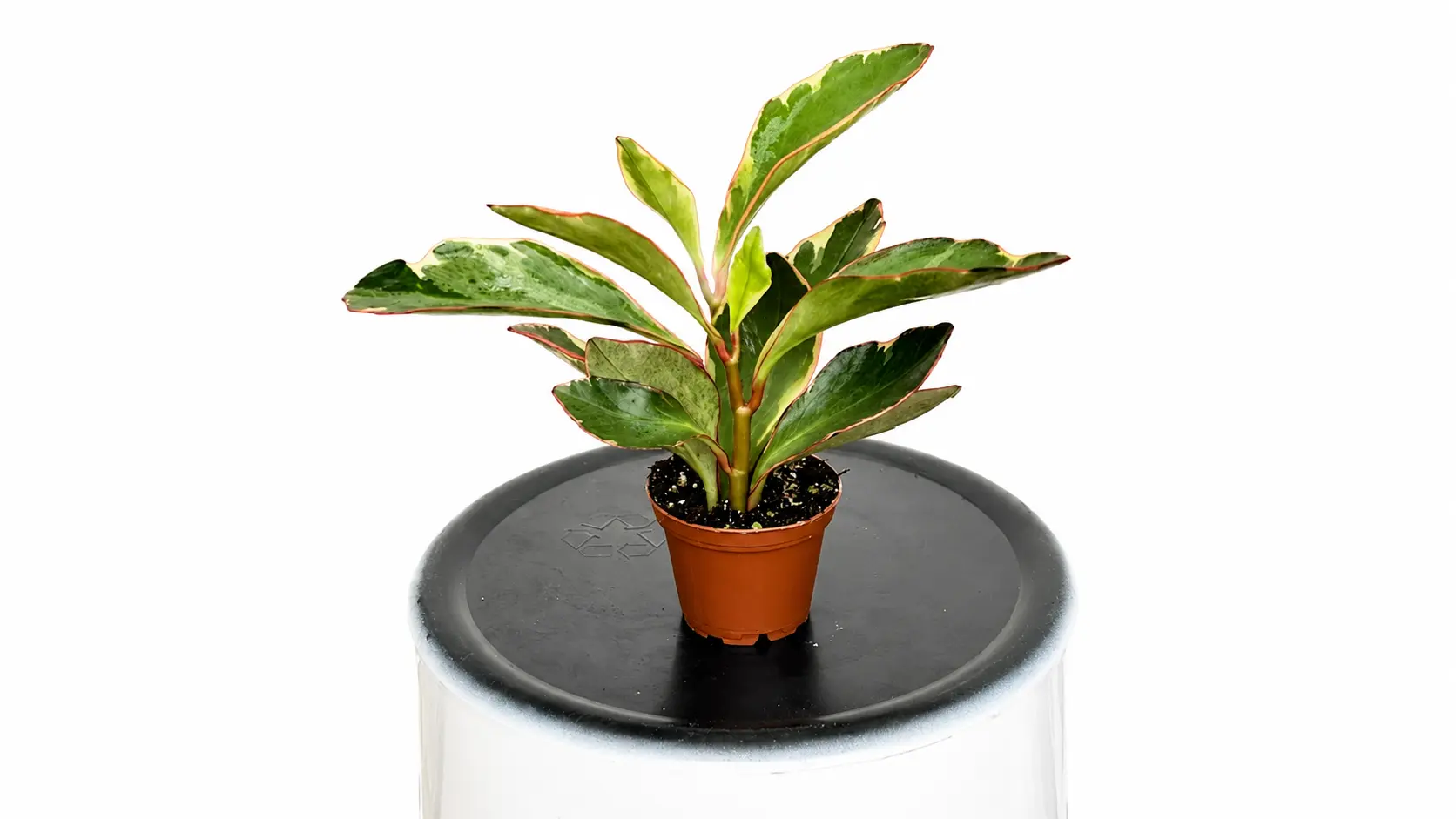
Credits: Plant Decor Shop
Peperomia comes in many leaf shapes and colors. It handles humidity well and requires little water. It stays compact and rarely causes problems in a closed terrarium.
With over a thousand species available, you can mix several peperomia varieties in one terrarium and get a totally different look from each one.
Pro Tip: Avoid overwatering peperomia. It stores water in its thick leaves, so it can go longer between waterings than most terrarium plants.
3. Creeping Fig (Ficus pumila)
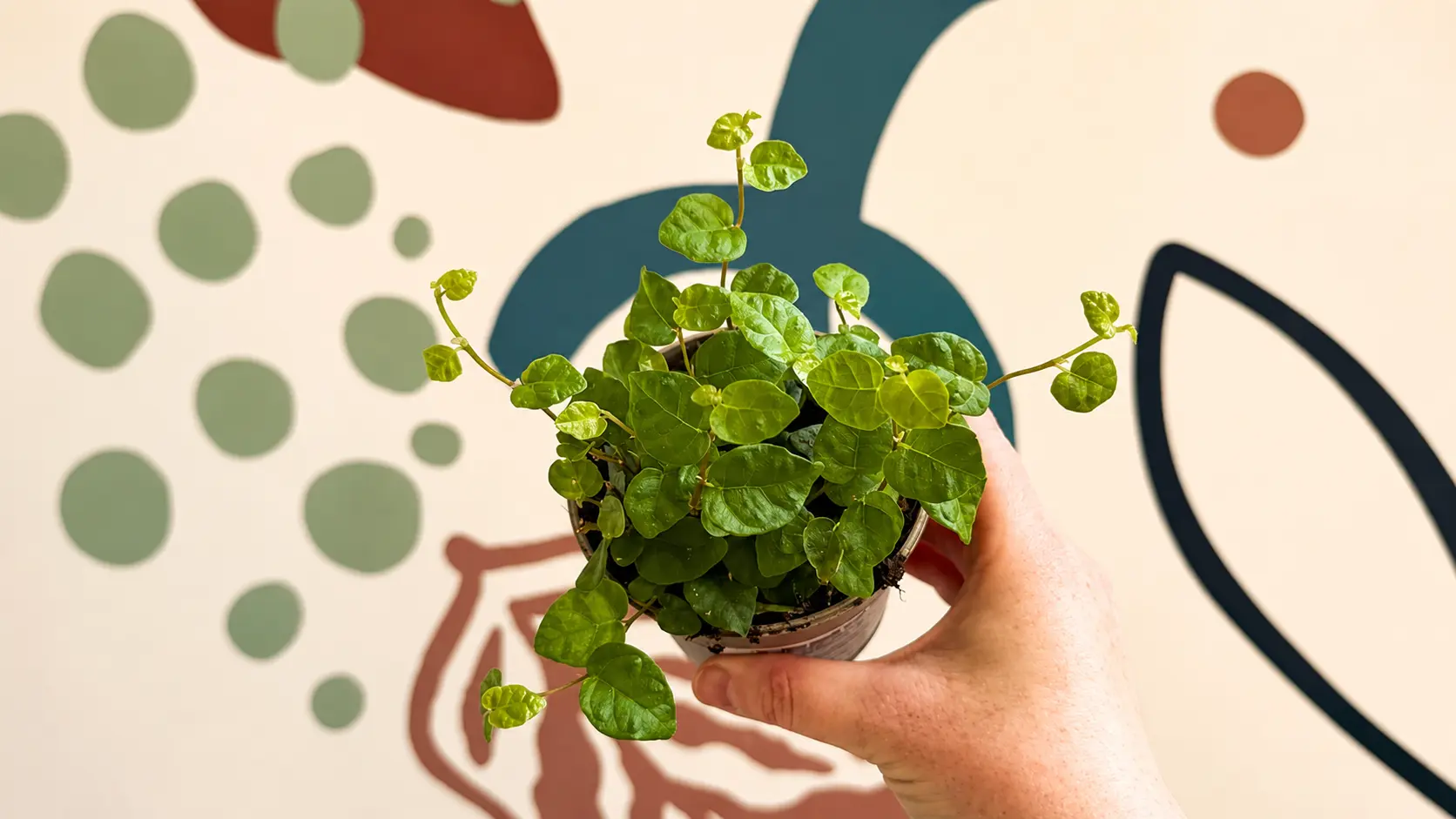
Credits: Sprouts of Bristol
Creeping fig is a vining plant that slowly spreads across surfaces inside the terrarium. It loves humidity and indirect light. It does need some occasional trimming to keep it from taking over.
Over time, it will attach itself to rocks, wood, and even the glass walls, giving the terrarium a lush, overgrown look.
Pro Tip: Trim creeping fig every few weeks during its active growing season. Left unchecked, it can cover everything else in the container within a couple of months.
4. Button Fern
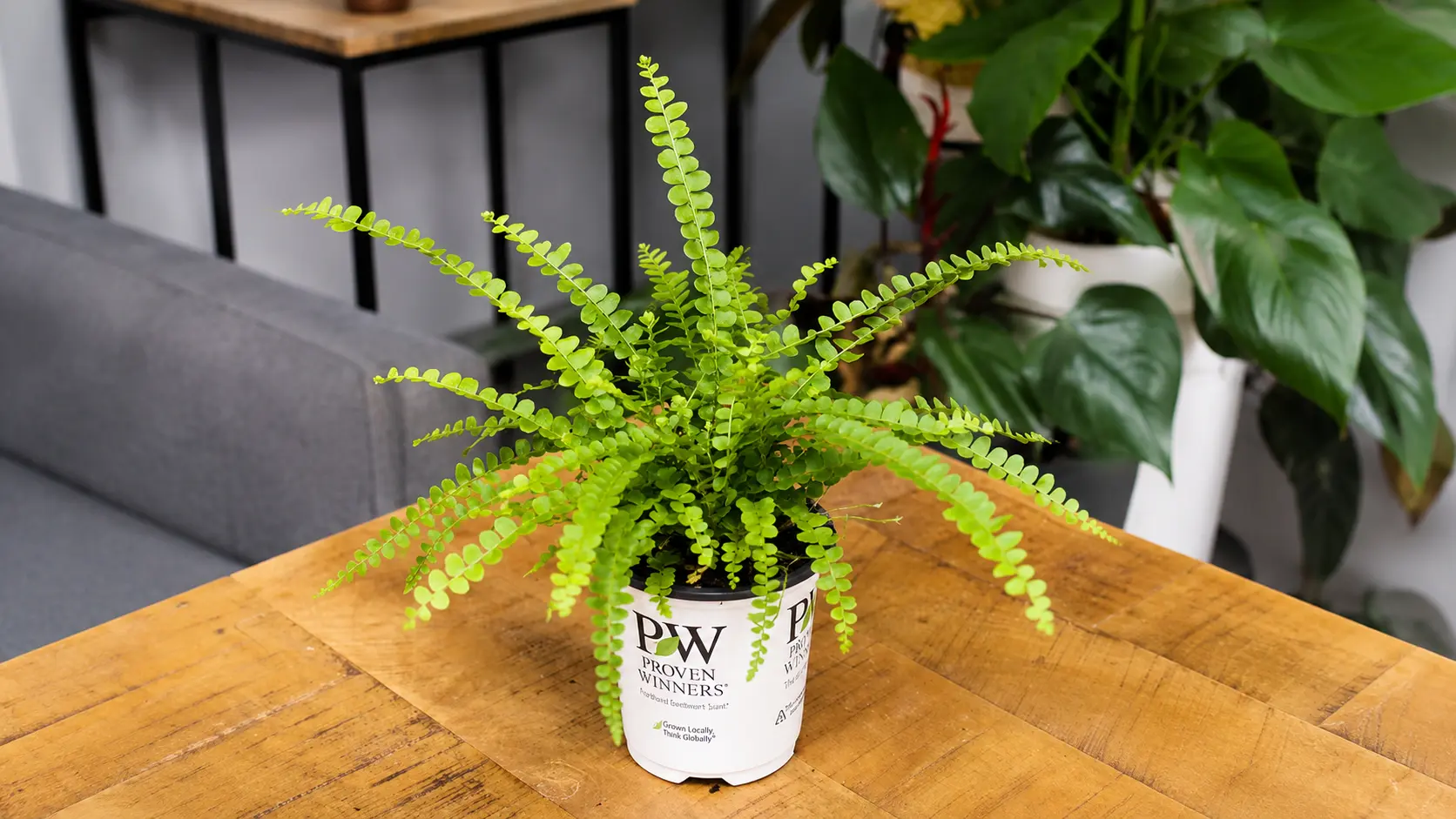
Credits: Proven Winners
Button fern has small, round leaflets along arching stems. It prefers consistent moisture and low to medium light. It stays relatively compact and adds a delicate look to any setup.
It is also one of the more heat-tolerant ferns, which makes it a reliable choice for terrariums that sit near a window.
Pro Tip: Keep button fern away from direct sunlight. The leaves will dry out and turn brown at the tips if they get too much direct light, even inside a closed terrarium.
5. Baby Tears
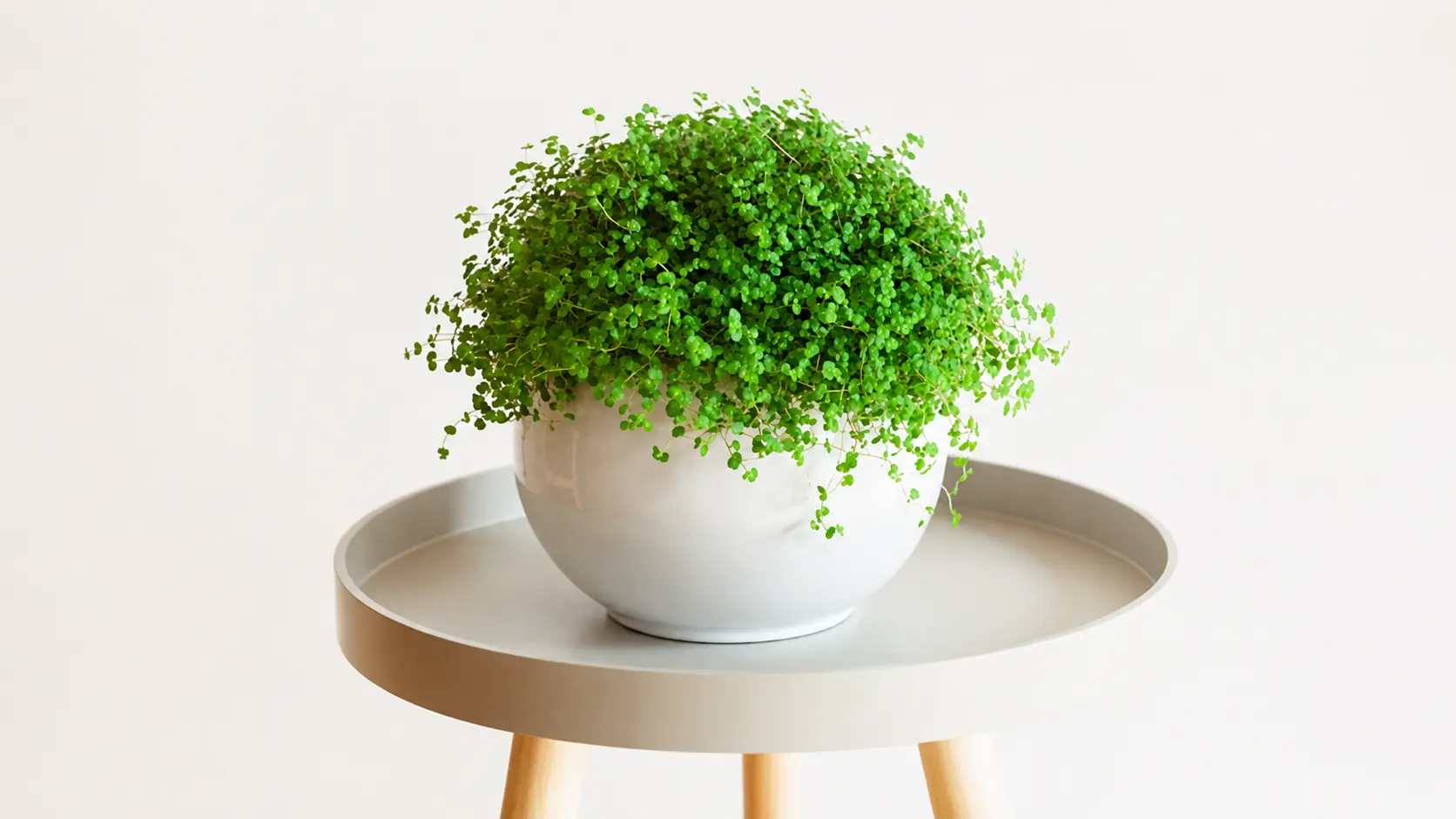
Credits: Healthy Houseplants
Baby tears form a low, dense mat of tiny leaves. It spreads slowly and thrives in high humidity. It works as a ground cover in closed terrariums and pairs well with taller plants.
It fills in empty soil patches quickly and creates a soft, carpet-like base that makes the whole setup look polished.
Pro Tip: Baby tears spread fast in ideal conditions, so plant them on one side of the terrarium rather than in the center. This gives other plants room to grow without getting covered.
6. Mosses
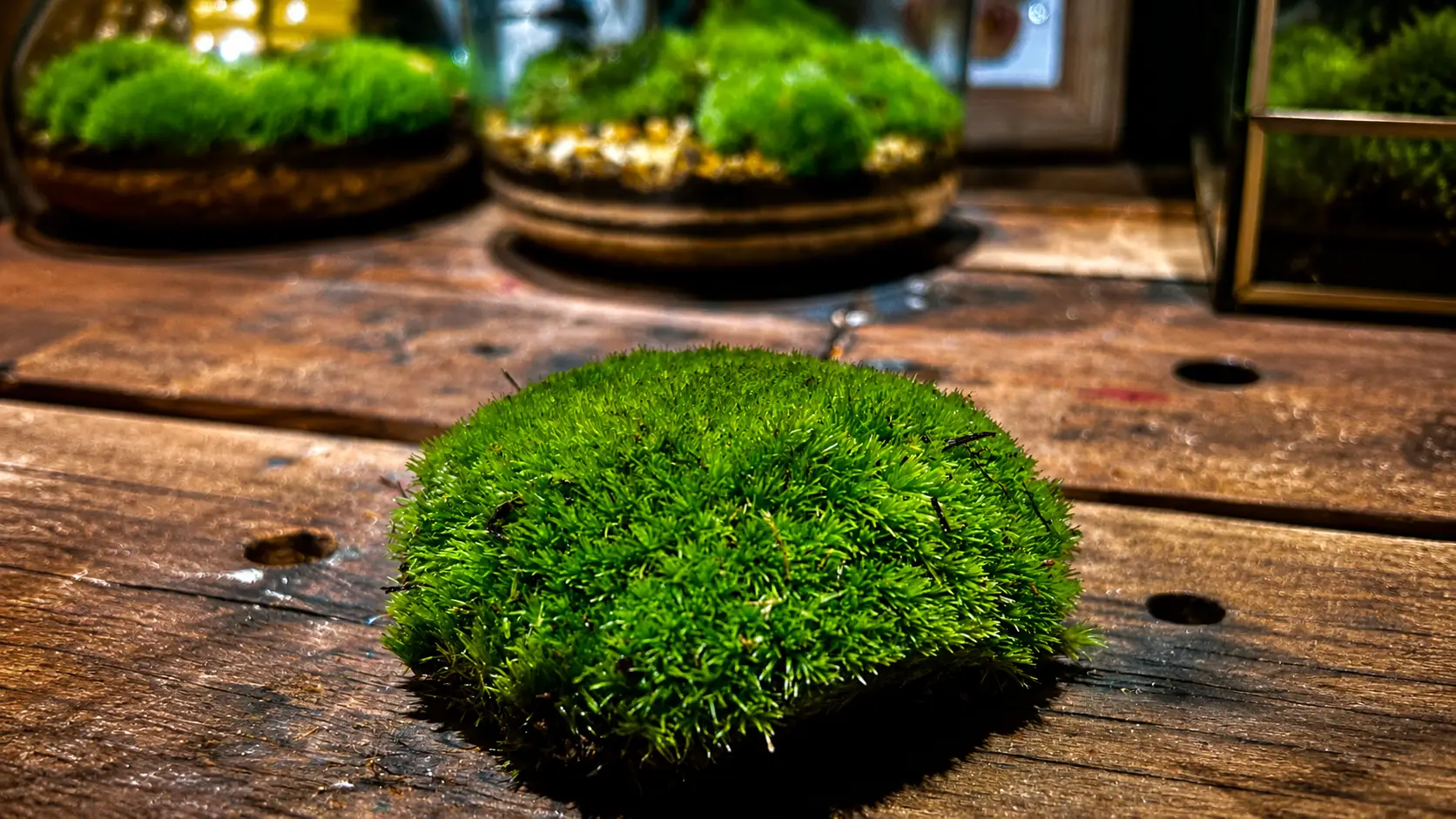
Credits: Botanical Boys
Mosses are some of the easiest plants for closed terrariums. They need no soil, love humidity, and grow very slowly. Sheet moss, cushion moss, and mood moss all work well.
They also help retain moisture in the lower layers of the terrarium. Moss also acts as a natural filter, absorbing excess moisture and keeping the ecosystem balanced.
This is one reason moss is frequently included in a self-sustaining terrarium, where maintaining moisture balance is essential.
Pro Tip: If your moss starts turning yellow, it is usually a sign of too much light or not enough moisture. Move the terrarium to a shadier spot and give it a light misting.
Best Terrarium Plants for Open Terrariums
Open terrariums do not hold in moisture, which means they work best for plants that prefer dry conditions. These plants need good drainage, airflow, and more light than the tropical varieties used in closed setups.
7. Haworthia
Credits: Plant Orbit
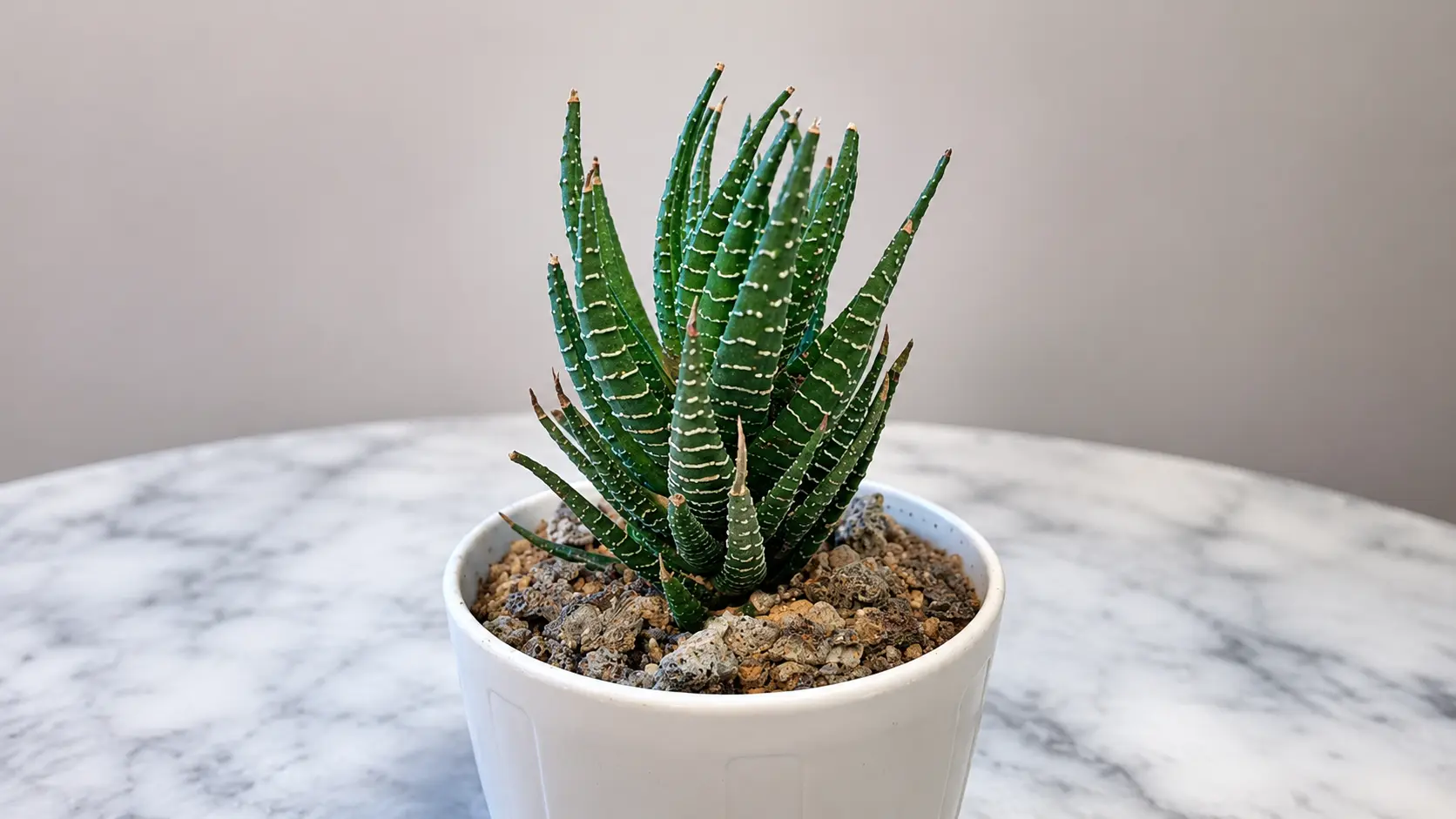
Haworthia resembles a small aloe and is one of the most popular open terrarium plants. It needs well-draining soil, airflow, and bright indirect light.
It handles drought well and stays small. Unlike most succulents, Haworthia prefers lower light levels, making it one of the easiest open-terrarium plants to keep indoors. You can check the full Haworthia plant profile from NC State Extension for more variety details.
Pro Tip: Water Haworthia only when the soil is completely dry. Sitting in moist soil even for a short time can cause the roots to rot.
8. Echeveria
Credits: Frek
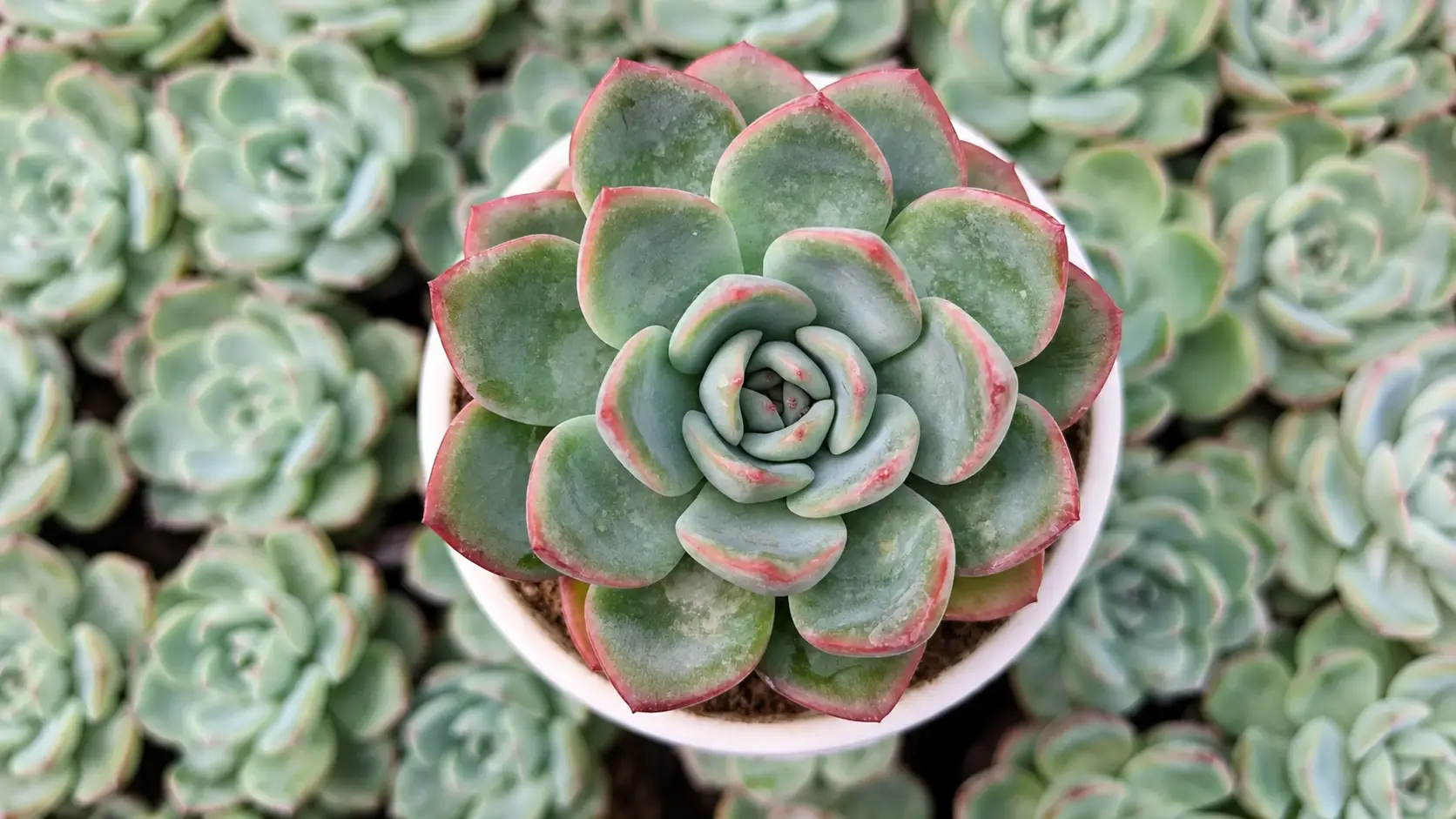
Echeveria is a rosette-shaped succulent with thick, fleshy leaves. It needs good drainage, plenty of light, and dry conditions.
It works perfectly in open terrariums where moisture levels stay low. It also comes in a wide range of colors, from pale green to deep purple, adding a nice visual pop to any open setup.
Pro Tip: Place echeveria in the sunniest spot available. Without enough light, the rosette will stretch outward and lose its tight, compact shape.
9. Air Plants
Credits: Healthy Houseplants
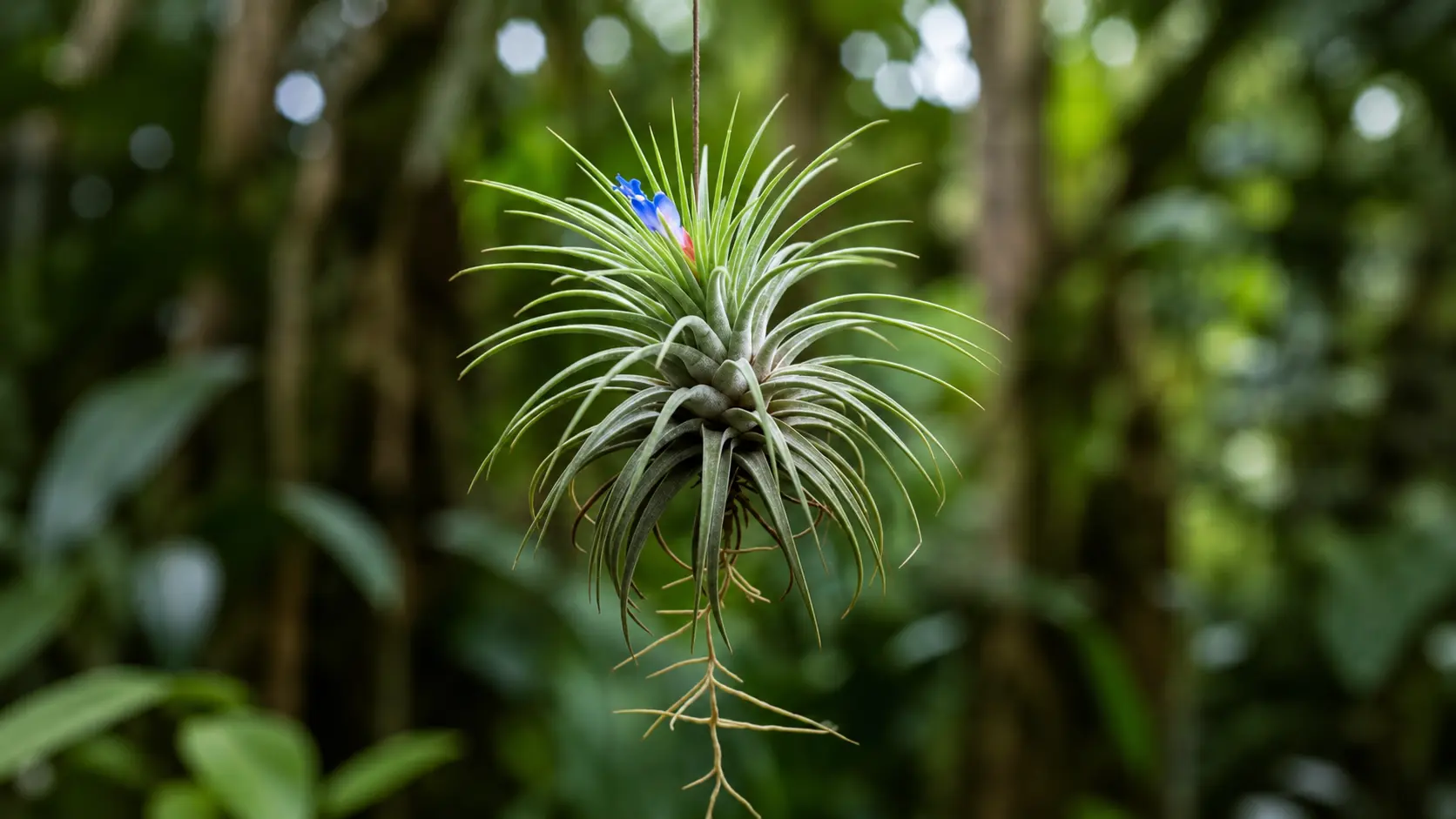
Air plants (Tillandsia) need no soil. They absorb water and nutrients through their leaves. Illinois Extension has a helpful air plant care sheet that covers watering and light in detail.
They do well in open terrariums with good airflow and indirect light. Misting them once or twice a week keeps them healthy.
Pro Tip: Once a month, soak air plants in water for about 20 to 30 minutes, then shake off the excess and let them dry completely before placing them back in the terrarium. This keeps them hydrated better than misting alone.
10. Small Cacti
Credits: Costa Farms
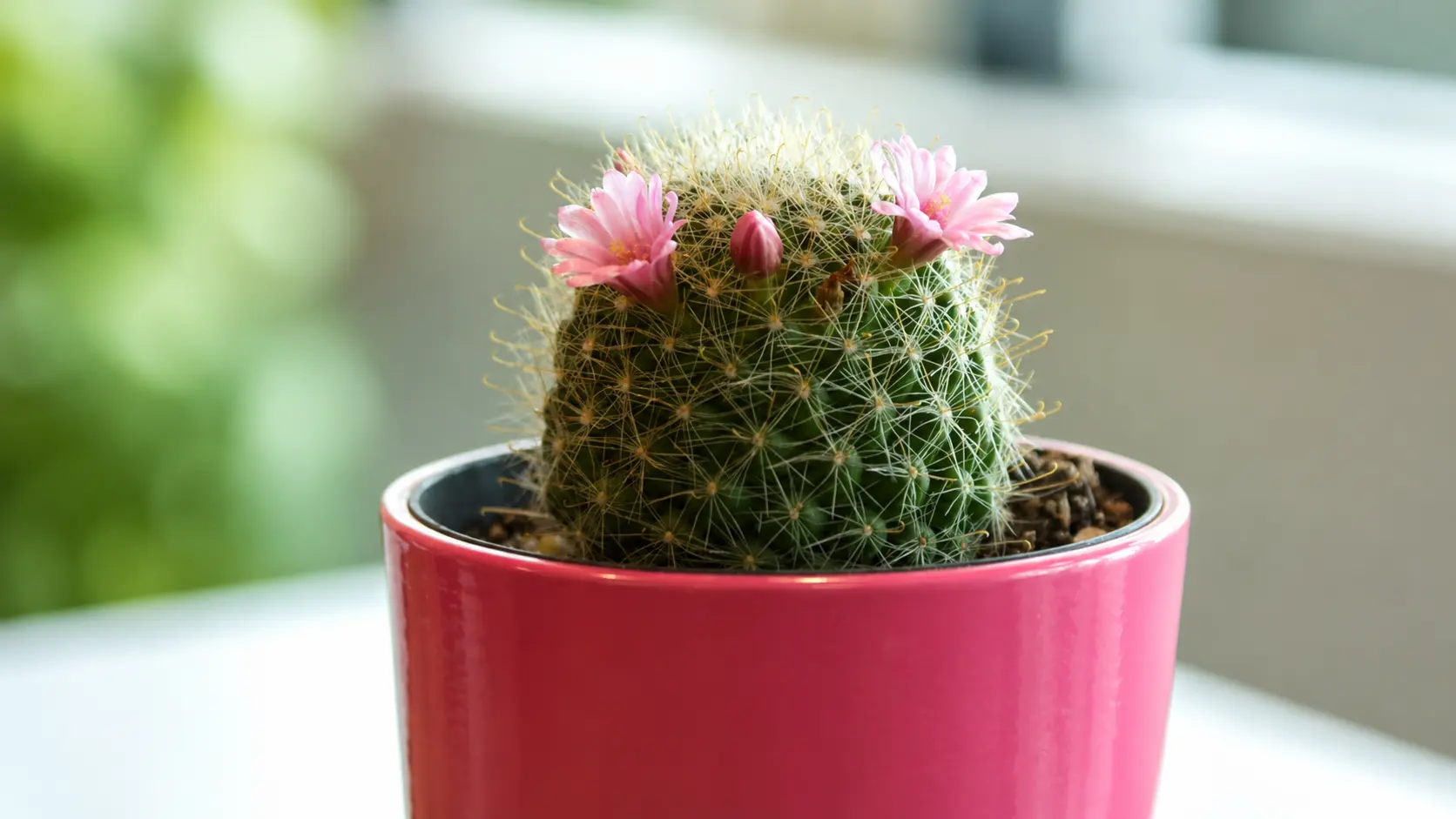
Small cacti varieties like mammillaria or gymnocalycium stay compact and fit well in open terrariums. They need sandy, well-draining soil, dry air, and plenty of light. They are very low maintenance.
Pro Tip: Use a cactus-specific soil mix or add perlite to regular potting soil. Standard soil holds too much moisture for cacti, which can cause root rot over time.
11. Sedum Varieties
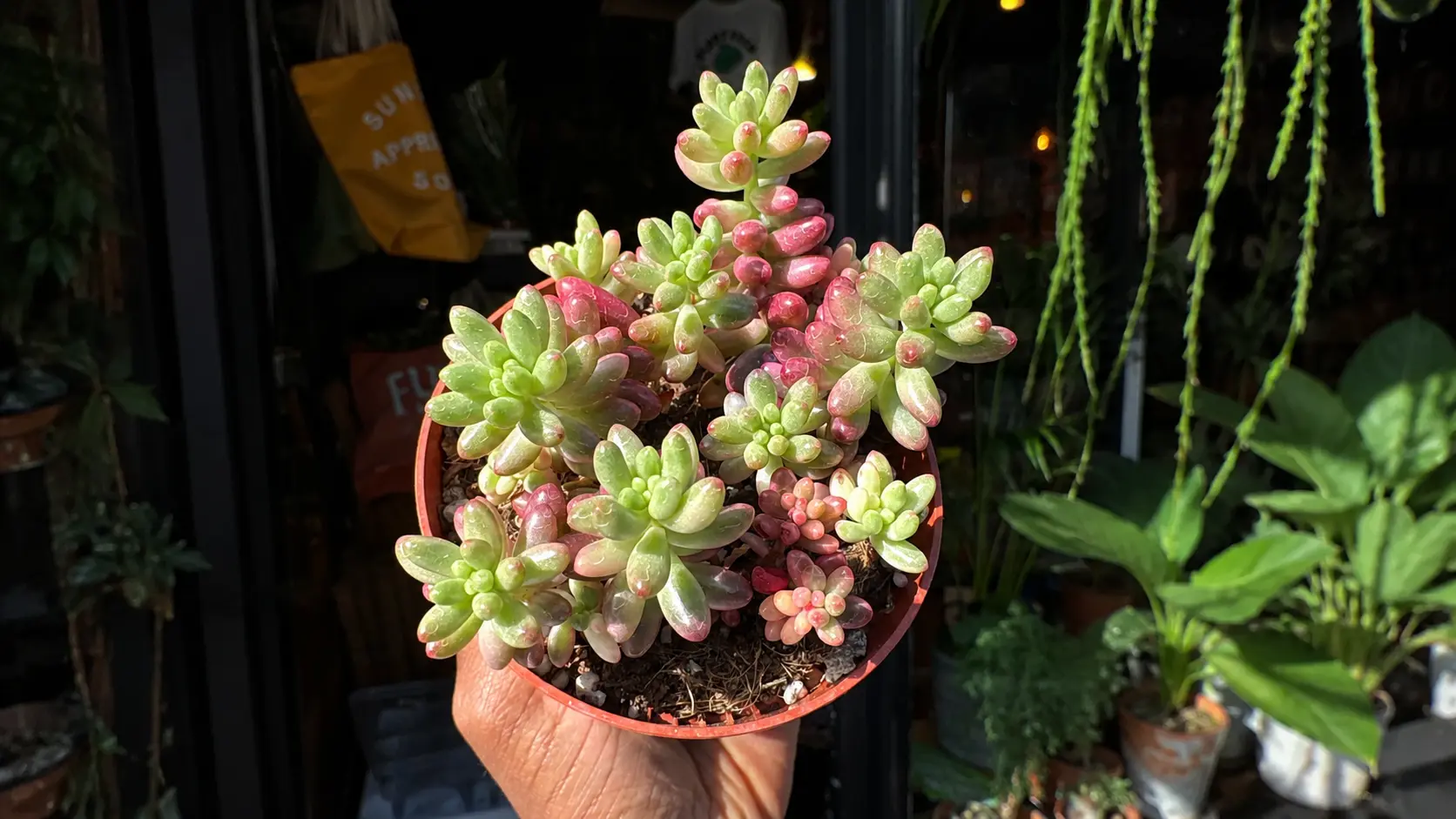
Credits: Urban Tropicana
Sedum is a type of succulent that comes in many textures and colors. It tolerates drought, needs bright light, and does well in well-drained soil.
Many sedum varieties stay under a few inches tall. Some varieties trail along the edges of the container, which can look great in shallow open terrariums.
Pro Tip: If sedum starts looking leggy or stretched out, it needs more light. Move it closer to a bright window or supplement with a grow light.
Best Terrarium Plants for Beginners
Starting with the wrong plants is the fastest way to get frustrated with terrariums. These five options are forgiving, widely available, and work well for anyone setting up their first glass garden.
12. Fittonia
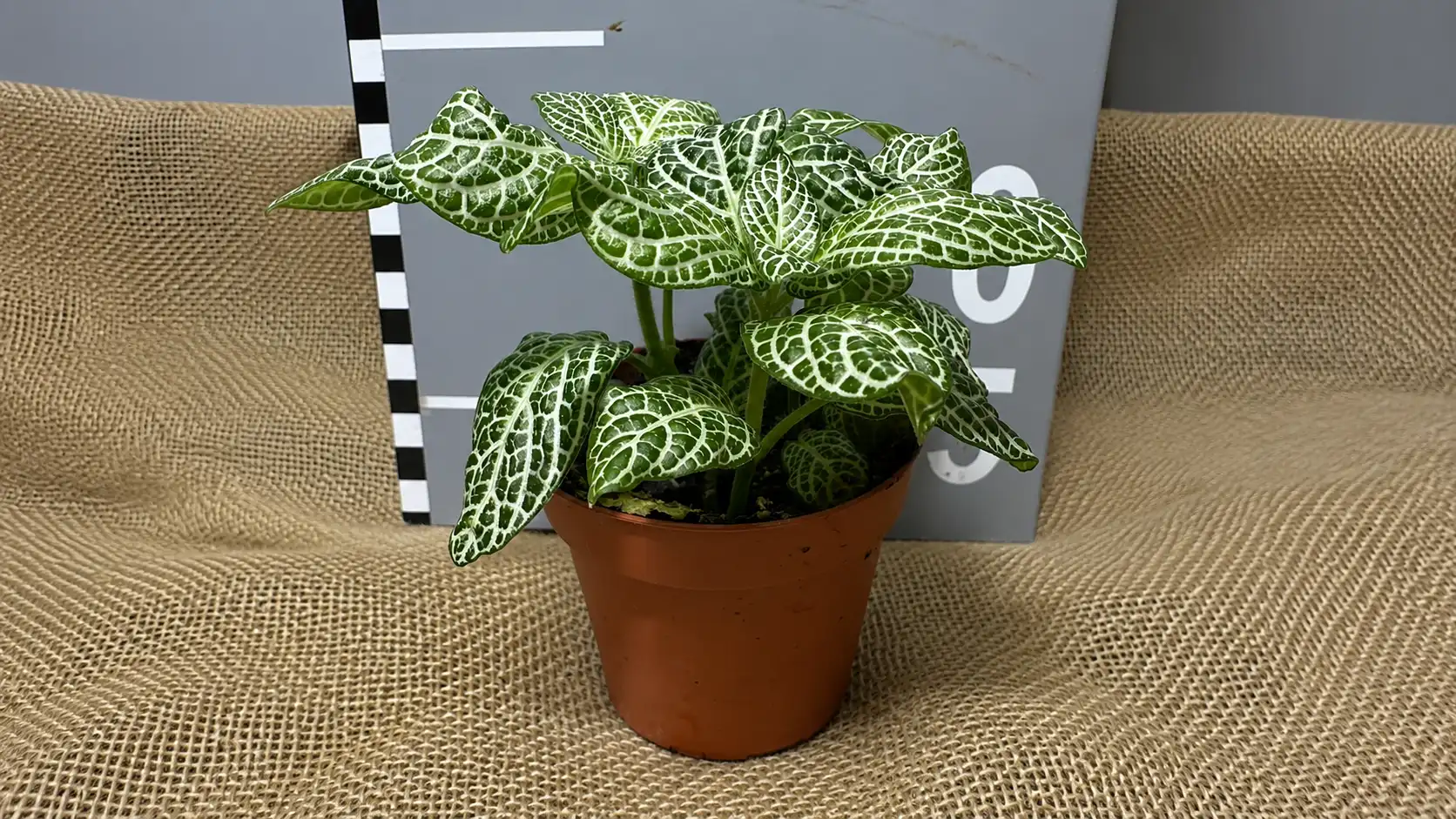
Credits: Big Plant Nursery
Fittonia is one of the most forgiving terrarium plants. It tolerates low light, loves humidity, and shows clear signs when it needs water by wilting slightly.
It bounces back quickly once watered. It is also a great visual indicator plant, meaning its behavior tells you a lot about the overall health of your terrarium.
Pro Tip: Use fittonia as a moisture gauge. If it starts to droop, the terrarium is getting too dry. If leaves look yellowed or soggy, you may be overwatering.
13. Pothos
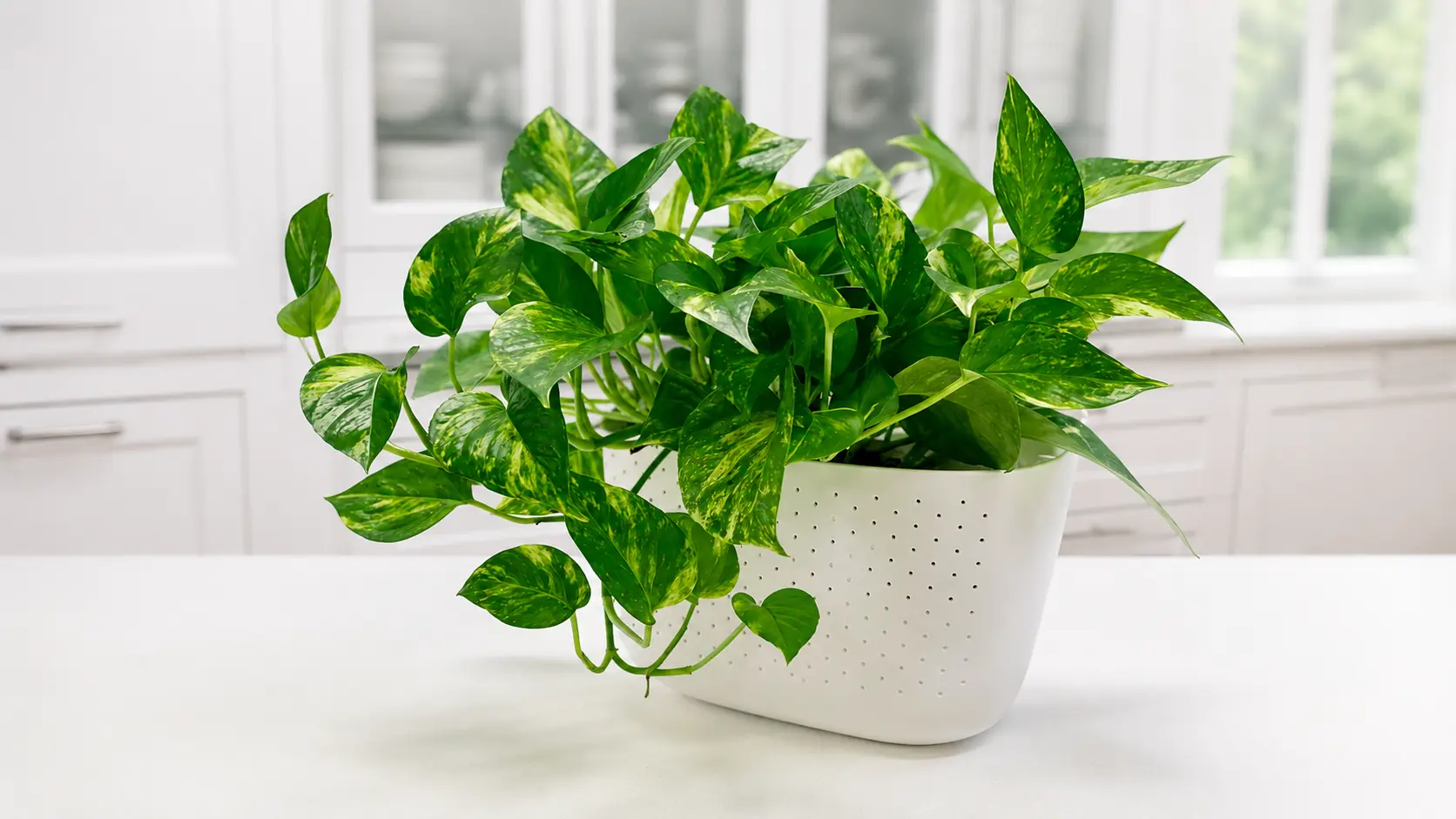
Credits: Nouveau Raw
Pothos grows easily in almost any condition. For terrariums, use small cuttings and trim them regularly so they do not take over the space.
It works in open terrariums or larger closed setups. It is one of the few plants that will survive almost any beginner mistake, including inconsistent watering and low light.
Pro Tip: Start with a single small cutting rather than a full plant. Pothos grows fast, and a terrarium will fill up quickly if you start with too much.
14. Peperomia
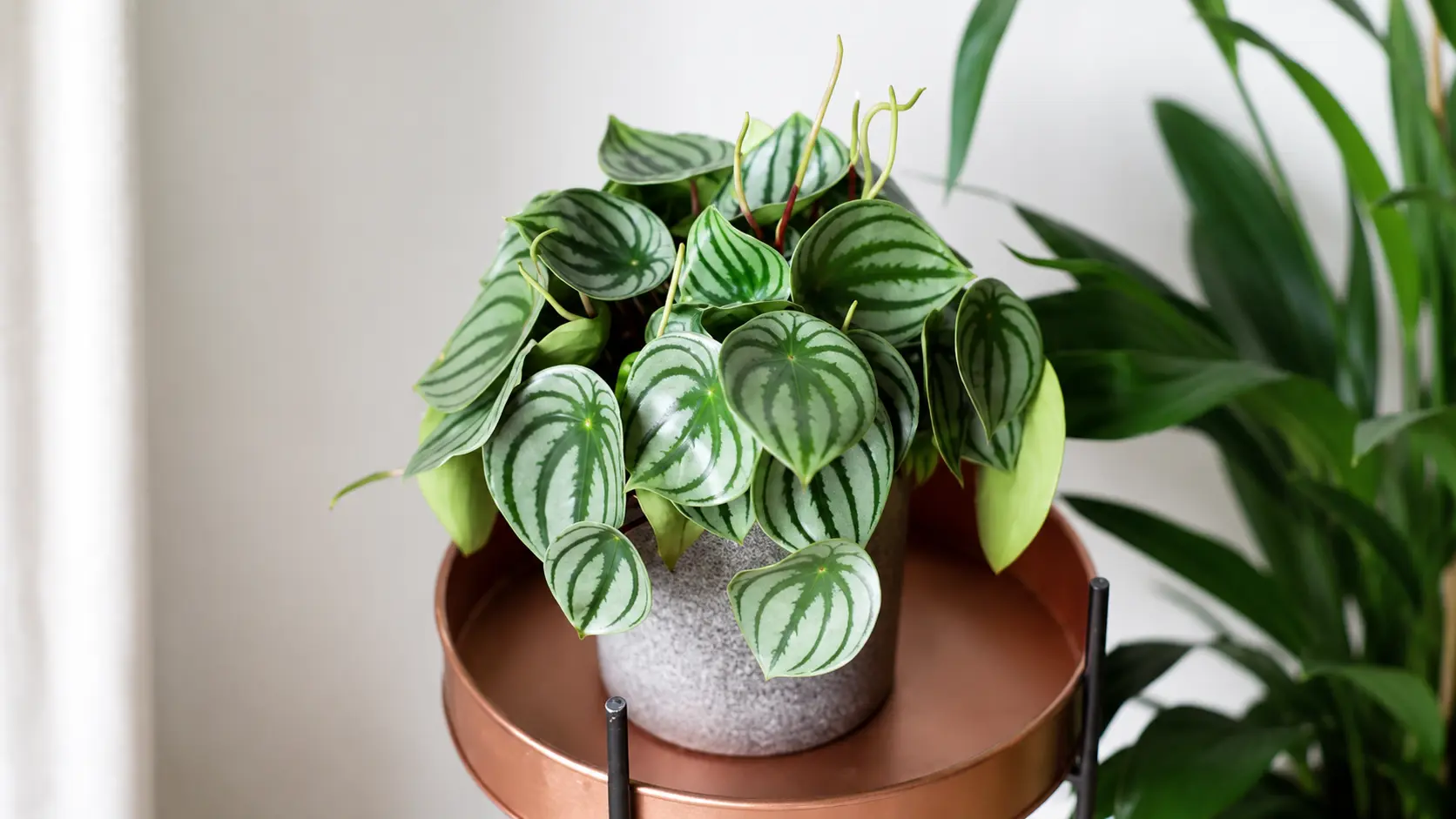
Credits: The Little Botanical
Peperomia handles neglect well and does not need frequent watering. It stays compact and comes in a wide variety of options, so it adds visual interest with minimal effort.
It is also one of the best plants for people who tend to forget to water, since it stores moisture in its leaves and can go several weeks without attention.
Pro Tip: Pick a variety with thick, waxy leaves for even more drought tolerance. Peperomia obtusifolia and peperomia caperata are two beginner-friendly options that are easy to find online.
15. Spike Moss
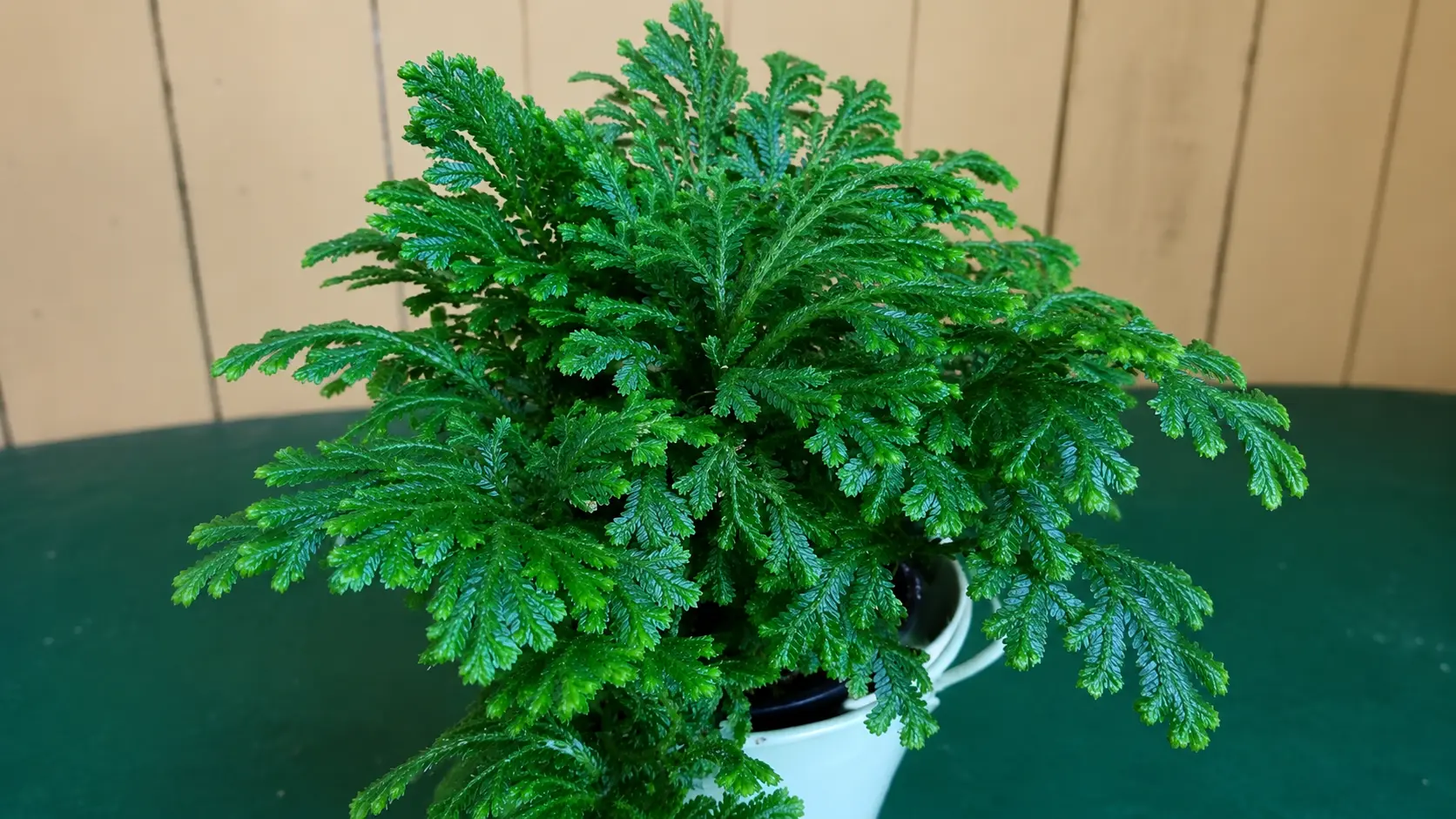
Credits: Healthy Houseplants
Spike moss looks like a soft, feathery carpet. It spreads slowly, loves humidity, and works well as a ground cover in closed terrariums.
It is very low-maintenance and fills the spaces between other plants without crowding them out.
Pro Tip: Spike moss does best with consistent moisture but not standing water. Make sure the terrarium has a drainage layer at the bottom so excess water does not pool around the roots.
16. Creeping Fig
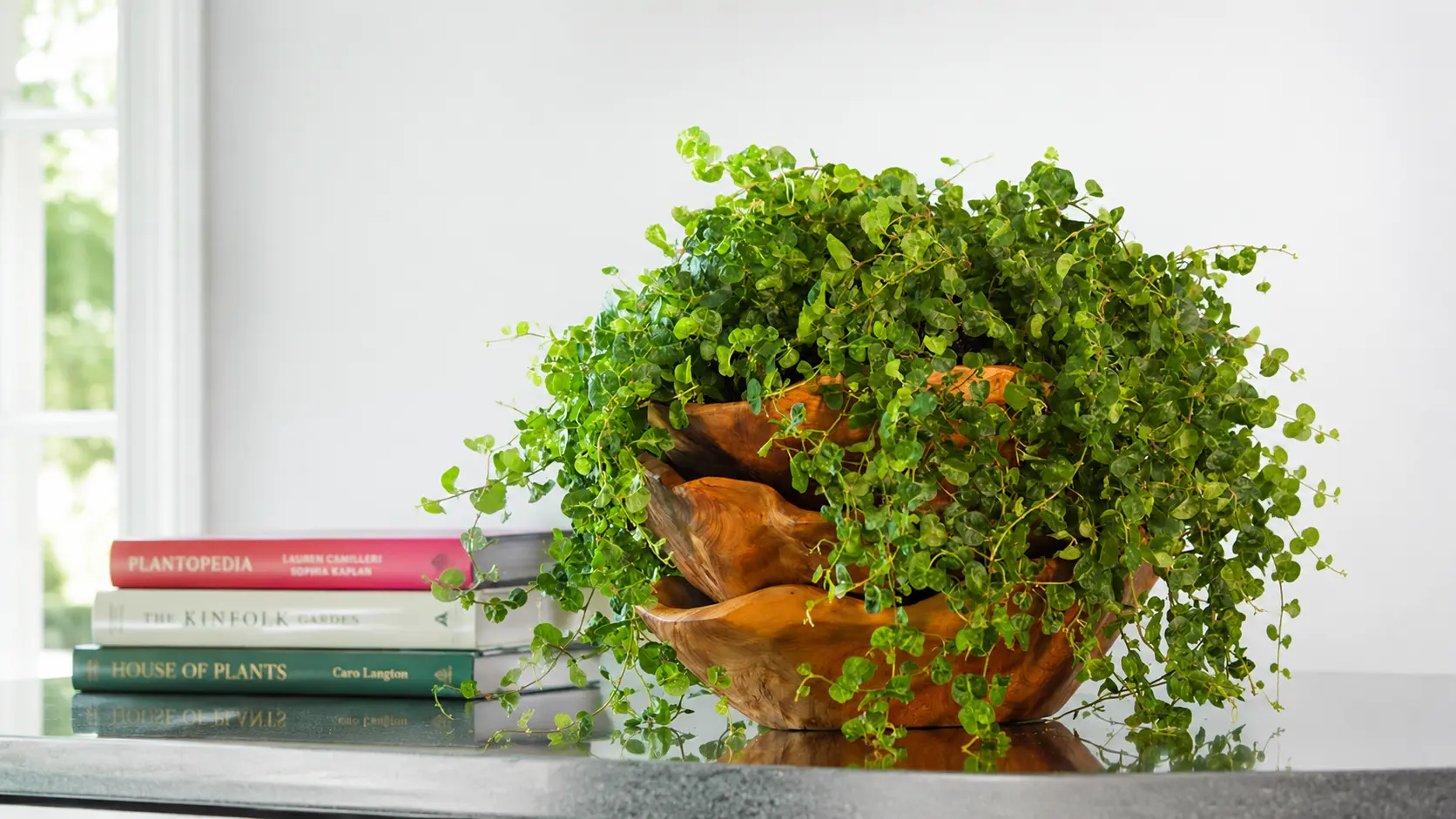
Credits: Costa Farms
Creeping fig is easy to grow and adapts well to closed terrariums. It just needs occasional pruning to stay in check.
It is a great choice for beginners who want a plant that actively adds texture and movement to the design without needing much care.
Pro Tip: Train creeping fig to grow along a piece of driftwood or a small rock by gently pressing the stems against the surface. It will attach on its own within a few weeks.
Terrarium Plants That Stay Small
One of the biggest challenges in building a terrarium is keeping it looking the way it did on day one.
17. Mini Ferns
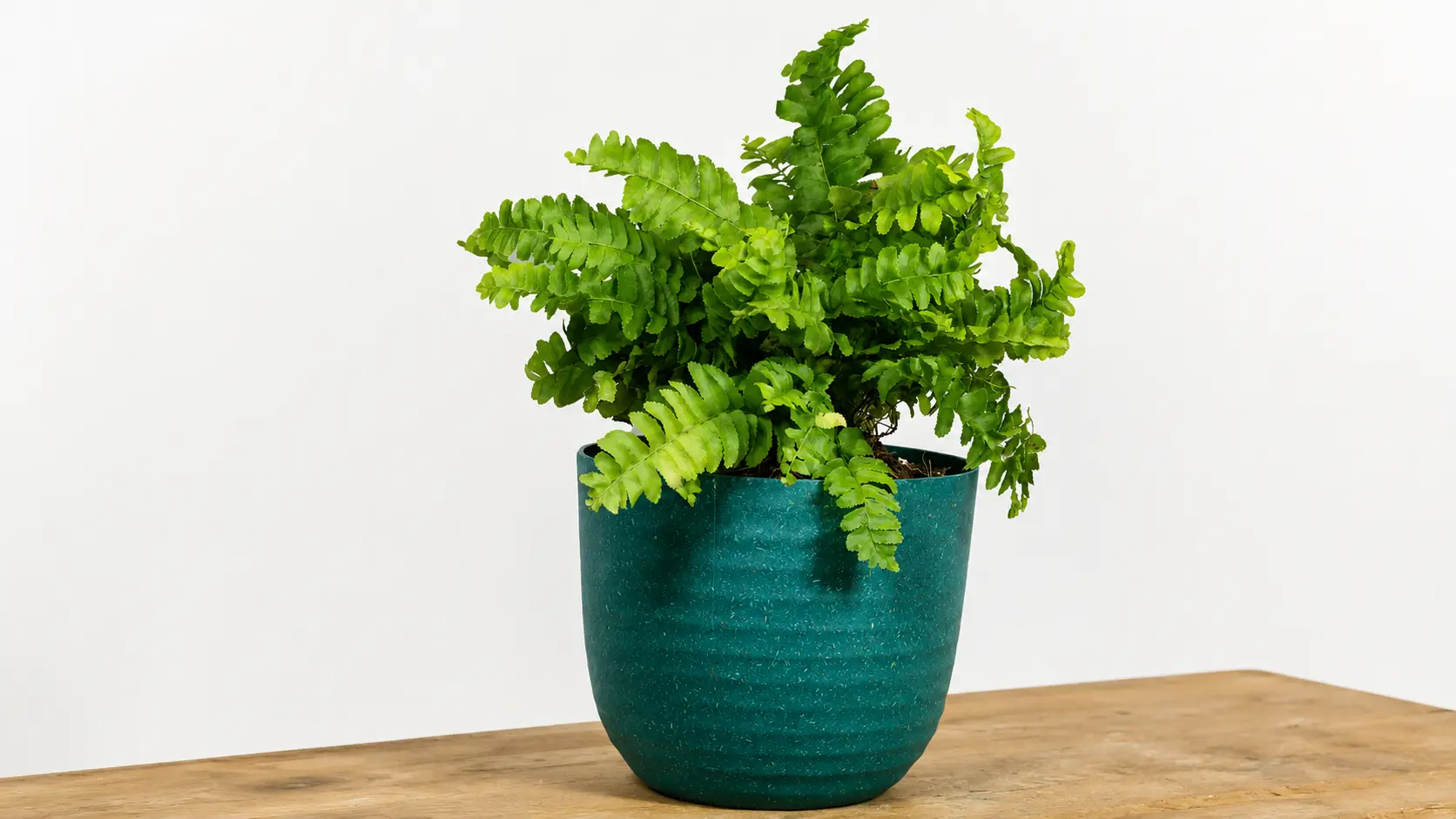
Credits: Nursery Nisarga
Mini fern varieties like maidenhair or lemon button fern stay under six inches. They love humidity and low light, making them ideal for closed setups.
Their delicate, feathery fronds also add a soft texture that contrasts nicely with broader-leafed plants like peperomia or fittonia.
Pro Tip: Mini ferns are sensitive to dry air. Keep them in closed terrariums only, and avoid placing the container near heating or air conditioning vents.
18. Pilea Glauca
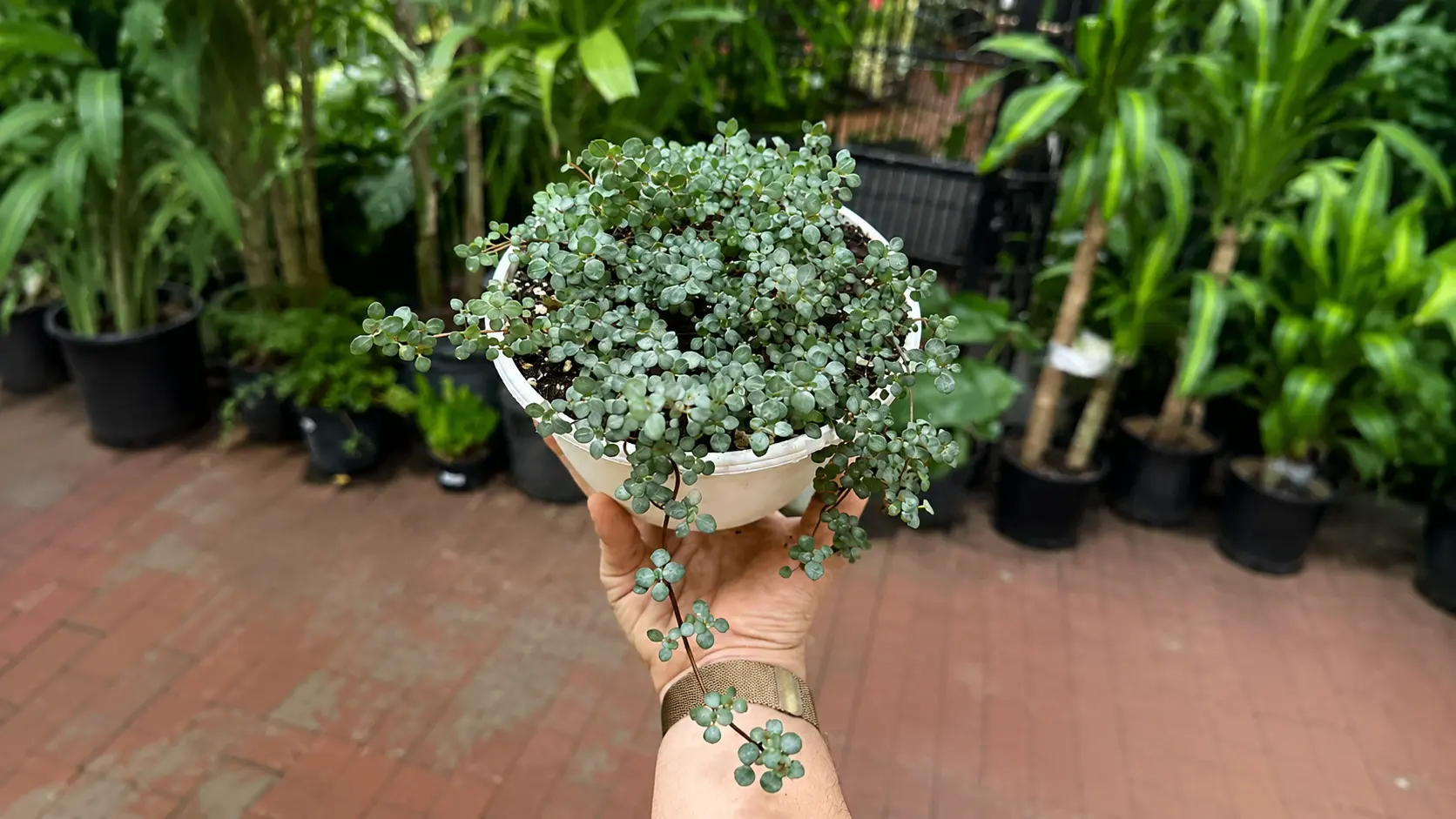
Credits: Jordan’s Jungle
Pilea glauca has tiny silvery-green leaves on trailing stems. It grows slowly and stays small, making it a great filler plant in small terrariums.
It also has a slightly shimmery appearance that catches the light and adds depth to the overall design.
Pro Tip: Pilea glauca prefers slightly moist soil but not soggy conditions. In a closed terrarium, you may only need to add water every few weeks once the ecosystem stabilizes.
19. String of Turtles
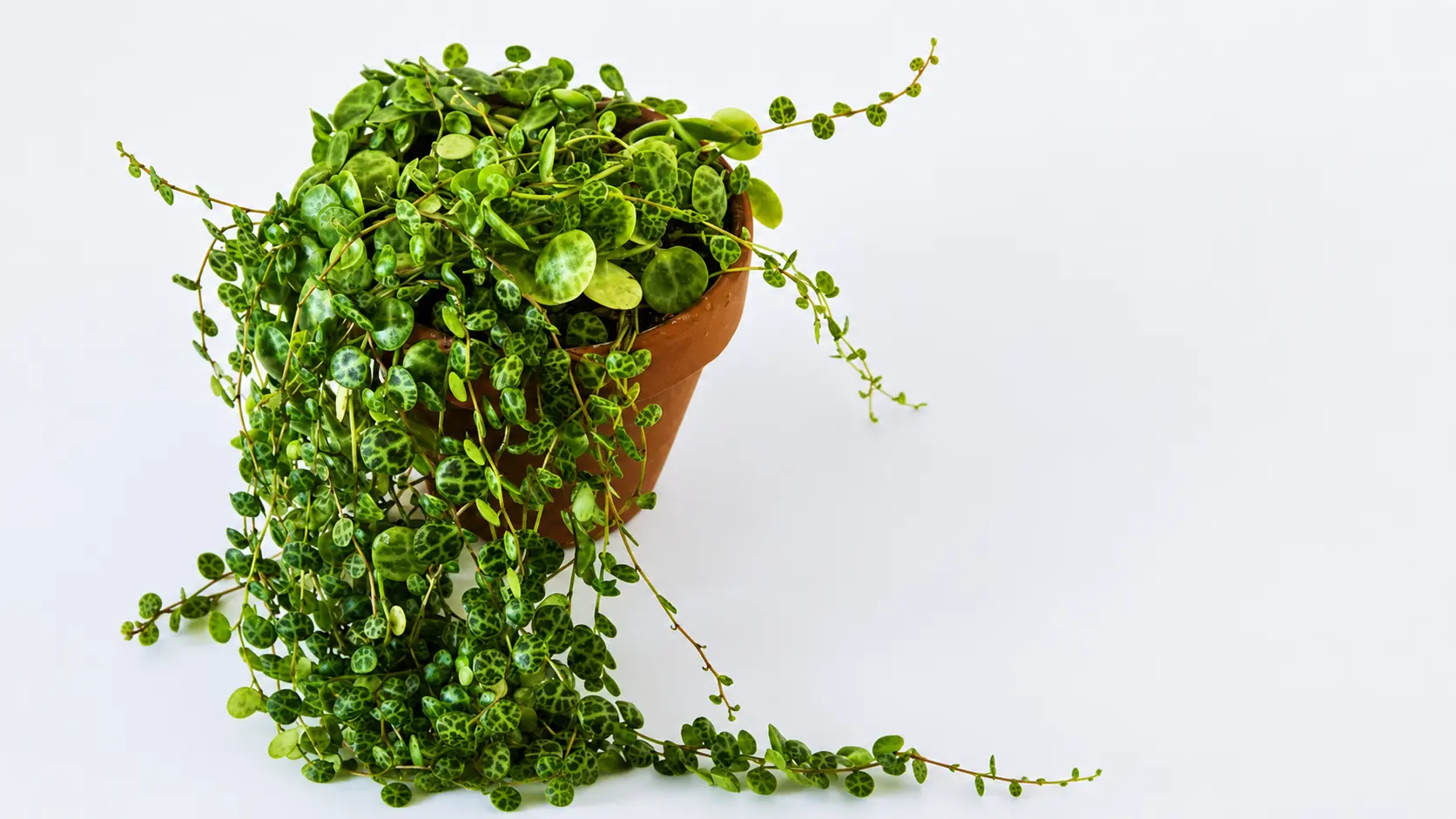
Credits: Langdon’s Flowers
String of turtles is a small, slow-growing peperomia with turtle-shell patterned leaves. It works best in semi-open setups with moderate humidity.
The trailing stems also look great hanging over the edges of open containers or draped across rocks inside the terrarium.
Pro Tip: String of turtles grows very slowly, so do not expect rapid changes. Give it stable conditions and avoid moving it around frequently, as it takes time to adjust to new environments.
20. Mini Peperomia
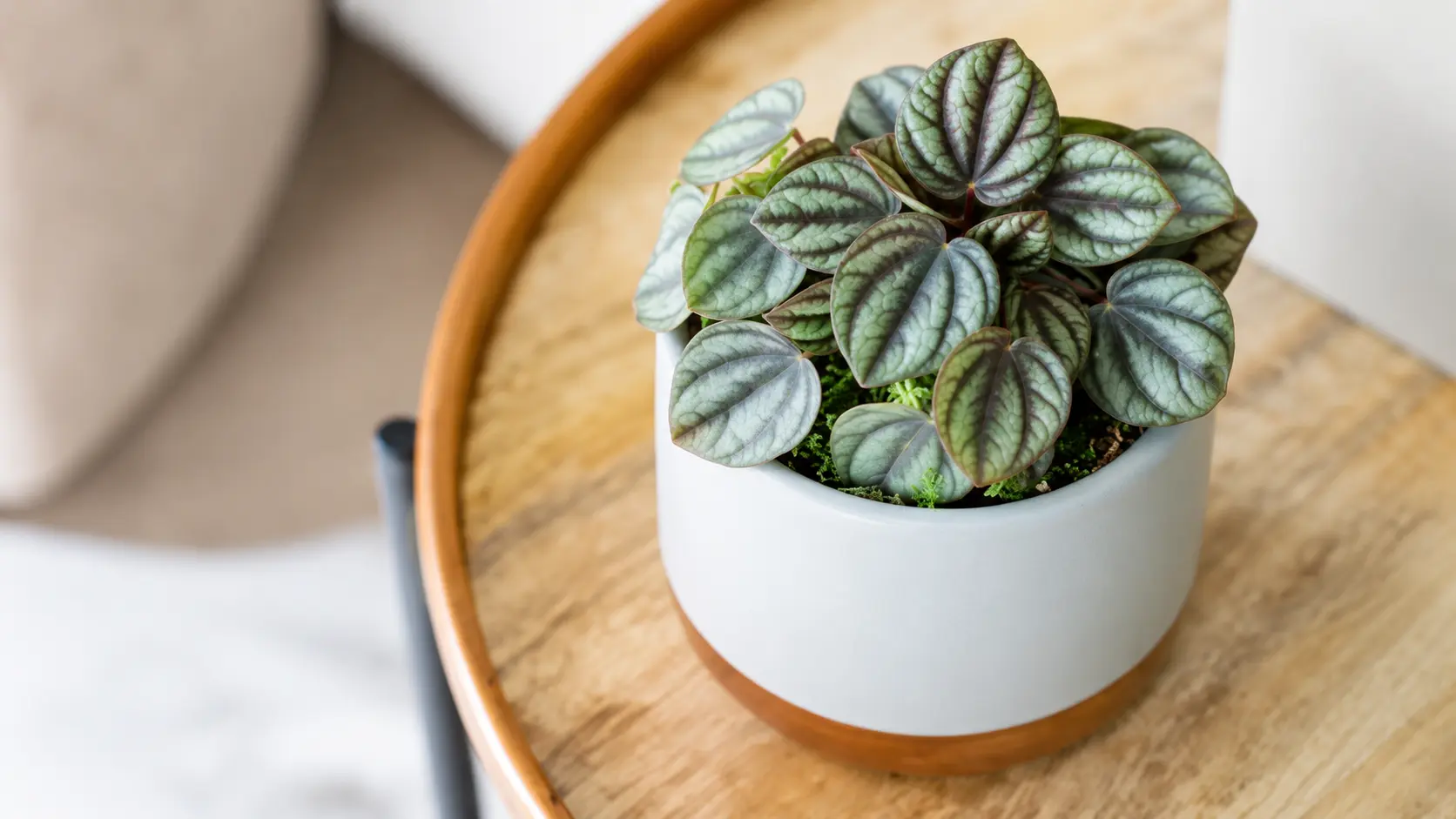
Credits: The Little Botanical
Mini peperomia varieties, like peperomia rotundifolia, stay under 4 inches. They are perfect for tight spaces inside small glass containers.
They also grow in interesting ways, with round leaves that overlap along thin, creeping stems that naturally fill in gaps.
Pro Tip: These tiny plants are easy to overwater. In a closed terrarium, they may need almost no added water once the humidity levels stabilize inside the glass.
21. Selaginella
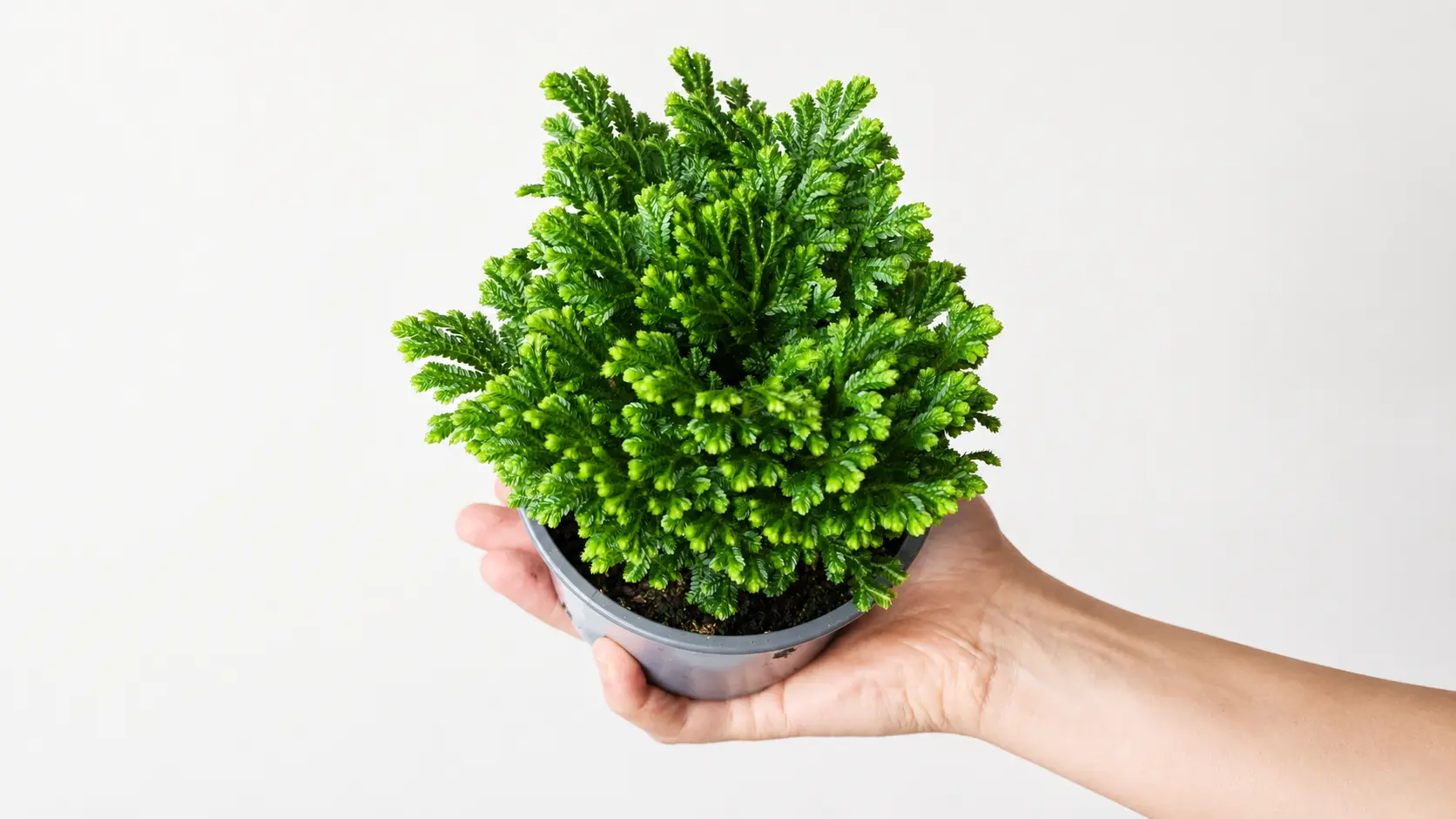
Credits: GrowTropicals
Selaginella is a moss-like plant that spreads slowly across the terrarium floor. It stays low, loves humidity, and adds a lush green texture to any setup.
It looks similar to moss but has a slightly more structured growth pattern, which makes it useful for filling in specific areas without spreading out of control.
Pro Tip: Selaginella can dry out quickly if exposed to open air for too long. It is best suited for closed terrariums where humidity stays consistently high.
Size matters in enclosed spaces. Plants that grow too large too fast will block light, crowd out smaller plants, and force you to rebuild the whole terrarium sooner than expected.
Where to Buy Terrarium Plants Online
Many retailers sell terrarium plants online, but choosing a reputable source can improve plant quality and shipping success.
- Specialty Terrarium Stores: Online stores that focus on terrariums often carry unique varieties and package plants specifically for terrarium use.
- Etsy Sellers: Many Etsy shops specialize in terrarium plants and offer healthy, well-packaged specimens. Checking reviews and seller ratings can help you find reliable options.
- Online Plant Nurseries: Large online nurseries usually offer a wider selection and bulk-buy options, making them a good choice for larger projects.
- The Sill: A popular online plant retailer that offers beginner-friendly houseplants suitable for terrariums.
- Josh’s Frogs: Known for terrarium and vivarium supplies, with a strong selection of mosses, ferns, and tropical plants.
No matter where you buy, choose healthy plants that match your terrarium type and care requirements.
Best Places to Buy Terrarium Plants Online
Finding healthy terrarium plants is much easier when you buy from retailers that specialize in small indoor plants, tropical species, or succulent collections. The stores below are popular options for beginners and experienced terrarium hobbyists alike.
| Retailer | Best For | Typical Price Range* |
|---|---|---|
| Etsy | Unique terrarium plants and rare varieties from independent sellers | $5–$25+ per plant |
| Josh’s Frogs | Tropical terrarium species, mosses, and vivarium plants | $4–$20+ per plant |
| The Sill | Beginner-friendly plants and curated plant collections | $10–$40+ per plant |
| Glass Box Tropicals | Rare terrarium plants, mosses, and specialty species | $5–$30+ per plant |
| Amazon | Terrarium kits, plant bundles, and starter collections | $15–$60+ per kit |
| Mountain Crest Gardens | Succulents and drought-tolerant terrarium plants | $3–$15+ per plant |
Prices are approximate and subject to change based on plant size, availability, shipping costs, and retailer promotions.
No matter where you shop, look for healthy plants with strong roots, pest-free foliage, and growth habits that match your terrarium type. Choosing the right plants from the start can make long-term care much easier.
How to Choose the Right Terrarium Plants When Shopping Online
A little research before buying can help you choose plants that thrive in your terrarium and avoid common mistakes.
Start by checking the plant’s mature size, as compact, slow-growing varieties are usually best for terrariums. This is especially important when learning how to make a terrarium, since overcrowding is one of the most common beginner mistakes.
You should also choose plants that match your terrarium type, with tropical plants for closed setups and drought-tolerant plants for open ones.
It’s equally important to select plants with similar light, watering, and humidity needs to make care easier.
Finally, buy from reputable sellers that offer healthy plant guarantees, secure packaging, and positive customer reviews.
Conclusion
Building a terrarium comes down to one simple rule: match your plants to your setup. Closed terrariums need humidity-loving plants like fittonia, mosses, and peperomia.
Open terrariums do better with dry-loving options like haworthia, echeveria, and small cacti. Beginners should start with low-maintenance picks and keep the plant count small.
Mix different leaf shapes, textures, and shades of green to make the design look full and interesting.
With the right plants and a little patience, even a small glass container can become a long-lasting, low-effort indoor garden.
Frequently Asked Questions
How Long Do Terrarium Plants Typically Live?
With proper care, many terrarium plants can live for several years inside the same container. Some closed terrariums have remained healthy and self-sustaining for decades with minimal intervention.
Can You Mix Live Plants with Decorative Elements in a Terrarium?
Yes, rocks, driftwood, crystals, and miniature figurines can be added without harming the plants. Just avoid overcrowding the container or blocking light and airflow.
Do Terrarium Plants Help Improve Indoor Air Quality?
Like other houseplants, terrarium plants can help clean indoor air by absorbing carbon dioxide and releasing oxygen. However, their impact is relatively small compared to that of larger indoor plants.