A backyard without a fence just feels off. Open in all the wrong ways. Exposed. Like something is clearly missing. And that feeling is hard to ignore once it sets in.
Building a fence is way more doable than most people expect.
From the best diy fence ideas that fit every style and budget, to simple wood fence designs that anyone can tackle on a weekend, to the different types of privacy fences that actually get the job done, everything is broken down in a simple, straightforward way.
A big budget is not needed. Building experience is not required either. Just some planning, the right materials, and a little motivation.
For homeowners who want more privacy, a safer space for pets, or simply a better-looking yard, this is the perfect starting point.
Things to Consider Before Building a DIY Fence
Building a fence yourself can save money and give you better control over the final design. A little planning before you start helps avoid wasted materials, permit issues, and poor results.
- Check Local Building Codes and HOA Rules: Some areas limit fence height, placement, materials, and colors, so always check local rules before starting your project.
- Define Your Main Goal: Decide if your fence is for privacy, security, decoration, pets, or noise control before choosing a design.
- Choose the Right Material: Cedar, pine, redwood, bamboo, and composite each offer different looks, costs, durability levels, and maintenance needs.
- Set a Realistic Budget: Include posts, panels, concrete, screws, tools, stain, gate hardware, and possible permit fees in your total fence budget.
- Understand Fence Height Requirements: Front, side, and backyard fences may have different height limits, especially in neighborhoods with strict local rules.
Planning your DIY fence first makes the building process smoother. Once you know the rules, purpose, material, budget, and height limits, choosing the right fence design becomes much easier.
What a DIY Fence Costs by Materia
Budget is the question I hear first, so here are real numbers before you fall for a design you cannot afford. Costs swing a lot depending on the material and on whether you do the labor yourself. The figures below are rough DIY material ranges, not installed contractor prices.
| Material | Rough DIY cost | Best for |
|---|---|---|
| Pallet / reclaimed wood | Free to $5 per linear foot | Tight budgets, rustic yards |
| Bamboo rolls or panels | $1 to $3 per square foot | Quick privacy, patios, pool areas |
| Wire mesh (hog wire) | $2 to $5 per linear foot | Gardens, pet runs, keeping the view |
| Chain-link with privacy slats | $5 to $12 per linear foot | Upgrading a fence already standing |
| Pressure-treated wood | $12 to $19 per linear foot | Standard privacy fences |
| Corrugated metal panels | $10 to $20 per linear foot | Modern, low-maintenance looks |
| Cedar | $15 to $30 per linear foot | Long-lasting wood privacy |
| Vinyl | $20 to $40 per linear foot | Set-it-and-forget-it, no rot or stain |
| Living fence (hedges) | $10 to $25 per linear foot | Natural screens, larger lots |
Ranges pulled from cost data at HomeGuide and HomeAdvisor. Your local prices will shift with lumber rates, fence height, and yard size.
Best DIY Fence Ideas for Every Backyard
A good DIY fence should match your yard, budget, and main purpose. These ideas include privacy fences, decorative options, and simple designs that can make your backyard more useful and attractive.
1. Classic Vertical Privacy Fence

A classic vertical privacy fence is a traditional backyard favorite because it gives strong coverage and a clean look.
The upright boards block outside views, which makes this design useful for patios, pools, and family yards. It is also one of the easier wood fence projects for beginners.
Pro tip: Use treated posts and cedar boards for better strength and longer outdoor life.
2. Horizontal Slat Fence

A horizontal slat fence gives the backyard a modern appearance with clean, straight lines. The wide layout can also make small yards feel larger and more open.
This design works well for contemporary homes, especially when paired with dark stain, natural wood, or simple landscaping.
Pro tip: Keep board spacing even so the fence looks neat from every angle.
3. Board-on-Board Fence

A board-on-board fence uses overlapping boards to create better privacy and coverage. This design handles natural wood shrinkage better because the overlap helps reduce visible gaps over time.
It is a smart choice for homeowners who want a strong, durable fence with a more finished appearance.
Pro tip: Seal both sides of the boards before installation to reduce moisture damage.
4. Shadow Box Fence
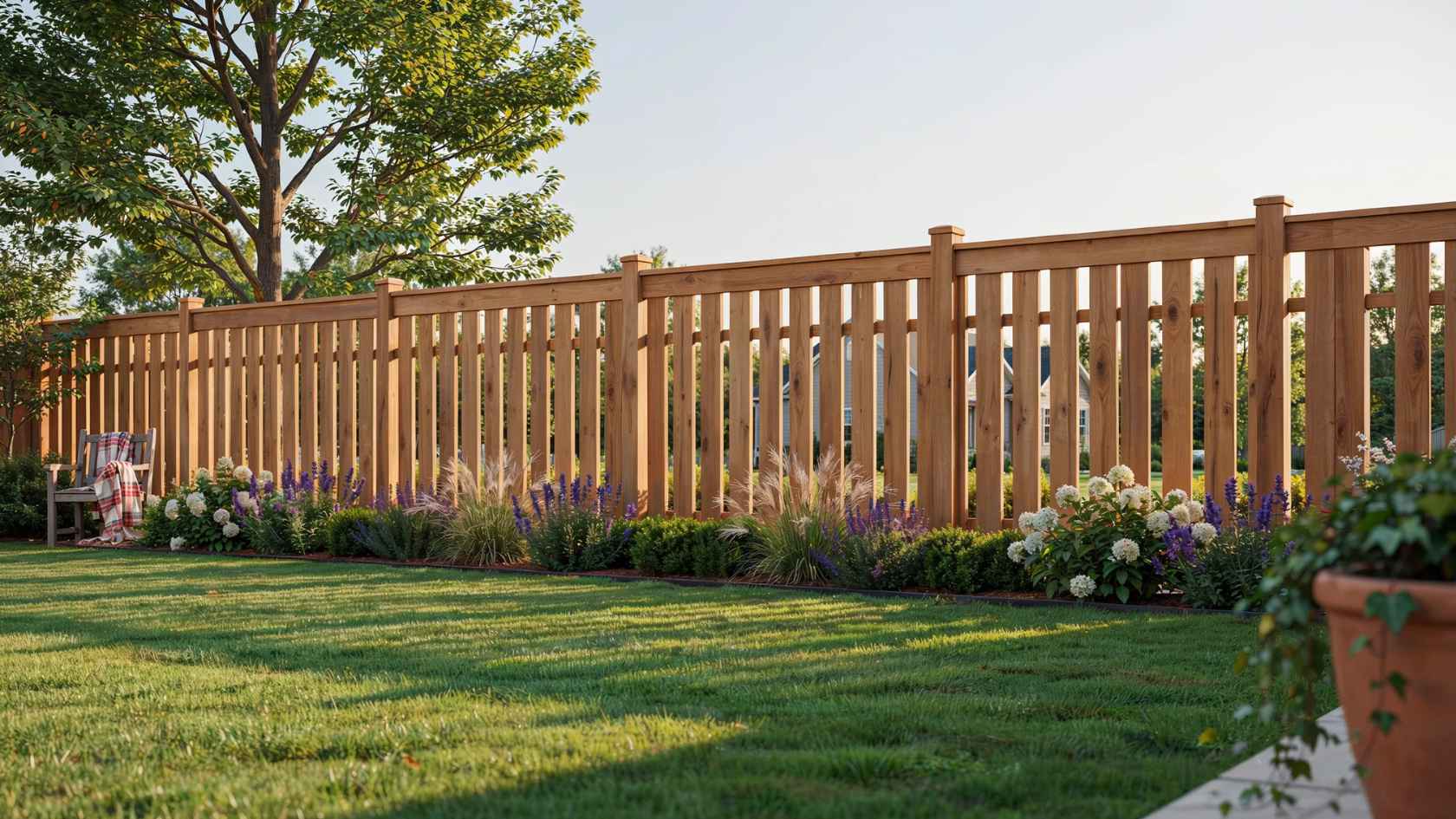
A shadow box fence places boards on both sides of the rails, giving it an attractive look from either side. It allows airflow while still offering privacy, which makes it useful for shared property lines.
This style may also work well in neighborhoods with HOA design rules.
Pro tip: Use equal board spacing to keep both sides looking clean and balanced.
5. Picket Fence With a Modern Update
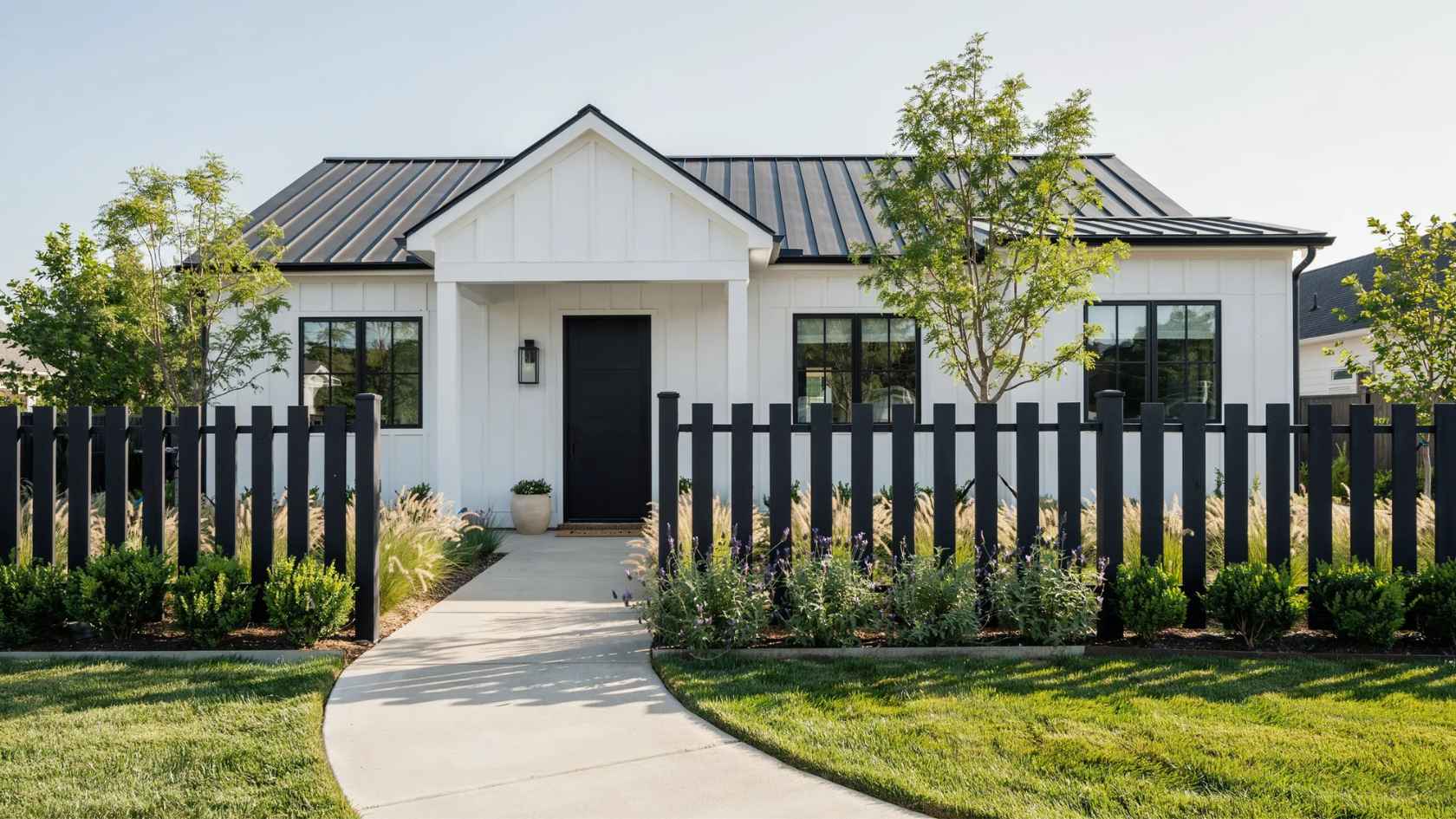
A modern picket fence keeps the classic front-yard charm but updates it with fresh colors, wider boards, or cleaner lines. It works well for marking boundaries without making the space feel closed off.
Painted, stained, or natural wood versions can all give the design a new look.
Pro tip: Try black, white, or natural stain for a simple updated finish.
6. Lattice Top Privacy Fence

A lattice-top privacy fence has solid lower panels with a decorative upper section. The lattice adds detail while allowing sunlight and airflow into the yard.
It is a good option when you want privacy without making the fence feel too heavy or closed in.
Pro tip: Add climbing plants to the lattice for more shade and softer privacy.
7. Pallet Wood Fence
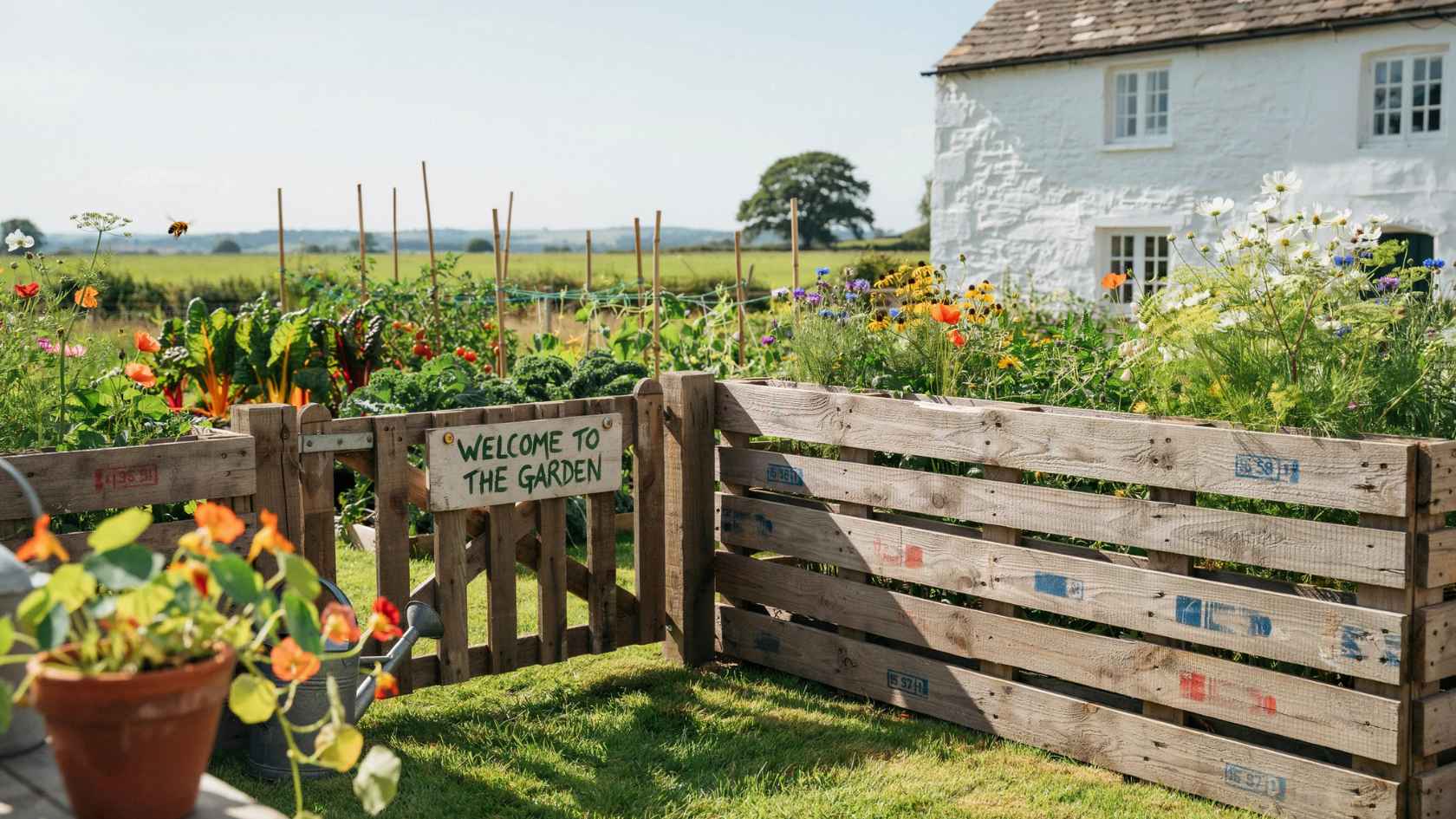
A pallet wood fence is a budget-friendly DIY project that uses recycled materials. It works well for garden borders, backyard sections, or rustic outdoor spaces.
Since pallets vary in quality, the final look can feel casual and handmade, which suits cottage and farmhouse-style yards.
Pro tip: Sand rough pallet boards before installation to reduce splinters and sharp edges.
8. Bamboo Privacy Fence
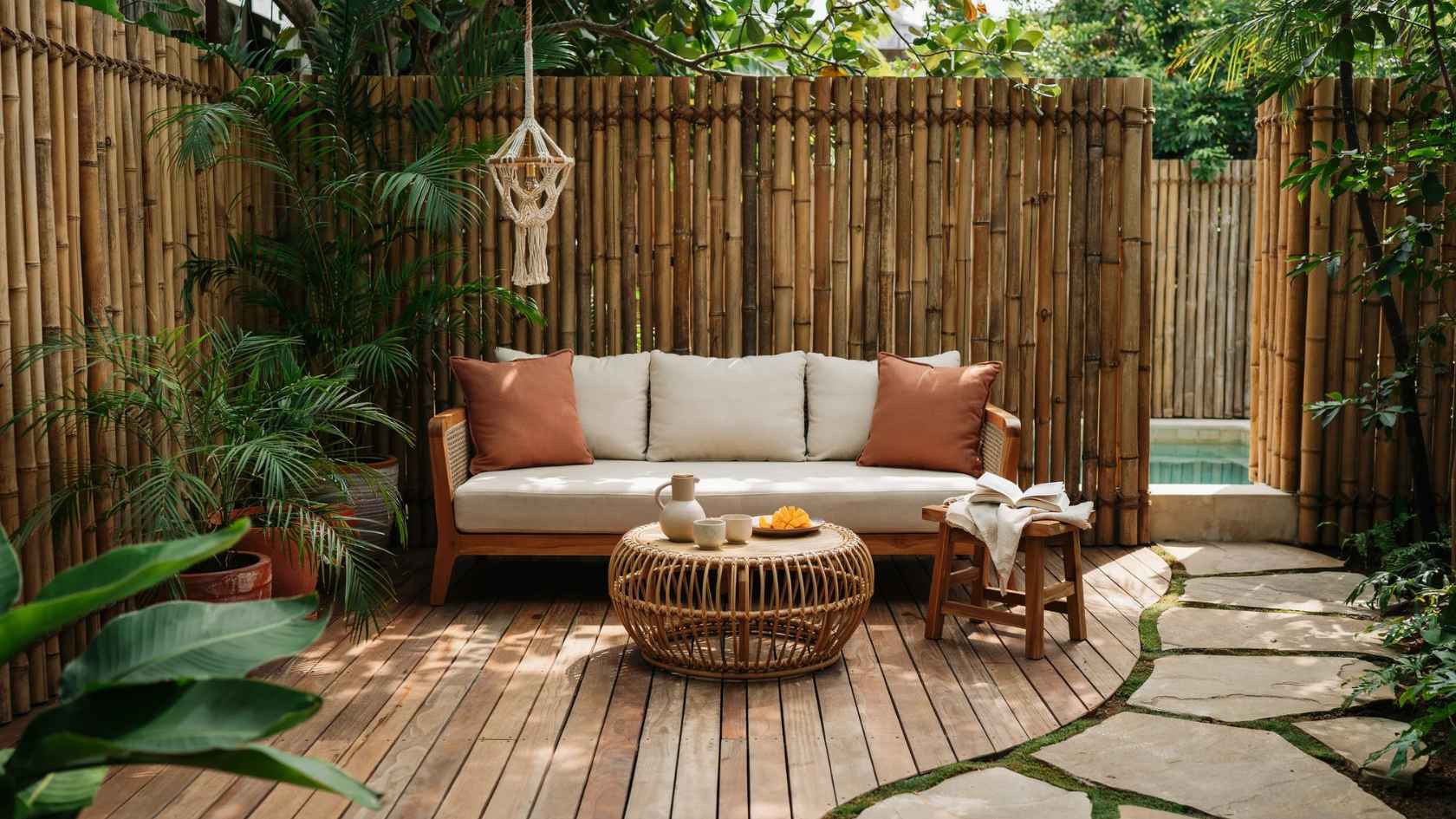
A bamboo privacy fence brings a natural look to the backyard and is usually quick to install. It works well around patios, pool areas, and tropical-style landscapes.
Bamboo rolls or panels can also be attached to an existing fence to improve privacy without rebuilding the entire fence.
Pro tip: Apply outdoor sealer to protect bamboo from sun, rain, and cracking.
9. Garden Fence With Planters
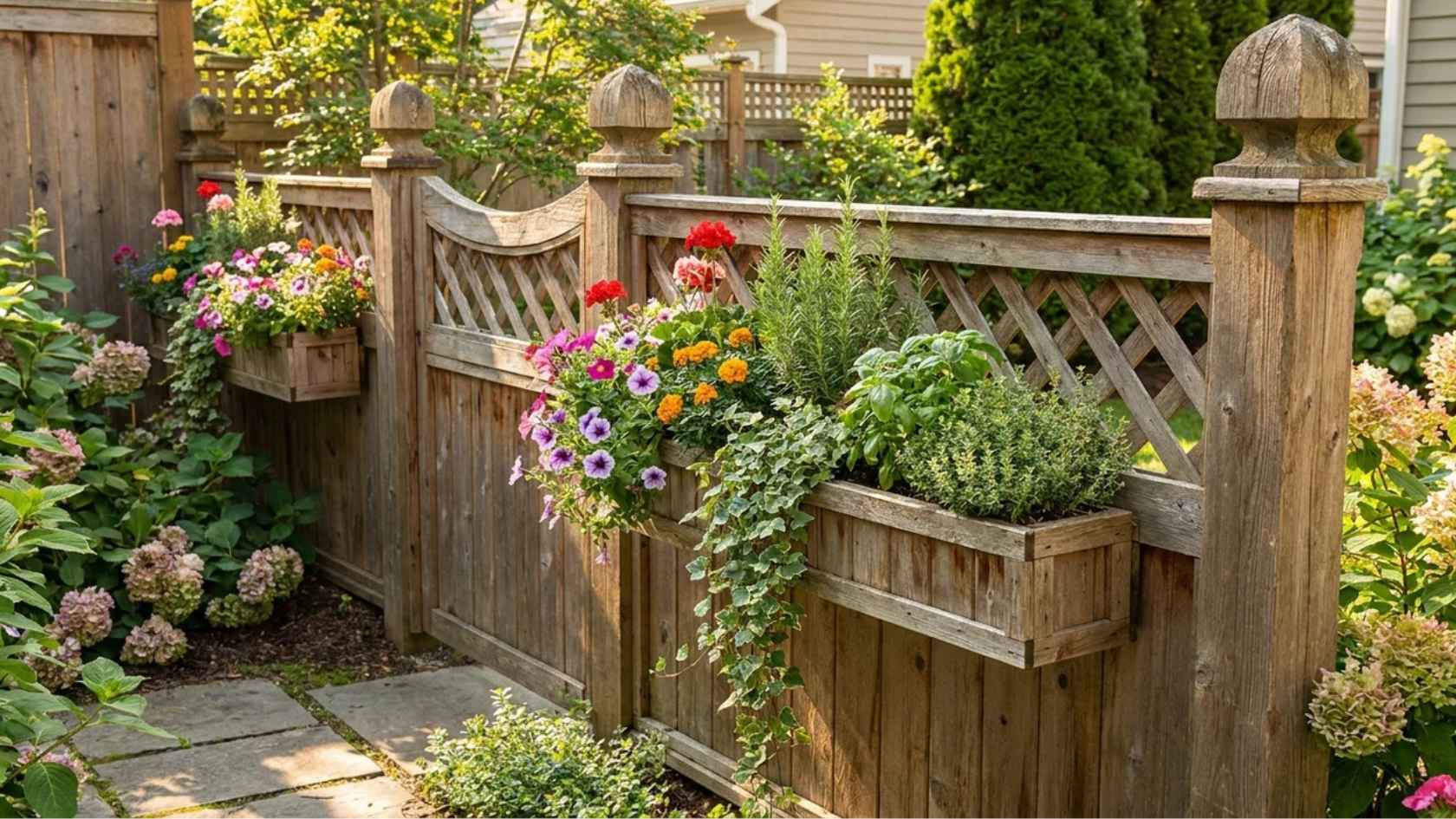
A garden fence with planters combines fencing and landscaping into a single useful design. It works especially well in small yards where every wall or border needs a purpose.
Built-in planters can hold flowers, herbs, or trailing plants while adding extra greenery and privacy.
Pro tip: Use lightweight planters so the fence does not carry too much weight.
10. Mixed Wood and Metal Fence

A mixed wood-and-metal fence gives the yard a modern farmhouse look. Wood adds warmth, while metal panels improve strength and durability.
This design is becoming more popular because it feels updated without being too complicated for a skilled DIY builder.
Pro tip: Pair natural wood with black metal panels for a clean, modern contrast.
Simple Wood Fence Designs That Never Go Out of Style
Wood fences remain one of the most popular choices for homeowners because they are versatile, attractive, and relatively easy to build. These classic designs have stayed popular for years and continue to work well in many outdoor spaces.
11. Side-by-Side Wood Fence

A side-by-side wood fence uses boards installed directly next to each other, creating a simple and clean appearance. It is one of the easiest fence styles to build and uses readily available materials.
The solid panel design also provides good privacy, making it a common choice for residential backyards.
Pro tip: Leave a small gap between boards to allow for natural wood expansion.
12. Split Rail Fence
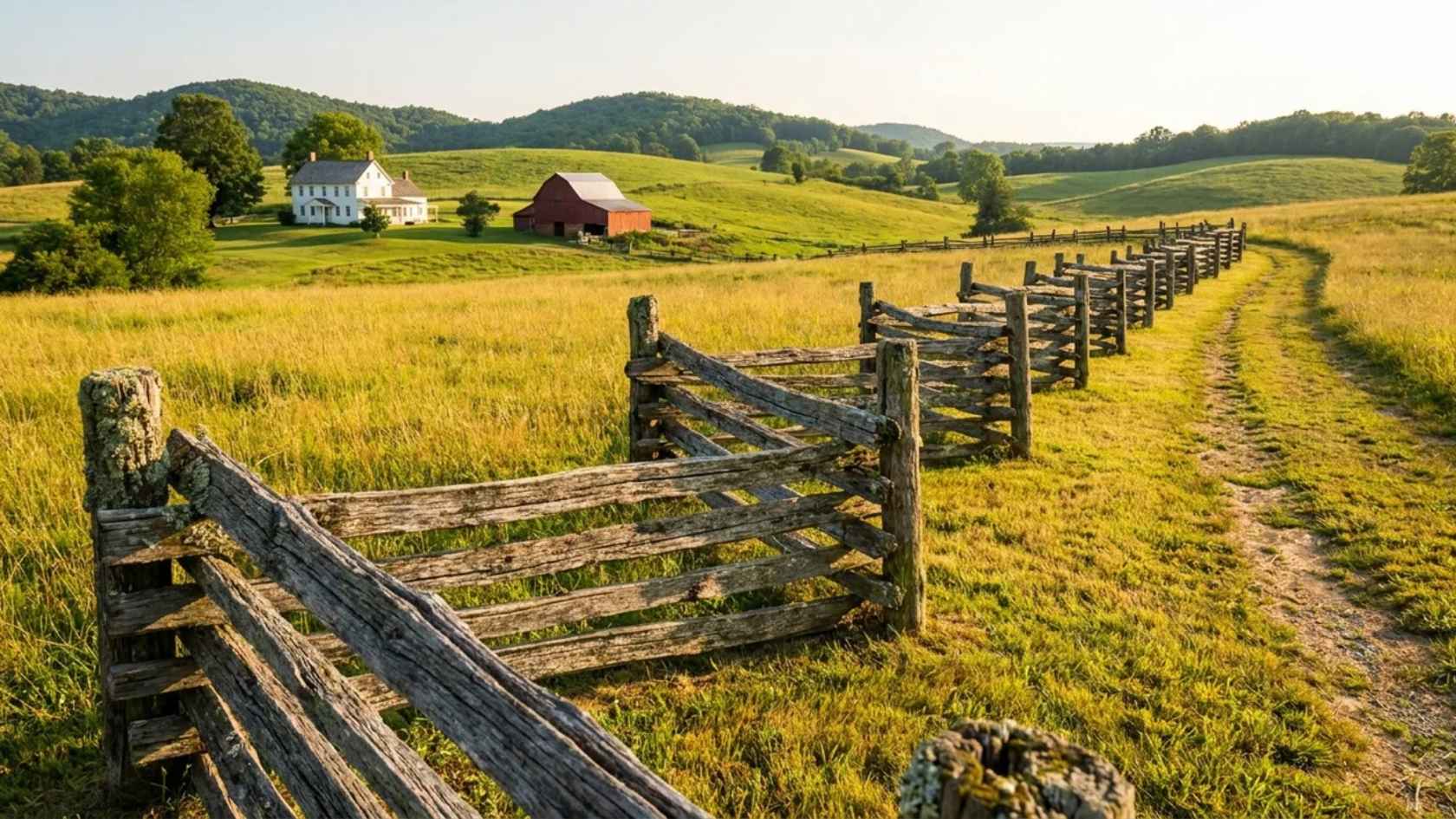
A split rail fence is known for its rustic country style and simple construction. Instead of solid panels, it uses horizontal rails connected to posts.
This design works well for marking property lines, gardens, and large lots where privacy is not the main goal. It also requires fewer materials than many fence styles.
Pro tip: Use pressure-treated rails to improve weather resistance and reduce maintenance.
13. Post and Rail Fence
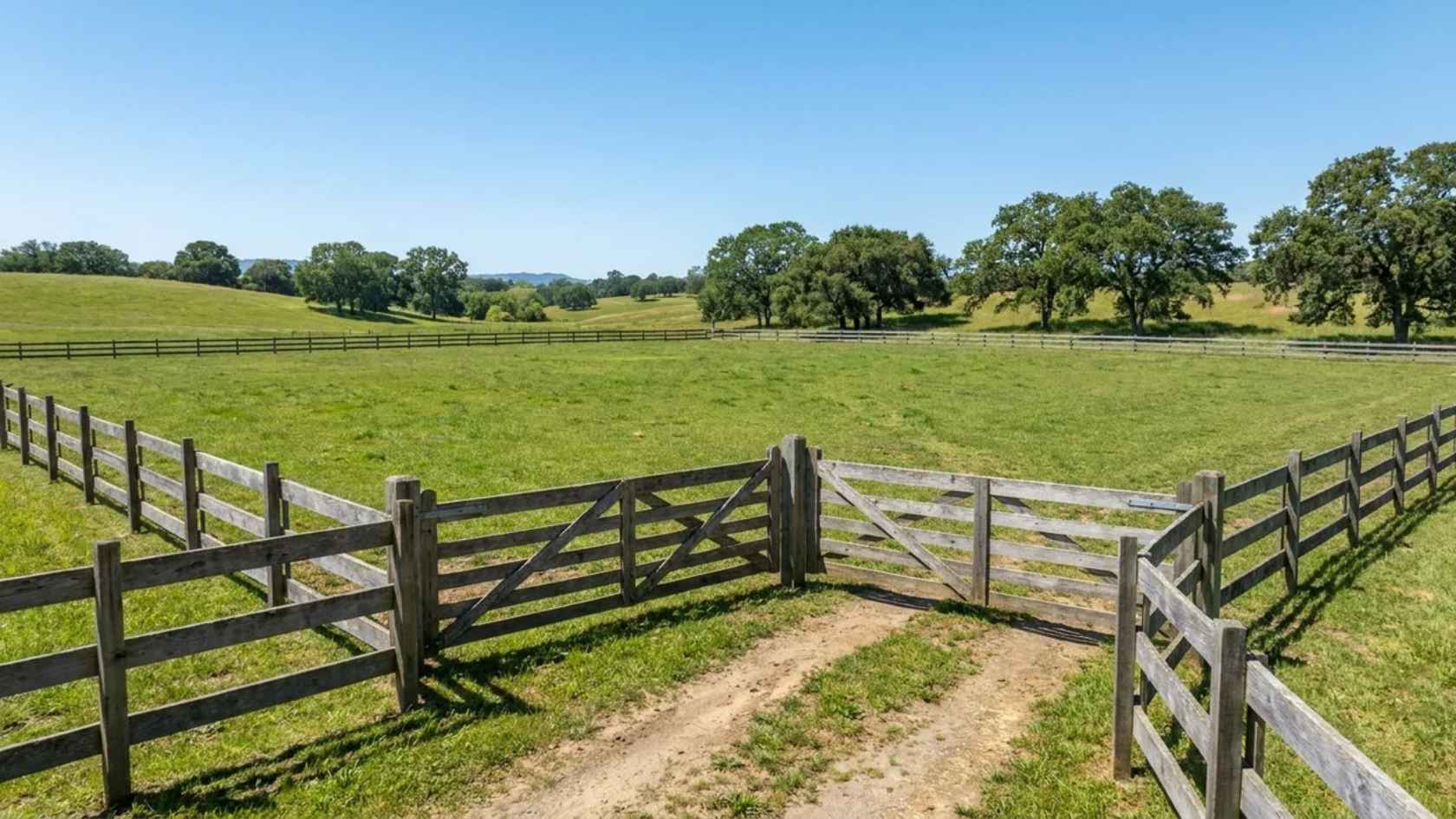
A post-and-rail fence features horizontal rails attached to evenly spaced posts, creating an open and welcoming appearance. It is commonly used on larger properties, farms, and rural landscapes.
While it does not provide privacy, it clearly defines boundaries without blocking views of the surrounding area.
Pro tip: Add wire mesh to contain pets or livestock.
14. Cedar Privacy Fence
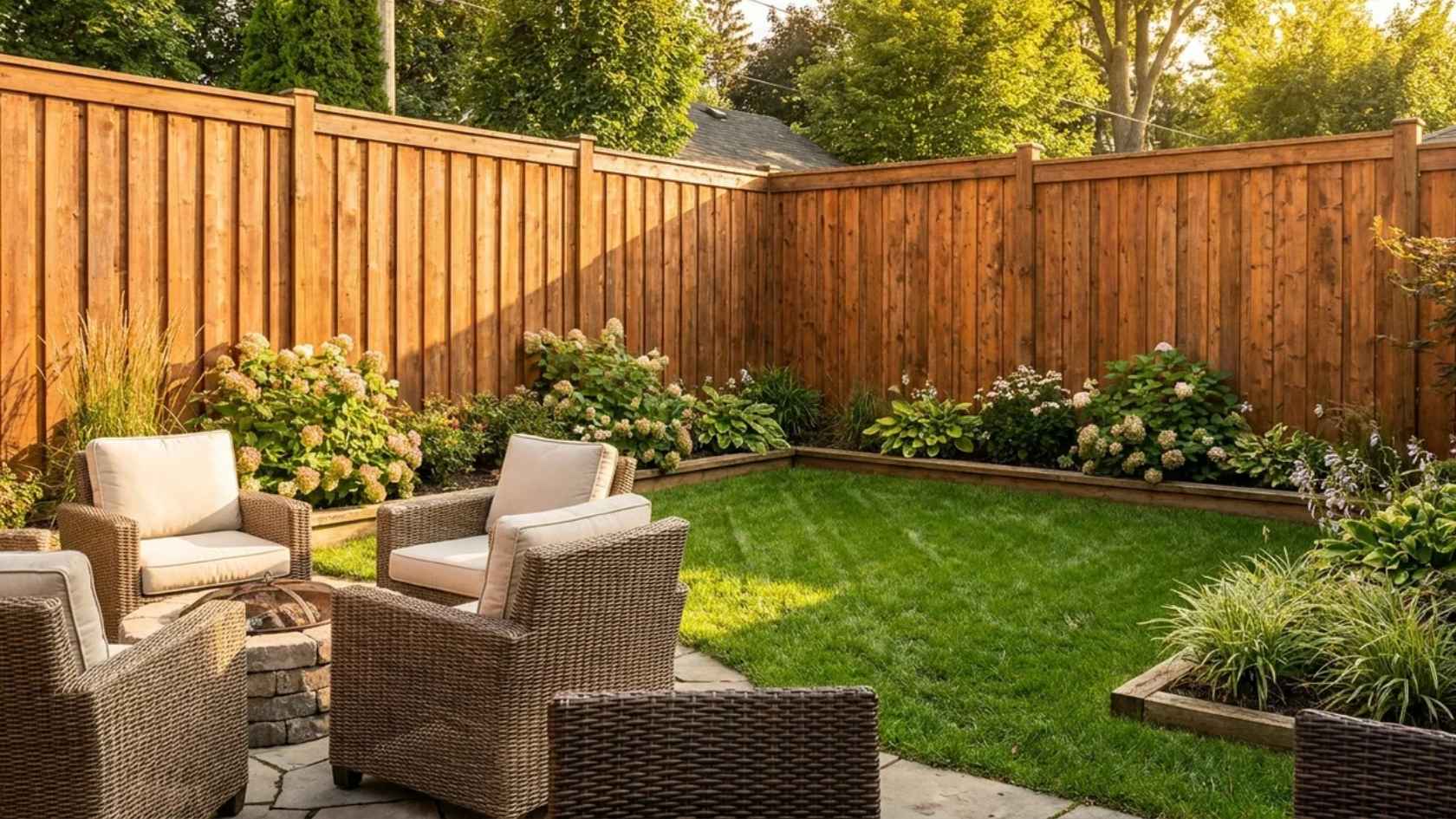
A cedar privacy fence combines beauty, durability, and functionality in a single design. Cedar naturally resists insects, rot, and moisture, making it a popular choice for DIY builders.
The wood ages well outdoors and can last for many years with basic maintenance while providing strong privacy.
Pro tip: Apply a clear sealer every few years to preserve cedar’s natural color.
Want to see more wood fence styles?Click here to see a complete collection of wood fence styles and ideas. |
Types of Privacy Fences and How to Choose One
Privacy fences come in many styles, and the right choice depends on your goals, budget, and yard layout. Some fences focus on complete screening, while others balance privacy with airflow, appearance, or landscaping benefits.
15. Solid Panel Privacy Fence
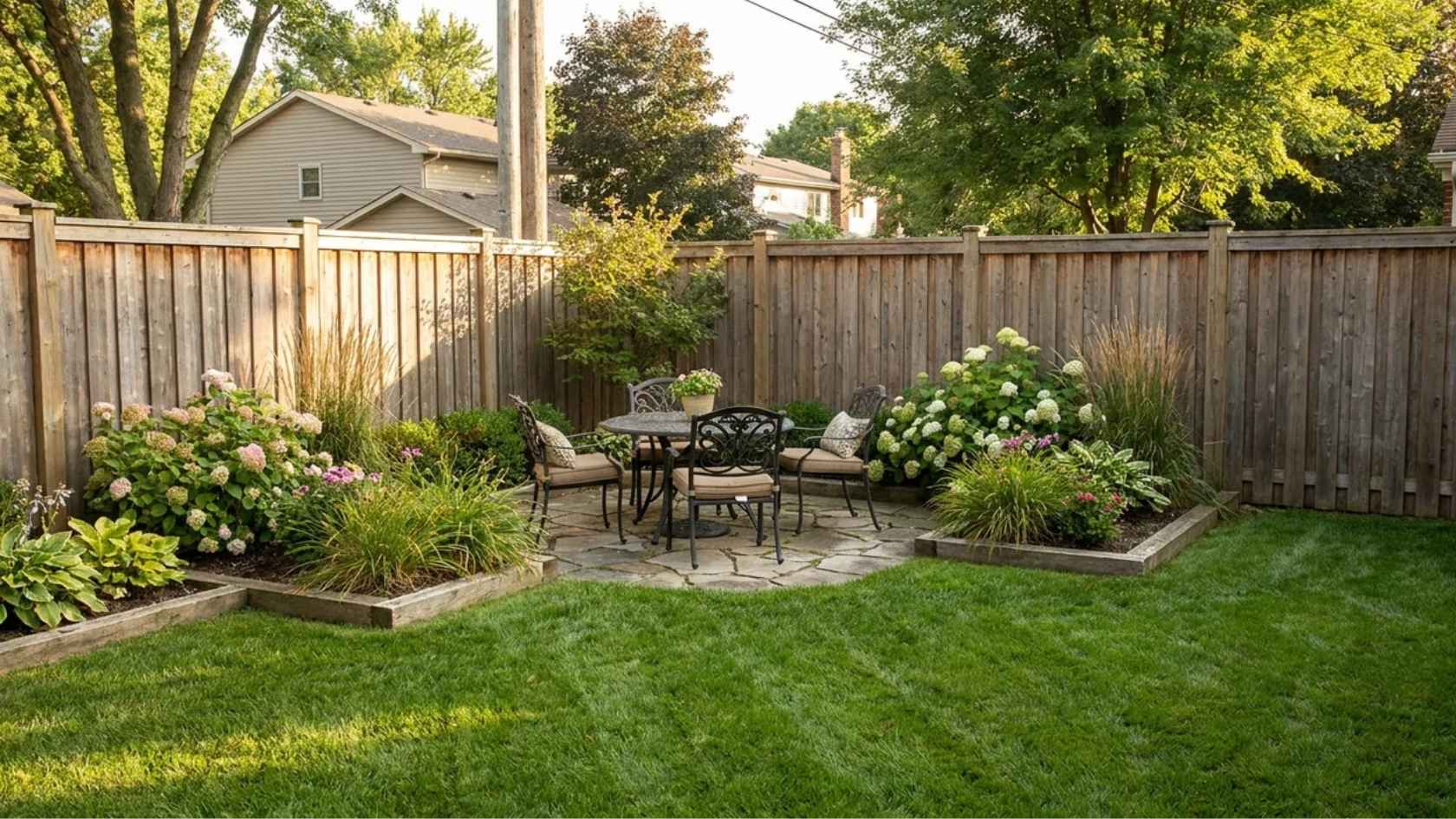
A solid panel privacy fence consists of tightly spaced boards or panels with no visible gaps. This design creates a strong visual barrier that blocks views from neighbors and nearby streets.
It is one of the most effective options for homeowners seeking a quiet, secluded backyard.
Pro tip: Choose taller panels if local regulations allow for additional privacy coverage.
16. Horizontal Privacy Fence

A horizontal privacy fence uses long boards installed horizontally rather than vertically. This modern style creates clean lines and can make outdoor spaces appear wider.
It has become a popular option for contemporary homes seeking both privacy and visual appeal.
Pro tip: Use thicker boards to prevent sagging across longer horizontal spans.
17. Louvered Privacy Fence
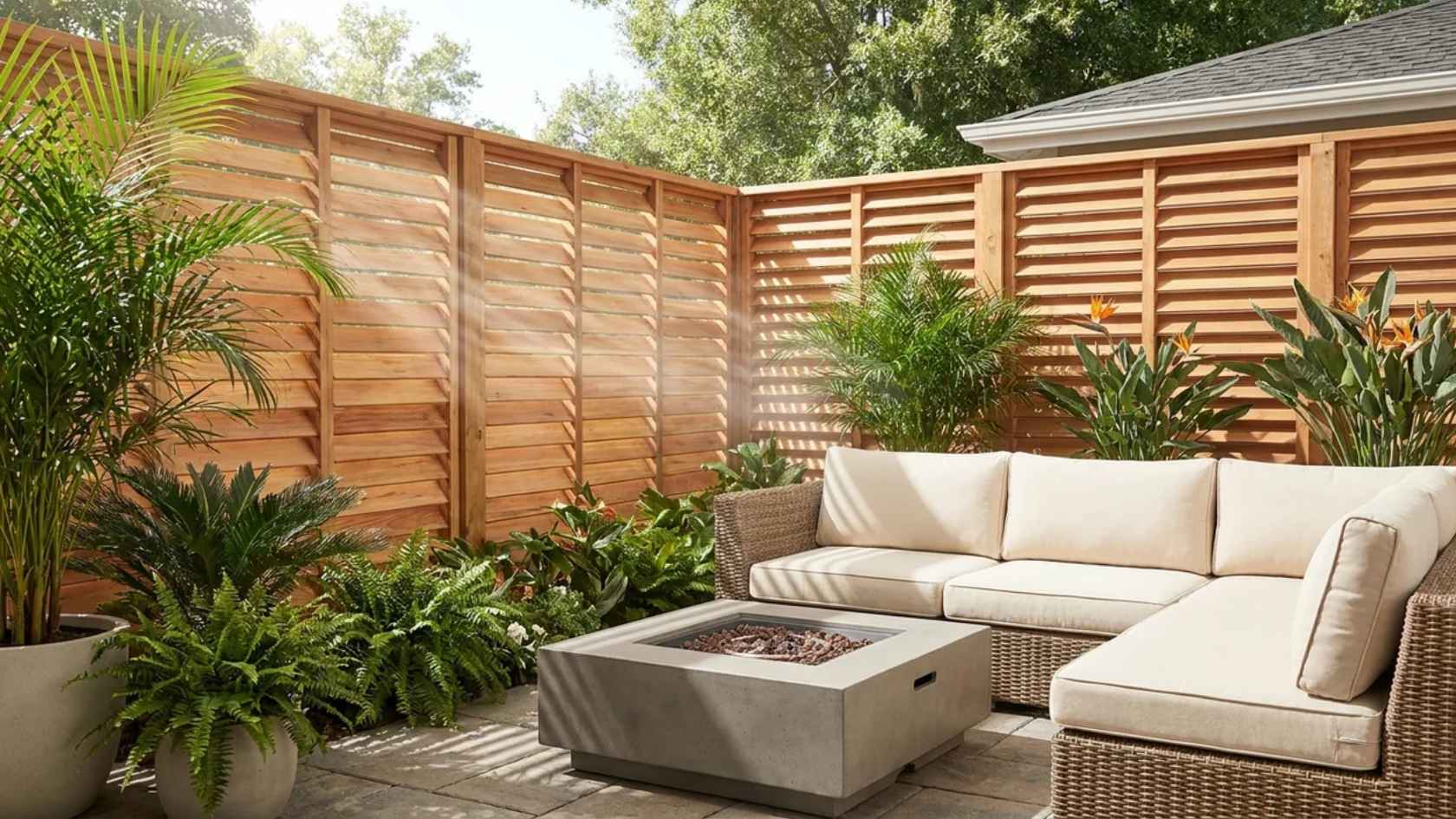
A louvered privacy fence uses angled slats that block direct views while allowing air circulation.
The design offers a good balance between privacy and ventilation, making it suitable for warm climates and outdoor living spaces where airflow is important.
Pro tip: Angle the louvers carefully to maximize privacy without restricting airflow.
18. Living Privacy Fence
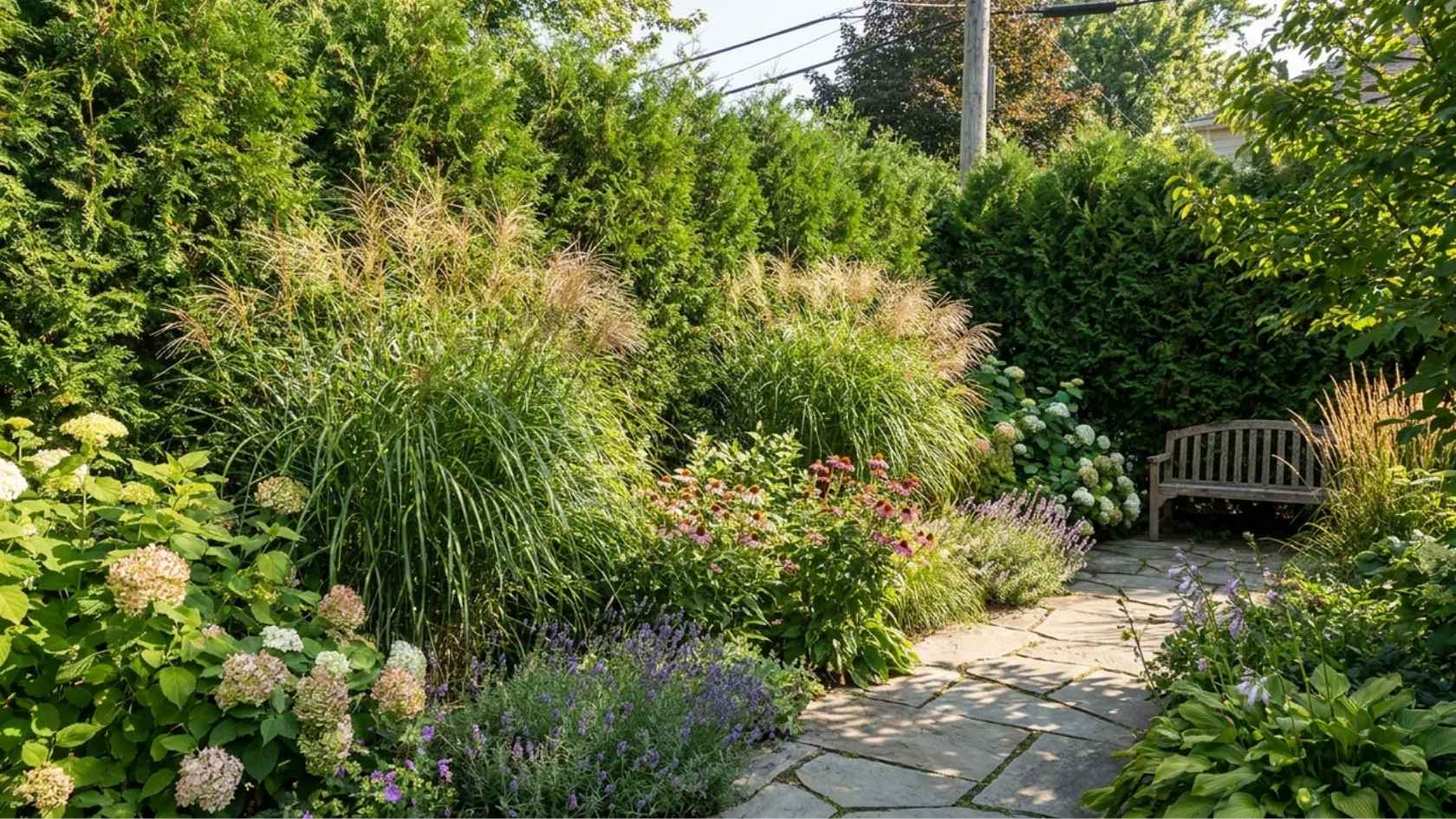
A living privacy fence uses plants instead of traditional fence materials to create a natural screen. Popular choices include hedges, arborvitae, and tall ornamental grasses.
While plants take time to mature, they add greenery, reduce noise, and blend naturally into the landscape.
Pro tip: Plant privacy shrubs close enough for coverage but allow room for future growth.
Privacy fence costs can vary significantly depending on materials and design. Homeowners looking for affordable options may also want to compare the low-cost backyard privacy solutions before making a final decision.
DIY Fence Ideas on a Budget
Building a fence does not have to cost thousands of dollars. With the right materials and design choices, you can create an attractive, functional fence while keeping expenses under control.
19. Repurposed Pallet Fence
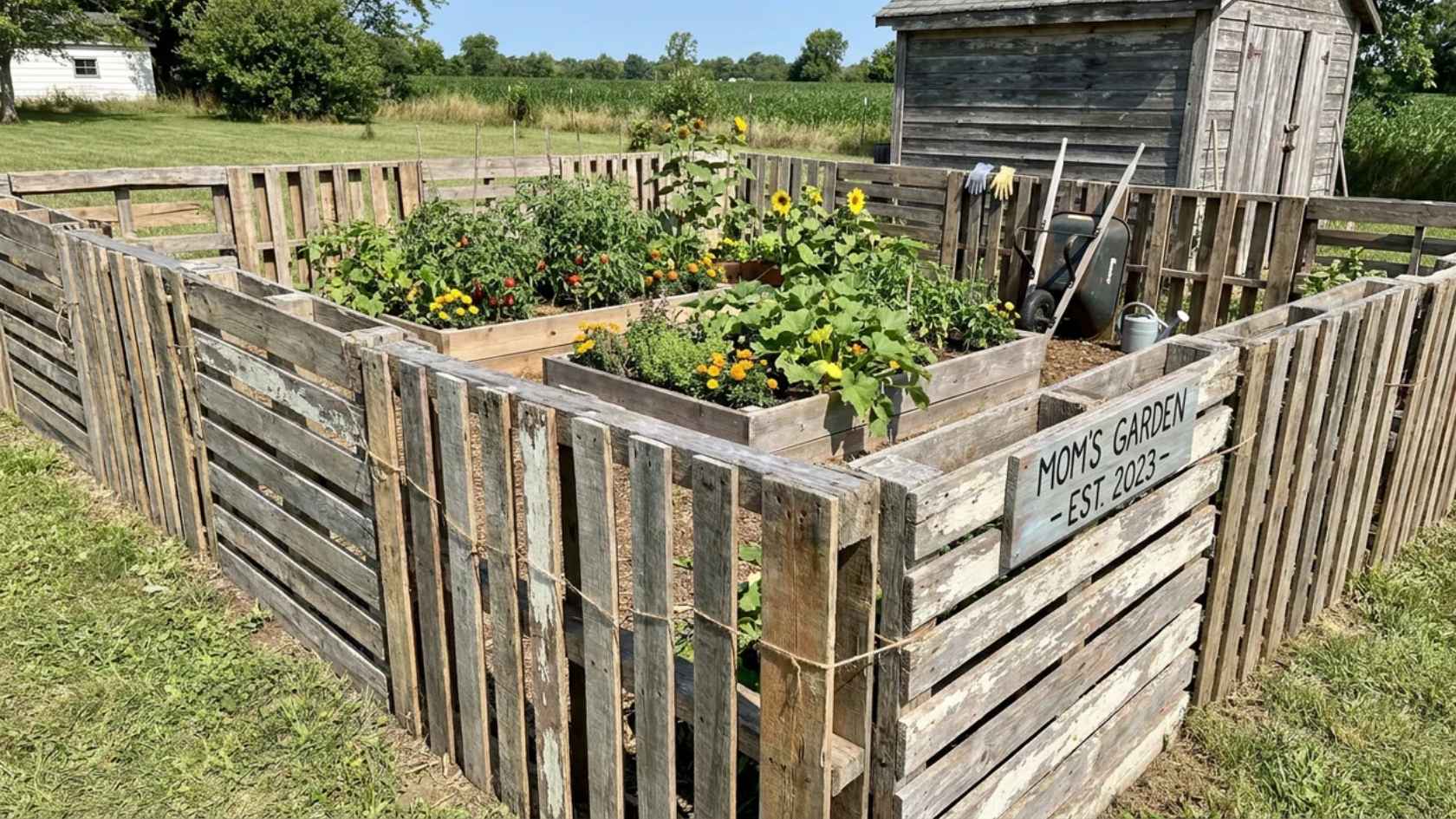
A repurposed pallet fence is one of the most affordable DIY fencing options available. Many businesses give away used pallets, helping reduce material costs.
The rustic appearance works well in gardens, backyard sections, and farmhouse-style landscapes. With basic tools and some preparation, pallets can be turned into a sturdy fence.
Pro tip: Choose heat-treated pallets and avoid pallets marked for chemical treatment.
20. Corrugated Metal Fence Panels
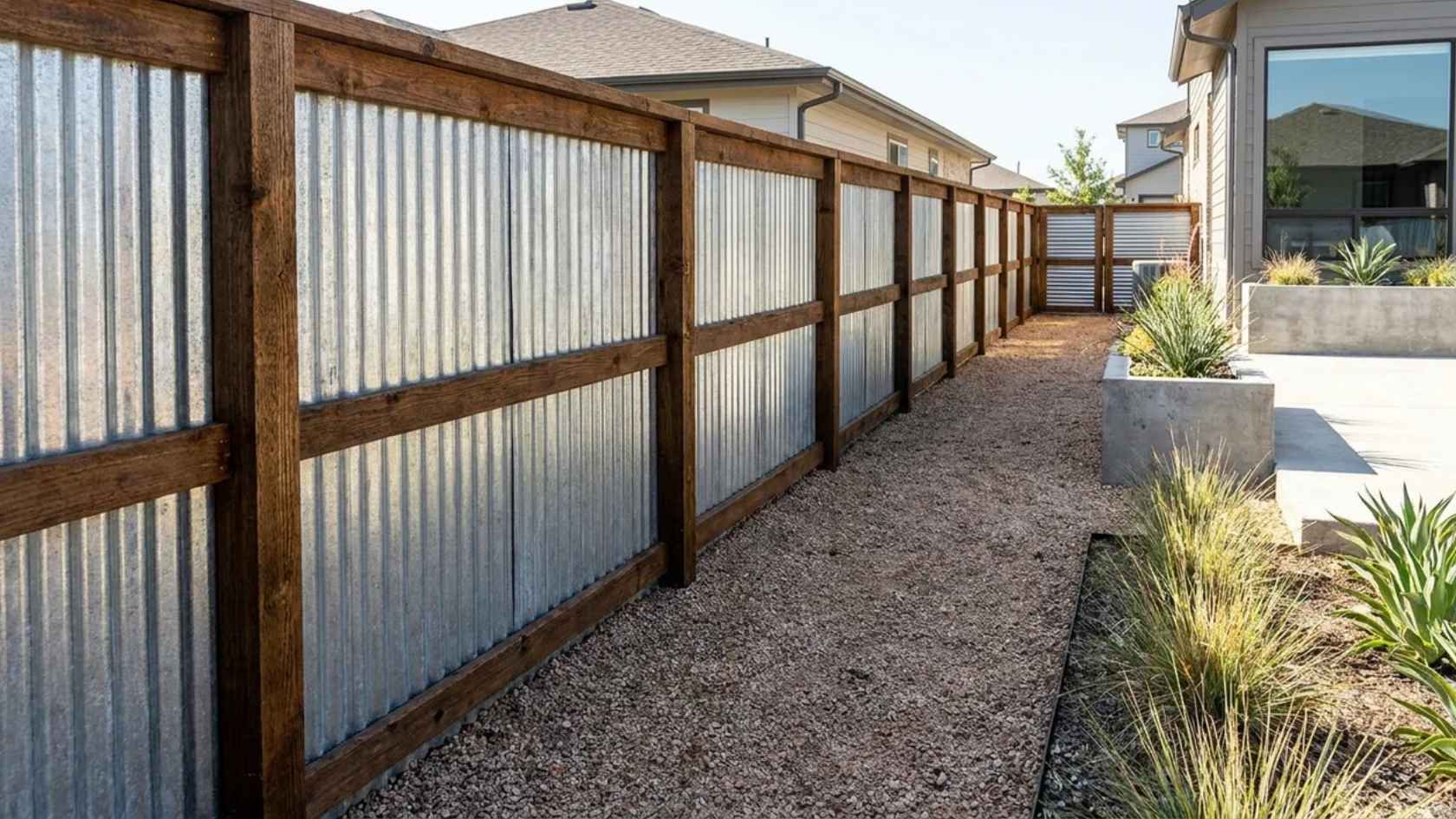
Corrugated metal panels can create a strong, modern-looking fence at a reasonable cost. When paired with wood posts or frames, they provide durability and weather resistance while requiring little maintenance.
This style works particularly well for modern and industrial-inspired outdoor spaces.
Pro tip: Secure metal panels tightly to prevent rattling during strong winds.
21. Chain Link Fence With Privacy Screens

Upgrading an existing chain link fence with privacy screens is often cheaper than building a new fence. Privacy slats, fabric screens, or decorative coverings can improve appearance while reducing visibility.
This option provides a quick and budget-friendly way to increase privacy in the backyard.
Pro tip: Choose UV-resistant privacy screens to prevent fading and premature wear.
Need a fence that fits your budget?Click here to see affordable fence ideas for every yard and style. |
Fence Design Ideas That Improve Curb Appeal
A fence does more than mark property lines. The right design can complement your home’s style, add character to the yard, and make outdoor spaces feel more polished and inviting.
22. Black-Stained Wood Fence
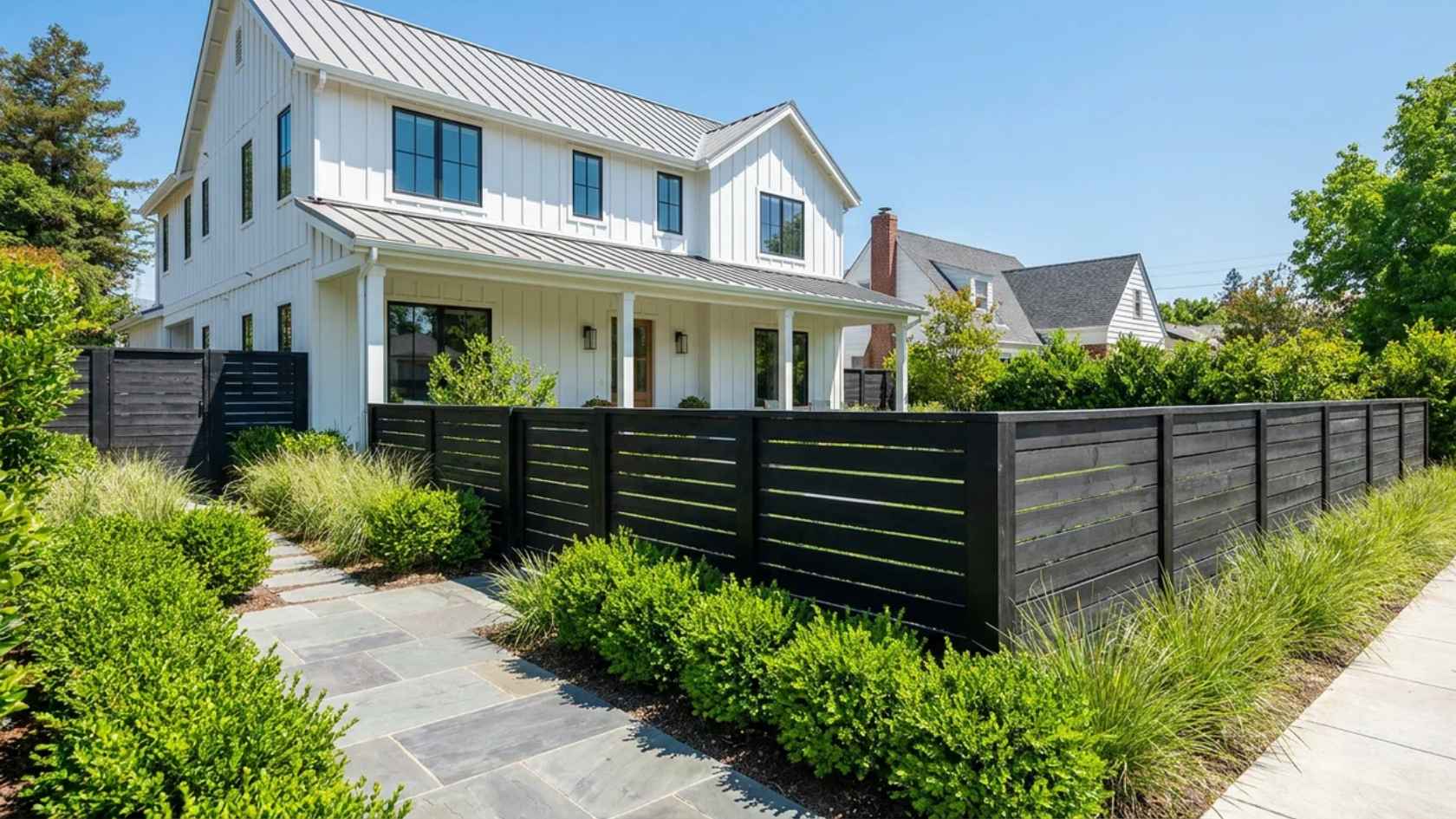
A black-stained wooden fence creates a clean, modern appearance that stands out without feeling overwhelming.
The dark finish highlights landscaping, outdoor furniture, and greenery while giving the property a more refined look. It works especially well with contemporary, farmhouse, and minimalist home styles.
Pro tip: Use an exterior-grade stain to help maintain color and weather resistance.
23. Decorative Fence Caps

Decorative fence caps are small additions that can make a basic fence look more finished. Available in wood, metal, and solar-powered styles, they add visual detail while protecting fence posts from moisture.
This simple upgrade can improve the overall appearance without requiring a major renovation.
Pro tip: Match fence cap styles with your home’s architectural features for a cohesive look.
24. Fence With Climbing Plants
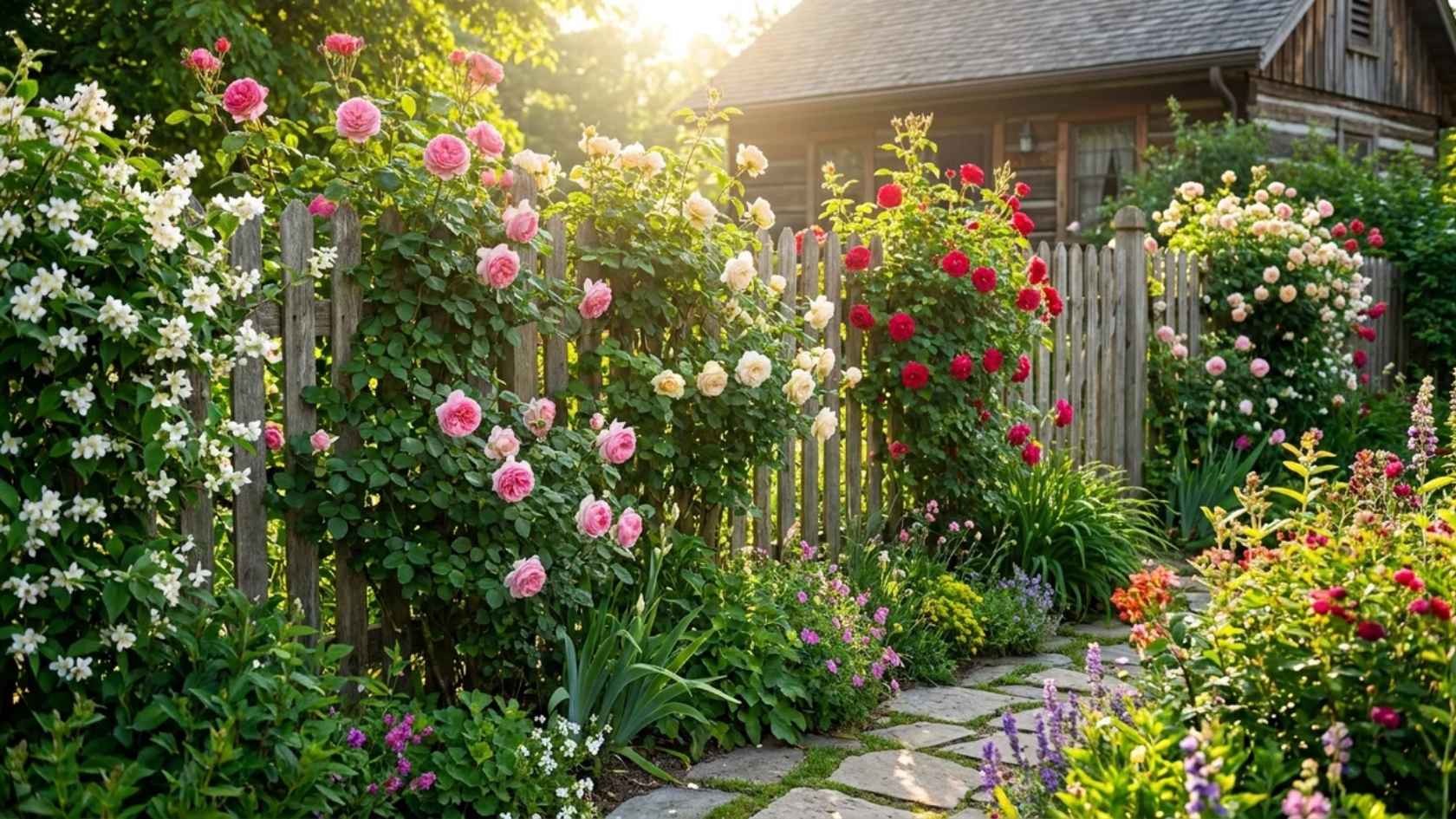
Climbing plants can soften the appearance of a fence while adding texture and color. Popular choices include jasmine, clematis, and climbing roses.
As the plants grow, they create a natural backdrop that blends the fence into the surrounding landscape and increases visual interest.
Pro tip: Install plant supports early to guide growth and prevent damage to the fence.
Common DIY Fence Mistakes to Avoid
Even a simple fence project can run into problems without proper planning. Avoiding a few common mistakes can save time, money, and frustration while helping your fence last longer.
- Ignoring Property Lines: Building beyond your property boundary can create disputes with neighbors and may require costly fence removal later.
- Using Untreated Wood: Untreated lumber is more vulnerable to moisture, insects, and rot, which can shorten the fence’s lifespan.
- Skipping Post Depth Requirements: Shallow fence posts may lean, shift, or fail during strong winds and changing ground conditions.
- Forgetting Drainage Considerations: Poor drainage can cause water buildup around posts, increasing the risk of rot and structural damage.
- Choosing Style Over Function: A fence should meet your privacy, security, or containment needs before focusing solely on appearance.
Wrap Up
Taking time to plan properly helps prevent costly repairs and rebuilding later. A well-designed fence balances appearance, durability, and function to provide reliable performance for years.
Building your own fence can be a practical way to improve privacy, security, and curb appeal without exceeding your budget.
From classic wood designs and modern privacy fences to affordable pallet and chain link upgrades, there are options for nearly every yard and skill level. The key is to plan carefully, choose materials that fit your needs, and avoid common mistakes that can shorten your fence’s lifespan.
With the right design, a DIY fence can become more than a property boundary; it can enhance how you use and enjoy your outdoor space for years to come.
Which fence idea best fits your backyard? Save this for future reference, and share your favorite design in the comments.
Frequently Asked Questions
How Long Does a Diy Fence Project Usually Take?
Most backyard fence projects take one to three weekends, depending on fence length, terrain, and experience level.
Can I Build a Fence by Myself or Do I Need Help?
Small fence projects are manageable on your own, but installing posts and panels is easier with another person.
What Is the Easiest Fence Style for Beginners to Build?
Simple panel fences with straight layouts are usually easiest because they require fewer cuts and measurements.