Most people blame the flowers when a bouquet wilts fast. The real issue is almost always the cutting method.
Learning how to cut flowers for a vase the right way controls how much water reaches the bloom, how quickly bacteria builds up in the stem, and how long the arrangement stays fresh.
This applies to both store-bought bundles and garden flowers.
An improper cut blocks the stem’s water channels within minutes, and no amount of clean water or flower food can fix it afterward.
Why Proper Cutting Extends Vase Life
Flower stems carry water through thin internal tubes called xylem vessels. These channels pull water up from the base to the petals.
When you cut a stem, air enters the open end almost immediately.
That air sits inside the xylem and blocks water flow, which is why flowers wilt even when placed in a full vase.
A flat or crushed cut makes this worse by sealing the base of the stem against the bottom of the vase, reducing the surface area available for water intake.
Bacteria grow fast in untreated water, coating the inside of xylem channels and cutting off hydration entirely.
Most bouquets from weddings and other events fail early because the stems were cut poorly, placed in water too slowly, or never recut during the arrangement’s life.
The right cut solves all three problems before they start.
Best Time for Flower Cutting
Timing a flower harvest correctly makes a real difference in how long stems stay hydrated after cutting.
- Early-morning harvesting: Stems are fully hydrated after a cool night, making flowers firm, nutrient-rich, and longer-lasting in a vase.
- Evening backup option: Cooler temperatures help partial rehydration after heat, making early evening a second-best time when morning cutting isn’t possible.
- Midday heat risk: High temperatures rapidly dehydrate stems, causing stress before cutting and leading to shorter vase life and faster wilting indoors.
- Season and weather impact: Hot, dry conditions increase water loss, so watering the night before helps ensure that stems are well hydrated for harvesting.
Timing shapes freshness, and even small adjustments can noticeably extend how long your cut flowers stay vibrant and hydrated indoors.
Essential Tools for Cutting FlowersUsing the right tools prevents stem damage that blocks water uptake before flowers even reach the vase.
|
How to Cut Flowers for a Vase?
Cutting flowers the right way is the first step toward a longer-lasting arrangement. The angle, timing, and tool you use all affect how much water each stem can pull up after it is cut.
Get these basics right from the start, and your blooms will stay fresh days longer than they would with a rushed or careless cut.
Step 1: Select the Right Bloom Stage
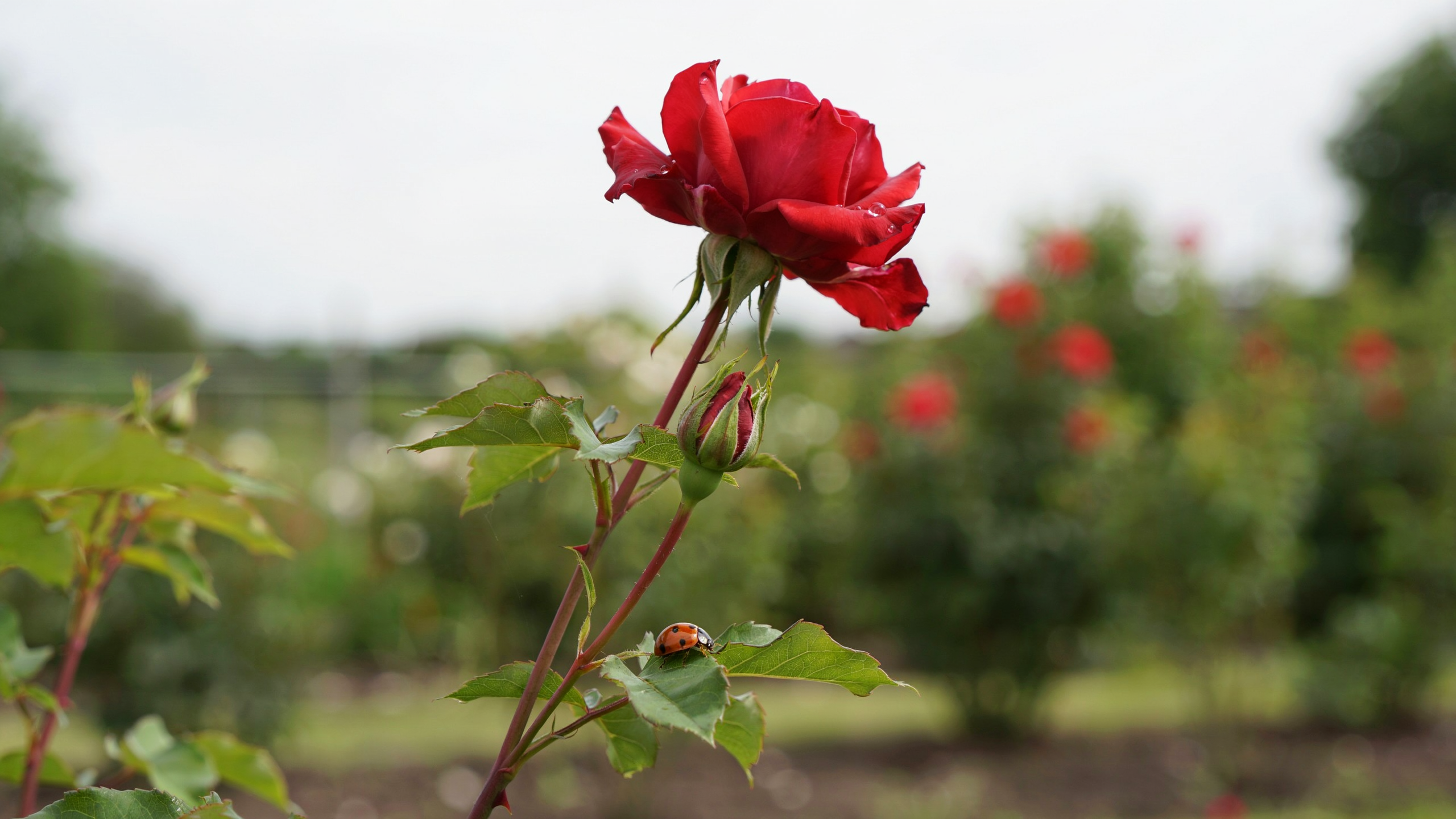
Pick flowers that are just starting to show color, with buds that are half open rather than fully bloomed.
Most species last longer when cut before they fully bloom. Roses are an exception and can be cut at any open stage.
Check each stem individually, as flowers on the same plant can be at different stages.
Pro tip: For mixed bouquets, include half-open buds alongside a few fully open blooms so the arrangement looks full from day one while still leaving room to develop.
Step 2: Cut at a 45-degree angle
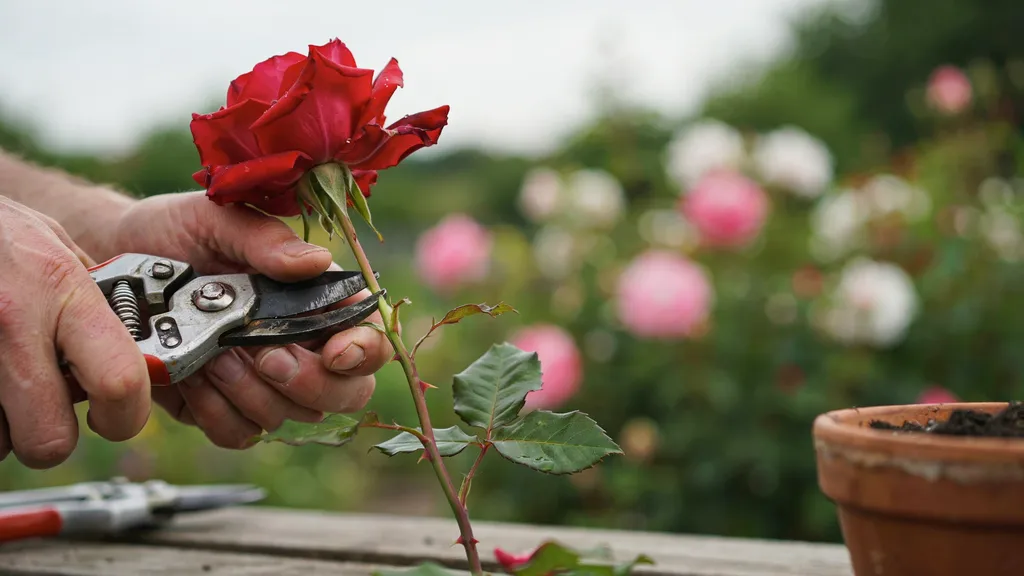
Hold the stem at an angle and cut in one clean motion. A diagonal cut exposes a larger surface area at the stem end, allowing more water to enter.
It also keeps the base from sitting flat on the vase floor, which would seal off the opening.
Pro tip: Make the cut while holding the stem under cool running water to stop air from entering the xylem channel the moment the cut is made.
Step 3: Cut Longer Stems Than Needed
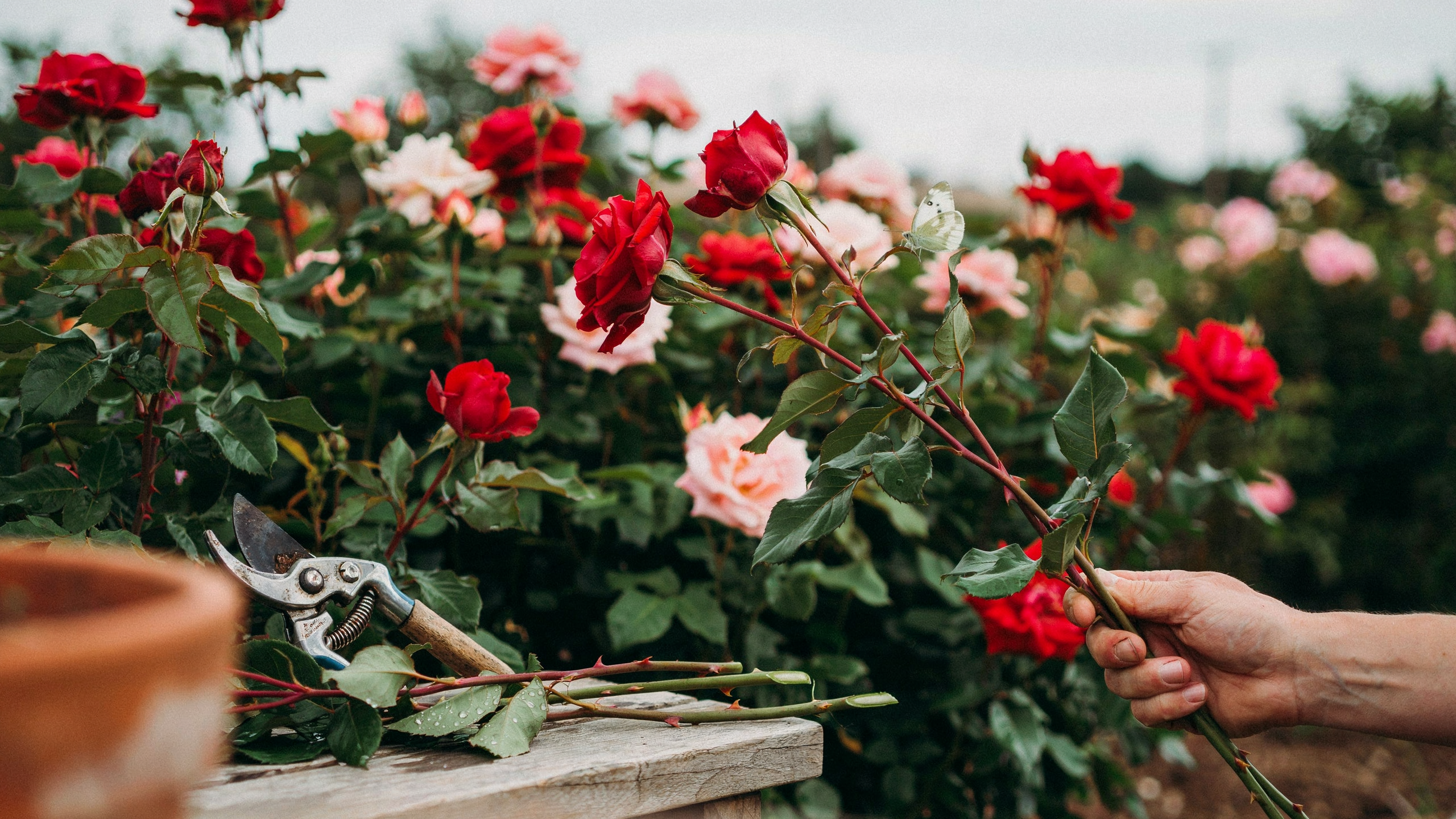
Always cut stems several inches longer than the final arrangement requires.
This gives you extra length to trim during each maintenance recut over the following days.
A stem that has been shortened too early cannot be extended again.
Pro tip: Keep cut stems in water while you arrange the bouquet. Any stem left in open air for more than 30 seconds begins losing hydration at the cut end.
Step 4: Remove Lower Leaves
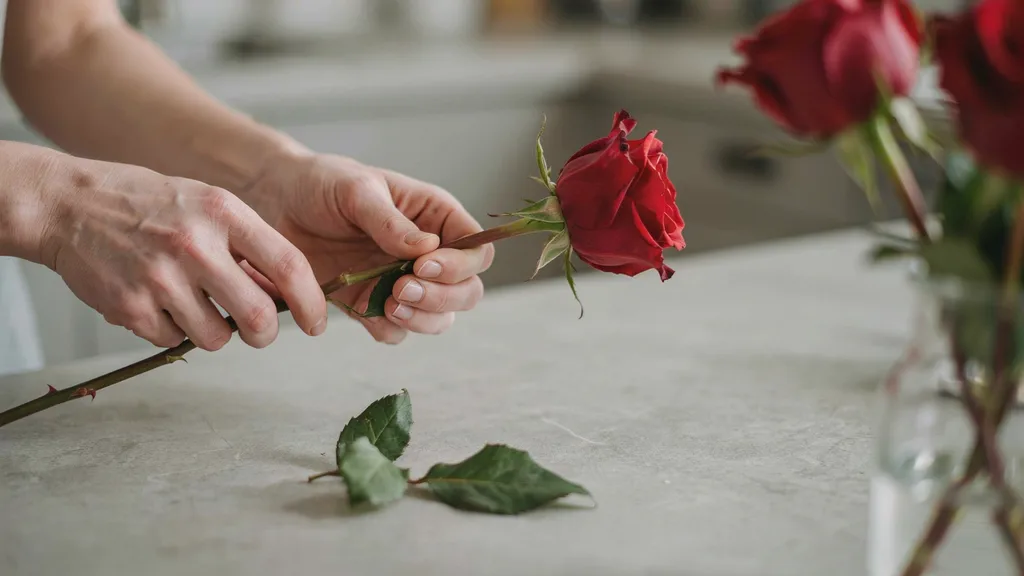
Strip all leaves from the lower half to two-thirds of each stem before placing in the vase.
Any leaf that sits below the waterline will begin to rot within 24 hours, feeding bacteria in the water and clogging the xylem inside the stem.
Pro tip: Remove leaves while still outdoors or over a sink, since this is easier to do before stems go into water.
Step 5: Place Stems in Water Immediately
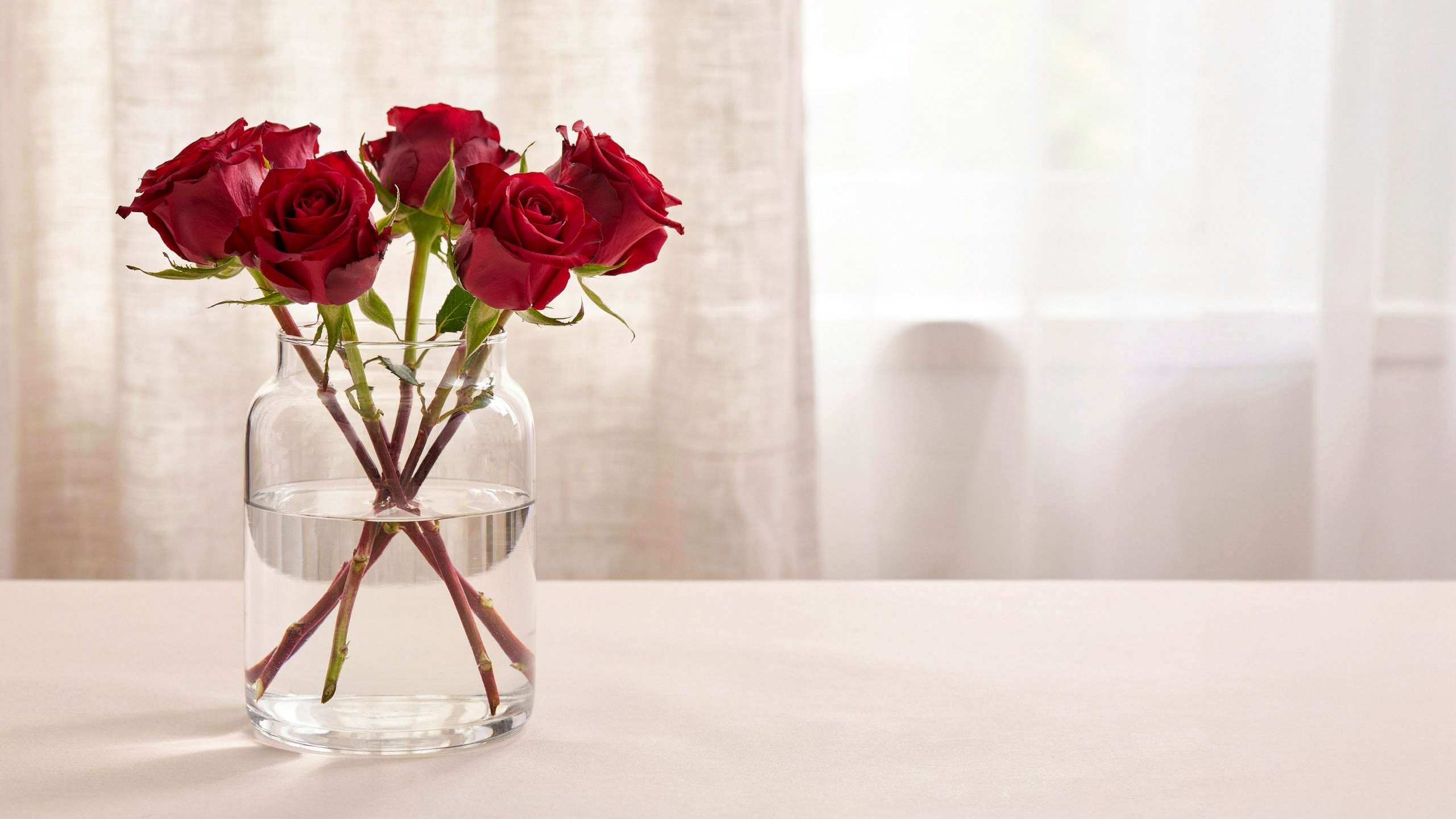
Move freshly cut stems into water within seconds of cutting. Even a short delay allows air to travel up the stem and form a blockage.
Have your bucket or vase filled and ready before you make the first cut.
For the best results when putting flowers in a vase, water depth and container cleanliness matter just as much as the cut itself.
Pro tip: If flowers arrive by delivery and have been out of water, recut all stems before placing them in your vase to clear any air pockets that formed in transit.
The right cut takes only seconds but makes a difference that lasts the entire life of your arrangement.
Pair it with the hydration and recovery steps that follow, and your flowers will stay fresh well past what most people expect.
The Flower Cutting Systems
Every long-lasting arrangement follows the same three-step system. Each method builds on the one before it. Use the table below as a quick reference for the complete cutting process.
| Method | When to Apply | Key Actions | Flower-Specific Notes |
|---|---|---|---|
| Cut Method (Foundation Step) | At the moment of cutting | Cut at 45 degrees, use a sharp, clean tool, and cut during a cool part of the day | Woody stems: split or lightly crush the bottom inch after cutting. Delicate stems: avoid any squeezing during handling |
| Hydration Method (Recovery Step) | Immediately after cutting | Place stems in water within seconds, and remove all leaves below the waterline | Cool water for most flowers. Woody stems: use warm water only during conditioning. Bulb flowers: cool water throughout |
| Recovery Method (Maintenance Step) | Every 2 to 3 days | Recut stems, removing 1 to 2 cm from the base, change the vase water fully, and remove wilting flowers promptly | Daffodils: condition alone in separate cool water for at least 3 hours, up to 24 hours, before mixing with other flowers |
Following all three methods together gives flowers the best possible chance of lasting through their full natural bloom cycle.
Conditioning Flowers After Cutting
Conditioning means giving freshly cut stems time to absorb water fully before arranging them.
Place the stems in a bucket of water and leave them in a cool, dark space for 2 to 4 hours or overnight.
Recut each stem underwater before placing it in the bucket for the best result.
Most flowers absorb water faster in warm water at 100 to 110 degrees Fahrenheit during this stage.
Bulb flowers like tulips and daffodils are the exception and prefer cool water throughout their vase life.
Adding a floral food packet to the conditioning water does three things at once: it feeds the flowers with sugar, balances the water pH so stems absorb more, and slows bacterial growth to keep the water clean longer.
Flower-Specific Cutting Techniques
Not every flower responds to the same cutting method. Match the technique to the stem type for the best results.
- Woody stems (roses, hydrangea, lilac): After the 45-degree cut, split or lightly crush the bottom inch. Use warm water during conditioning to support uptake through dense tissue.
- Soft stems (tulips, daffodils): Make one clean, straight cut across the base. Keep upright in cool water so stems stay firm and do not bend.
- Bulb flowers: Daffodils release a milky sap that clogs neighboring stems. Condition them alone in separate water for several hours before mixing with other flowers.
- Delicate stems (ranunculus, anemones): Cut with a sharp blade and avoid squeezing during handling. Cool water and minimal contact keep these fragile stems open and hydrated.
Matching your cutting technique to the stem type removes one of the most common reasons flowers fail early, giving each variety the specific conditions it needs to last in a flower bouquet.
Longevity Scoring Chart
The table below shows the estimated increase in vase life when the full cutting system is used, compared with basic cutting without follow-up care.
| Flower Type | Average Vase Life (Basic Cut) | Vase Life (Full System) | Estimated Gain |
|---|---|---|---|
| Roses | 4 to 5 days | 9 to 12 days | +5 to 7 days |
| Tulips | 3 to 4 days | 6 to 9 days | +3 to 5 days |
| Hydrangea | 3 to 4 days | 7 to 10 days | +4 to 6 days |
| Daffodils | 3 to 4 days | 5 to 7 days | +2 to 3 days |
| Mixed bouquet | 3 to 5 days | 7 to 11 days | +4 to 6 days average |
Common Mistakes that Affect Vase Life
Small errors at the cutting stage shorten vase life faster than most people expect.
Using dull scissors crushes the stem and blocks the xylem, cutting off water before the flower even reaches the vase.
Cutting straight across reduces the surface area for absorption and seals the stem base against the vase floor.
Leaving leaves below the waterline feeds bacteria within a day, clogging stem channels from the inside.
Delayed water placement lets air enter the stem immediately, forming a blockage that no amount of fresh water can fix afterward.
Skipping the recut every two to three days allows the stem base to seal over gradually, leading to a gradual loss of hydration throughout the arrangement.
Signs Your Cutting Method is Not Working
Even with fresh flowers and clean water, a poor cutting method shows up quickly through specific warning signs. Catching these early gives you a chance to fix the issue before the arrangement fails.
- Rapid drooping within hours: Stems are not pulling up water, which suggests a blockage or an air pocket at the cut end.
- Cloudy or murky water after 24 hours: Bacterial growth is already active, most likely from submerged leaves or an unclean vase.
- Early petal drop before full bloom: The flower is under stress from poor hydration, often caused by a flat or crushed cut.
- Stem discoloration or soft spots near the cut: Air entered the stem after delayed water placement, and the tissue is beginning to break down.
- Shortened bloom cycle with no clear cause: Stems were not recut regularly, causing gradual hydration failure over the life of the arrangement.
Check for these signs within the first 24 hours of arranging. Catching them early and recutting stems with a water change can recover most arrangements before permanent damage sets in.
Expert-Level Flower Care Insights
Cutting stems underwater is one of the most effective professional techniques.
When the stem is submerged during the cut, air cannot enter the open xylem, keeping the water channel clear from the first moment.
This works especially well for roses with bent necks, which are caused by an air blockage in the upper stem rather than natural aging.
Placing the full stem in cool water for 30 minutes often resolves this entirely.
For bacterial control, florists change water every two to three days and clean vases with a diluted bleach solution between uses.
For wilted flowers, full submersion of the stem and bloom in cool water for one to two hours can restore hydration in most cases.
It’s a method supported by post-harvest cut-flower care guidelines published by UMass Amherst as standard floriculture practice.
Conclusion
Knowing how to cut flowers for a vase correctly is the single biggest factor in how long your blooms last.
The right cut angle, the right timing, and fast placement in water all work together to keep stems hydrated and free of blockages.
Using the full three-step system, cut, hydrate, and recover, turns a three-day bouquet into one that lasts well over a week.
No special equipment is needed, just sharp tools, clean water, and consistent recuts every couple of days.
Start with the cutting step today and see the difference it makes with your next bunch of garden flowers or store-bought stems.
Frequently Asked Questions
Should You Cut Flower Stems in Water or Out of Water?
Cutting stems underwater reduces the chances of air bubbles forming inside, which can block water uptake and shorten vase life. Both methods work if the stems are placed in water immediately after cutting.
How Long Should Flower Stems Be for a Vase?
Flowers should be cut to roughly 1.5 to 2 times the height of the vase to create a balanced, upright display without bending.
Can You Use Tap Water for Cutting Flowers in a Vase?
Tap water without additives works as a second-best option. Clean water alone outperforms most homemade solutions, including aspirin, pennies, and bleach mixtures.
How Much of the Stem Should You Cut Off Flowers?
For flowers out of water for around 30 minutes, remove 2 to 5 cm from the base. Re-trim a small amount every 2 to 3 days as you change the water.
Does Cutting Flowers at Night Affect Their Vase Life?
Early evening is an acceptable alternative to morning harvesting. Flowers rehydrate slightly as temperatures drop, making them firmer and better prepared for cutting than they are in midday heat.