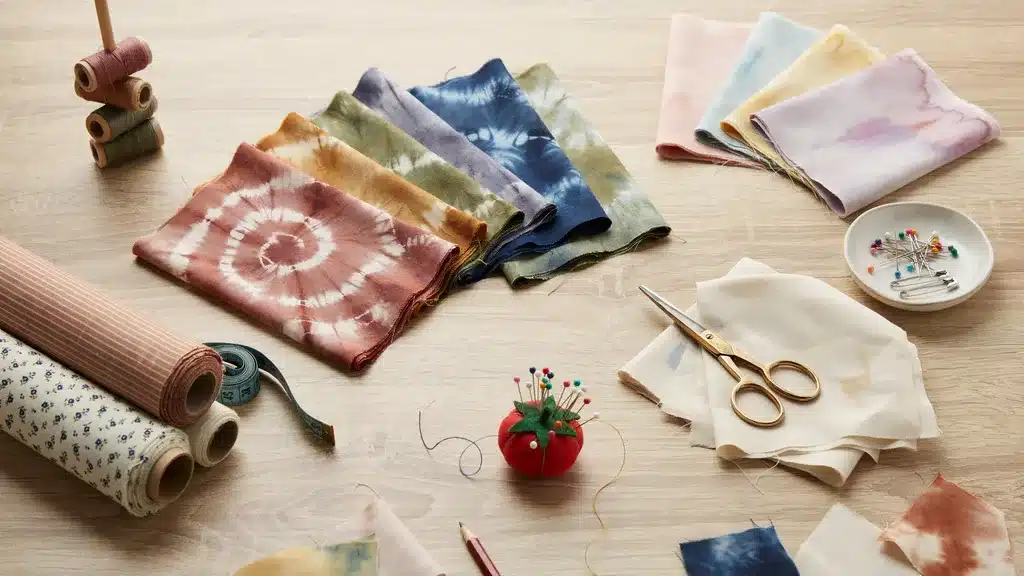
Tie-dye fabric comes in so many colors, patterns, and textures that choosing the right one online isn’t always easy. A photo can make almost any fabric look good, but the feel, weight, and dye quality only become clear once it arrives at your door.
Knowing what to look for before you buy makes all the difference, from fabric type and weave to signs of solid dye work that will not fade or crack after a few washes.
A few trusted places to shop are worth knowing too, so you spend less time guessing and more time choosing fabric you will actually like. By the end, you will know how to pick tie-dye fabric that holds up as well as it looks.
What is Tie Dye Fabric?
Tie-dye fabric is fabric with color patterns made through dyeing, printing, or both. Some fabrics have hand-dyed color changes, while others use printed designs that give a similar look.
You can find tie-dye fabric in swirls, soft pastels, rainbow shades, earthy colors, and abstract prints. Each style gives the fabric a different feel, so the right choice depends on your project.
Many shoppers buy tie-dye fabric for shirts, dresses, quilts, blankets, pillows, and crafts. It adds color quickly without needing extra trims or heavy design details.
Before buying, check the fabric type, weight, width, stretch, and care instructions. A pretty print is helpful, but the material matters most when you want the finished piece to feel good and last well.
Types of Tie Dye Fabric You Can Buy Online
Online stores sell tie-dye fabric in many materials. Each one works better for certain sewing, craft, or decor projects.
1. Cotton
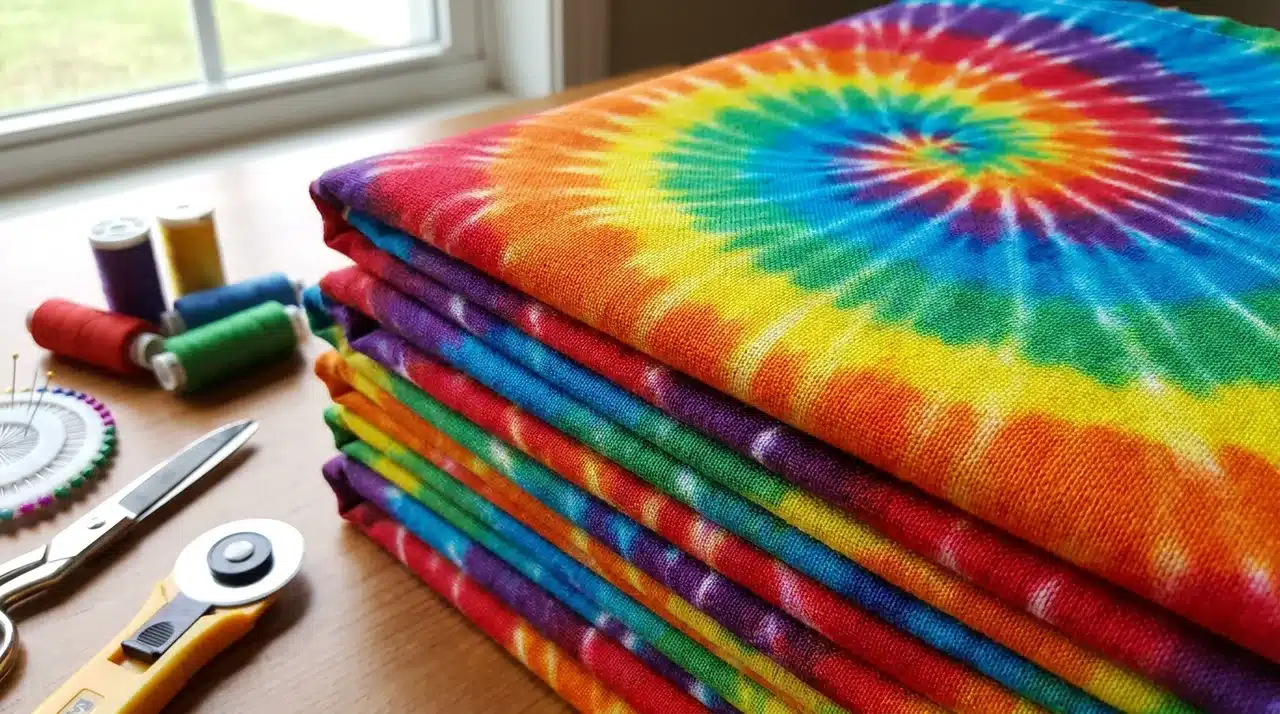
Cotton is one of the easiest tie-dye fabrics to buy and use. It feels soft, breathes well, and works nicely for shirts, dresses, quilts, tote bags, and simple craft projects.
It is also a good pick for beginners because it is easy to cut, sew, wash, and care for at home. Cotton is useful when you want fabric that feels natural and works for many everyday projects.
2. Rayon
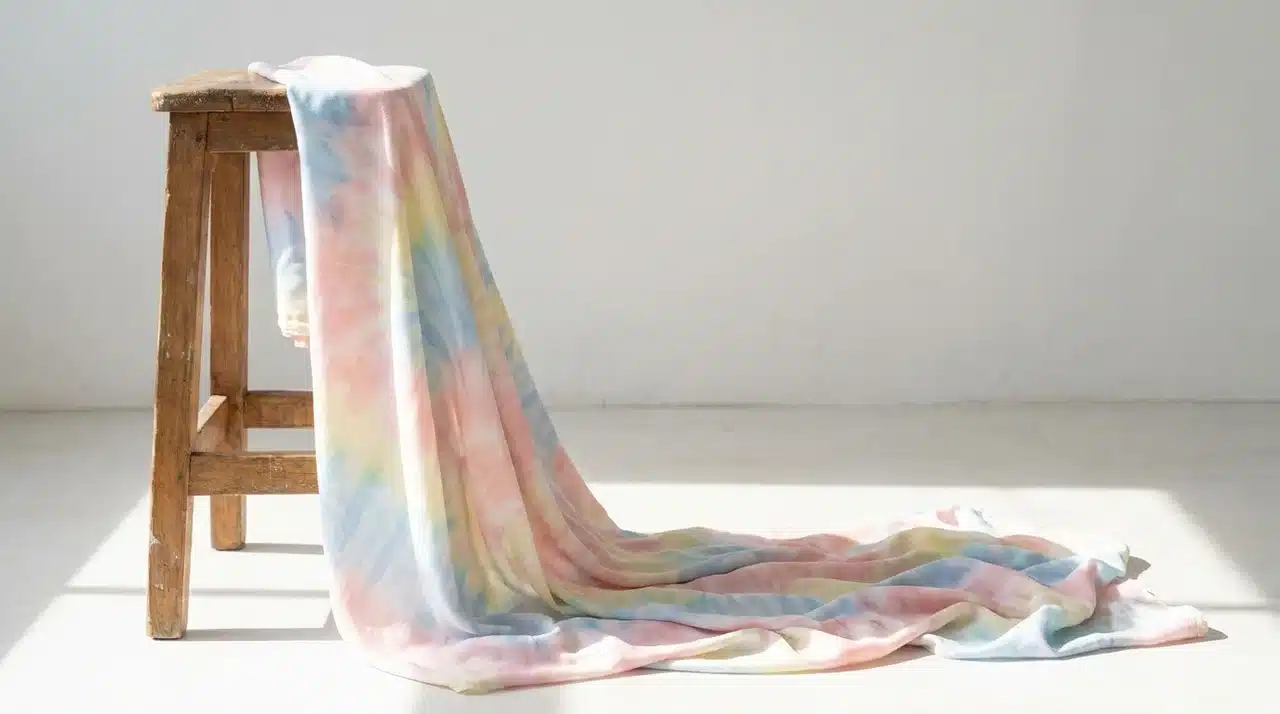
Rayon has a soft feel and a smooth drape. It works well when you want fabric that moves well rather than feels stiff or heavy.
It is often used for skirts, blouses, scarves, flowy pants, and summer clothing. Rayon can be a better choice when the finished piece needs gentle movement and a lighter feel.
3. Jersey Knit
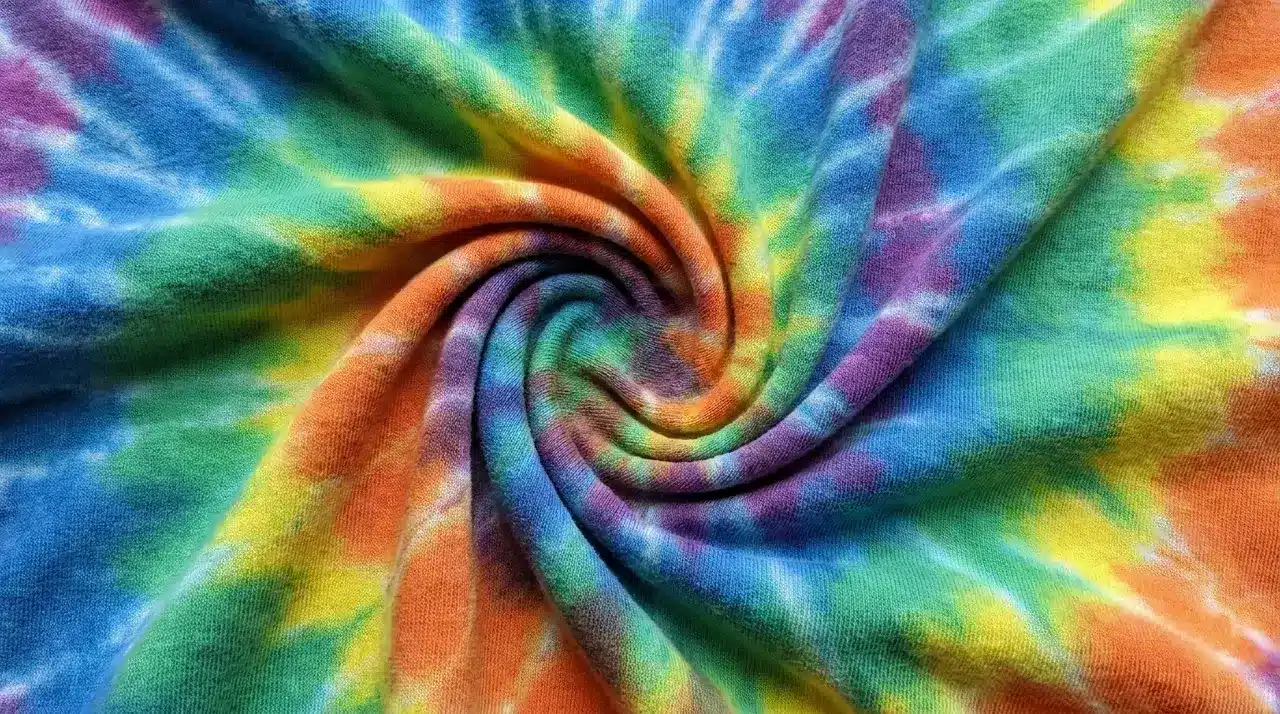
Jersey knit has stretch, so it feels comfortable on the body. It is a strong choice for casual clothing and soft everyday wear.
You can use it for T-shirts, pajamas, lounge sets, baby clothes, and simple dresses. It is helpful for projects that need movement, stretch, and comfort during daily use.
4. French Terry
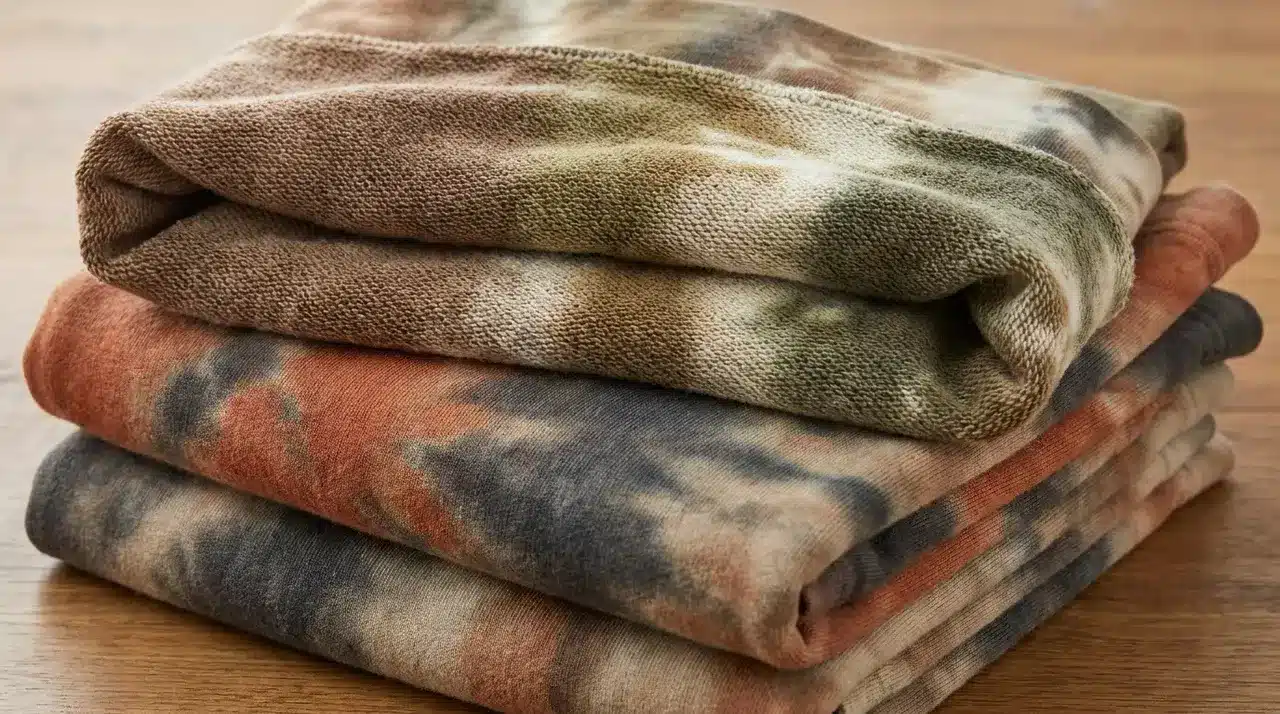
French terry is thicker than jersey but still soft enough for clothing. It gives more warmth without feeling too heavy.
It works well for sweatshirts, joggers, pullovers, hoodies, and relaxed loungewear. French terry is a good middle option when you want comfort, structure, and a little extra warmth.
5. Fleece
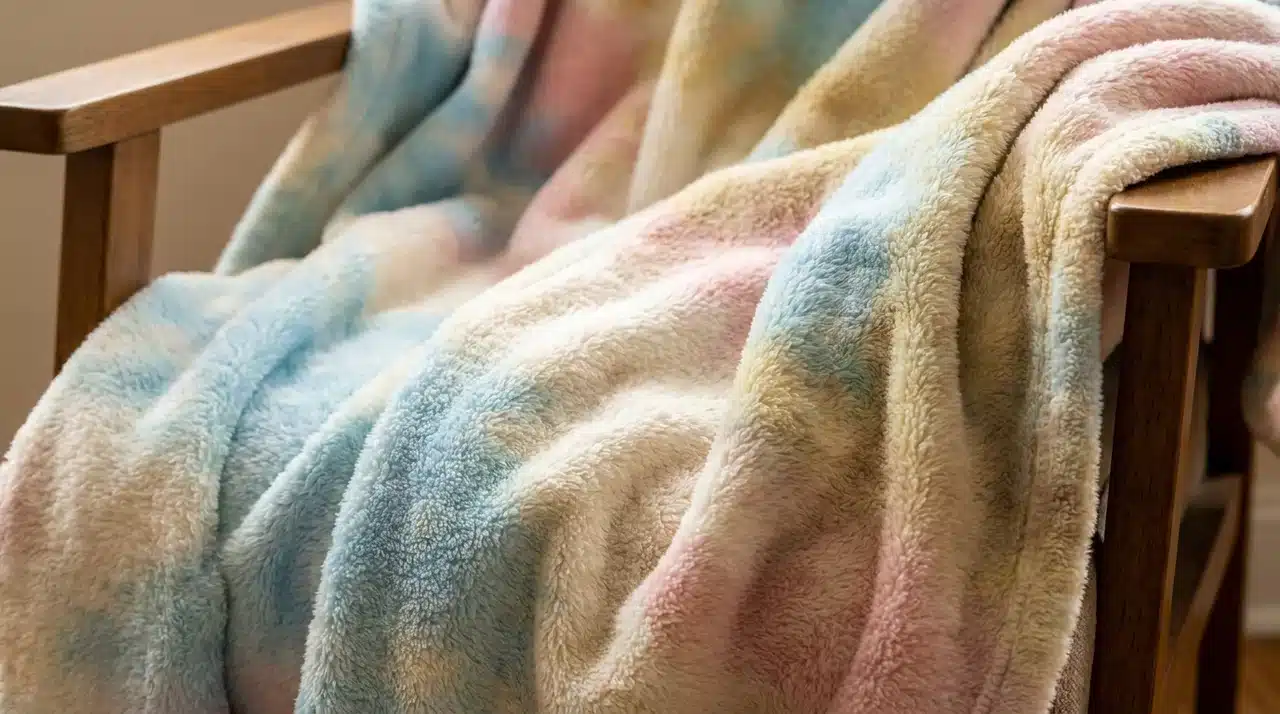
Fleece tie-dye fabric is warm, soft, and cozy. It is a good option for cold-weather projects and items made for comfort.
You can use it for blankets, hoodies, robes, scarves, and winter accessories. Fleece is especially useful for pieces that need warmth, softness, and a thicker feel against the skin.
6. Polyester Blends
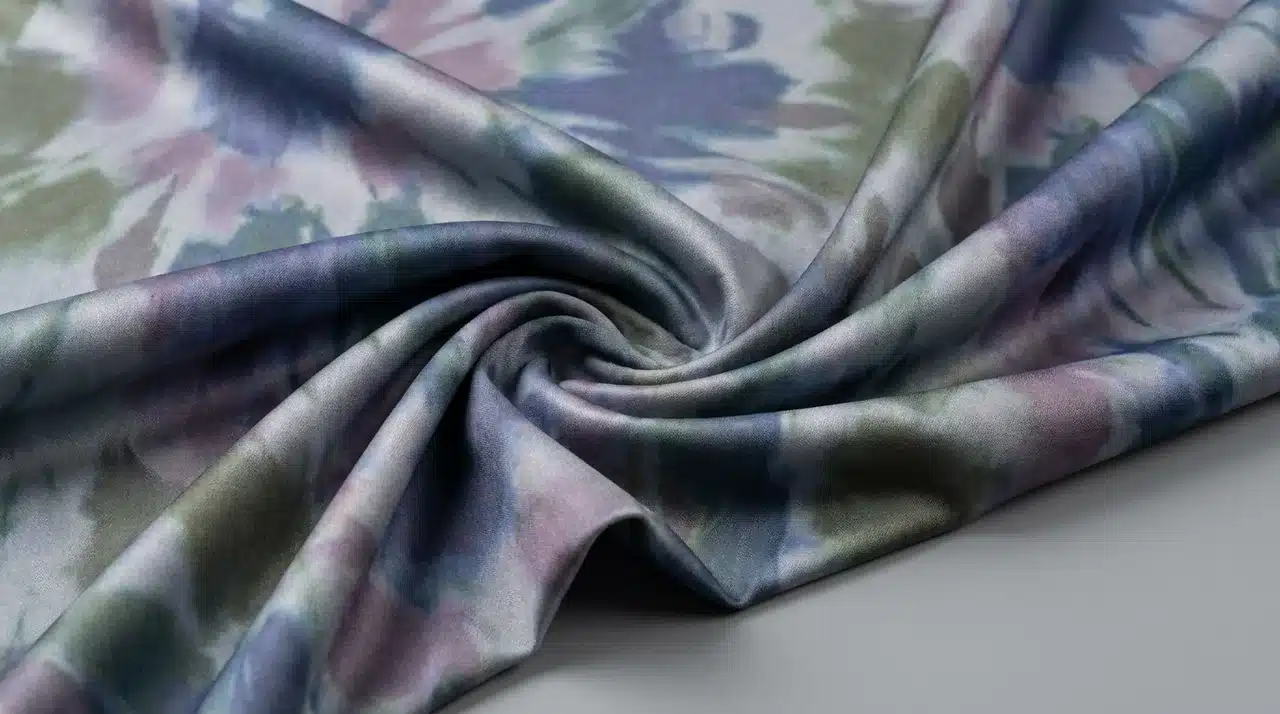
Polyester blends hold their shape well and often resist wrinkles. They can be useful when you want fabric that needs less ironing.
They are commonly used for activewear, costumes, decor pieces, bags, and craft projects. Polyester blends can also work well for items that need more durability or frequent washing.
Popular Tie Dye Fabric Patterns and Designs
Tie-dye fabric comes in many styles, making it easy to find a design that matches your project.
Popular choices include rainbow swirls, spiral patterns, ombre color blends, pastel shades, retro-inspired prints, watercolor effects, and abstract designs.
Some patterns create a bright, playful look, while others feel softer and more understated. The pattern you choose can have a big impact on the finished item.
Large swirls often work well for clothing, while smaller or more subtle prints can suit quilts, pillows, and home decor.
If you want to create these patterns yourself, learning how to tie-dye can help you understand how different color effects and designs are achieved.
Choosing the Right Tie Dye Fabric for Your Project
The best fabric depends on what you want to make, how it should feel, and how often it will be used.
| Project Type | Best Fabric Choices | Why It Works |
|---|---|---|
| Clothing | Cotton, rayon, jersey knit | Soft, breathable, and comfortable for daily wear |
| Quilting | Cotton | Easy to cut, sew, press, and piece together |
| Home decor | Cotton, canvas, heavier blends | Better structure for pillows, runners, and decor accents |
| Crafts | Cotton, polyester blends | Easy to handle, widely available, and useful for small projects |
| Baby items | Cotton, jersey knit | Soft on skin and comfortable for blankets, bibs, and clothes |
| Bags | Canvas, cotton twill, polyester blends | Stronger feel for totes, pouches, and reusable bags |
| Loungewear | Jersey knit, French terry, fleece | Soft, stretchy, and warm for relaxed clothing |
Browsing tie-dye patterns can help you choose colors and prints that fit your project and fabric choice.
What to Check Before Buying Tie Dye Fabric Online
A good print is only one part of the choice. Check the fabric details first so the material fits your project.
- Fabric type: Pick cotton, rayon, jersey, fleece, or blends based on what you plan to make.
- Fabric weight: Light fabrics work better for clothing, while heavier fabrics suit bags, pillows, and decor.
- Stretch level: Choose stretch fabric for fitted clothing, loungewear, and baby items.
- Width and yardage: Check the fabric width and order enough yardage before you start cutting.
- Care instructions: Look for washing details so the colors and fabric hold up better.
- Product photos: Review close-up photos to see the print size, color tone, and texture.
- Reviews and returns: Read buyer reviews and check the return policy before placing your order.
A quick check before buying can help you avoid the wrong fabric, poor fit, and wasted yardage.
Best Places to Buy Tie Dye Fabric Online
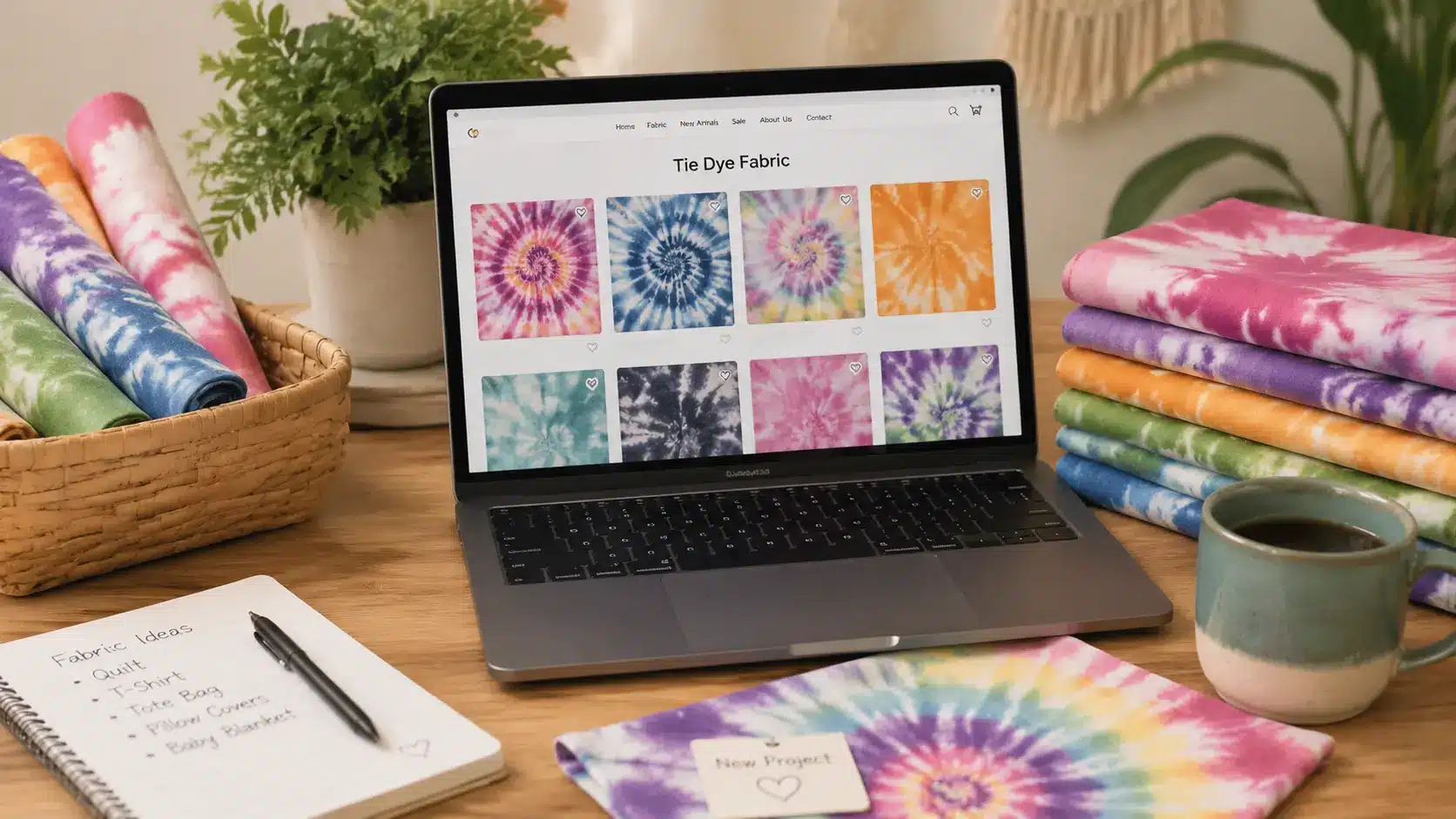
Many online retailers sell tie-dye fabric, but some stand out for selection, fabric quality, pricing, and shipping options.
1. JOANN
Price Range: $5 to $20 per yard
JOANN carries cotton, fleece, flannel, and knit tie-dye fabrics in a wide range of colors. Frequent sales and in-store pickup make it a popular option for both beginners and experienced sewists.
2. Mood Fabrics
Price Range: $10 to $40 per yard
Mood Fabrics offers premium tie-dye fabrics in cotton, rayon, jersey knit, and designer materials. Detailed fabric specifications and high-quality photos help shoppers choose the right material.
3. Fabric Wholesale Direct
Price Range: $3 to $15 per yard
Fabric Wholesale Direct is a good choice for larger projects and bulk purchases. Buyers can find affordable cotton blends, polyester fabrics, and basic tie-dye prints at competitive prices.
4. Etsy
Price Range: $8 to $35 per yard
Etsy gives shoppers access to independent sellers offering handmade and custom-printed tie-dye fabrics. Many shops provide unique patterns that are difficult to find through large retailers.
5. Spoonflower
Price Range: $19 to $35 per yard
Spoonflower specializes in custom-printed fabric and offers tie-dye-inspired designs on multiple fabric types. Customers can choose from cotton, linen, performance fabrics, and home decor materials.
6. Fabric.com Alternatives Through Amazon
Price Range: $6 to $25 per yard
Amazon features tie-dye fabric from multiple brands and sellers, often with fast shipping options. It is useful for comparing prices and finding fabrics for smaller projects.
How to Care for Tie Dye Fabric
Good care can help tie-dye fabric keep its color, shape, and feel after washing.
- Wash in cold water to help reduce fading and keep bright colors from looking dull too quickly.
- Use mild detergent instead of harsh cleaning products, bleach, or strong stain removers that may affect the dye.
- Wash similar colors together, especially during the first few washes when extra dye may still rinse out.
- Avoid high heat when drying because it can weaken fibers, shrink some fabrics, and fade the color faster.
- Store unused fabric in a cool, dry place away from direct sunlight, moisture, and dusty storage areas.
- For homemade fabric, check the dye setting time and wait before rinsing so the color has enough time to set.
These small care steps can help tie-dye fabric stay brighter, feel better, and remain easier to use for future sewing or craft projects.
Trending Tie Dye Fabric Styles This Year
This year, tie-dye fabrics are trending in a variety of styles that are both practical and stylish.
| Style | Colors | Description |
|---|---|---|
| Earth-tone Tie-Dye | Browns, greens, rust shades, creams, muted blues | Natural, grounded look for clothing, quilts, and home décor. |
| Soft Pastels & Watercolor Effects | Light pinks, soft blues, lavenders, creams | Minimal patterns for a clean, airy feel suitable for sewing, decorating, and crafts. |
| Organic Cotton Tie-Dye | Varies with soft, muted tones | Eco-friendly fibers for baby items, lounge pieces, table linens, and handmade gifts. |
| Small-Scale Prints | Tiny, subtle patterns | Versatile patterns that pair easily with other fabrics for quilts, sewing, and home décor. |
Selecting the right style can help your sewing, quilting, or decorating projects feel modern and cohesive.
Conclusion
Choosing the right tie-dye fabric can make a big difference in how your finished project looks, feels, and lasts over time.
With so many fabric types, patterns, and retailers available, taking a few extra minutes to compare materials can help you avoid costly mistakes and find the best option for your needs.
The right fabric can make sewing easier, improve comfort, and give your project a more polished result.
Compare fabric types, check reviews, and order a few samples before buying larger quantities to make a more confident choice.
Frequently Asked Questions
Can You Buy Tie-Dye Fabric by the Yard?
Yes, most fabric retailers sell tie-dye fabric by the yard for sewing, quilting, and craft projects.
Is Tie-Dye Fabric Suitable for Upholstery Projects?
Some heavier cotton-and-canvas tie-dye fabrics can work for light upholstery and decorative furniture projects.
Does Tie-Dye Fabric Shrink After Washing?
Natural fabrics like cotton may shrink slightly if they are not prewashed before use.
What Is the Best Tie-Dye Fabric for Beginners?
Cotton is often the easiest option because it is simple to sew, wash, and work with for most projects.