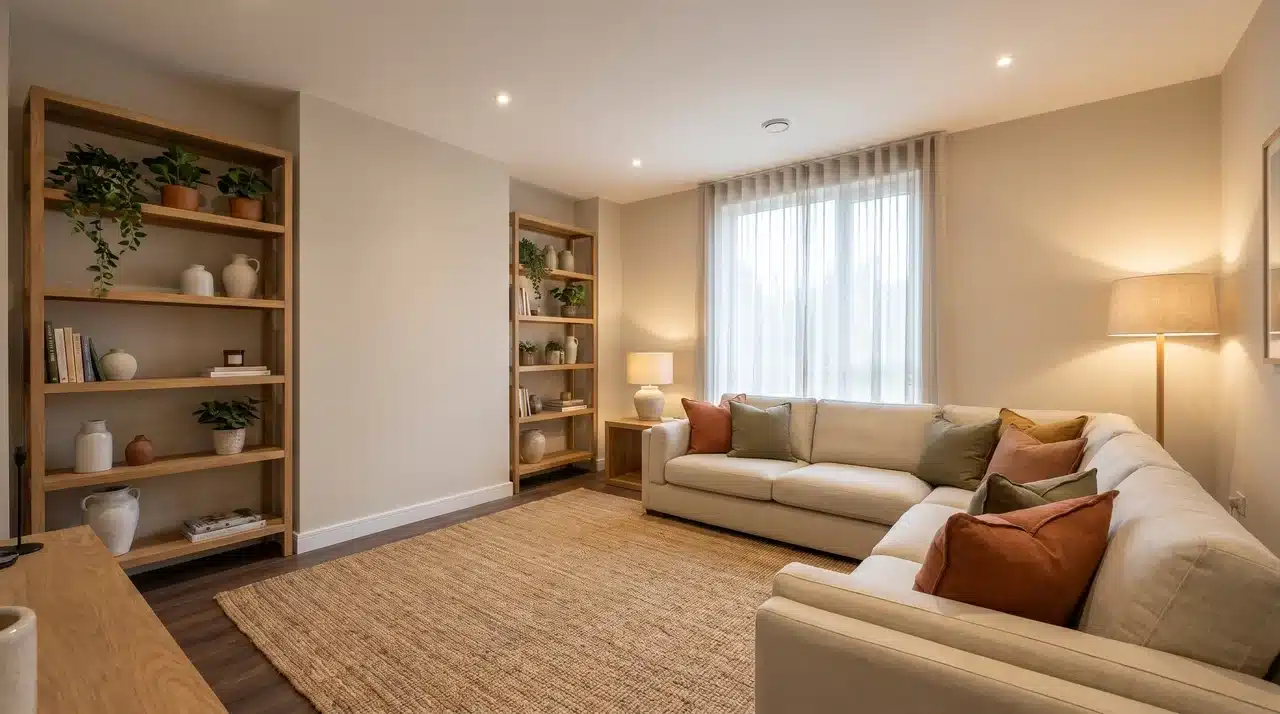
Even a carefully arranged room can feel like something’s missing. It’s rarely about style or budget.
The real difference comes from how a space is structured. Trends, colors, and furniture only go so far.
DrHomey interior design looks at that deeper layer. It shows how small, intentional choices change how a room feels, functions, and adapts over time.
Once you notice these patterns, you’ll see why some rooms feel right immediately, and others never quite come together.
What is DrHomey Interior Design?
A room can have good furniture, fresh paint, and decent lighting. It can still feel like something is missing.
That gap is rarely about budget. It comes down to structure. DrHomey interior design exists to close that gap.
It’s a practical approach built on three principles: function, balance, and adaptability. Together, they make a space feel deliberate and finished.
Whether you rent, work with a tight budget, or just want a room that holds together, this gives you a real decision-making process.
The difference between a room that looks assembled and one that looks finished comes down to structural decisions. Price tags rarely matter as much.
What Does the DrHomey Approach Include?
Knowing the three pillars exist isn’t the same as using them well. Each one plays a distinct role, and skipping one puts pressure on the other two.
Layout and Function
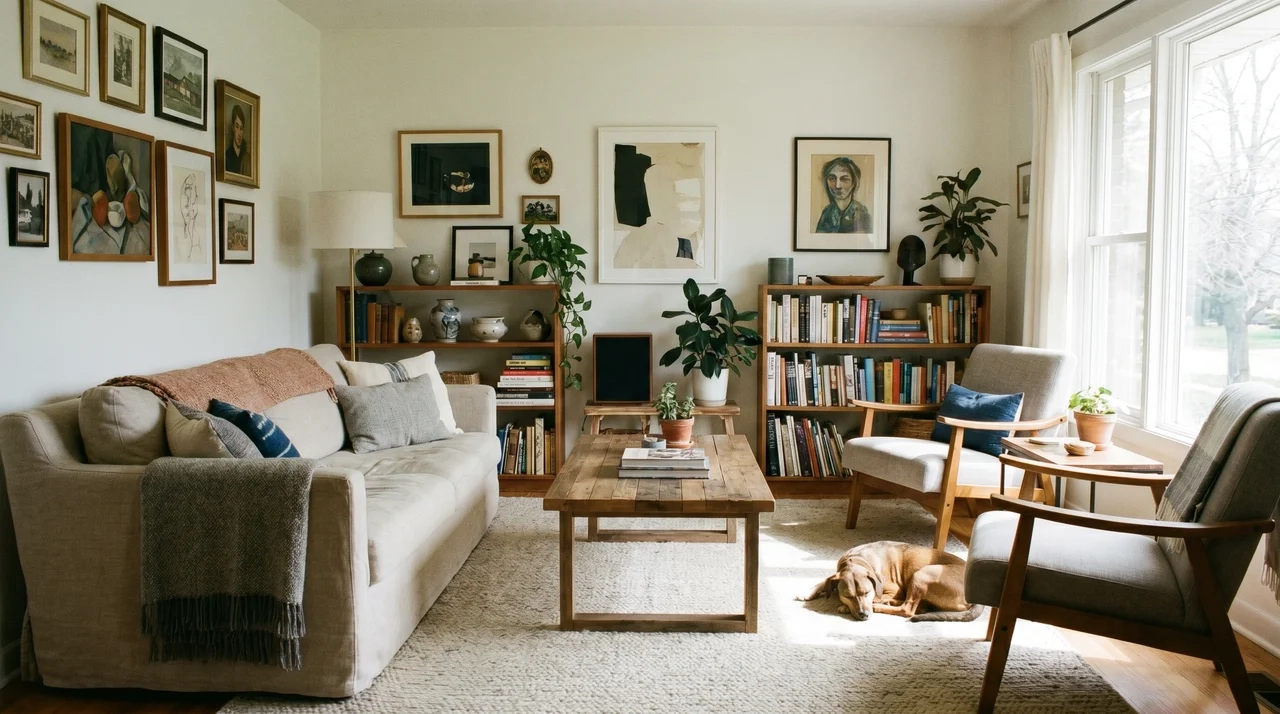
Function starts with one honest question: how do you actually use this room?
Not how you want to use it. Not how a staging photo shows it. Think about a normal Tuesday evening, when you’re tired and the room just has to work.
That question drives every layout decision. Where furniture sits, how people move through the space, where storage goes, these come from function first.
I’ve seen a sofa placed dead-center for symmetry that nobody could actually reach comfortably. That’s a balance win and a function failure at the same time.
Function also shifts as life changes. A room built for a couple works differently once kids, guests, or a home office get added.
Getting this right usually means removing something before you add anything new.
Balance in Color and Furniture
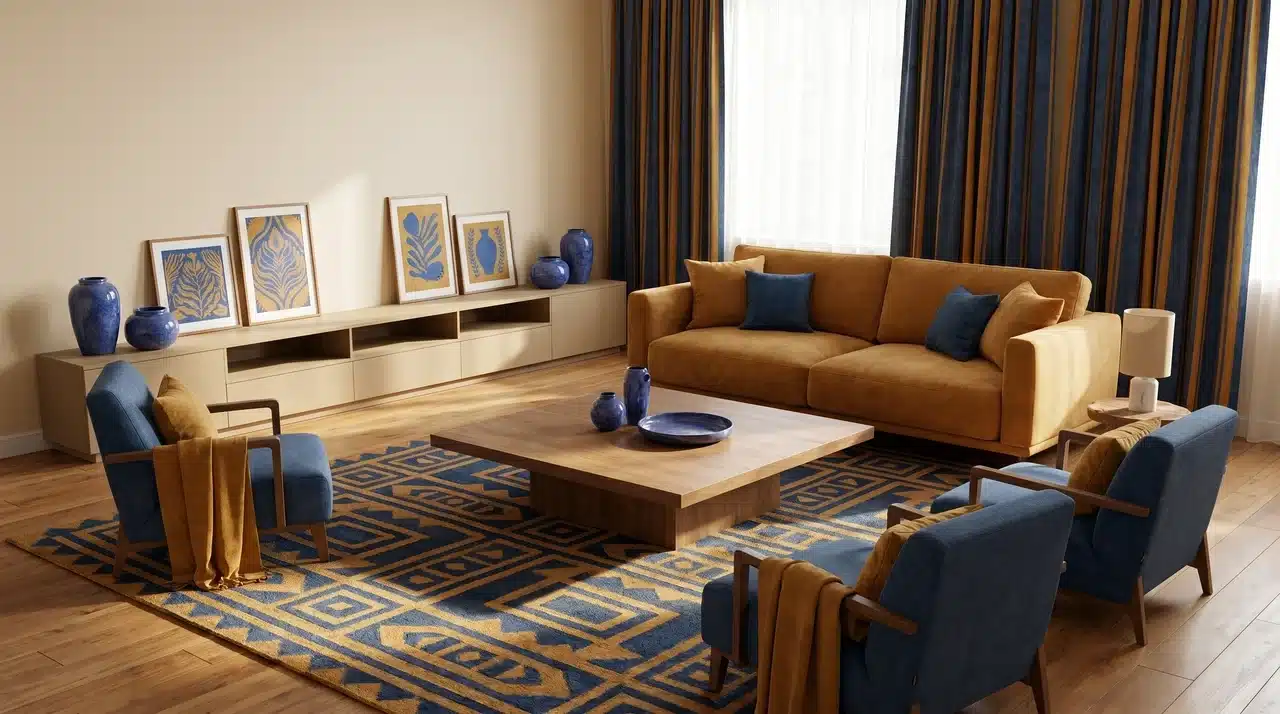
Balance gets confused with symmetry a lot, but they’re not the same thing. Visual balance is about how color and pattern spread across a room.
A dark sofa on one wall with nothing to anchor the other side creates tension. The room isn’t asymmetrical, the visual weight is just lopsided.
Physical balance is about scale, furniture relative to the room and to each other. An oversized sectional isn’t a problem by itself.
It becomes one when every other piece next to it feels undersized.
Both types of balance take active decisions. Neither one fixes itself over time.
Adaptability Over Time
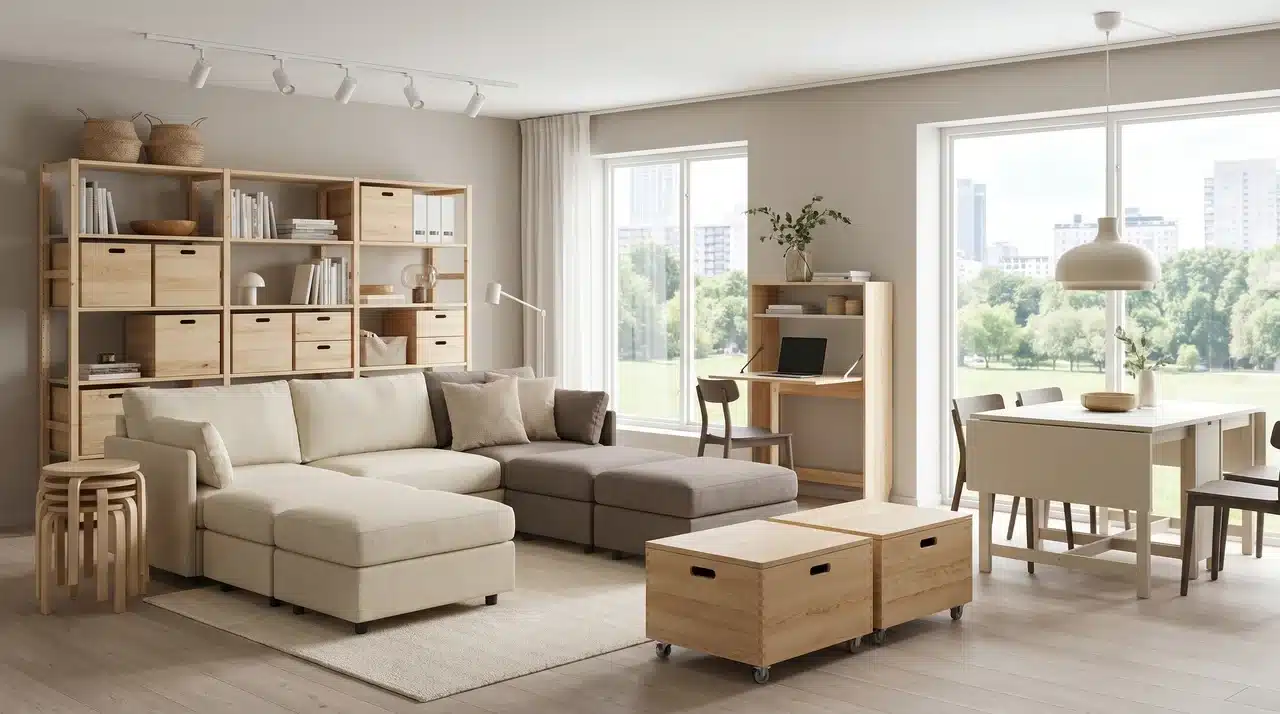
Adaptability rarely gets the attention function and balance get. Skip it, and a well-designed room can stop working within a few years anyway.
Adaptability means the space was built to change. Life rearranges itself, and the room needs to move with it.
DrHomey builds this in early. Solid wood over laminate. A sectional you can rearrange instead of one fixed sofa.
Wall colors like warm greige or soft clay work too, since they pair with almost any accent you pick later.
What DrHomey Interior Design is Not?
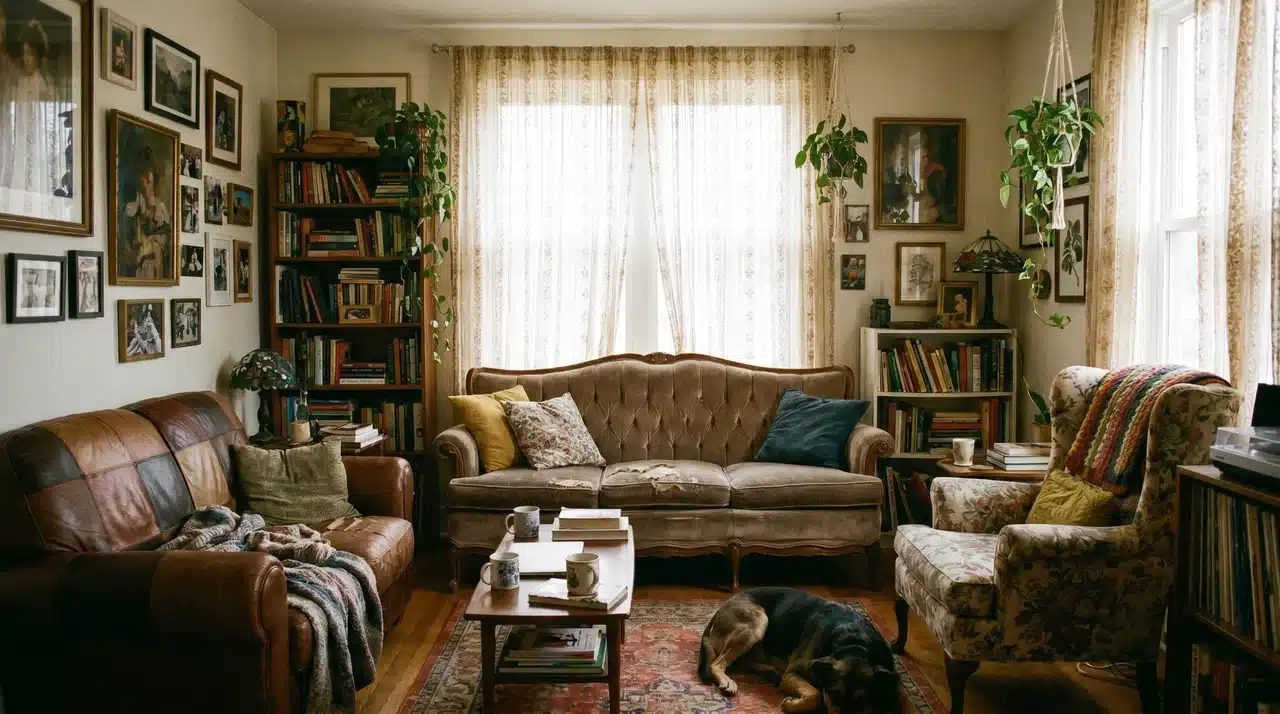
DrHomey interior design isn’t a visual style or a mood board look. It’s not a curated product collection either, and it doesn’t produce one specific look.
Two rooms built on DrHomey principles can look nothing alike. One might be warm and maximalist, the other clean and minimal. The principles stay the same. The aesthetic is yours.
This trips people up more than anything else. If you’re expecting a signature look, you’ll miss what it actually offers.
A few things get mistaken for what DrHomey offers. Clearing these up saves you from expecting the wrong thing:
- Not a fixed aesthetic: no signature palette, no go-to materials, nothing built to be copied.
- Not a shopping guide. It never tells you what to buy, only how to decide once you’re standing in the store.
- Structural, architectural, or load-bearing work falls outside it completely. That needs an actual professional, not this approach.
- And it doesn’t end once a room looks finished. It’s a process you keep using, not a single makeover you finish and forget.
The value isn’t in the visual output. It’s in the process that keeps a room working, without a rebuild every time life shifts.
DrHomey operates in interior arrangement, decor, and styling. Outside that territory, it doesn’t apply, and it never claims to.
Why the DrHomey Approach Produces Spaces that Feel Finished?
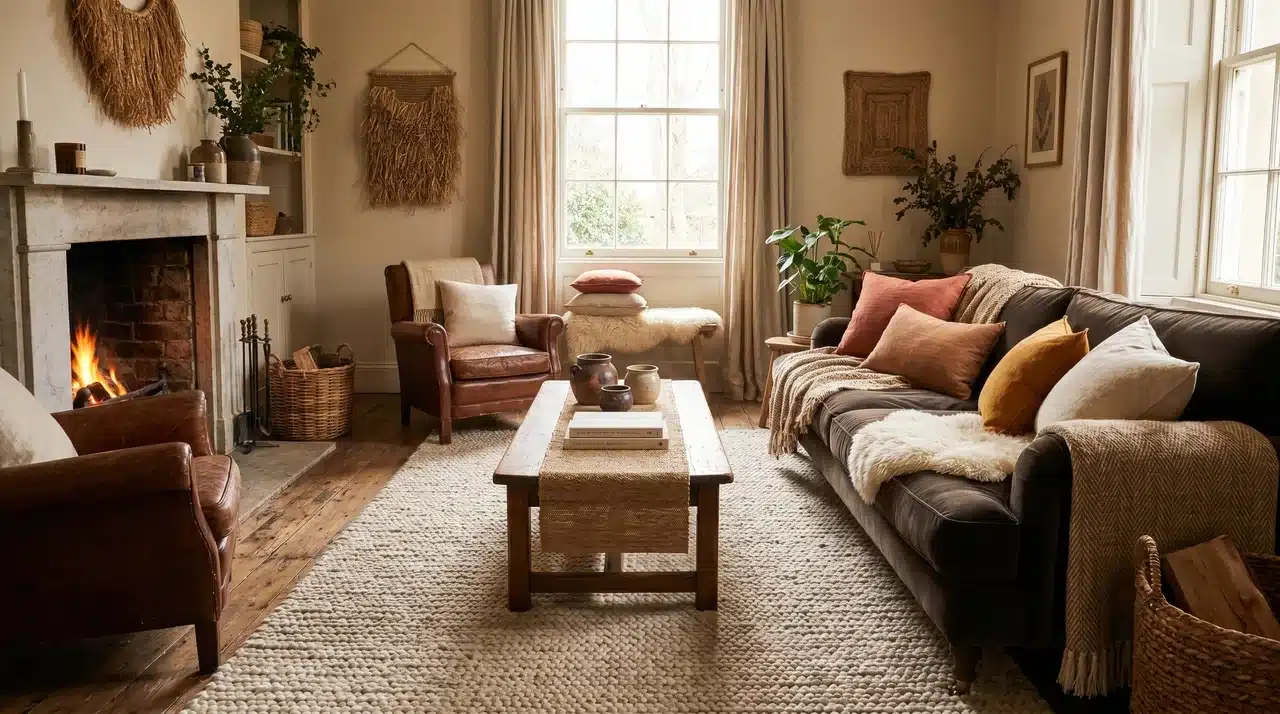
Most rooms fail quietly. Not from one bad choice, but from three good ones that never worked together.
This is where the three pillars stop being separate ideas and start acting as one system.
A finished room isn’t the one with more in it. It’s the one where every element relates to the others. That’s what people mean when they walk in and say, “it just works.”
Here’s what each pillar contributes to that feeling:
| Pillar | What It Does | Why It Matters |
|---|---|---|
| Function | Drives layout based on real use | Keeps the space liveable, not just visual |
| Balance | Distributes visual and physical weight | Makes the room read as a whole |
| Adaptability | Builds in room for change | Keeps a finished space finished over time |
Each one handles a different layer. Remove any one of them and the other two start to strain.
Three Starting Points that Do Most of the Work
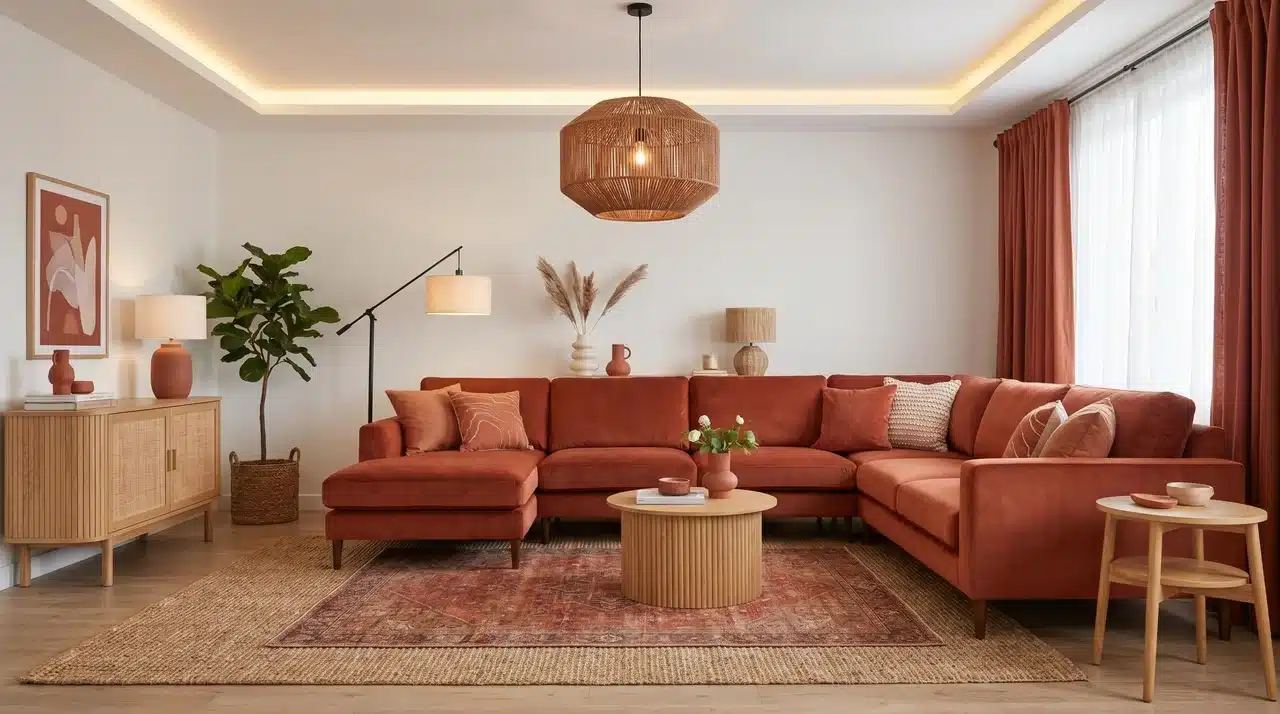
These aren’t full redesign moves. Each one is a single, low-cost decision that puts the approach into motion right away:
- Fix the lighting first. Most rooms are underlit, and that flattens everything, making balance harder to read.
- Set a dominant color anchor. Repeat one color in at least three places, like a pillow, a vase, and a piece of art. That pulls the room together.
- Scale one key furniture piece correctly. Scale is usually the first thing that’s off, and getting one piece right recalibrates everything around it.
A room built this way doesn’t just look good on the day it comes together.
It holds up because the structure underneath it was built to last and flex at the same time.
How DrHomey Plays Out Room by Room
The three pillars look different depending on which room you’re standing in. Here’s how each one plays out room by room:
Living Room
Function here means deciding if the room is built for conversation, movie nights, or both. A sectional angled toward the TV rarely works for face-to-face talk.
Balance shows up in how seating spreads around the room, not stacked against every wall.
Kitchen
Function comes first here too. Clear counters and reachable storage matter more than open shelving that looks good empty.
Adaptability means leaving room in cabinets and on counters for how you actually cook now, not how you cooked five years ago.
Bedroom
Balance often gets skipped because the bed dominates by default.
Anchoring one or two other pieces, like a dresser or a chair, keeps the room from reading as one giant object with side tables attached.
Bathroom
Adaptability is mostly about finishes here. Grout, hardware, and paint take the most daily wear.
Choosing versions that hold up under moisture protects the room from needing a redo in two years.
The pillars stay the same. What changes is which one needs the most attention in that room.
Wrapping Up
DrHomey interior design makes a room feel intentional rather than assembled by chance. It relies on structural principles instead of trending aesthetics.
Function, balance, and adaptability work together. They create spaces that perform well and stay visually harmonious over time.
Applying these principles leads to decisions that last. Think about how each choice adds to the room’s cohesion.
Fixing the lighting, scaling one key furniture piece, and setting a dominant color anchor puts this approach into motion right away. These small moves make a space feel finished for years.
Frequently Asked Questions
Is DrHomey interior design suitable for renters?
Yes. It relies on adaptable, non-structural choices, like furniture layout, lighting, and color. Those work in rented spaces without any permanent changes.
Do I need a large budget to use the DrHomey approach?
No. DrHomey focuses on function and balance first. Selective changes, like scaled furniture, better lighting, or a color anchor, create real results without big spending.
Can DrHomey principles work in a small space?
Absolutely. Function drives efficient layouts, and balance prevents visual crowding. Together, they make even small rooms feel organized and cohesive without losing style.
Is DrHomey interior design a specific website or a broader philosophy?
It’s both. DrHomey is a content platform, but it also describes a design philosophy. That philosophy is built on function, balance, and adaptability.