Ever wondered what makes a room truly engaging beyond just furniture and color?
Design lovers and interior enthusiasts often want to know why some spaces feel inspiring while others seem ordinary. They are looking for practical ways to make interiors both stylish and functional.
This blog will explore why interior design is interesting, highlighting the blend of art and science that shapes spaces.
You’ll learn practical insights on smart home interior design, sustainable choices, and personal style approaches that make interiors both useful and appealing, with tips and ideas from Mintpaldecor.
What Makes Interior Design Captivating
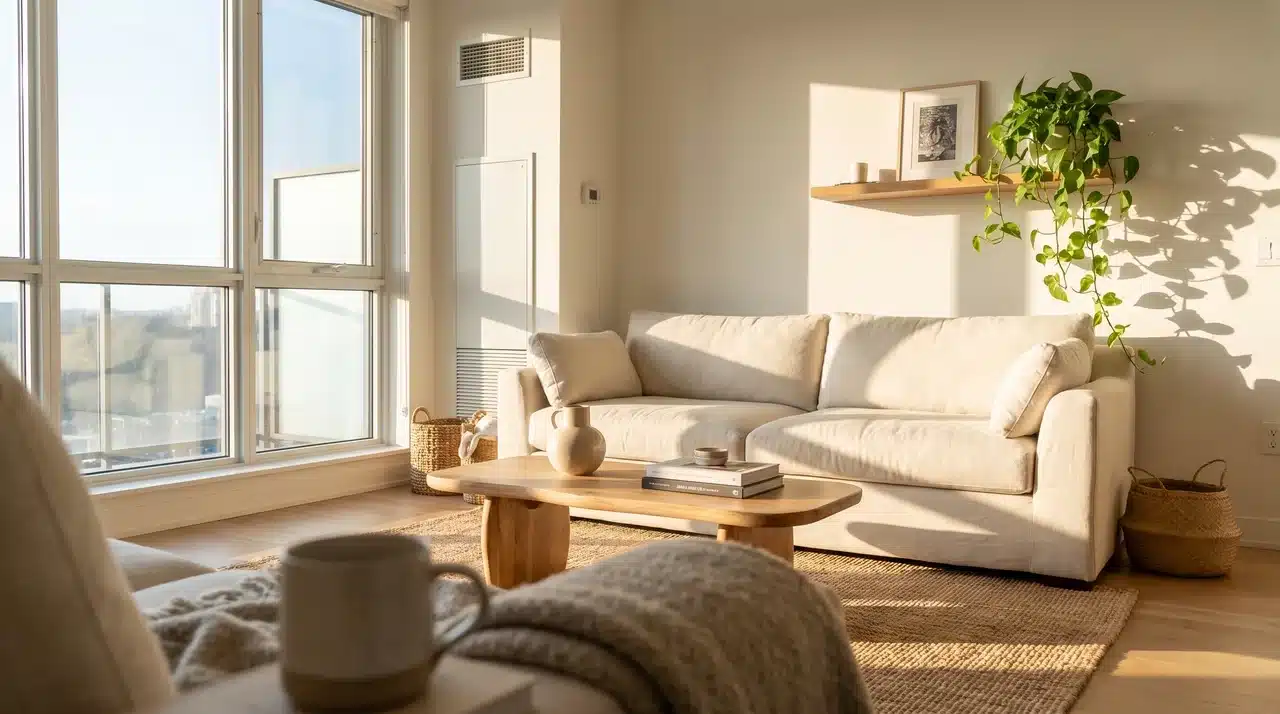
Interior design is interesting because it works on you without you noticing. Walk into a well-designed room, and something shifts: you feel calmer, more alert, more at ease before you’ve consciously registered why.
It sits at an unusual crossroads: part art, part psychology, part practical problem-solving.
A designer choosing between two paint shades is making an aesthetic call, but also deciding how morning light will behave and how a family will move through their home.
What makes interior design truly interesting is how personal it is. A room exists for specific people, with specific habits and tastes.
Good design doesn’t override that; it creates the conditions for it.
The Interior Design Process
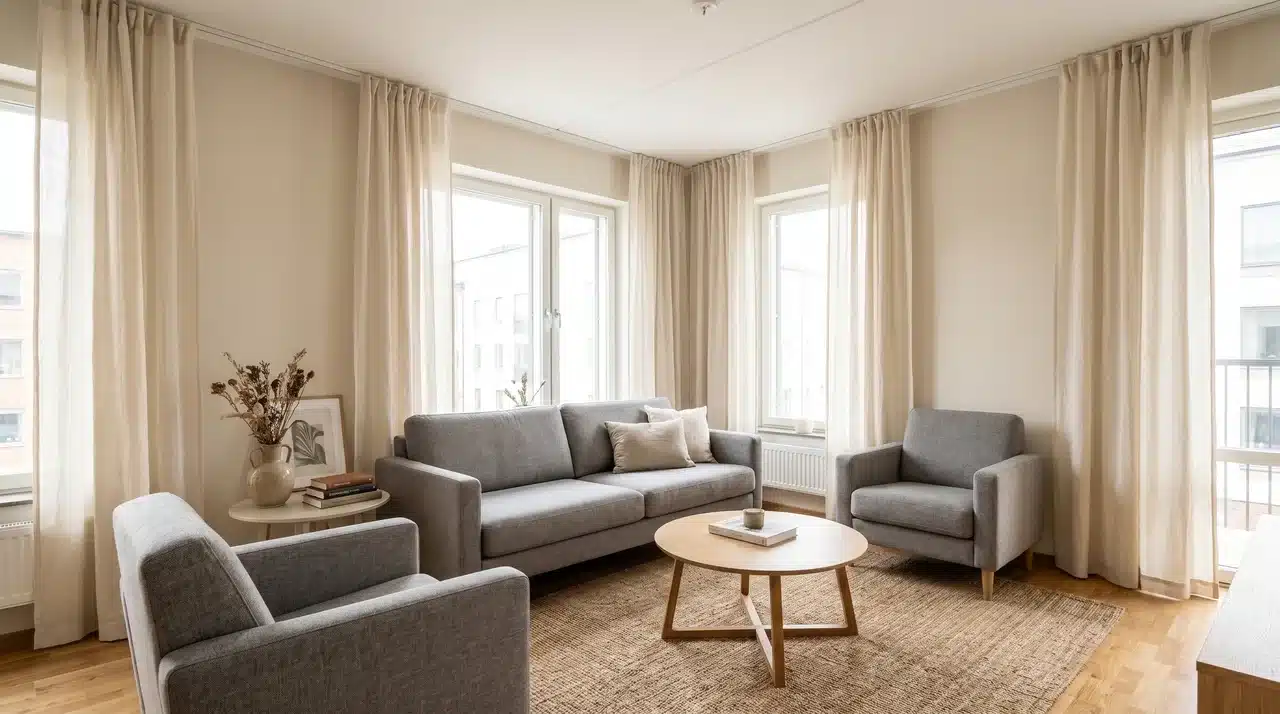
Creating a great interior starts with an idea. Designers think about how the space will be used and what mood it should have.
They try different layouts, colors, and materials before deciding on the best plan.
Every choice balances style and function. Furniture placement, lighting, and textures all affect how a room feels. Even small changes, like moving a lamp or picking a different fabric, can make a big difference.
Conceptualization
This is where the ideas for a room start. Designers think about how the space will be used, what mood it should have, and what style fits best. They look for inspiration from colors, furniture, and layouts that work well together.
They create sketches or boards to see how everything will look. A home cook planning a kitchen thinks differently about counter space and lighting than someone who rarely cooks.
The design brief starts with how the person actually lives, not just how the room should look.”
Spatial Planning
Spatial planning focuses on how people will move and use the room. Designers make sure furniture and objects are placed so the space feels open and easy to walk through.
They also think about scale and proportion. Tables, chairs, and other items are chosen so they fit well without crowding the room. Good spatial planning makes a space practical, comfortable, and visually pleasing.
Execution
Execution is when the design plan comes to life. Furniture, lighting, and decorations are placed carefully to match the layout and style.
Designers adjust small details, like fabrics, textures, or lamp positions, to make the room feel comfortable and functional. This step ensures that the space looks good, works well, and reflects the intended style while meeting the needs of the people using it.
Ever-Evolving Trends: What Keeps Interior Design Fresh
Interior design never really stands still. Styles shift, new ideas come in, and what felt fresh a few years ago starts to look dated.
That constant movement is actually one of the things that makes design so interesting to follow there’s always something new to think about.
Some of the styles getting a lot of attention right now:
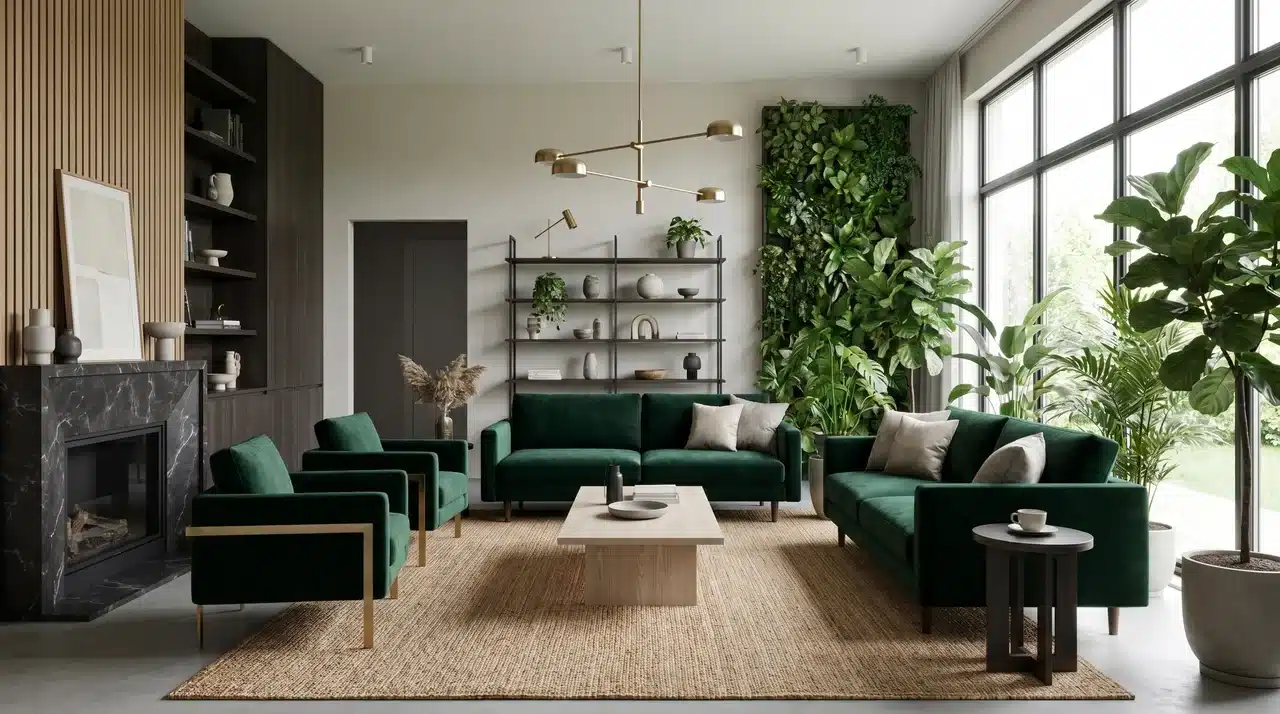
- Dark luxury: think deep charcoal, forest green, navy, paired with velvet, brass, and stone. It used to feel heavy. Now it just feels confident and rich.
- Japandi: a mix of Japanese minimalism and Scandinavian practicality. Clean lines, natural wood, muted colors, and nothing on the surface that doesn’t need to be there.
- Biophilic design: bringing the outside in. Plants, natural light, organic textures, earthy tones. The idea is that your space should feel connected to the natural world, not cut off from it.
Here’s the thing about trends, though: you don’t have to follow them to benefit from them. Even just knowing what’s current expands your sense of what’s possible.
You might take one element from dark luxury and leave the rest. You might love the palette of Japandi but keep your own furniture.
Trends give you new vocabulary, and that’s useful even when you’re not going all in.
Mintpaldecor covers these shifts regularly, with a focus on what actually translates to real homes rather than just what looks good in a photoshoot.
Smart Home Integration: When Technology Makes Design More Interesting
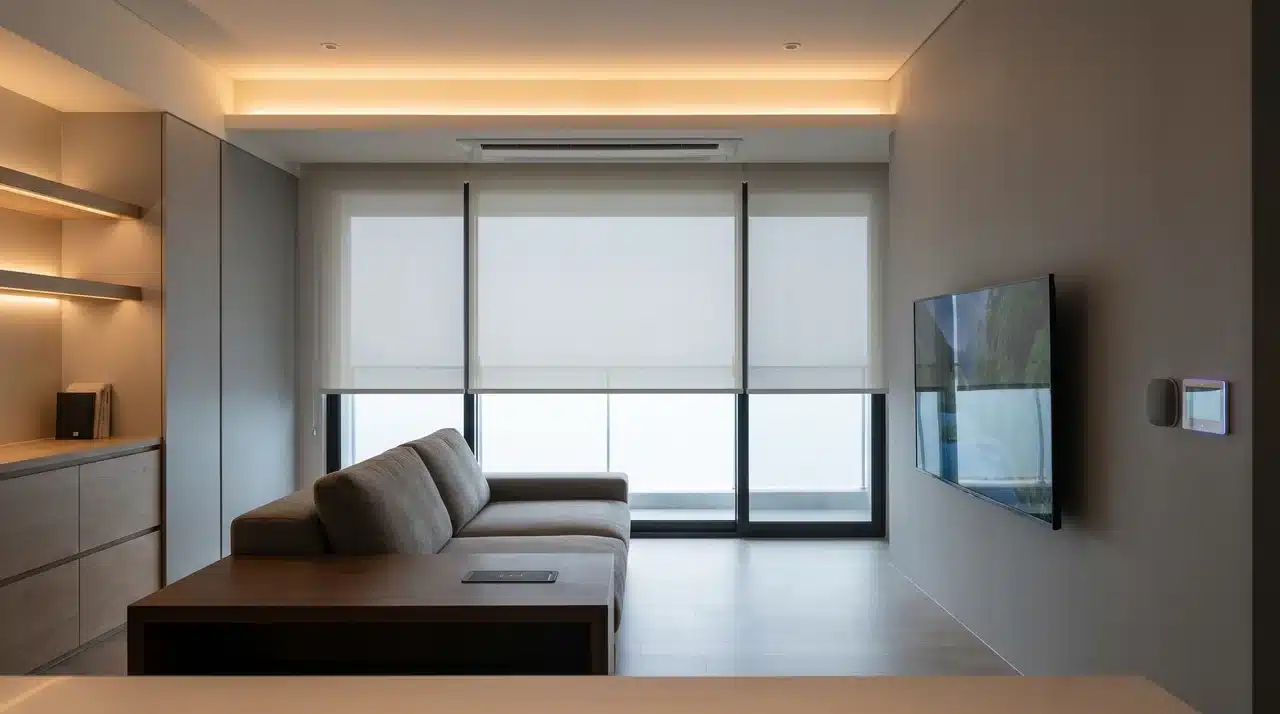
Technology has quietly become one of the more interesting design challenges out there. It’s not really a question of whether to include smart features anymore; most people want them.
The real question is how to make them disappear into the room so they don’t fight with the aesthetic.
That’s a genuinely tricky problem to solve, and it’s one of the reasons smart home interior design keeps pushing designers to think differently. Here’s what good integration actually looks like in practice:
- Automated lighting that shifts through the day: cooler and brighter in the morning, warmer and dimmer by evening. It works with your body rather than against it, and you stop thinking about it within a week.
- Hidden charging stations built into surfaces or tucked into furniture. Cables off the counter, function still there.
- Motorized blinds that respond to natural light. When they’re done right, you don’t notice the mechanism at all; the room just feels like it manages itself.
- Voice or app-controlled systems for temperature, music, and lighting, with no visible hardware cluttering up shelves.
The constraint is the same every time: the technology has to work harder so the room looks simpler. That’s a creative problem, and creative problems are interesting ones to work on.
Even one small addition, a single automated light, or a built-in charging pad, can noticeably change how a space feels to use every day.
Sustainable Interior Design: Why Thoughtful Choices Matter
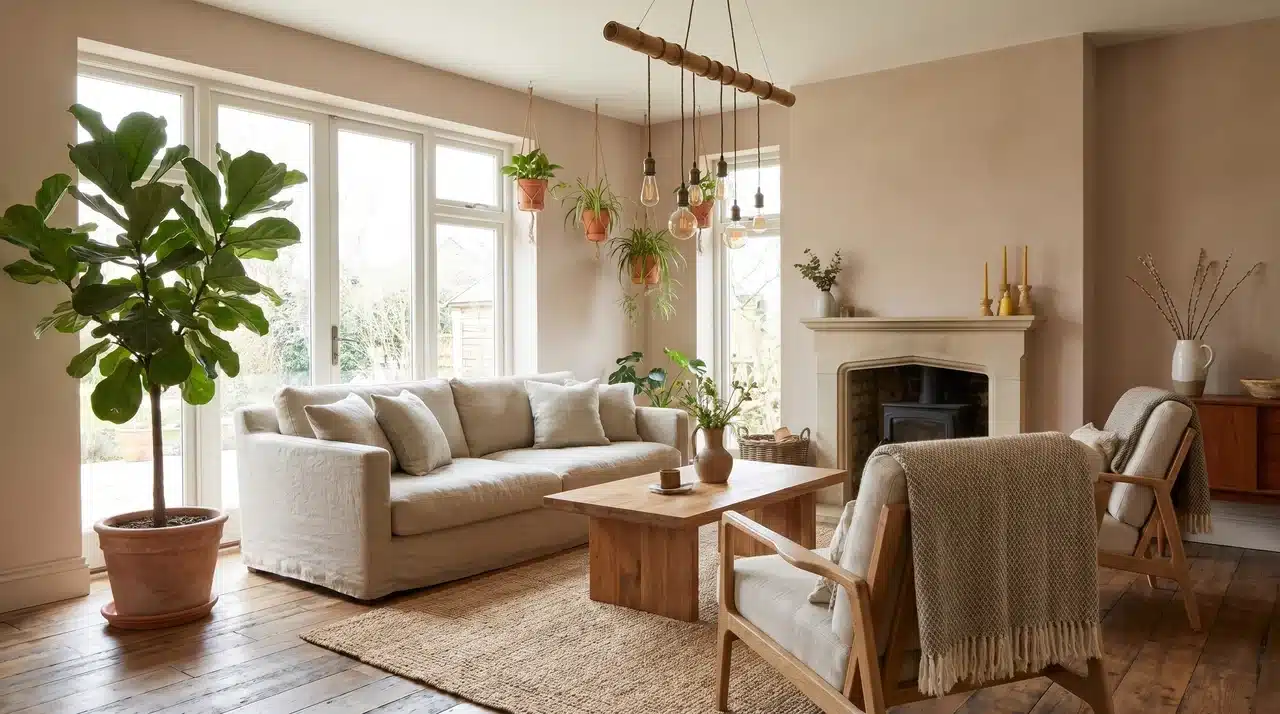
Sustainable interior design isn’t a style; it’s a way to think about every choice you make in a room. It changes how you evaluate furniture and finishes.
- Durable materials: Solid wood, natural stone, and quality fabric last longer, avoiding early replacements and keeping the space functional and visually strong.
- LED lighting with dimming: Saves energy, adds flexibility, and improves ambiance, making responsible choices part of a better daily experience.
- Low-VOC paints and finishes protect indoor air quality, so rooms feel healthier for anyone spending long hours inside.
- Secondhand and reclaimed furniture: Adds character and uses existing pieces wisely, combining style with responsibility.
One of the biggest sustainability decisions in a room isn’t a product choice; it’s pace. Fast furniture, cheap items bought for the short term, generates far more waste than one well-chosen, durable piece.
Buying less but better is the most effective sustainable decision most people can make.
Interior Design’s Impact on Daily Life
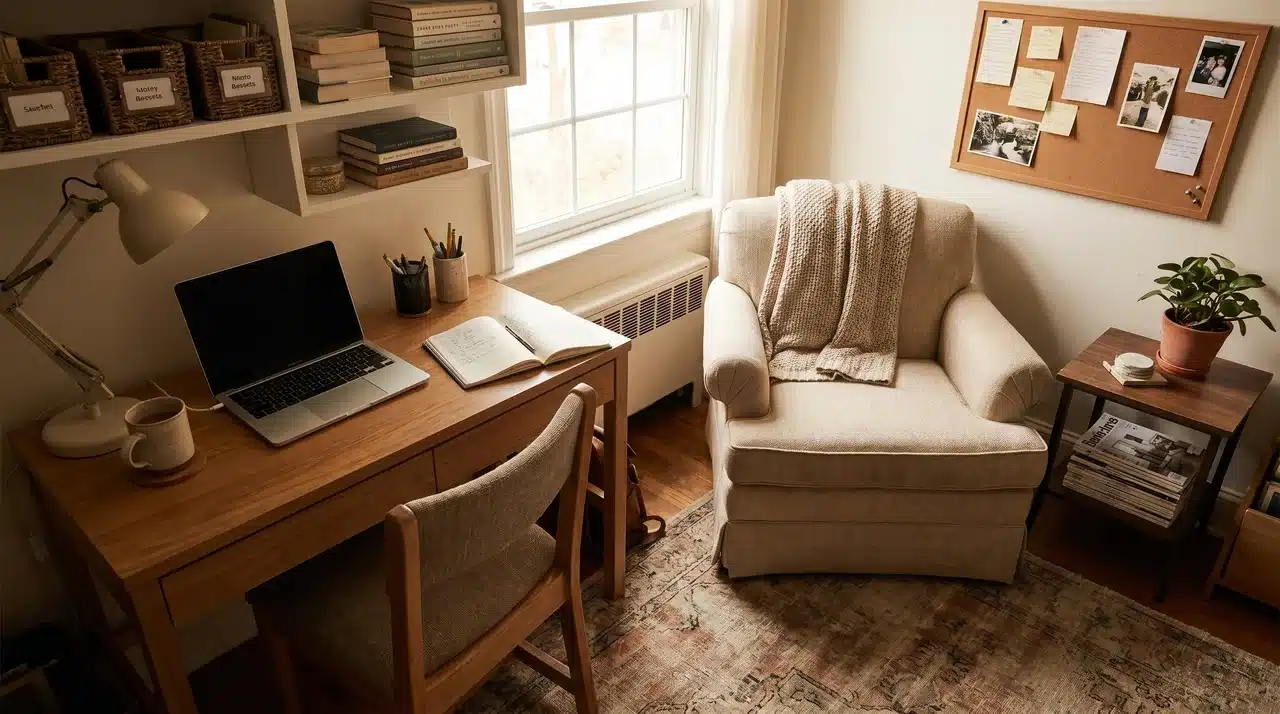
Interior design changes how people feel and act in a space. A well-planned room can make someone feel calm, focused, or energized depending on the layout, colors, and lighting.
Design also affects how people interact. Rooms arranged for easy conversation or movement make gatherings feel natural.
Small details, like a reading corner or a tidy kitchen, can encourage routines and make everyday life easier.
Over time, thoughtful design improves comfort and usability. Spaces that feel good to be in influence mood, habits, and overall well-being, which makes interior design both practical and engaging.
Why Interior Design Remains Relevant Today
Interior design stays interesting because it adapts to how people live. Rooms can be updated for home offices, hobbies, or multifunctional spaces, keeping them practical and inviting.
It also reflects personality and lifestyle. A dedicated collector needs shelving that works as a display.
A remote worker needs a corner that mentally separates work from home. When a room is built around how someone actually spends their time, it earns its keep in a way generic design never does.
Modern design often incorporates smart home features and sustainable choices.
Technology, such as automated lighting and eco-friendly materials, makes rooms more convenient and sustainable while keeping them stylish.
Trends and evolving styles keep interiors fresh, showing why interior design continues to captivate.
Common Misconceptions About Interior Design
Some people think interior design is only for large or expensive homes. In reality, even small spaces can be made practical and stylish with careful planning.
Another common idea is that creativity is limited by budget or rules. Designers often use these limits to find clever solutions that improve both function and style.
Personal style matters more than following trends. When a room reflects your tastes and habits, it feels comfortable and meaningful, showing why interior design is both personal and interesting.
Wrapping Up
Interior design is interesting because it combines function, style, and personal expression in ways that shape everyday life.
Thoughtful choices in colors, lighting, layout, and textures make spaces comfortable, practical, and visually appealing.
Smart home features and sustainable options enhance usability and support a healthier living environment. Understanding how design influences mood, routines, and interactions shows clearly why interior design is interesting.
Take a moment today to assess your rooms and apply simple changes to create a space that truly works for you.
Frequently Asked Questions
What Are the Main Reasons People Find Interior Design Interesting?
Interior design sits at the crossroads of art, psychology, and everyday practicality. Colors, layouts, and textures shape how you feel and behave in a space, making it endlessly fascinating to explore.
Is Interior Design only for Wealthy Homes?
Not at all. Thoughtful choices in lighting, furniture placement, and materials can transform any space regardless of budget. Good design is about intention, not how much you spend.
How Does Interior Design Affect Mental Wellbeing?
The right lighting, layout, and color palette can reduce stress, improve focus, and make daily routines feel easier. A well-designed room works with you, not against you.