Rooms don’t feel off because the furniture is wrong. They feel off because the decisions behind it were made in the wrong order.
Decorating has a sequence. Layout shapes how a room reads, light affects how every surface in it looks, and texture and detail close the gap between the two.
Here you’ll find home decor ideas organized by what they actually solve, not by style, not by room type, but by the real problem underneath.
Start with what feels unresolved. One structural fix, made in the right place, changes how the entire room reads from that point forward.
Why Do Most Rooms Look “Off” and What Actually Fixes It?
A room doesn’t look off because the decor is wrong. It looks off because nothing in it tells the eye where to land first.
Most people try swapping pieces, adding new cushions, changing the art, and getting another lamp. The room still feels unfinished.
That’s because the problem is never the objects. It’s visual weight.
How much presence each element carries, and whether those elements balance each other across the space. When weight is uneven, the eye moves around the room without settling.
Balance, proportion, and the natural flow of attention do most of the work in any room that feels put together. Get those right, and almost anything in the space can work.
Home Decor Ideas that Change How a Room Feels
The home decor ideas here are grouped by what they actually fix: layout problems, bad lighting, flat texture, and unfinished details. Find the problem you’re dealing with and start there.
Layout and Visual Weight
Layout does more work than any individual piece, and most layout problems are solved by moving things rather than buying them.
1. Anchor Every Seating Area to a Rug
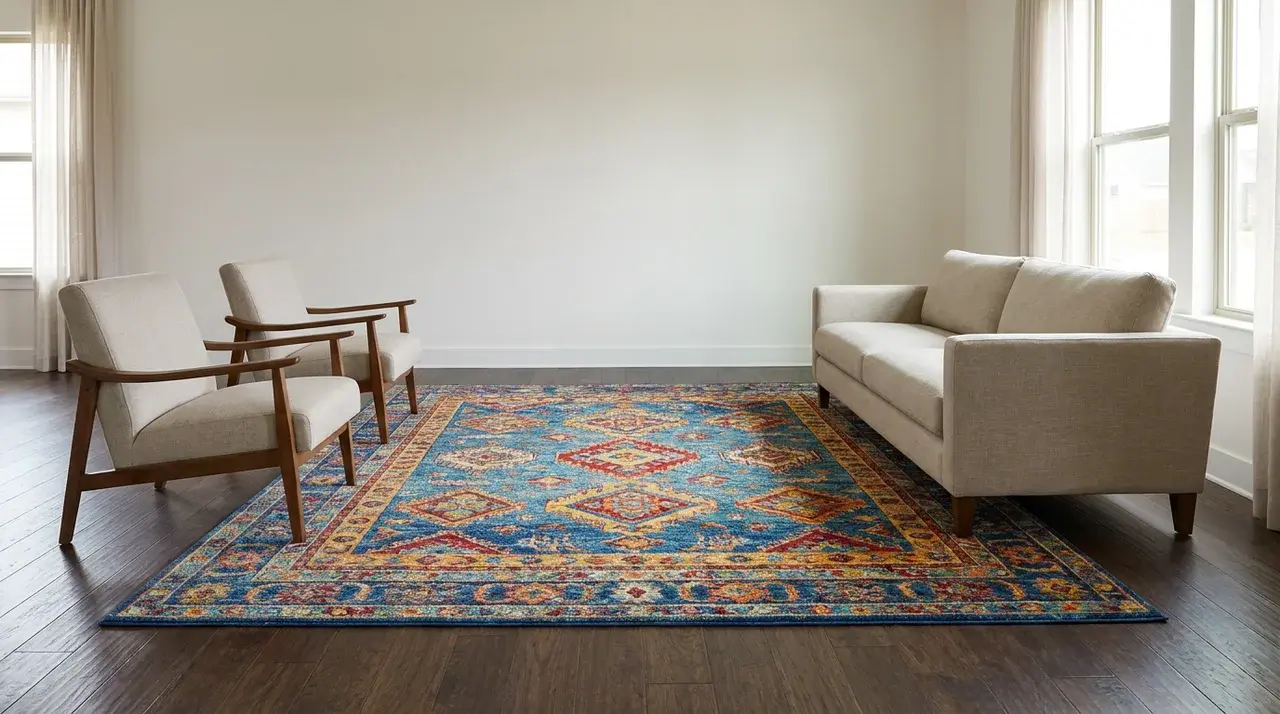
Furniture that floats, legs sitting on bare floor with no rug underneath, makes a room feel unfinished. Not because it looks wrong, but because the seating zone has no edge.
A rug defines the boundary of the conversation area and tells the eye where one zone ends and another begins. The rug needs to be large enough that the front legs of every major seat sit on it. Too small, and it makes the problem worse.
2. Push Furniture Away from the Walls
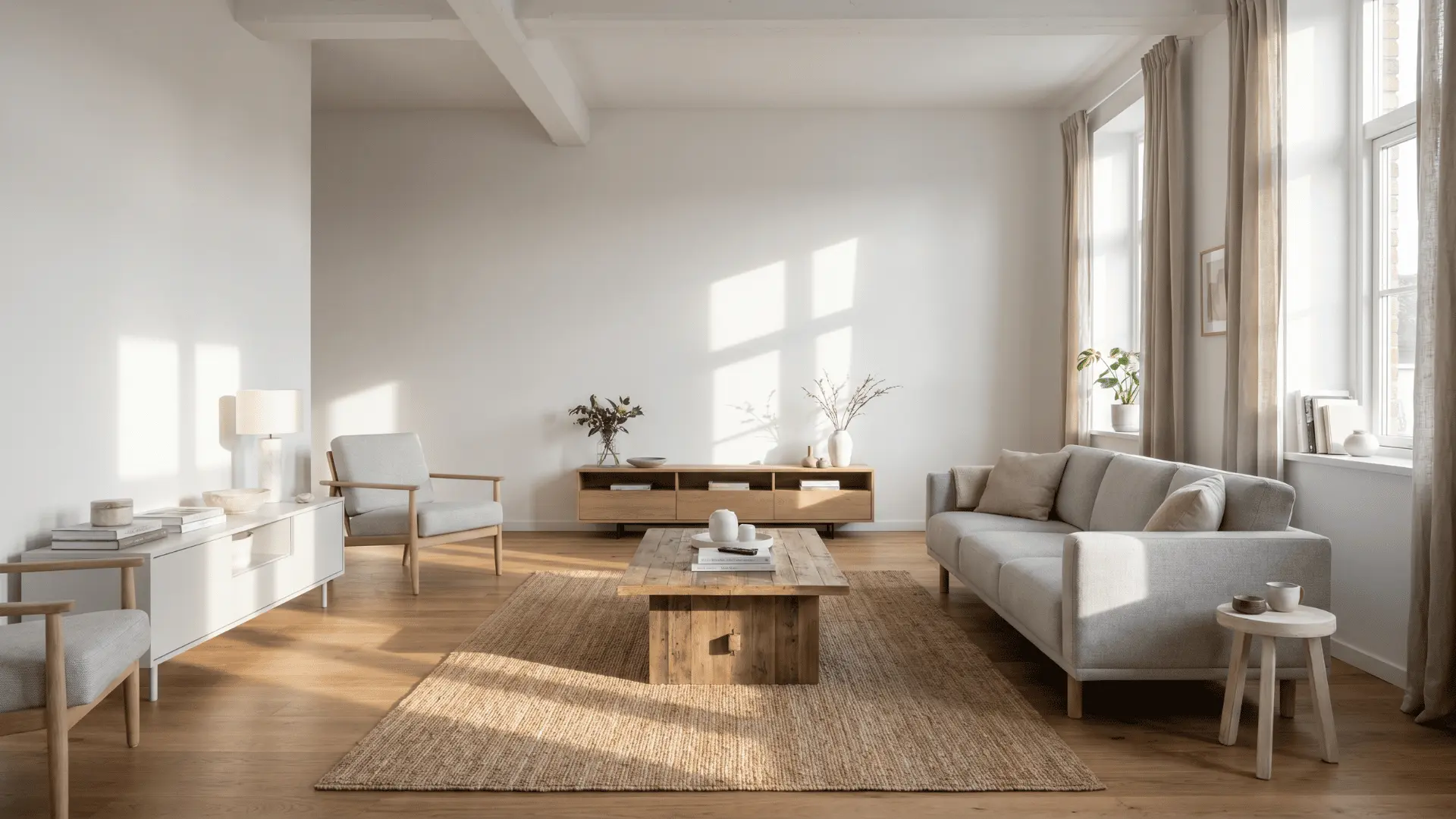
The instinct to push sofas and chairs against the wall is almost universal. It also makes rooms feel smaller. When furniture hugs the perimeter, the center of the room becomes dead space, and the seating feels disconnected.
Pull everything in by 30 to 45 centimeters. The gap between furniture and wall looks deliberate. The center of the room starts to feel like it belongs to the arrangement, not leftover space around it.
3. Orient Seating Toward One Focal Wall
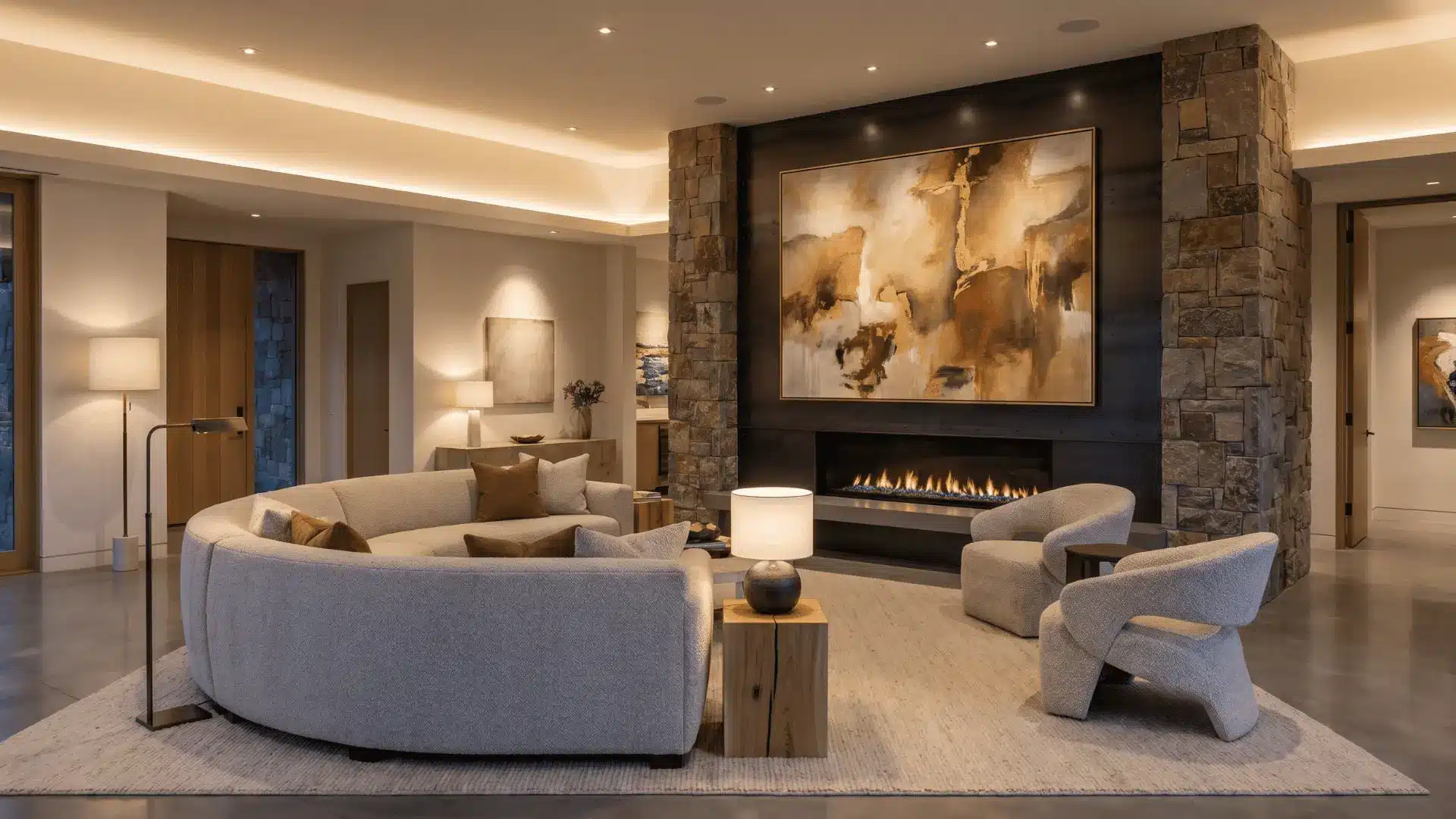
A room without a clear orientation feels directionless. If your seating faces multiple directions with no obvious anchor, the room reads as unsettled regardless of what’s in it.
Pick one wall, ideally the one opposite the entry point, and angle everything toward it. That single decision gives the room logic.
TheHomeTrotters applies this principle across dozens of room types, including awkward layouts where the obvious focal wall isn’t available, and their breakdowns are worth checking before you commit to an arrangement.
4. Use Odd-Numbered Groupings for Shelves and Surfaces
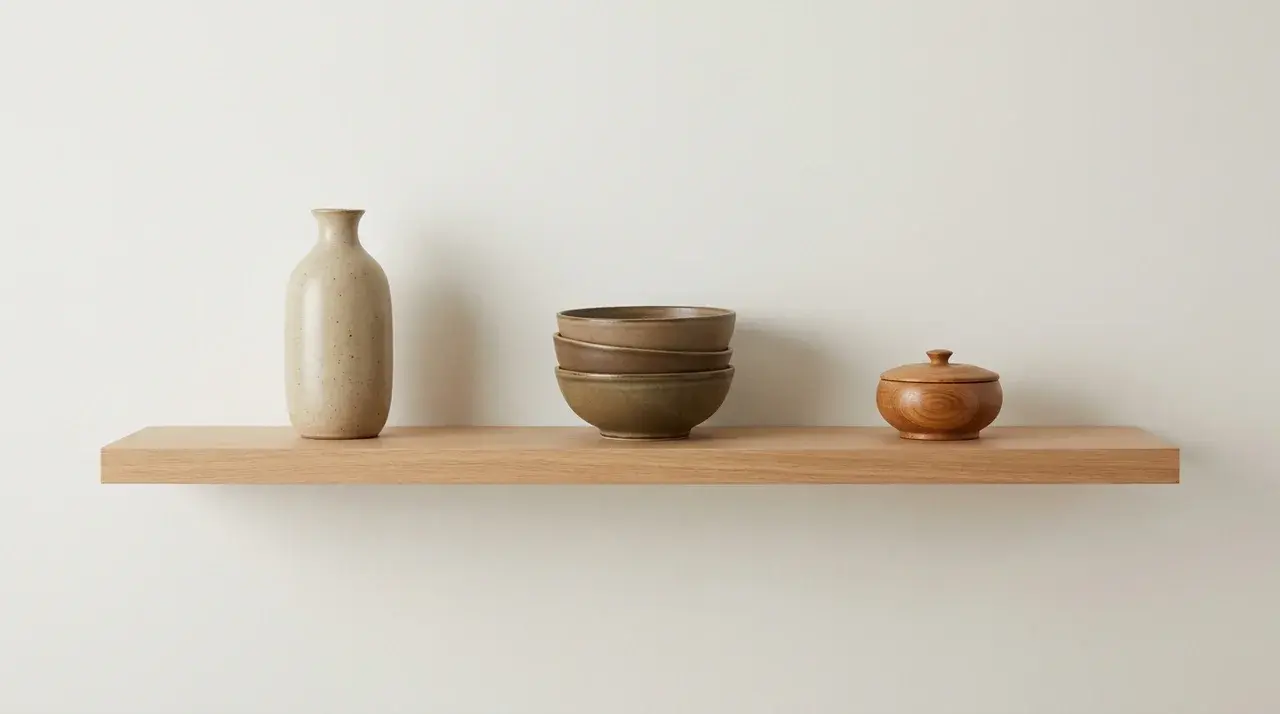
Even numbers feel static. Three objects, five objects, seven objects, odd groupings create a natural asymmetry the eye reads as intentional rather than placed.
This applies to shelf styling, coffee table arrangements, and mantel displays. Vary the heights within the group. A tall object, a mid-height object, and a low object at three different points give the eye somewhere to travel across the surface.
Light and Perceived Space
Light is the one thing that changes how every other element in a room looks, and most rooms are lit badly by default. It’s a starting point that most rooms never move past.
5. Layer Three Light Sources in Every Room
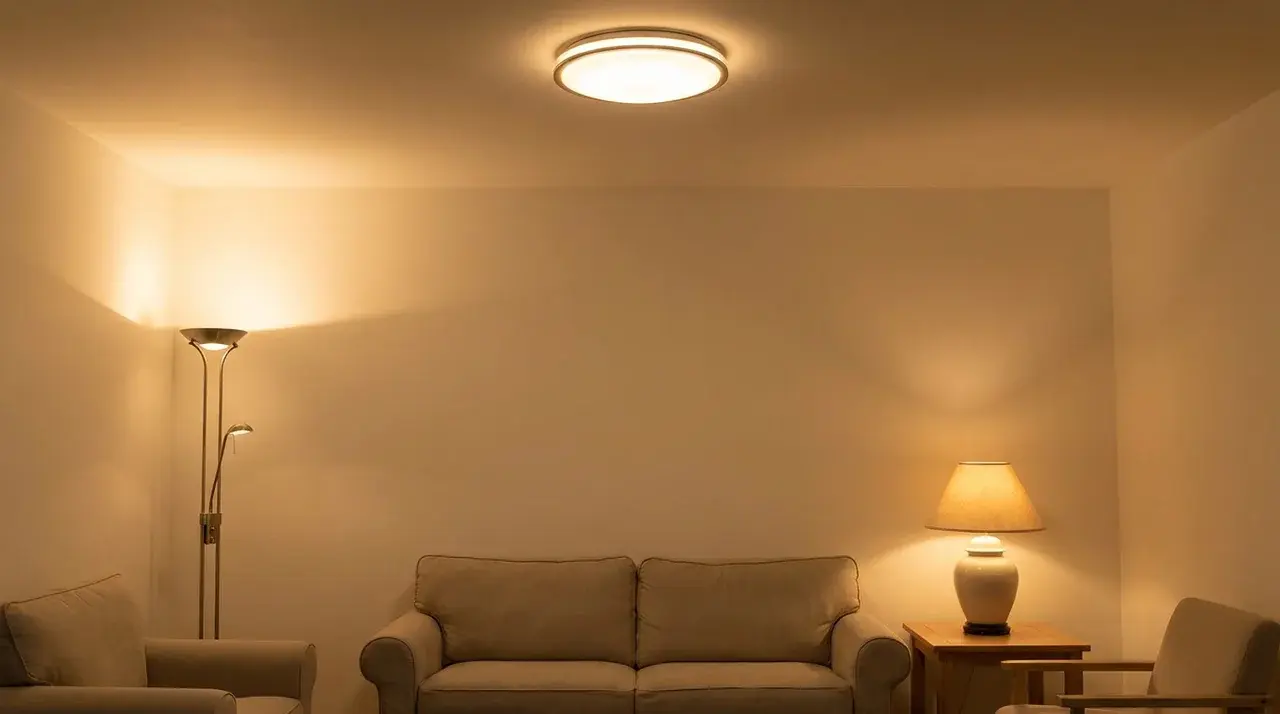
One overhead fixture flattens a room. It lights everything equally, which means nothing reads as warm, considered, or dimensional.
Three sources fix this: ambient light for general brightness, task light for functional zones like reading or cooking, and accent light for surfaces or corners you want the eye to travel toward.
Add one layer and the room immediately feels more intentional than it did before.
6. Place a Lamp in At Least One Dead Corner
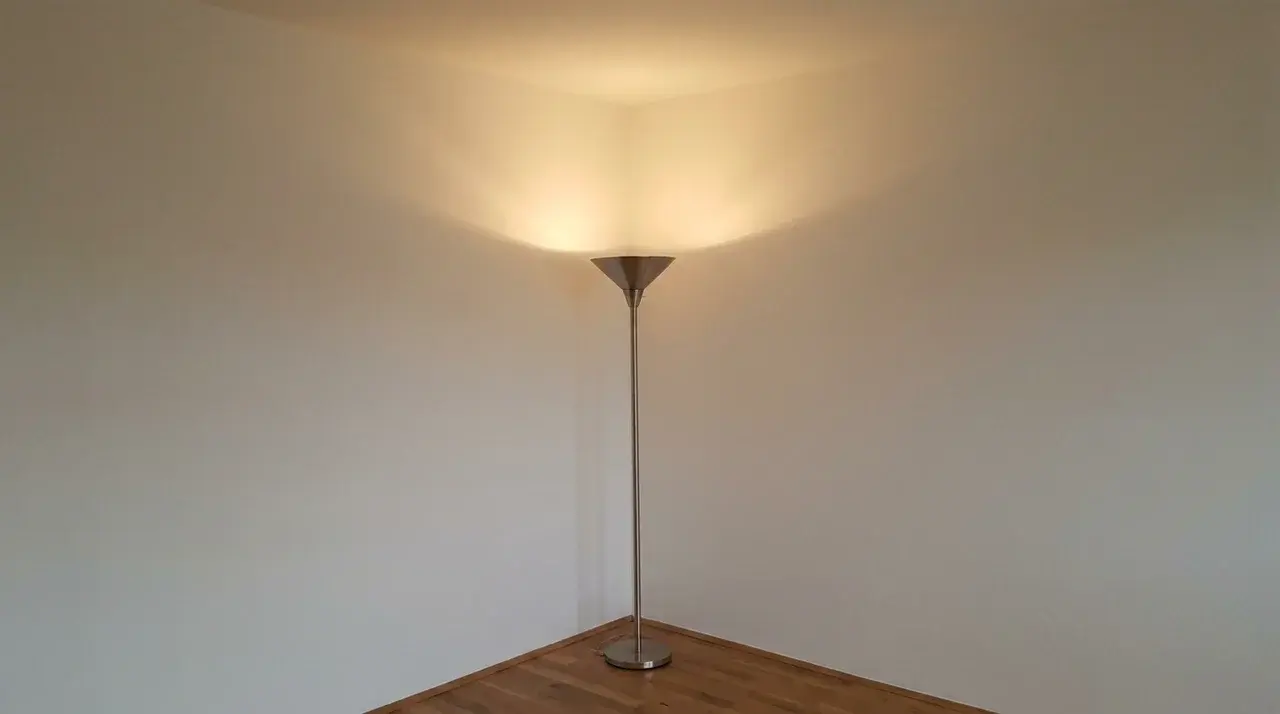
A corner with no light source disappears. The eye doesn’t travel there; the room feels smaller than it is, and the space reads as unfinished.
A single floor lamp or table lamp in a neglected corner changes the perceived boundary of the room. The light visually pushes the wall back. That corner stops being dead space and starts being part of the room’s atmosphere.
7. Use Mirrors to Redirect Natural Light
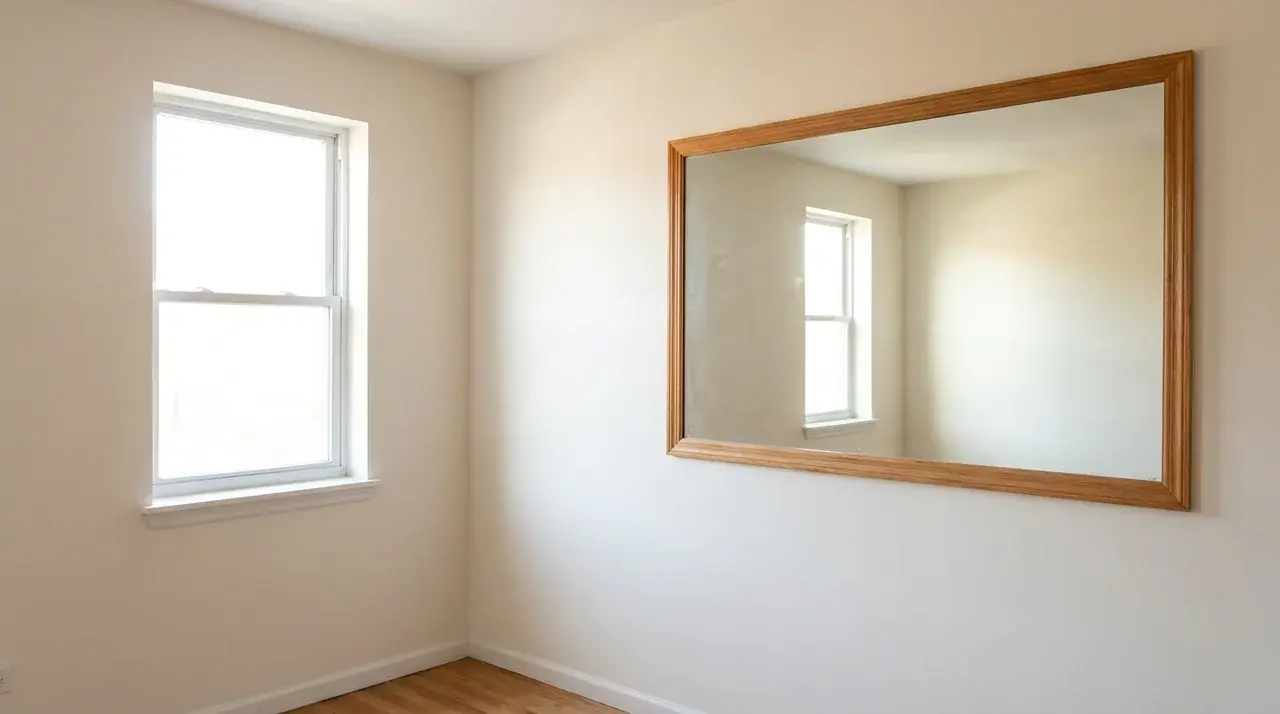
A mirror placed opposite or adjacent to a window doesn’t just reflect the view. It catches natural light and throws it deeper into the room, brightening areas that would otherwise stay dim through the day.
The bigger the mirror, the more light it reflects. This is especially useful in rooms with one small window where natural light runs out by midday.
8. Switch to Warm Bulbs Throughout
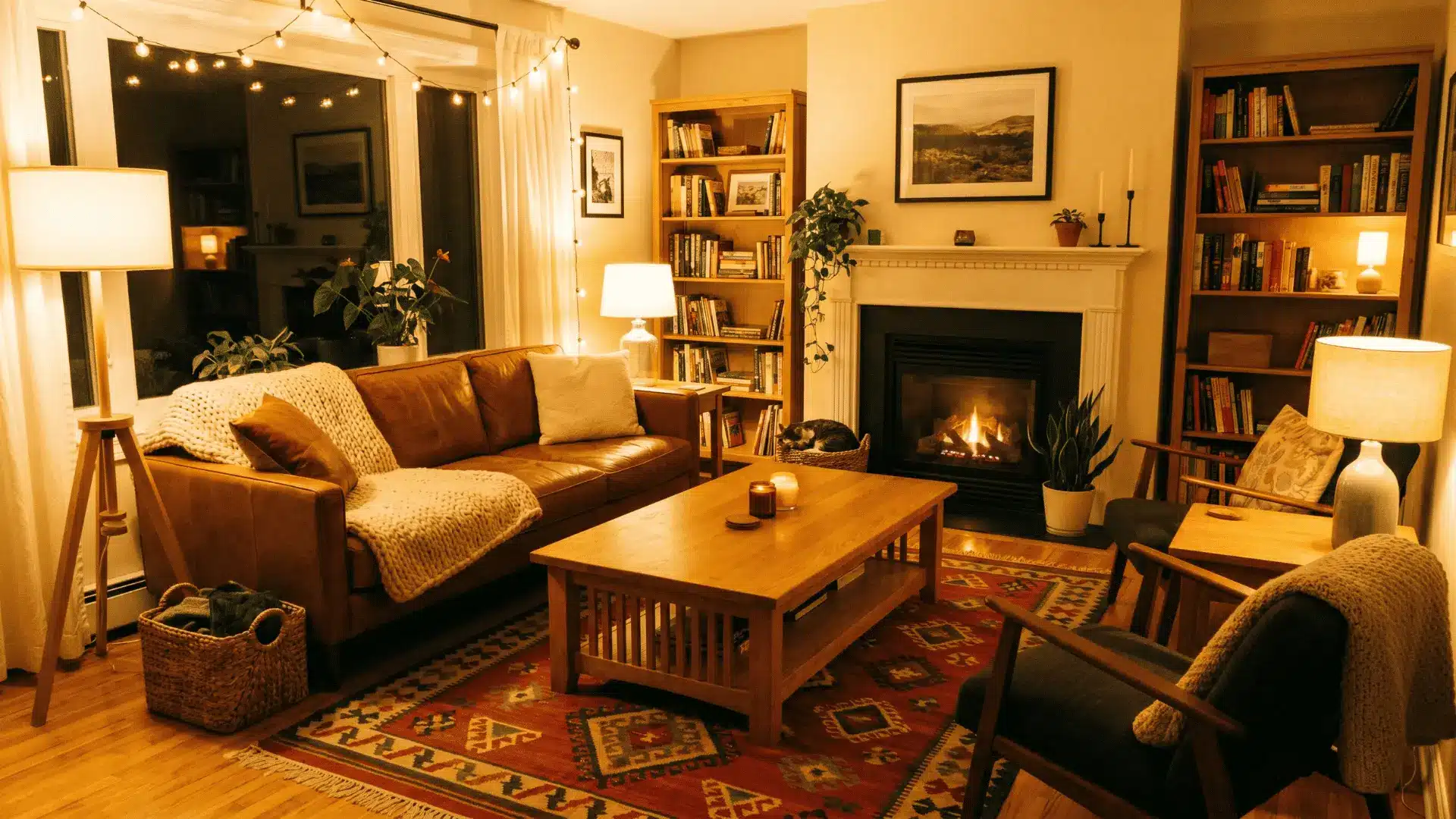
Cool white bulbs make furniture look flat, and finishes look harsh. Warm bulbs in the 2700K to 3000K range bring out the richness in wood tones, textiles, and wall colors.
It’s a small change that affects how every surface in the room reads. Most people notice the difference immediately and can’t explain exactly why the room feels better.
Texture and Depth
Texture is the easiest way to make a room feel more considered, and the easiest way to make it feel cluttered if the logic isn’t there.
9. Introduce One Rough Surface into a Smooth Room
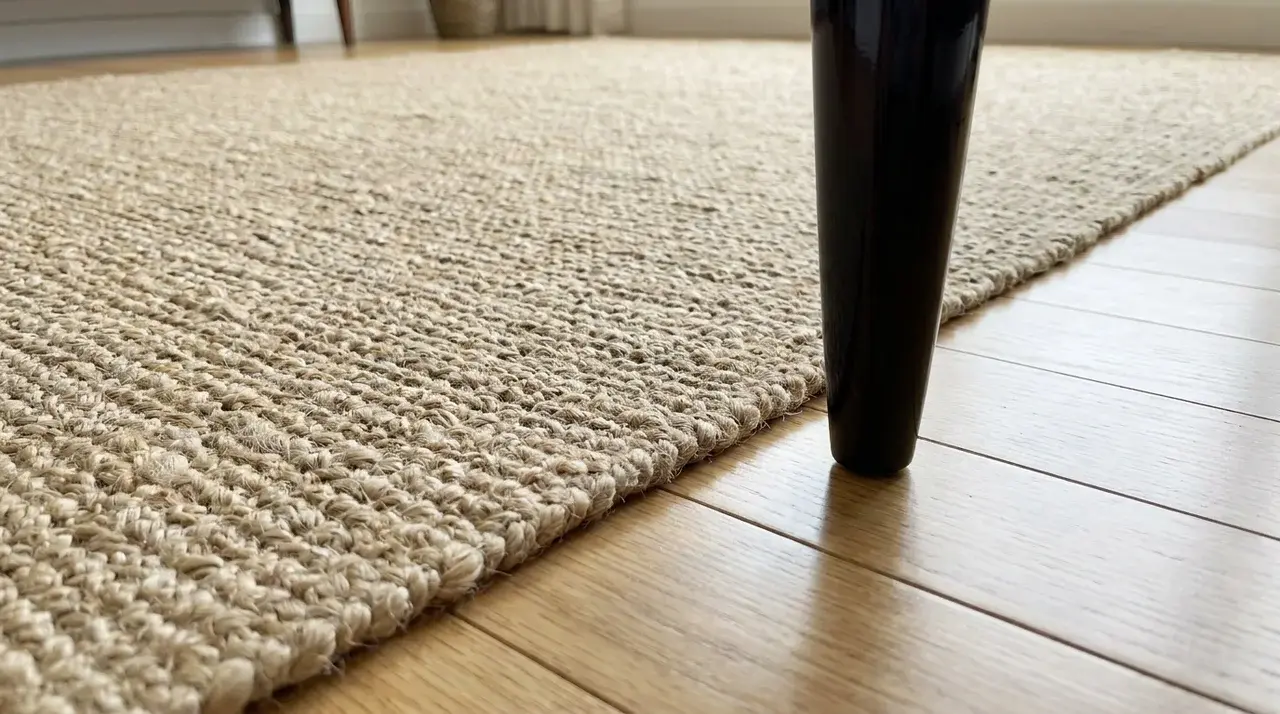
A room full of smooth surfaces, painted walls, glass, and lacquered furniture looks clean but reads as cold. One rough element breaks that without disrupting anything else.
A jute rug, a rattan side table, a linen throw draped over a sofa arm, any of these introduces the contrast the room is missing. One rough surface against a smooth backdrop does more than three rough surfaces competing with each other.
10. Mix Matte and Reflective Finishes Deliberately
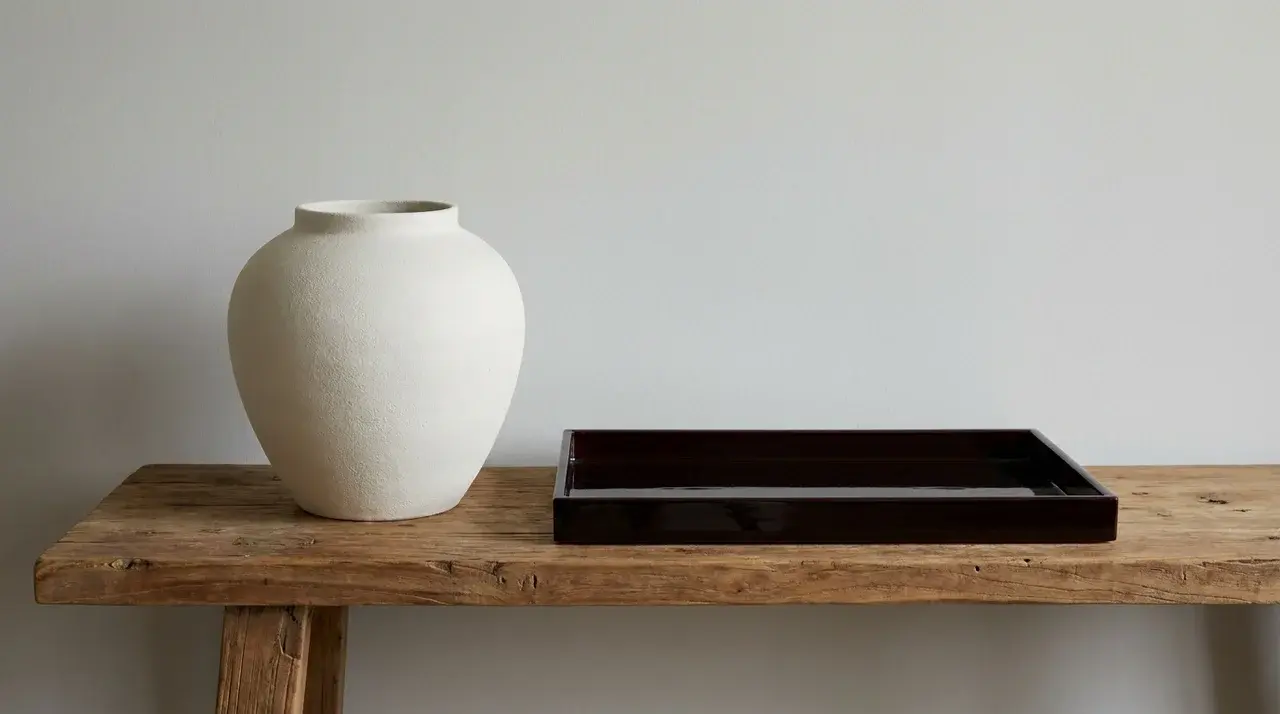
Matte finishes absorb light. Reflective finishes bounce it. When a room has only one type, everything reads at the same visual volume and the space feels flat.
Place something reflective near something matte, and each one makes the other more visible. The contrast is what creates the sense of depth.
11. Keep Throw Pillows in Two Tones, Three Textures
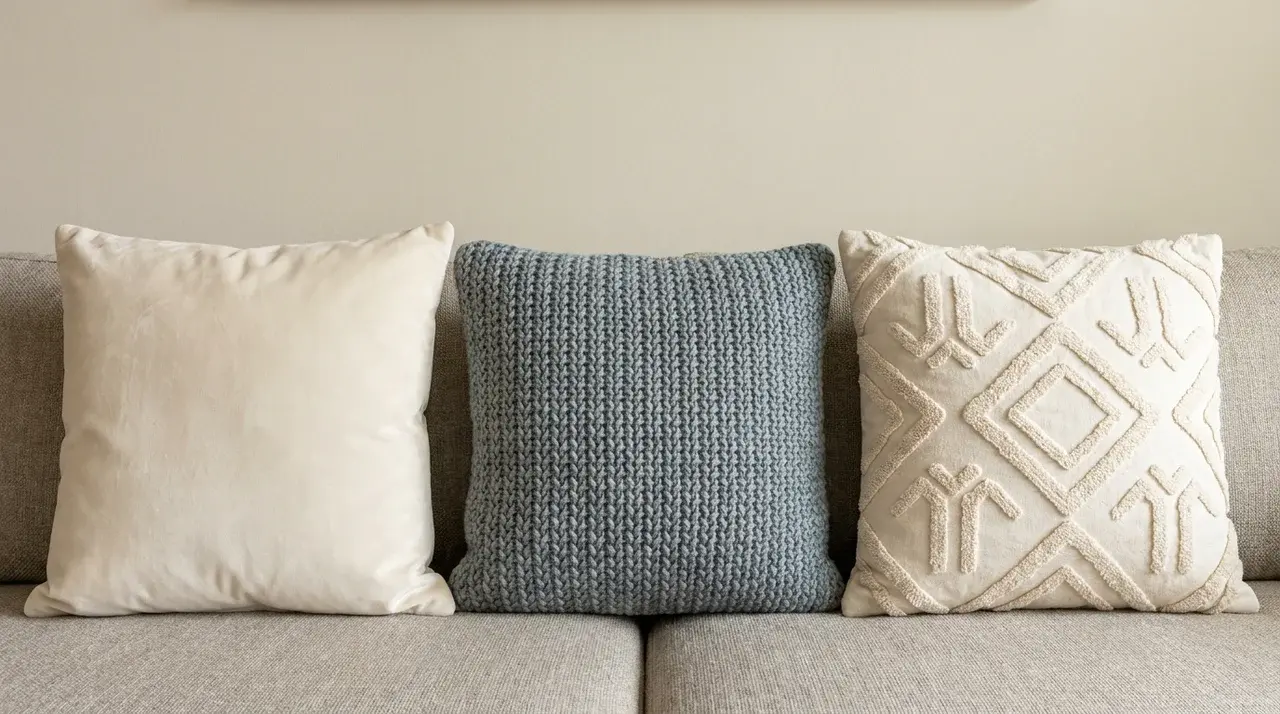
Random pillow arrangements look random because there’s no underlying logic. Two tones and three textures give you one.
Pick a primary tone that ties into your main color scheme and a secondary tone that provides a subtle contrast. Then vary the surface: one smooth, one woven, one with a raised pattern.
The tones create cohesion, and the textures create interest. Together, they read as deliberate rather than accumulated.
Finishing Touches that Do Real Work
The finishing layer is where most rooms stall, not because the ideas are hard, but because the instinct is always to add rather than assess.
12. Use One Large Plant Instead of Several Small Ones
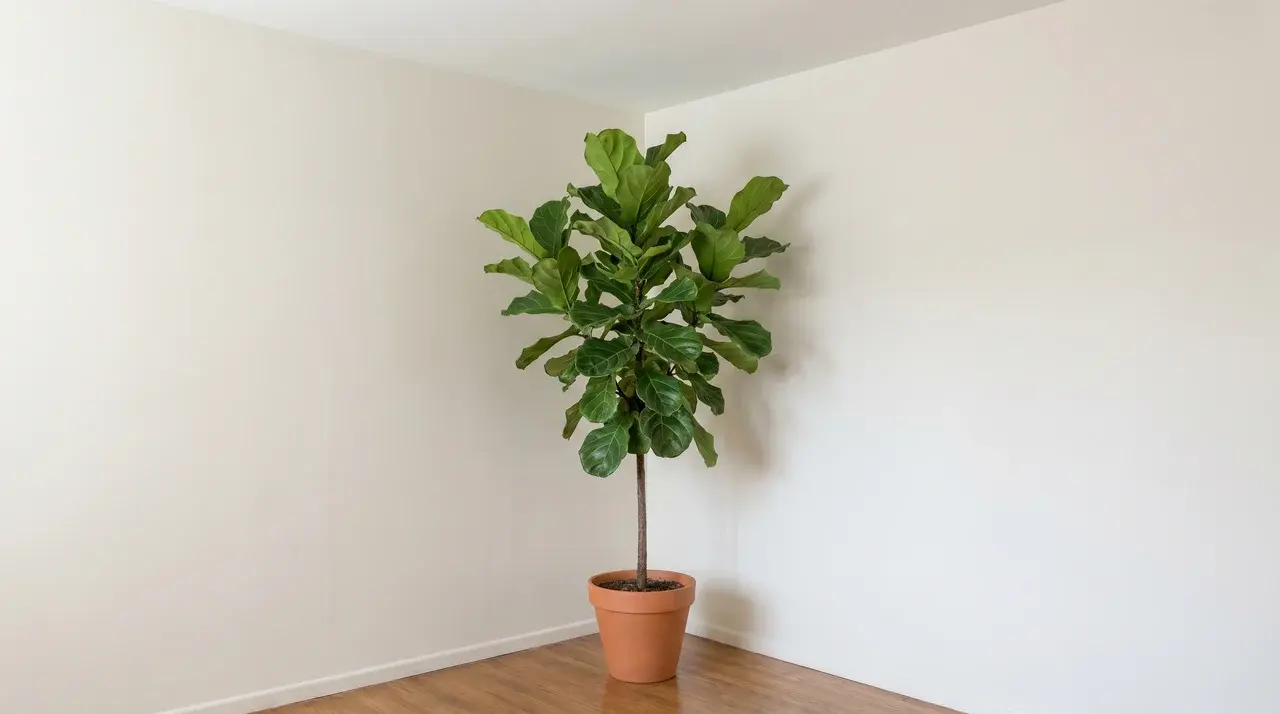
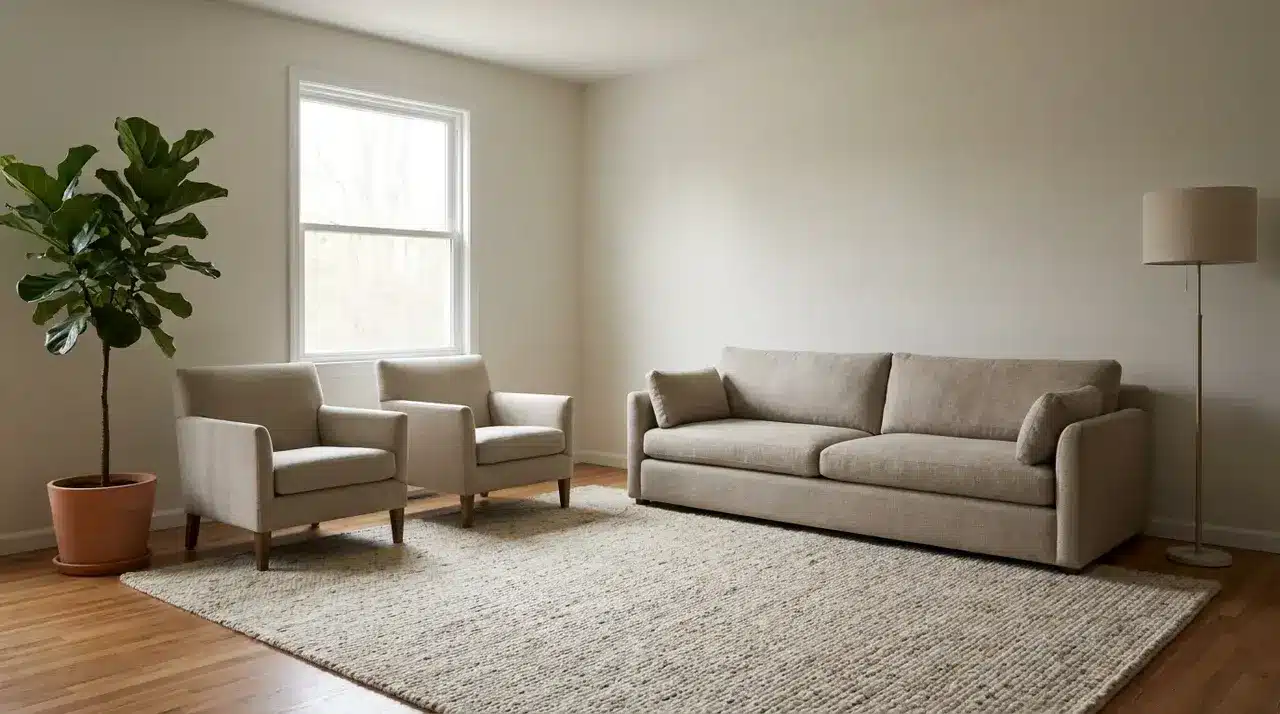
A cluster of small plants reads as a collection. One large plant reads as a decision. The difference is vertical mass: a tall plant pulls the eye upward, makes the ceiling feel higher, and gives a corner or an empty wall something to anchor.
Small plants work as accents once the room already has structure. Leading with them, before the room has a clear visual logic, adds another layer of detail to an unresolved space.
13. Hang Art at Eye Level, Not Furniture Level from
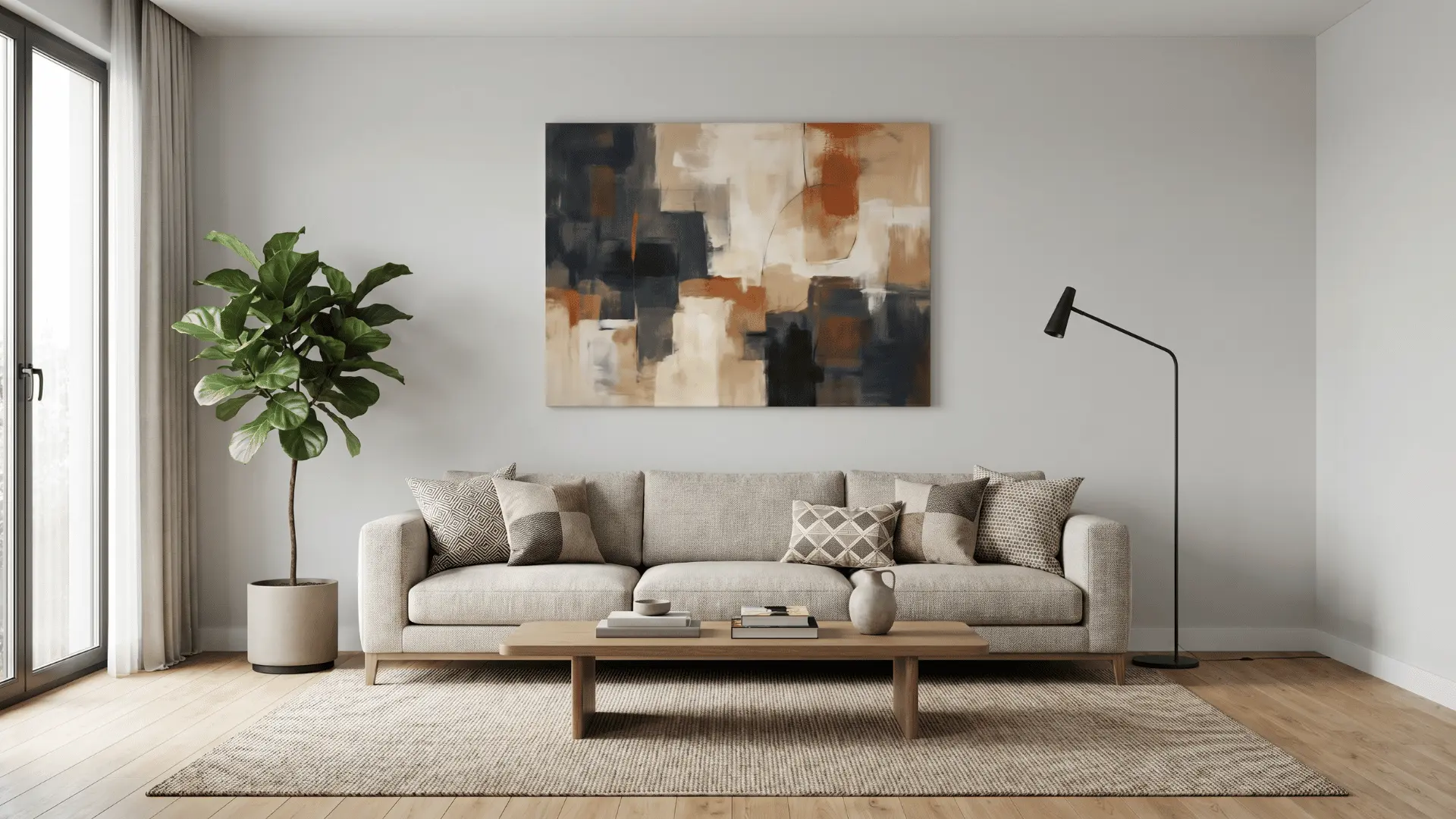
Most art gets hung too high. The instinct is to center it on the wall, but that pulls it away from the furniture below and breaks the visual connection between the two.
Eye level means the center of the piece is roughly 145-150 centimeters above the floor. When art hangs at that height above a sofa or console, it reads as part of the arrangement rather than floating above it.
14. Decorate in Layers, Not All at Once
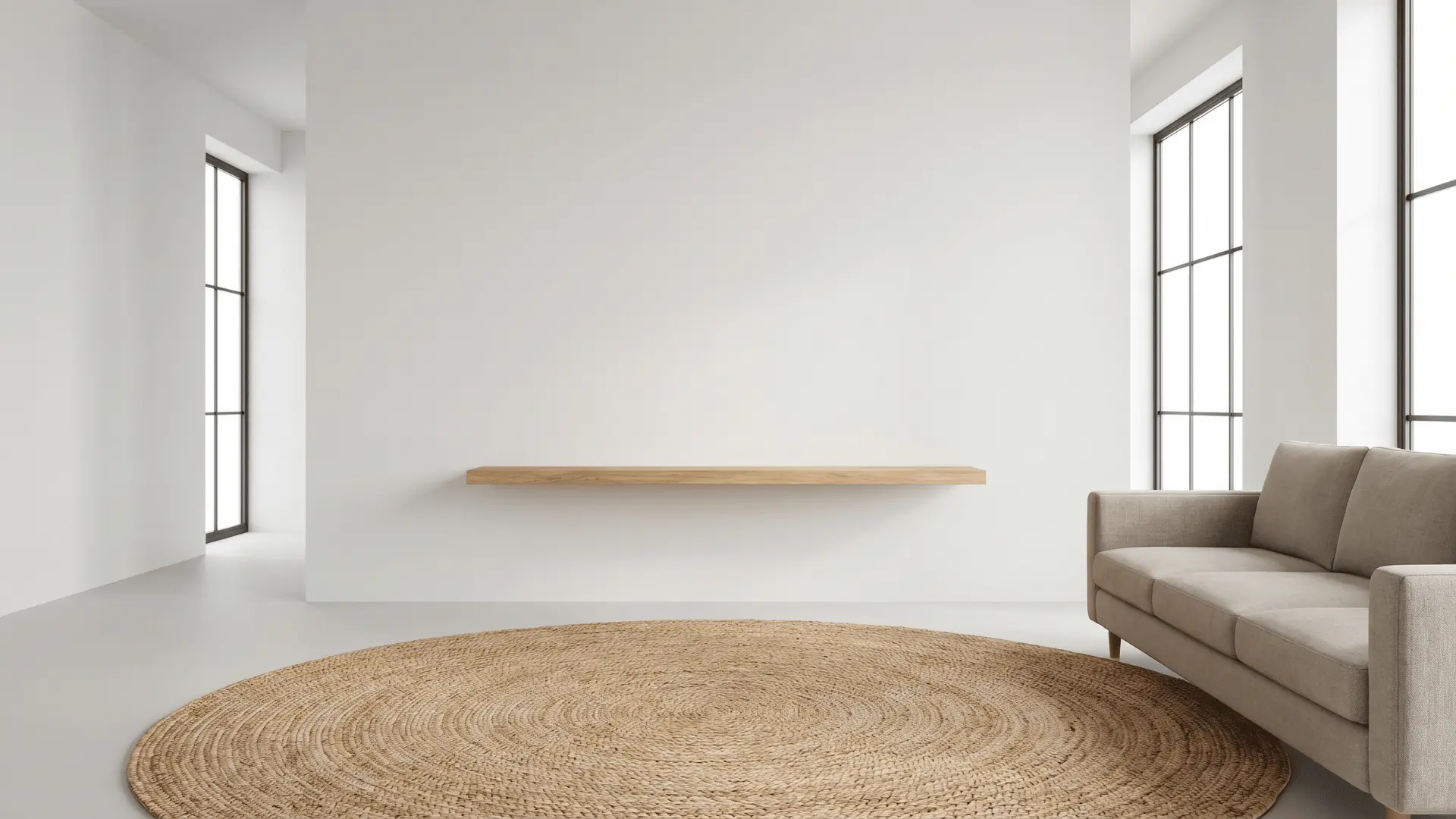
Putting everything in a room at once makes it impossible to see what’s working. Each addition changes how everything around it reads. When you add ten things in one go, you lose the ability to identify what actually improved the space.
Add one thing. Live with it for a few days. Then add the next. It takes longer, but you end up with a room that’s been edited, not just filled.
15. Edit Before You Add
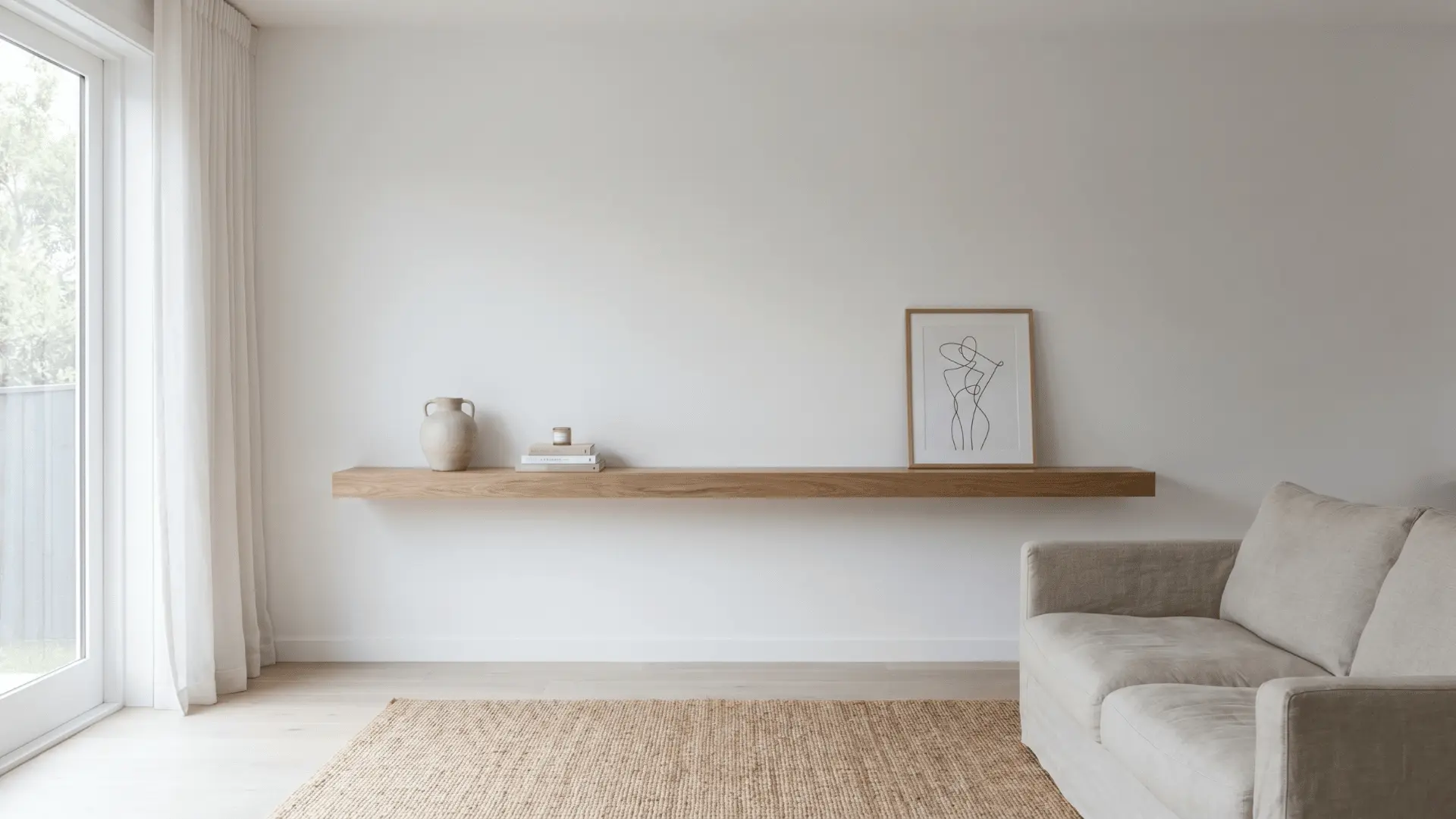
Before buying anything new, remove something first. Take one object off the shelf, one cushion off the sofa, one piece off the wall. See what the room looks like with less.
More often than not, the room improves. That tells you the problem was never about what was missing; it was about what was competing for attention.
Common Mistakes to Avoid when Decorating
These are the mistakes that quietly undermine a room before a single new piece is added:
| Mistake | Why It Matters | Quick Fix |
|---|---|---|
| Pushing furniture against walls | Creates dead space and disconnects seating | Pull furniture 30–45 cm from walls to define zones |
| Overreliance on overhead lighting | Flattens surfaces and makes rooms feel cold | Layer ambient, task, and accent lighting |
| Ignoring focal points | The room feels directionless | Orient seating toward one wall or statement piece |
| Random pillow and accessory arrangements | Appears cluttered with no visual logic | Stick to two tones and three textures for cohesion |
| Adding everything at once | Hard to judge what actually improves the space | Introduce elements one at a time and edit before adding more |
Each mistake on this list has the same root: adding before the structural decisions are right. Fix the structure first, and the rest of the room becomes much easier to read.
Conclusion
A room that feels right isn’t the result of more pieces. It’s the result of decisions made in the right order, starting with structure.
Layout, light, texture, and finishing detail each do a specific job. When those layers work together, everything in the room earns its place.
These home decor ideas work because they address the actual problem, not the symptom. Fix the structure, and the styling takes care of itself.
Pick the one thing that’s bothering you most about your space right now. Fix that first. Everything else becomes easier once the foundation holds.
Frequently Asked Questions
What’s the 3-5-7 rule in decorating?
The 3-5-7 rule guides visual balance: group items in odd numbers, 3, 5, or 7, to create natural asymmetry that looks intentional rather than cluttered.
How can I make a small room feel larger without moving furniture?
Use layered lighting, mirrors to reflect natural light, and pull furniture slightly away from walls to open up visual space and give the room a deliberate sense of scale.
What colors or lighting are trending in home decor for 2026?
Warm, soft lighting in the 2700K to 3000K range paired with natural tones, jewel accents, and a mix of matte and reflective finishes is trending to create depth and richness in interiors.
How do I create a focal point in a room with limited wall space?
Use one large art piece, a tall plant, or a statement mirror to anchor the eye. Even smaller details like layered textures or contrasting finishes can draw attention purposefully.