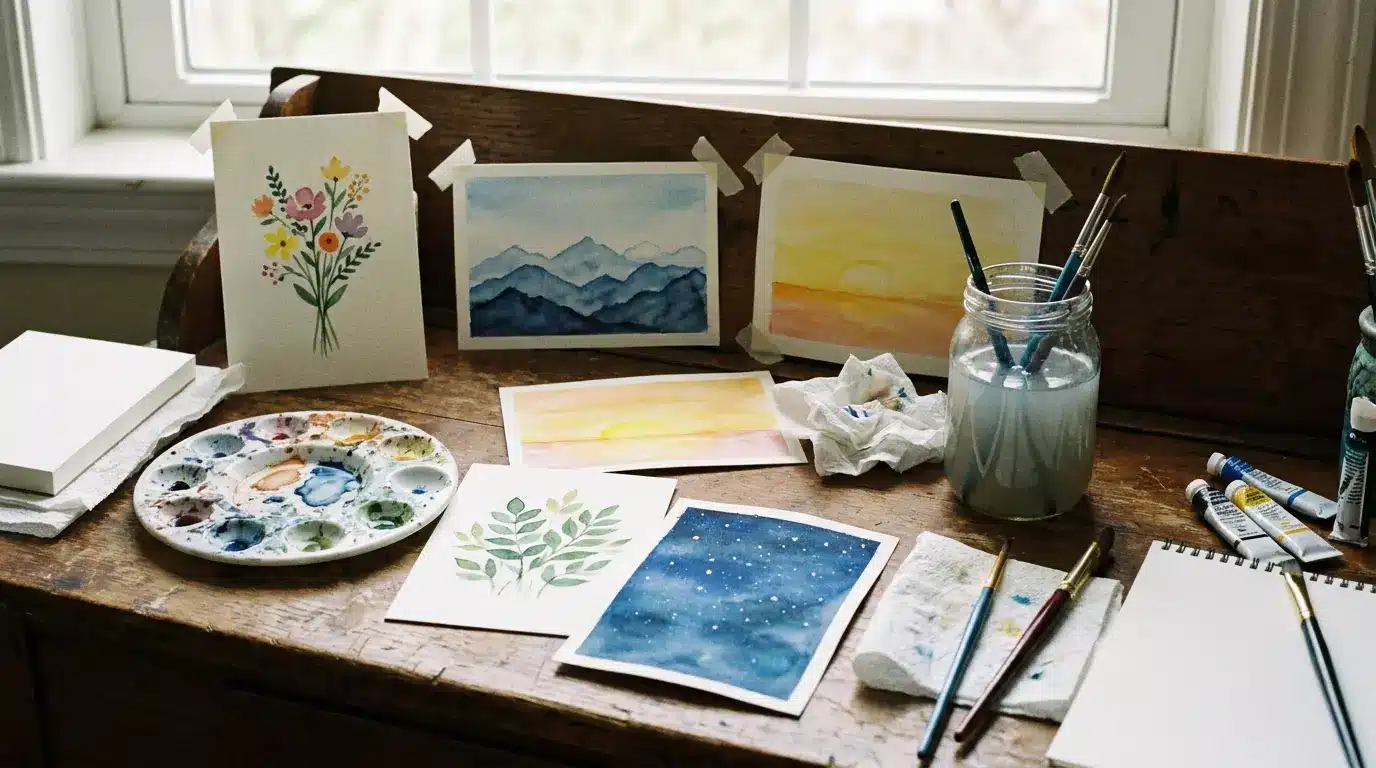
Watercolor painting is one of the best hobbies you can pick up, and the best part is that you do not need any experience to start.
Most beginners feel stuck because they do not know what to paint first. That feeling is completely normal. The ideas in this list are simple, fun, and doable even if you have never touched a paintbrush before.
From soft flower petals to dreamy night skies, there is something here for everyone. Grab your paints, find a quiet spot, and get ready to create something you will actually be proud of.
What You Need Before Starting Watercolor Painting
Before you start painting, it helps to have the right supplies ready so you are not stopping mid-session to look for something. Getting set up properly from the start makes the whole experience much more enjoyable.
Basic Watercolor Supplies
You do not need a lot to get started. Here is a simple list:
- Watercolor paints (a basic set of 6 to 12 colors is ideal to start, a smaller palette teaches you to mix colors and reduces muddy results)=
- Watercolor paper (at least 140 lb or 300 gsm, cold-press surface works best for beginners as it handles washes and wet-on-wet blending much better than smooth paper)
- A few brushes in different sizes (round brushes are best for beginners)
- Two jars of water (one for rinsing, one for mixing)
- A palette or plate for mixing colors
- Paper towels for blotting
That is it. Keep it simple at the start.
Beginner Watercolor Techniques to Know
Knowing just two basic techniques is enough to get you through almost every idea on this list. Once you understand how paint and water interact, everything else starts to click naturally.
Before you dive into the ideas, it helps to know two basic techniques:
- Wet-on-wet means you wet the paper first, then add paint. The color spreads and blends softly. Great for skies and backgrounds.
- Wet-on-dry means you paint on dry paper. The edges are crisper and more controlled. Good for details and shapes.
Most beginner projects use both. A third technique worth knowing is dry brush, where you use a brush with very little water so the paint drags across the paper and creates a rough, textured stroke. You will pick all three up naturally as you paint.
Easy Watercolor Ideas for Beginners
Now that you have your supplies ready and know the basics, it is time to get into the fun part. These ideas are sorted from the simplest to slightly more detailed, so you can start at the top and work your way down.
1. Color Swatches and Gradient Washes
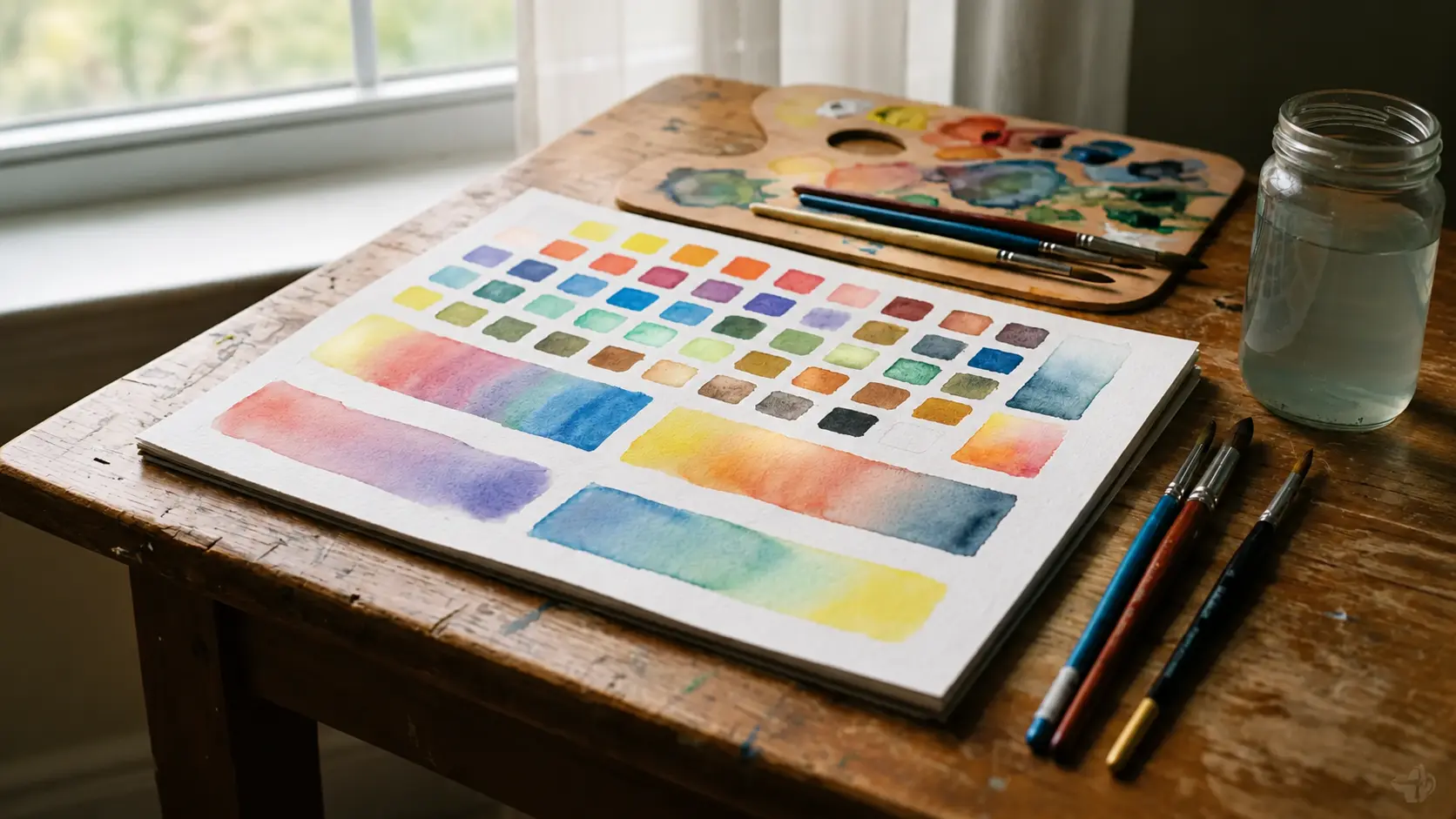
Color swatches and gradient washes are the best first exercise any beginner can do because they teach you how paint and water work together before you worry about painting anything specific.
You just fill boxes with color or blend one shade from dark to light across the page. There is nothing to draw and no pressure to make it look like anything.
- Skills practiced: Water control, color mixing, gradients
- Quick tip: Add more water to lighten a color. Add more paint to darken it.
2. Simple Watercolor Flowers
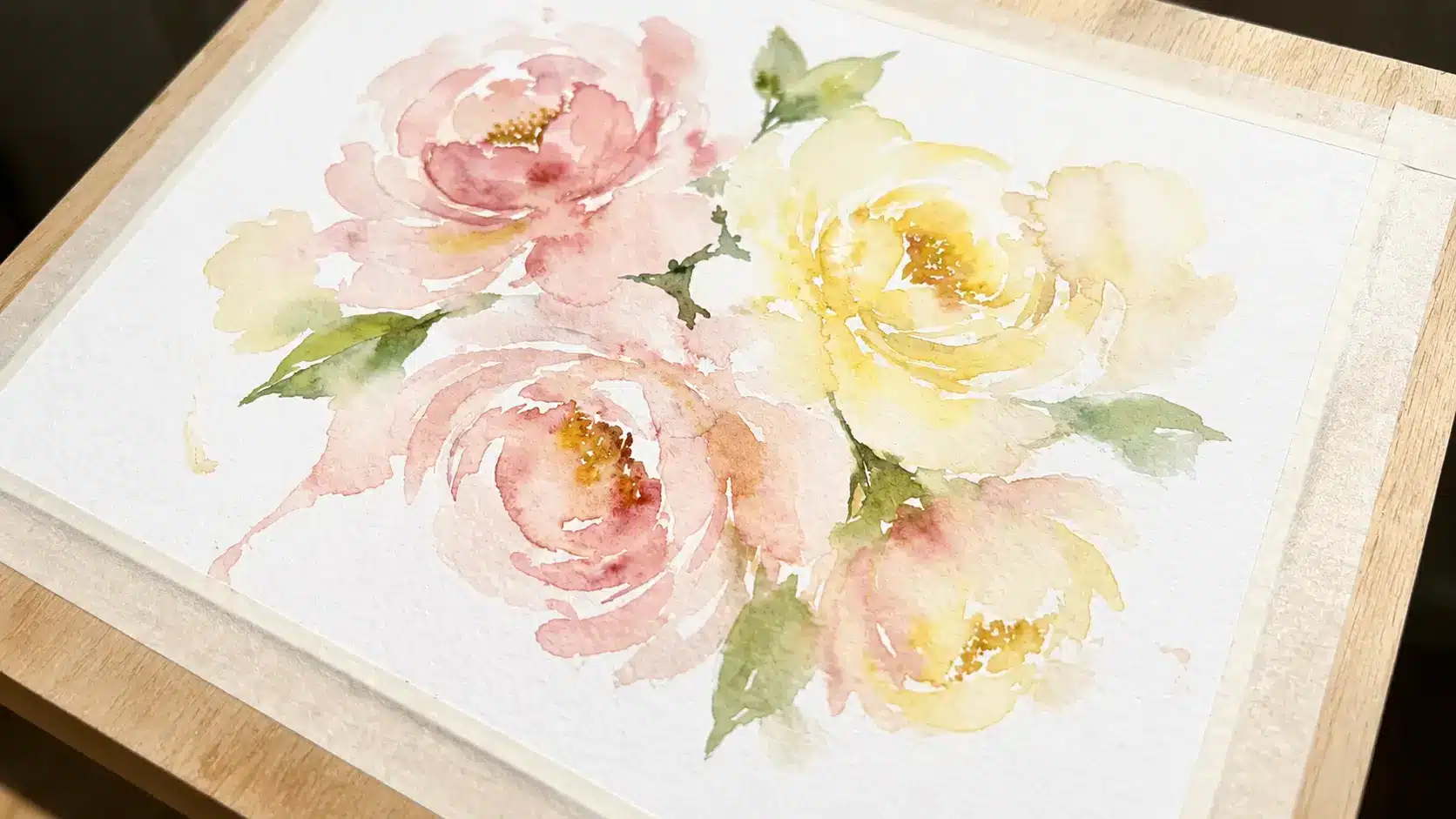
Simple watercolor flowers are among the most popular beginner subjects because loose, soft petals often look more beautiful than stiff, overworked ones.
You paint a few petals around a center dot and let the color do the rest. Daisies and basic rose shapes work really well here.
- Skills practiced: Wet-on-wet blending, petal shapes, layering
- Quick tip: Paint petals with a wet brush first, then drop in color and let it spread on its own.
3. Leaves and Greenery
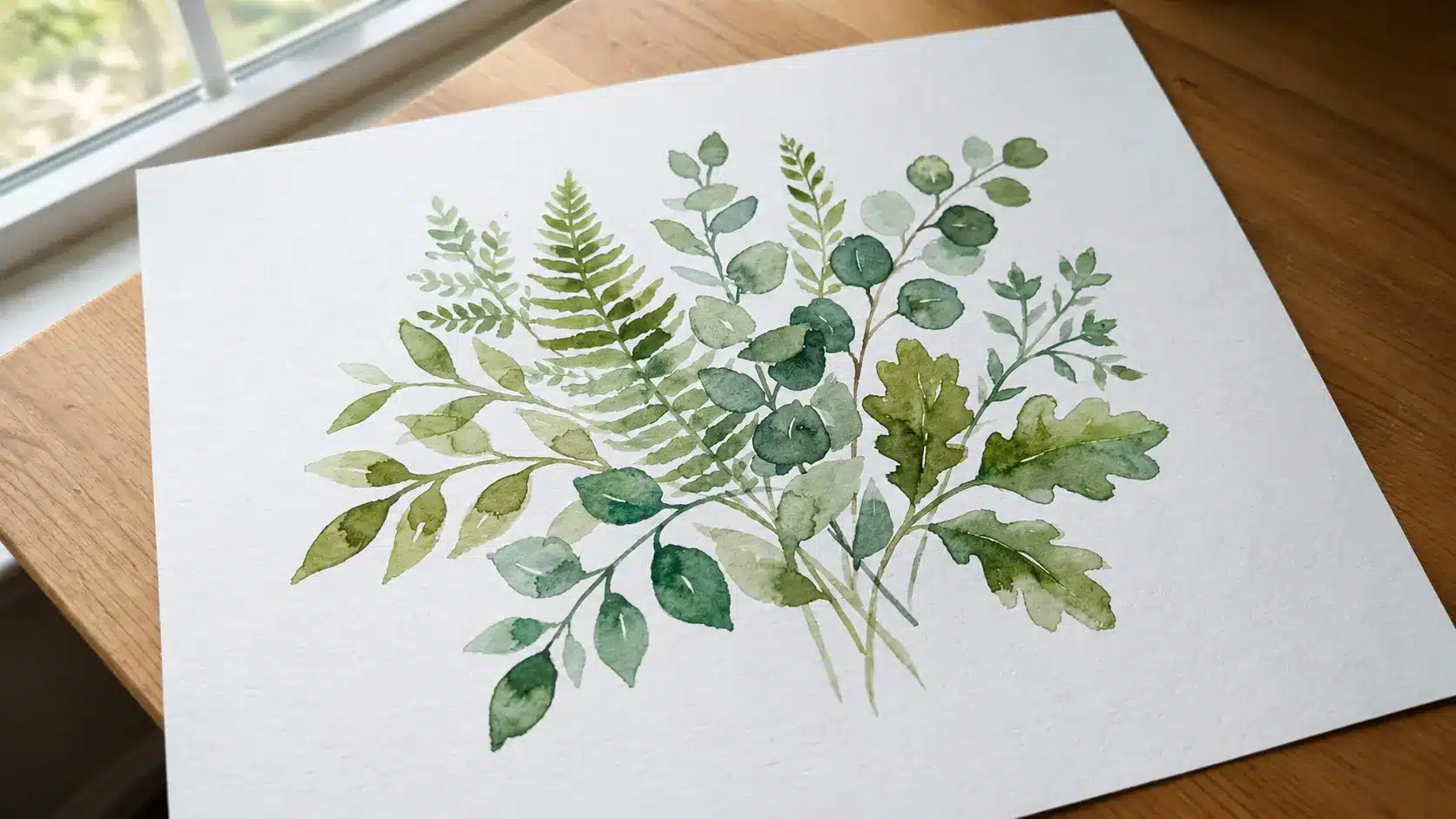
Leaves and greenery are a great early project because the shapes are simple and the colors are forgiving.
A single leaf or a small branch with a few leaves is all you need to practice your brush strokes and color mixing. You can even grab a real leaf from outside and use it as a reference.
- Skills practiced: Brush strokes, mixing greens, adding veins
- Quick tip: Mix yellow and blue to make different shades of green instead of using green straight from the tube.
4. Watercolor Cactus
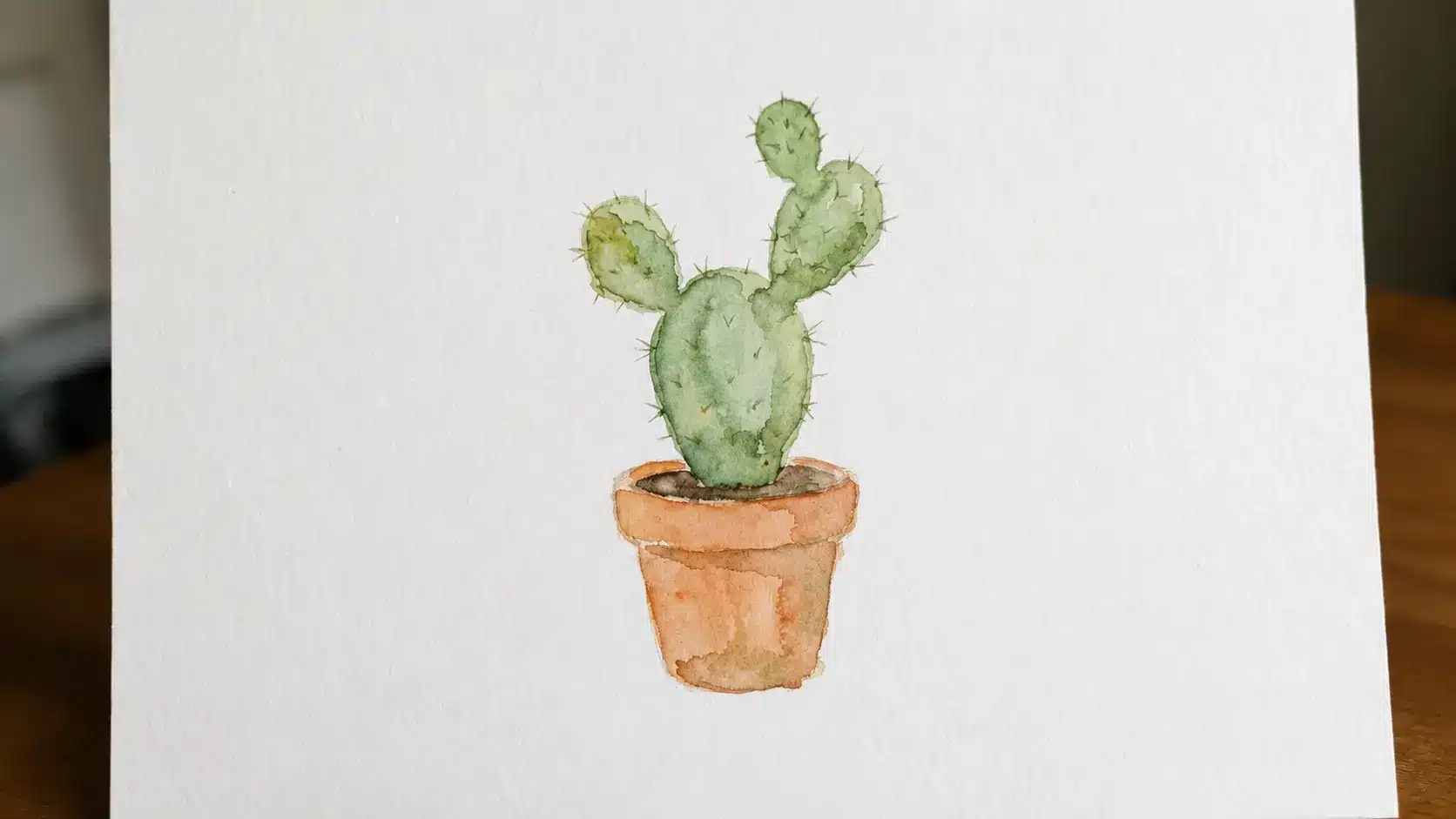
A watercolor cactus is one of those subjects that looks cute no matter how simple you keep it. You paint a round or tall cactus shape, add a small pot at the bottom, and finish with a few thin lines for the spines. It is a great way to practice painting a clean shape with flat color.
- Skills practiced: Simple shapes, adding texture with small lines
- Quick tip: Let the base color dry before adding small lines for the spines.
5. Sunset Sky
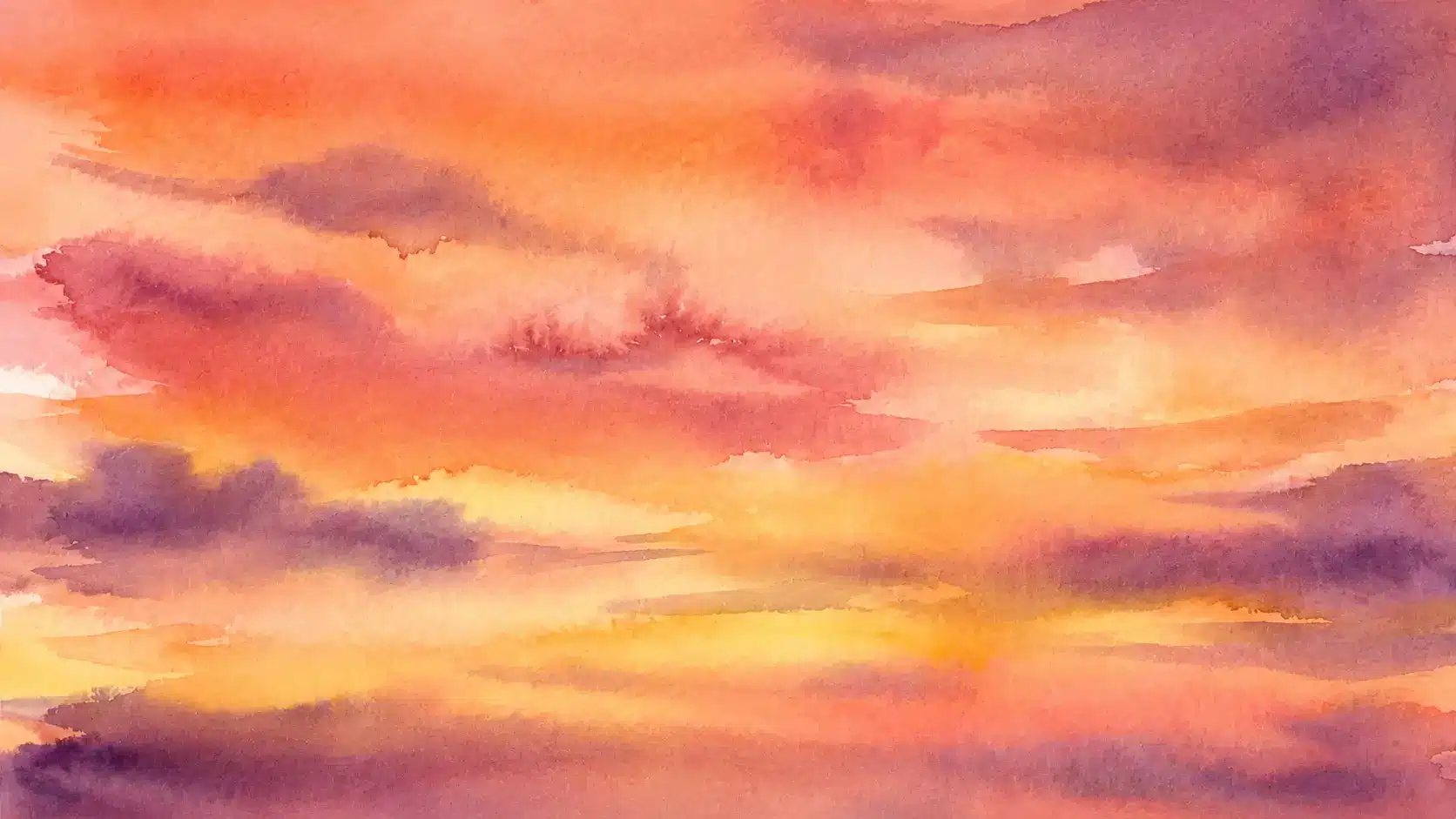
A sunset sky is one of the most satisfying things a beginner can paint because you get a beautiful result without drawing a single thing.
You just lay down bands of orange, pink, yellow, and purple and let them blend together while the paper is still wet. The paint does most of the work for you.
- Skills practiced: Wet-on-wet blending, color gradients
- Quick tip: Work fast while the paper is still wet so the colors blend smoothly.
6. Mountain Landscape
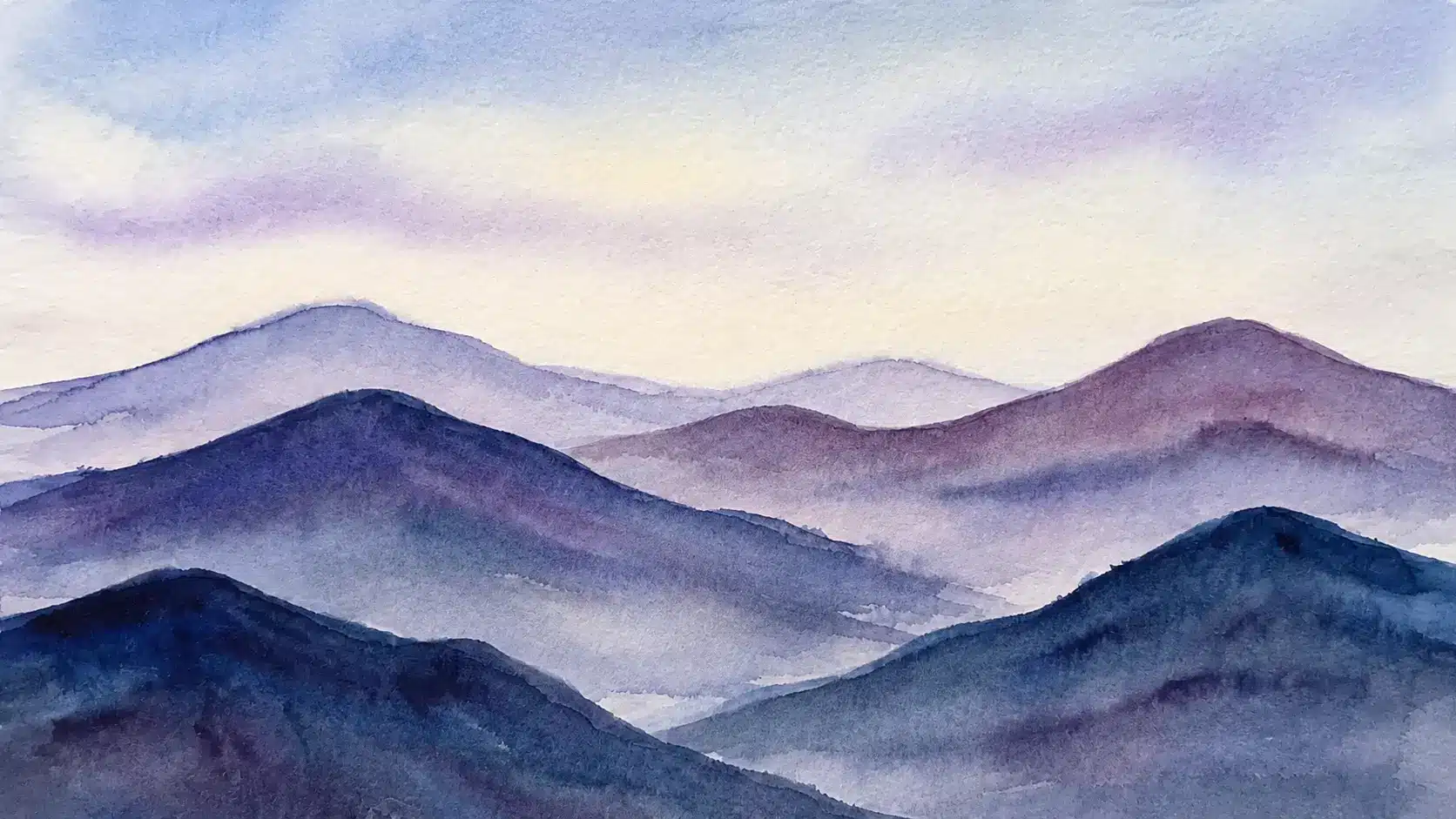
A mountain landscape sounds more advanced than it really is because mountains are just triangular shapes with a sky behind them.
You paint the sky first, let it dry, and then add the mountain shapes on top in different shades. Painting farther mountains lighter and closer ones darker instantly adds depth to the scene.
- Skills practiced: Layering, depth (paint far mountains lighter, close mountains darker)
- Quick tip: Paint the sky first, let it dry, then paint the mountains on top.
7. Ocean Waves
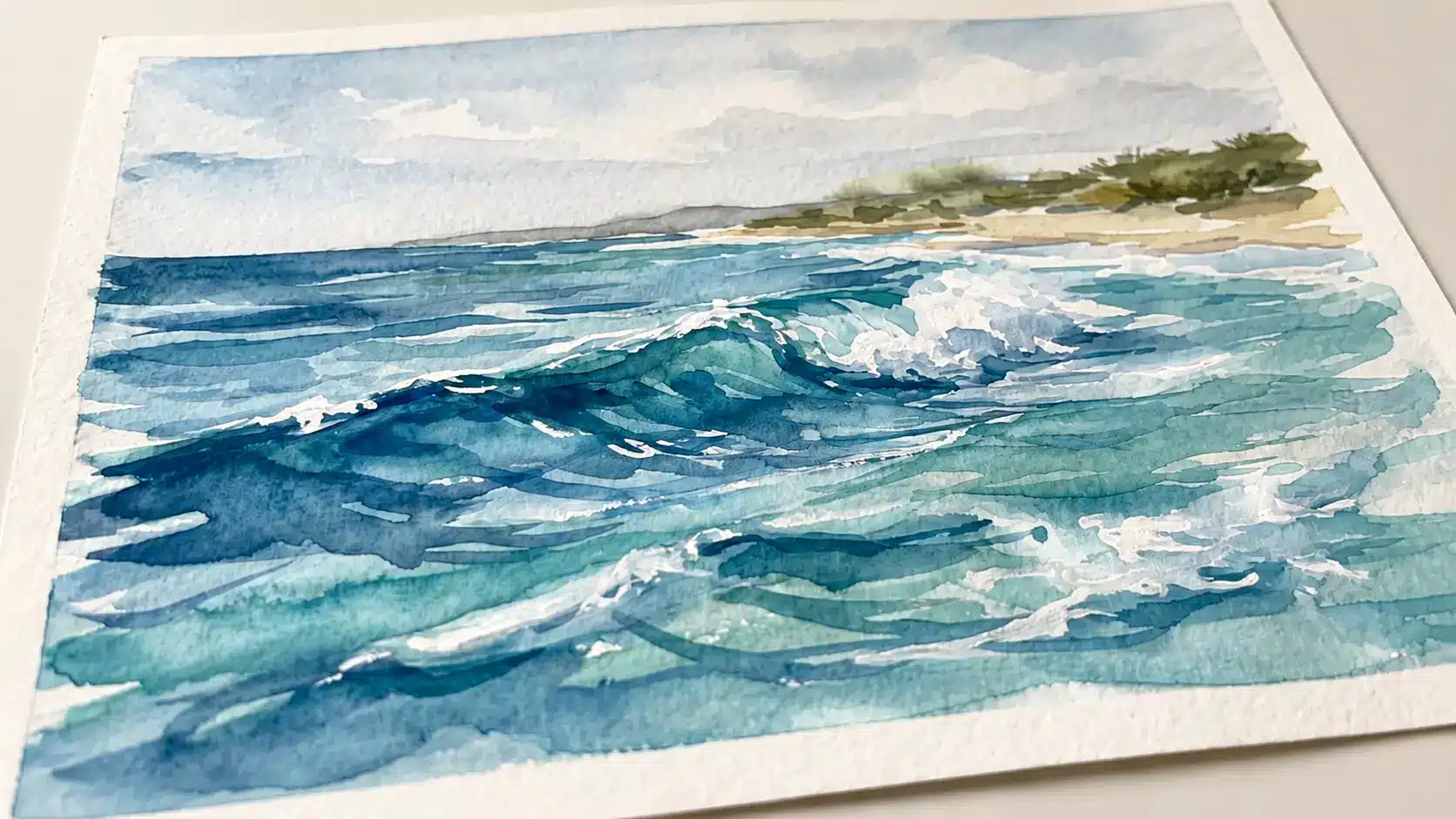
Ocean waves are a natural fit for watercolor because the way paint moves on wet paper already looks like water.
You paint soft blue and green shapes for the waves and leave some white paper unpainted to show the foam. It is a loose, relaxing subject that does not require much precision.
- Skills practiced: Wet on wet technique, soft blending, brush strokes
- Quick tip: Leave some white paper unpainted to show the foam on the waves.
8. Rainy Day Scene
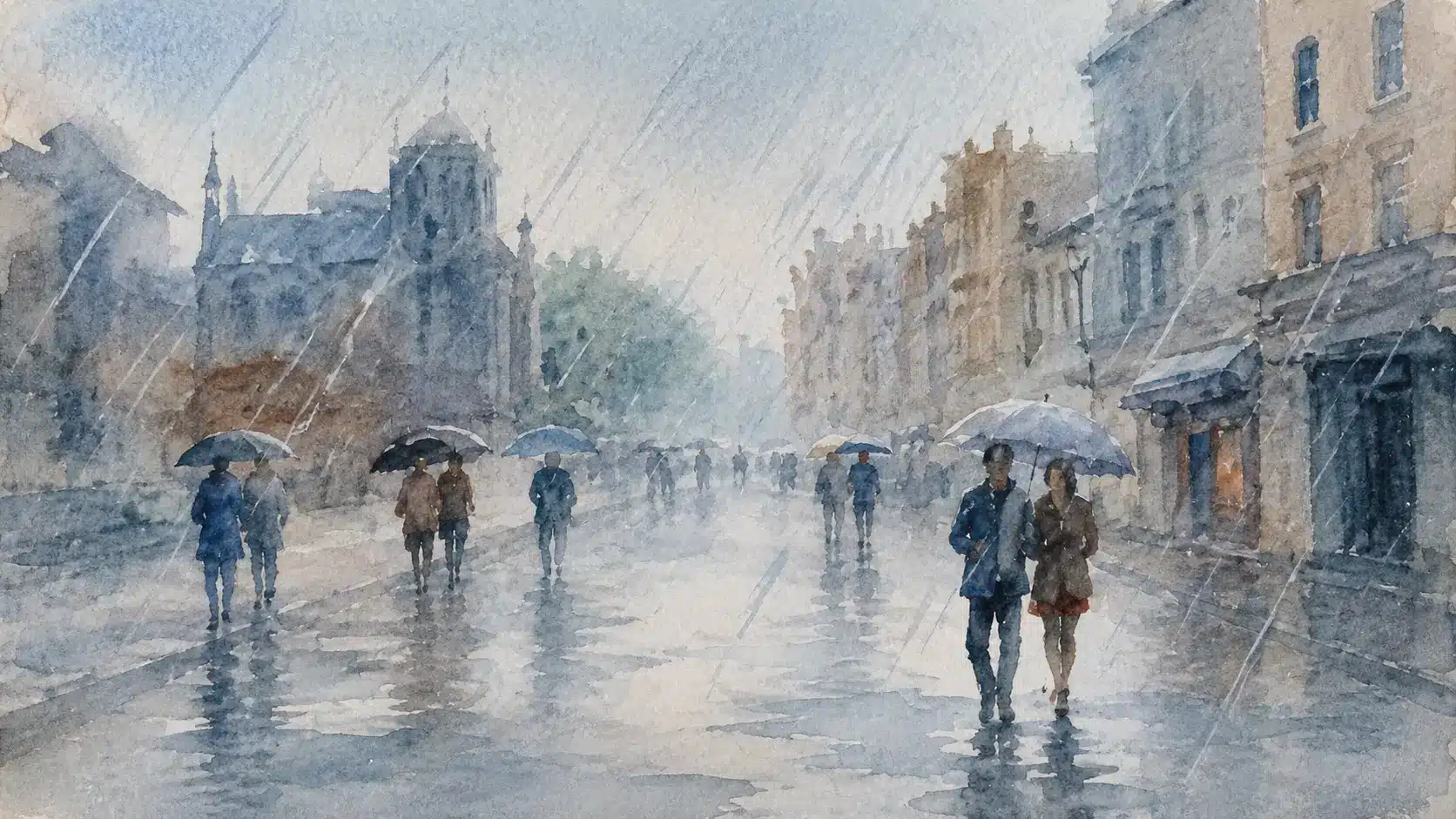
A rainy-day scene is a fun, moody project that is easier than it looks. You paint a soft, blurry background using wet-on-wet, then add simple rain lines while the paint is still damp.
The blurry, soft look that beginners sometimes worry about is exactly what makes this painting work.
- Skills practiced: Thin line work, wet on wet for a soft, blurry look
- Quick tip: While the paint is still wet, use the tip of a brush handle to scratch in rain lines.
9. Night Sky and Stars
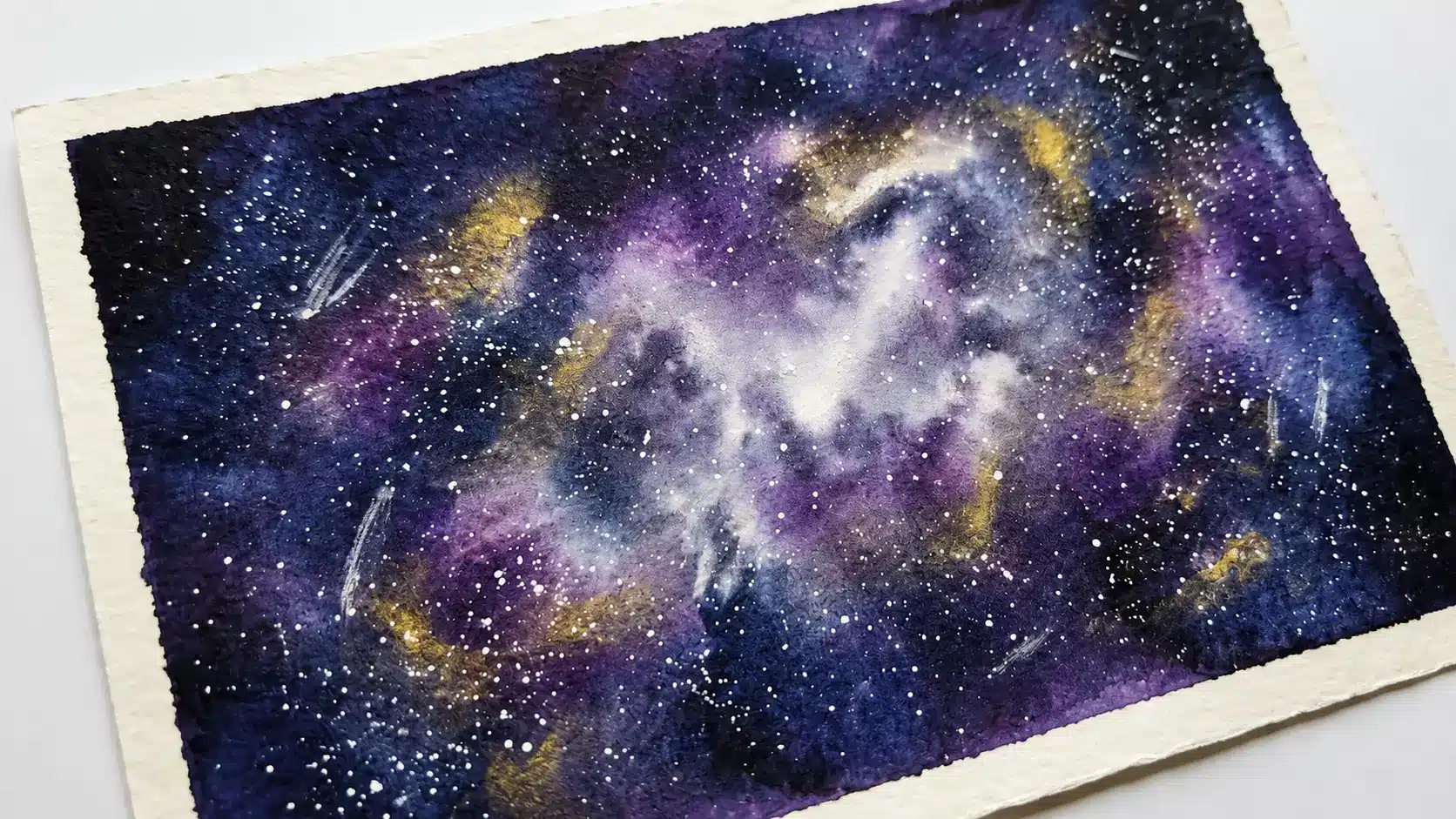
A night sky is one of the most beginner-friendly paintings because the darker and messier the background looks, the more realistic it feels.
You paint a deep blue or purple wash across the paper and then add white stars once it dries. Spattering white paint with an old toothbrush gives you hundreds of stars in seconds.
- Skills practiced: Layering dark colors, spattering paint for stars
- Quick tip: Dip an old toothbrush in white paint and flick it over the dry background to create a galaxy of stars.
10. Rainbow Painting
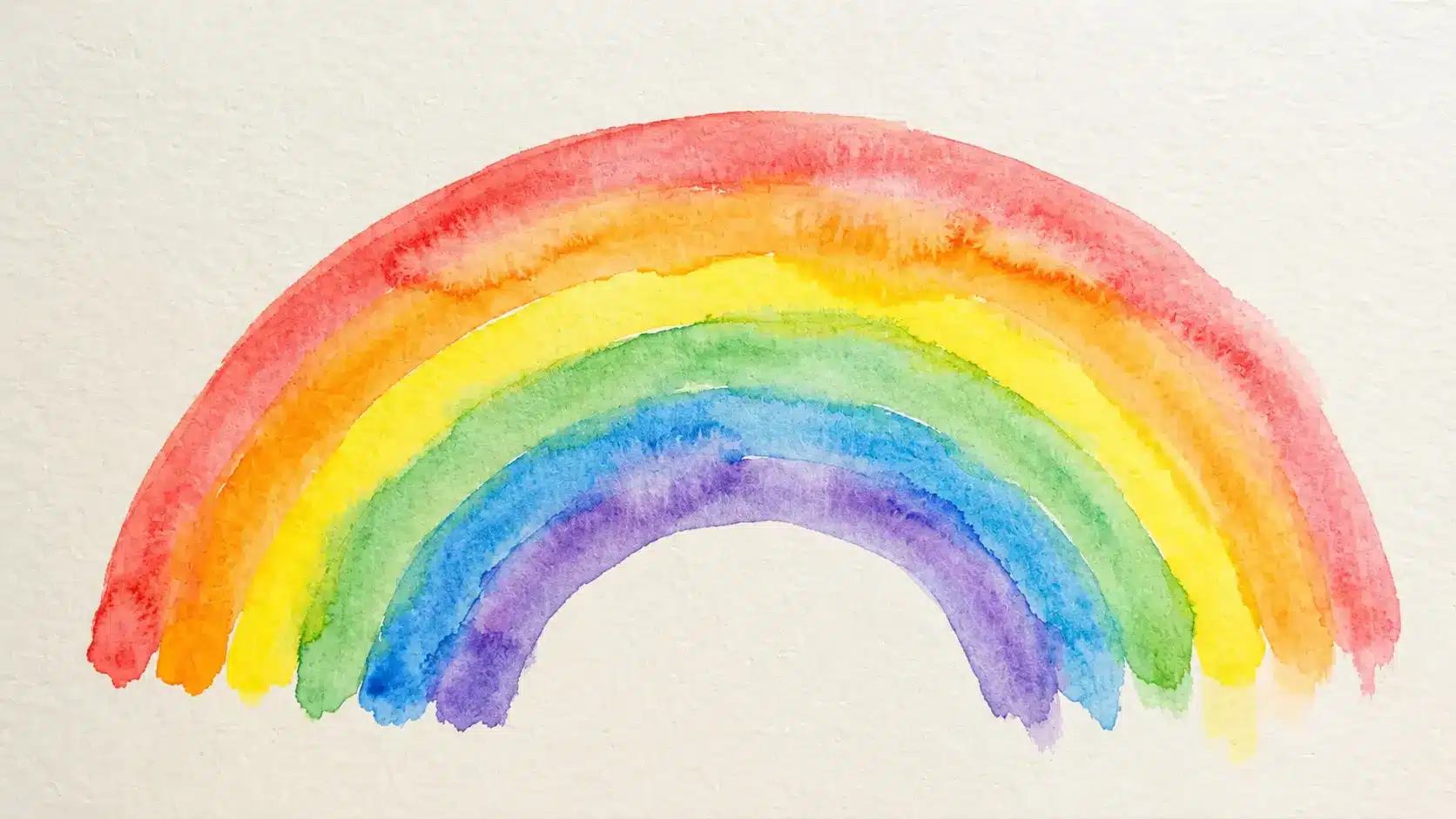
A rainbow is one of the simplest and most colorful paintings you can make as a beginner. You paint curved strips of red, orange, yellow, green, blue, and purple in an arc, letting the edges blend where they meet.
It is a great exercise for learning the color order and keeping your brushstrokes smooth.
- Skills practiced: Color order, brush control, blending where colors meet
- Quick tip: Paint each color strip while the one next to it is still wet so they blend at the edges.
11. Hot Air Balloons
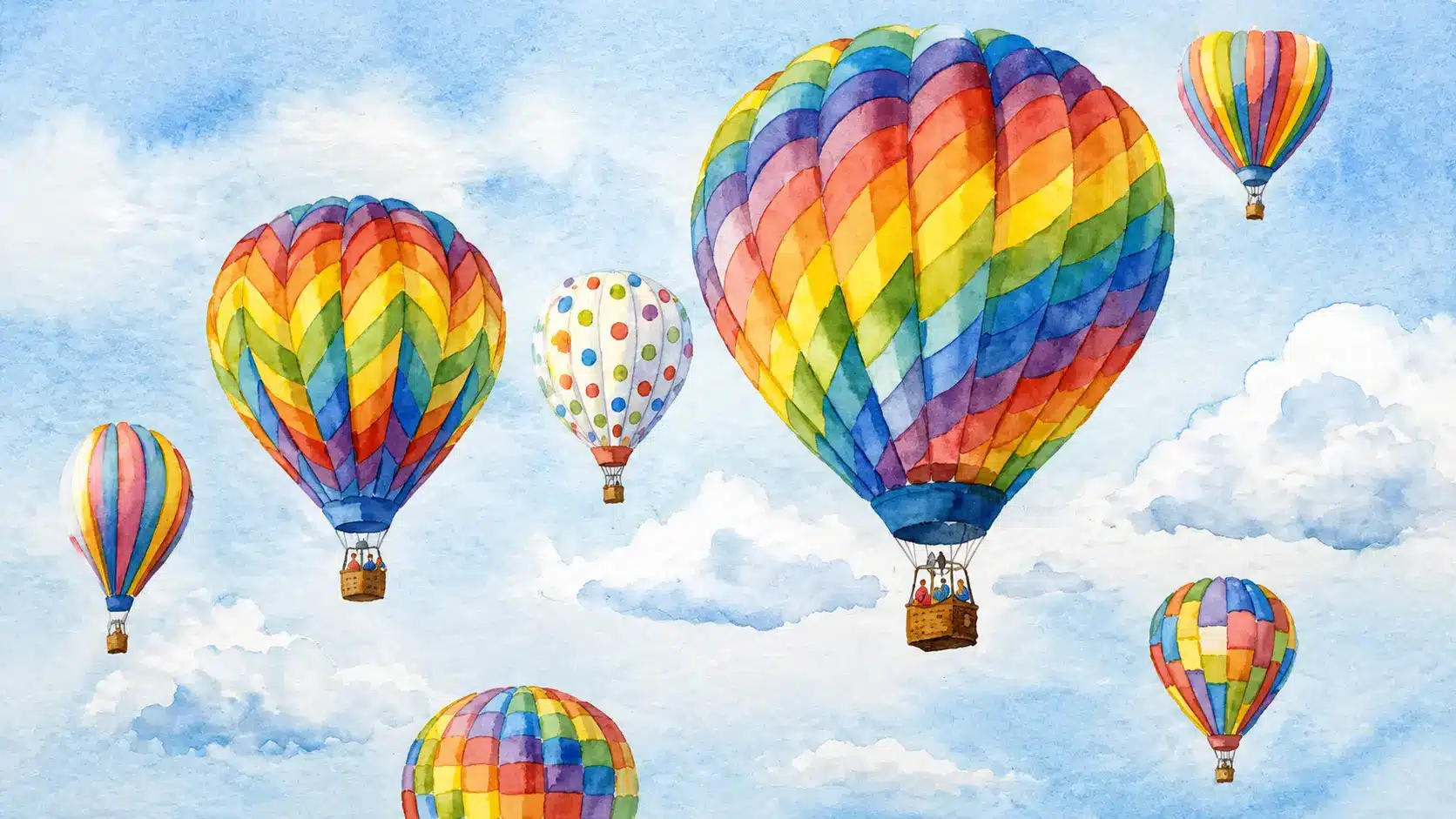
Hot air balloons are a favorite beginner subject because they are bright, cheerful, and made of simple round shapes with colorful stripes.
You paint a soft sky background first, let it dry, and then add the balloon shapes on top with bold colors. The contrast between the soft sky and the bright balloons makes this one look really polished.
- Skills practiced: Round shapes, bright color fills, simple background wash
- Quick tip: Paint the sky background first. Once dry, add the balloons on top.
12. Butterflies
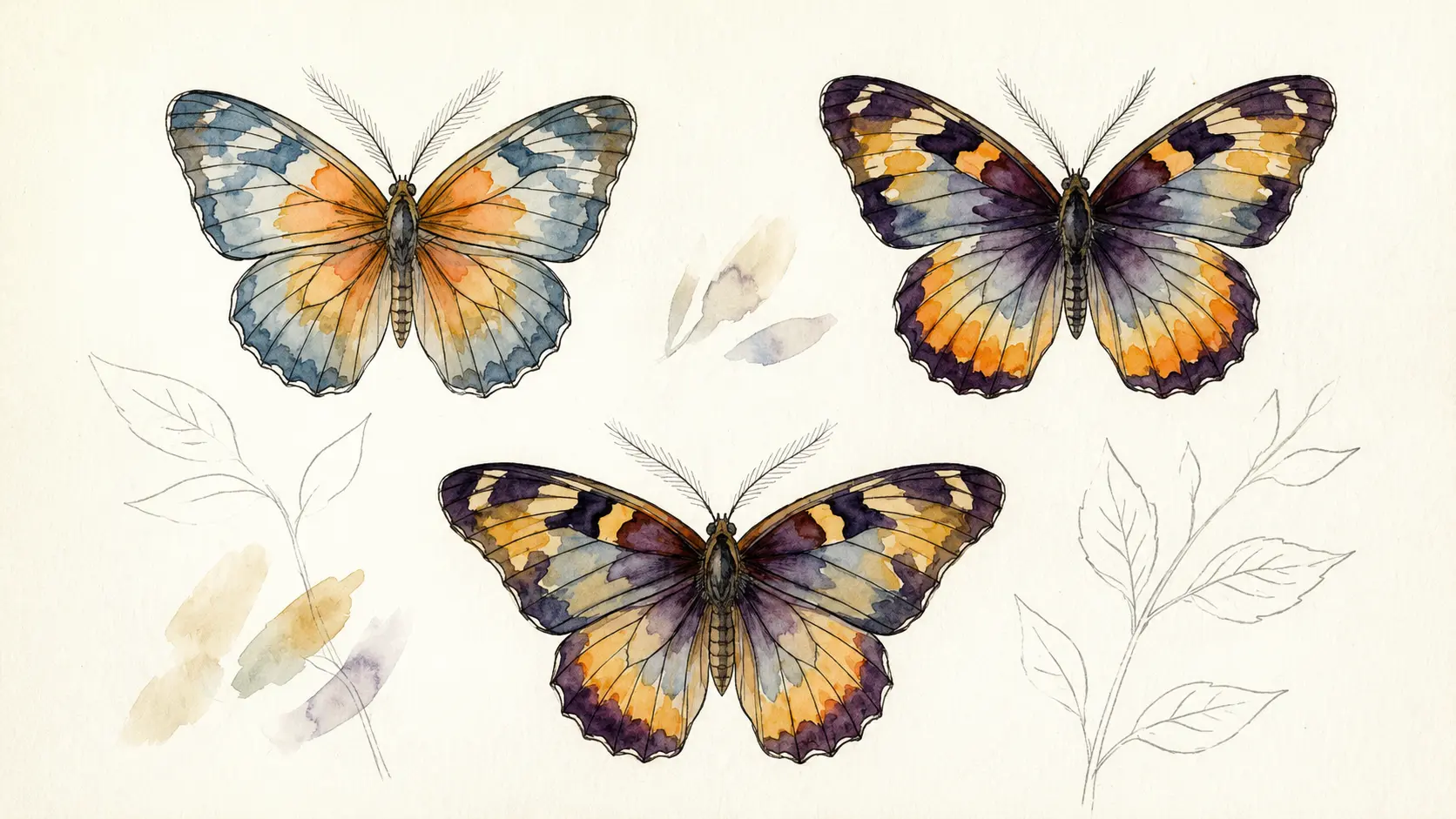
Butterflies are a beautiful beginner project because the wing shapes are simple and the patterns inside them can be as basic or detailed as you want.
You paint two large wings and two small wings, then add dots, lines, or swirls once the base color dries. The folded paper trick makes it surprisingly easy to get symmetrical wings.
- Skills practiced: Symmetry, adding details, color blending
- Quick tip: Fold the paper while the paint is still wet to mirror the wing pattern for a perfect butterfly.
13. Birds on a Branch
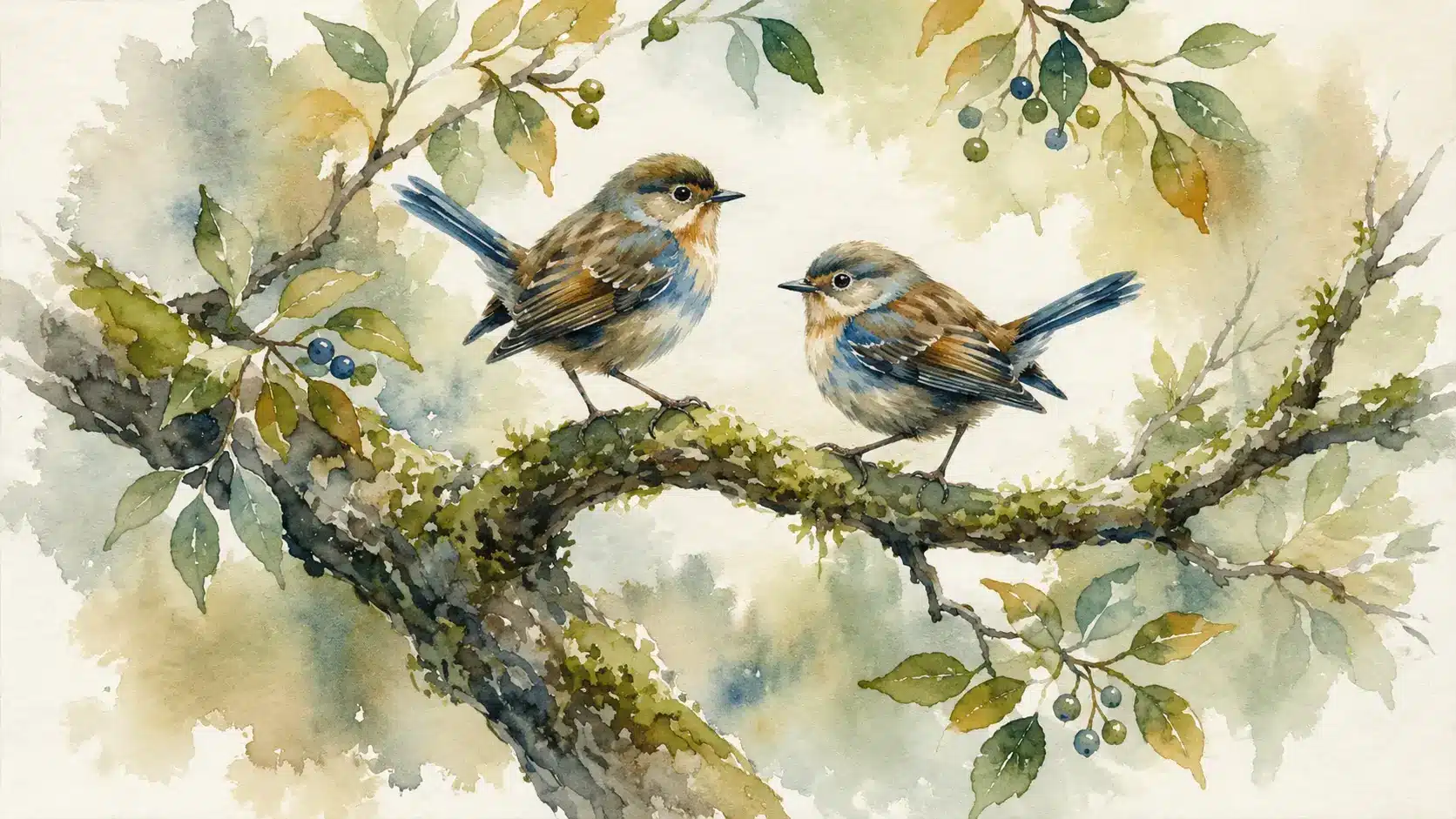
Birds on a branch look impressive but are actually just small oval shapes with a beak and tail added on.
You paint the birds as simple round blobs first, let them dry, and then add the tiny details like eyes and wing lines.
Placing two or three birds on a simple branch gives you a finished painting that looks really sweet.
- Skills practiced: Simple bird shapes, adding details like eyes and feathers
- Quick tip: Paint the birds as simple blobs first. Add the details, like the beak and eye, once dry.
14. Fruit Illustrations
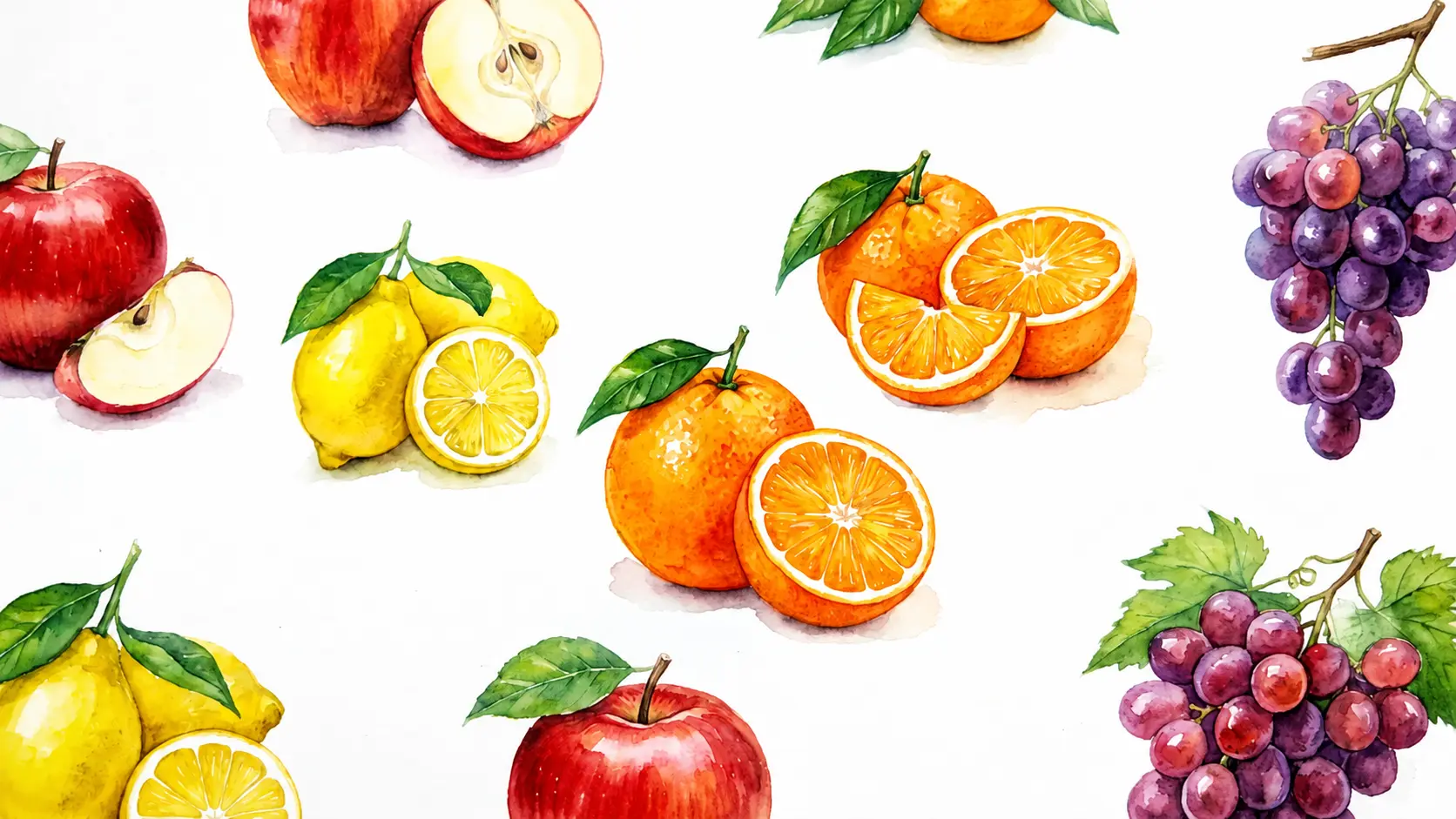
Fruit illustrations are a classic beginner subject because the shapes are round and simple, and the colors are bright and fun.
A lemon, apple, orange, or a bunch of grapes are all easy to paint and look great together on one page. Leaving a small white spot on each fruit makes it look shiny and three-dimensional.
- Skills practiced: Round shapes, shading, adding highlights
- Quick tip: Leave a small white spot unpainted on each fruit to make it look shiny.
15. Cup of Coffee
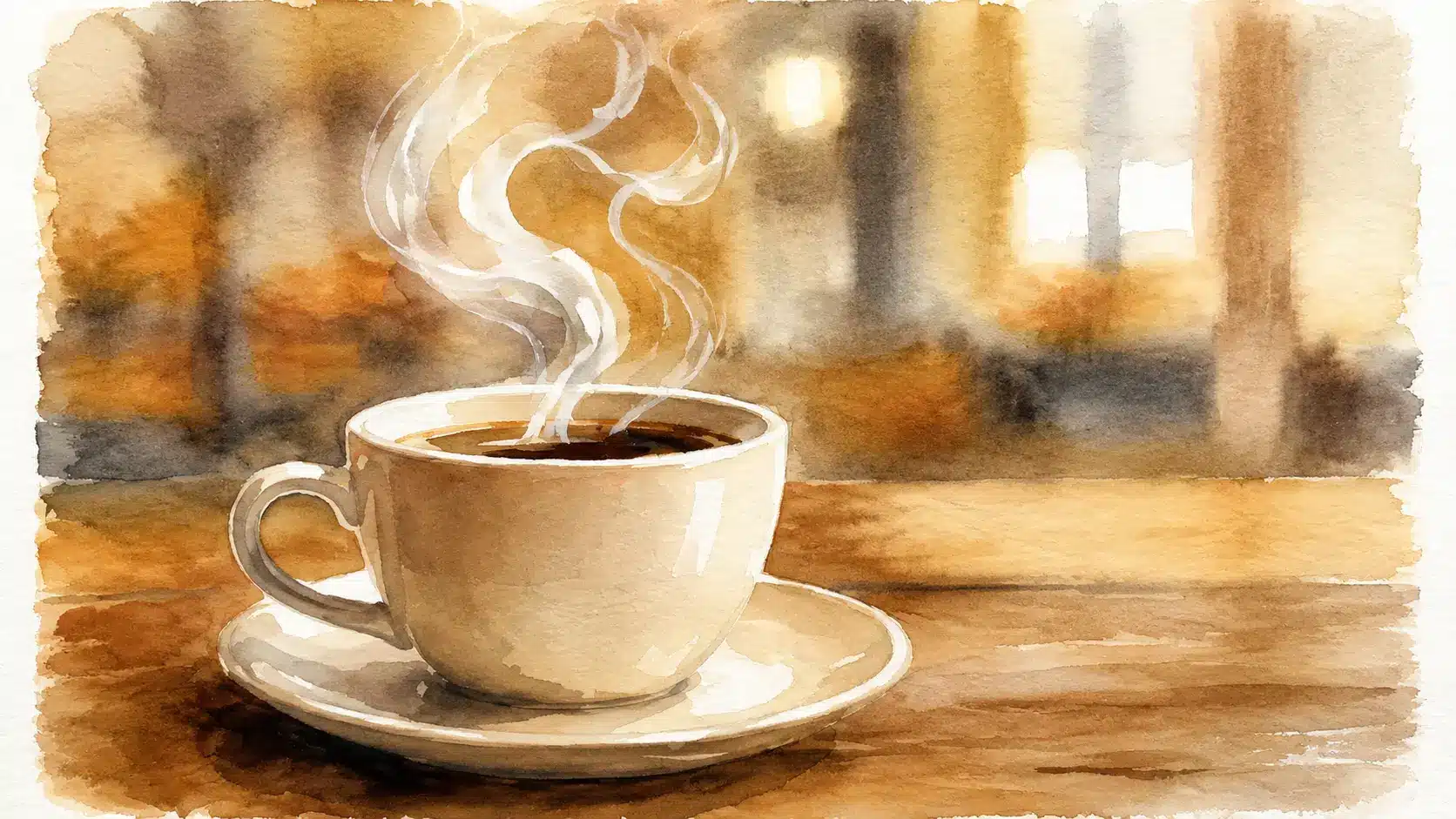
A cup of coffee is a cozy and simple painting that is perfect for beginners who want to practice painting everyday objects.
You paint a simple mug shape in warm brown or cream tones, then add a few wavy lines above it to suggest steam. It is quick to finish and always looks charming.
- Skills practiced: Simple shapes, adding warmth with color, line work
- Quick tip: Paint the mug in a warm brown or cream color. Use light, wavy brushstrokes for the steam.
16. Cute House Illustration
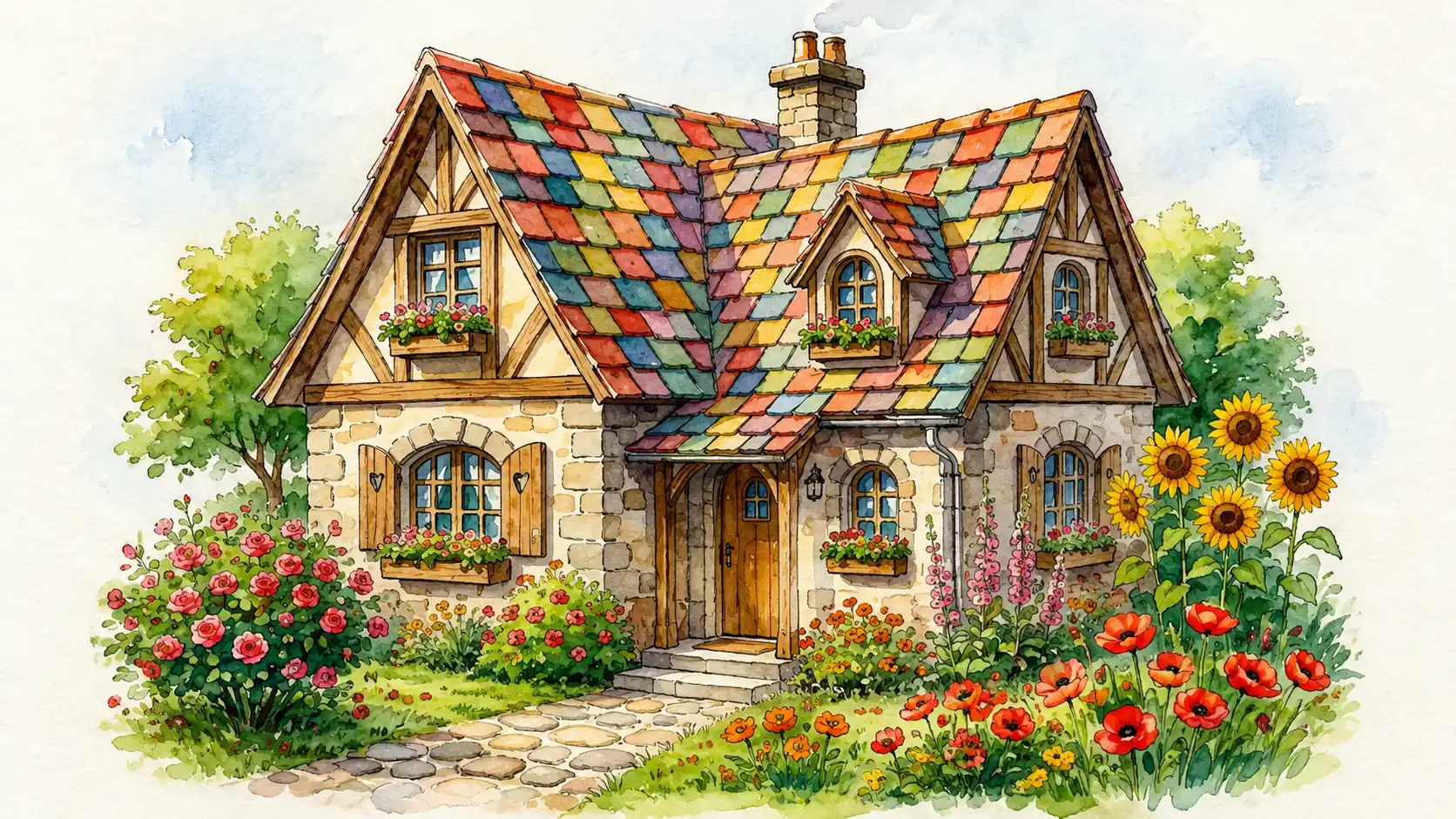
A cute house illustration is a great beginner project because it is built entirely from basic shapes like squares, rectangles, and triangles.
You paint the walls, roof, windows, and door in different colors and can add a small tree or flowers beside it if you want. Sketching the shapes lightly in pencil first makes the whole thing much easier.
- Skills practiced: Using geometric shapes, color fills, and adding small details
- Quick tip: Sketch the shapes lightly in pencil before painting so you have a guide to follow.
17. Book Stack
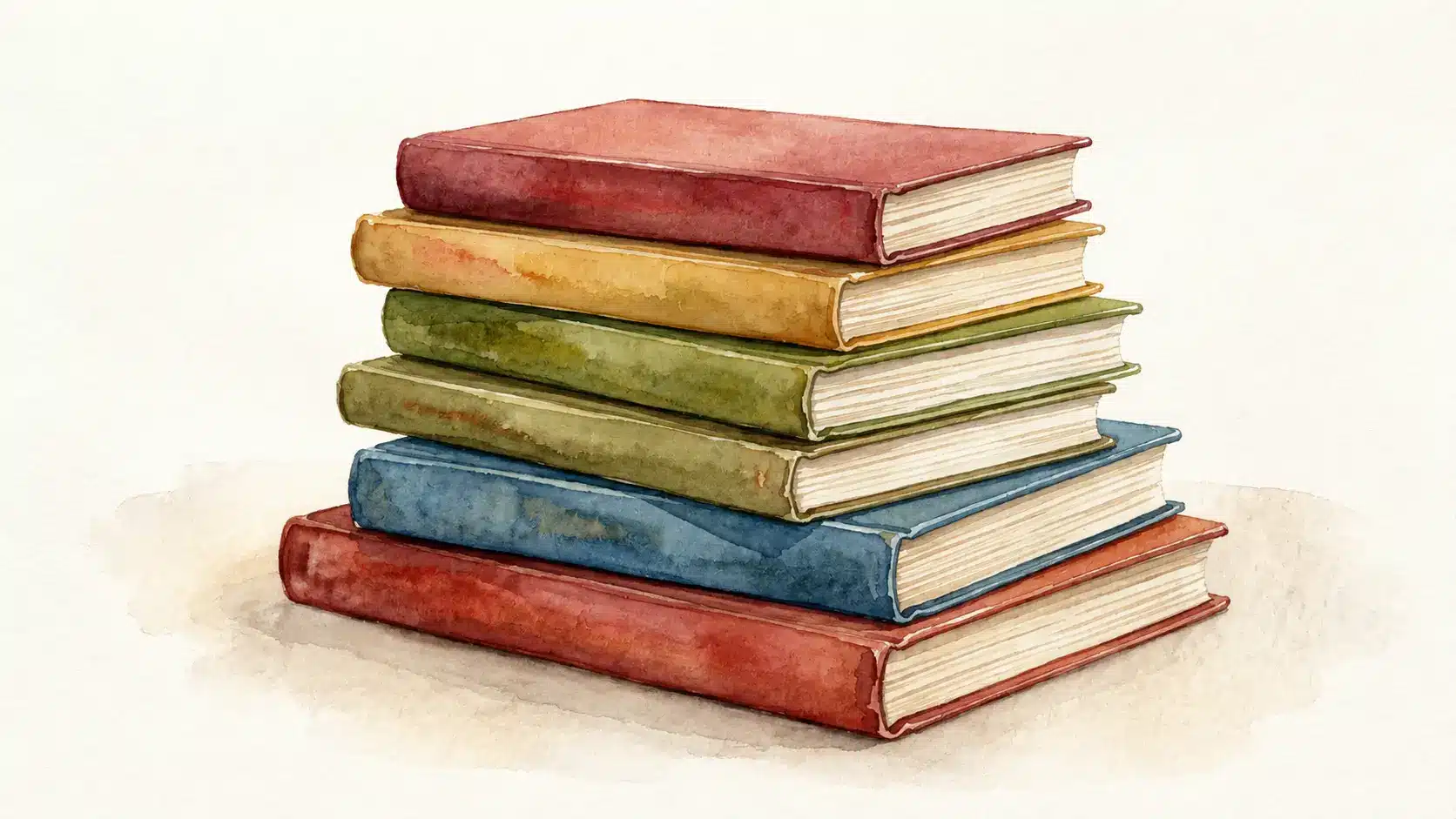
A book stack is a fun and easy painting that is basically just a pile of colored rectangles. You paint each book in a different color, stack them on top of each other, and add a few thin lines to suggest the pages on the side.
It is a fast project that looks great framed on a wall or given as a gift.
- Skills practiced: Simple shapes, flat color fills, layering
- Quick tip: Give each book a different color to make the stack look fun and vibrant.
18. Watercolor Bookmark Designs
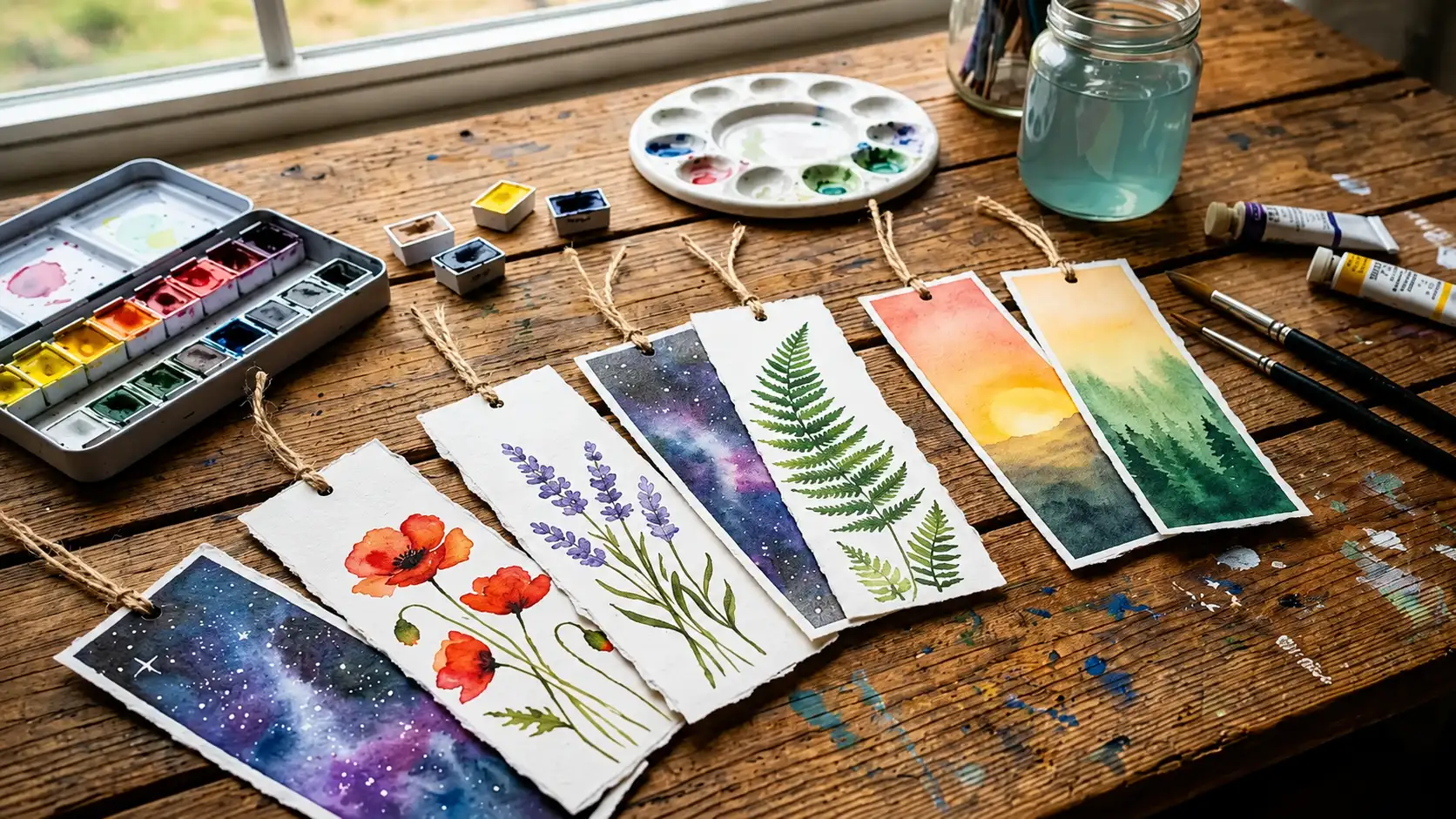
Watercolor bookmarks are a practical and satisfying beginner project because you get something you can actually use when you are done.
You paint a small rectangle with a simple design, such as a color gradient, tiny flowers, or a mini galaxy wash. The small size means you can finish one in under 15 minutes, which makes it a great confidence builder.
- Skills practiced: Working in a small space, color gradients, simple designs
- Quick tip: Use thick watercolor paper or cardstock so the bookmark holds up well.
19. Abstract Shapes and Patterns
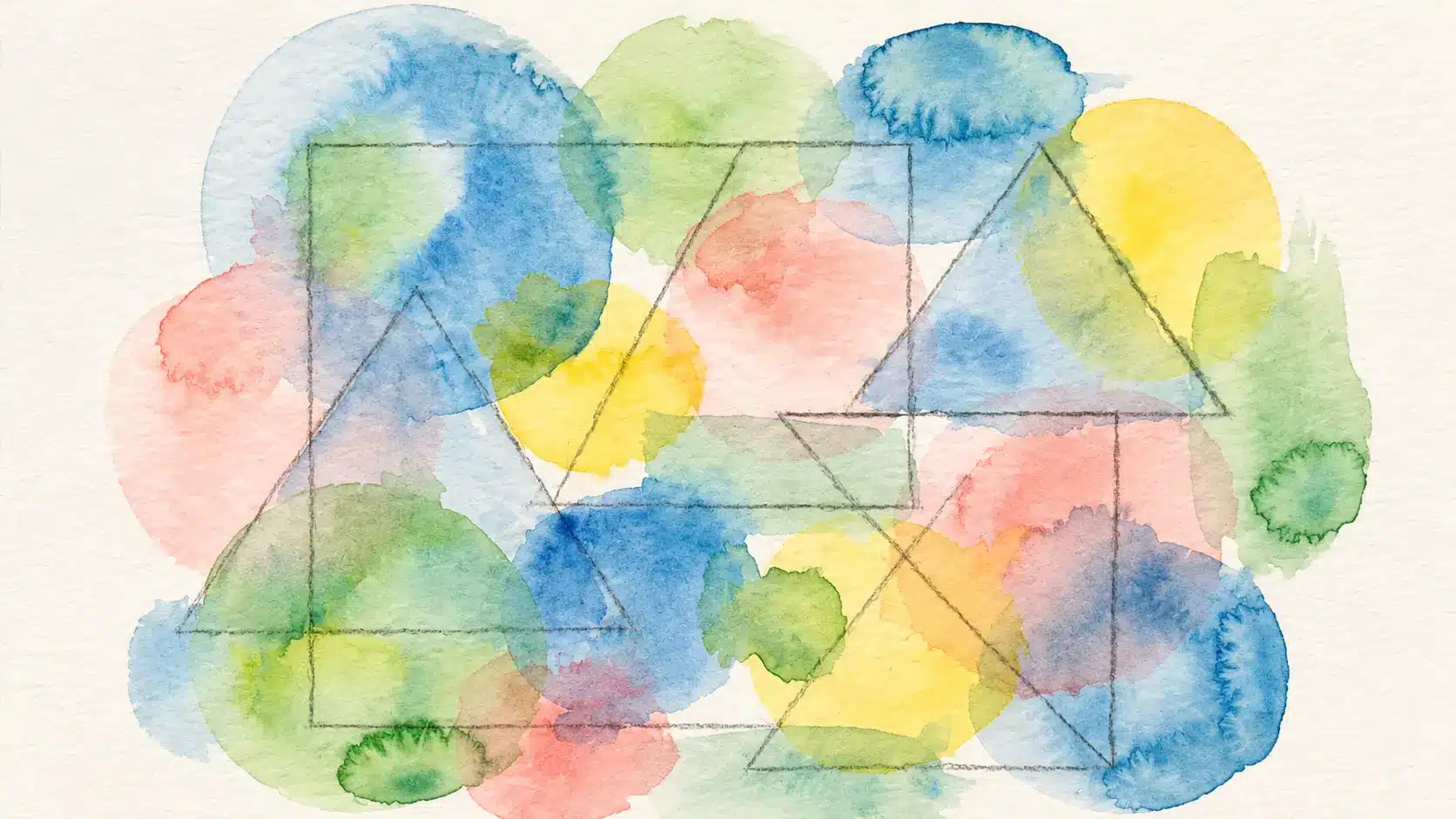
Abstract shapes and patterns are perfect for beginners because there is no right or wrong result. You paint circles, blobs, triangles, and lines in whatever colors you like, letting them overlap and blend freely.
Sticking to two or three colors keeps it from looking messy and gives the painting a pulled-together feel.
If you enjoy creating abstract artwork, many of these color combinations and compositions can also be adapted into larger canvas painting ideas.
- Skills practiced: Free brush movement, color combinations, layering
- Quick tip: Pick a two or three-color palette so the painting looks pulled together.
20. Simple Botanical Wreath
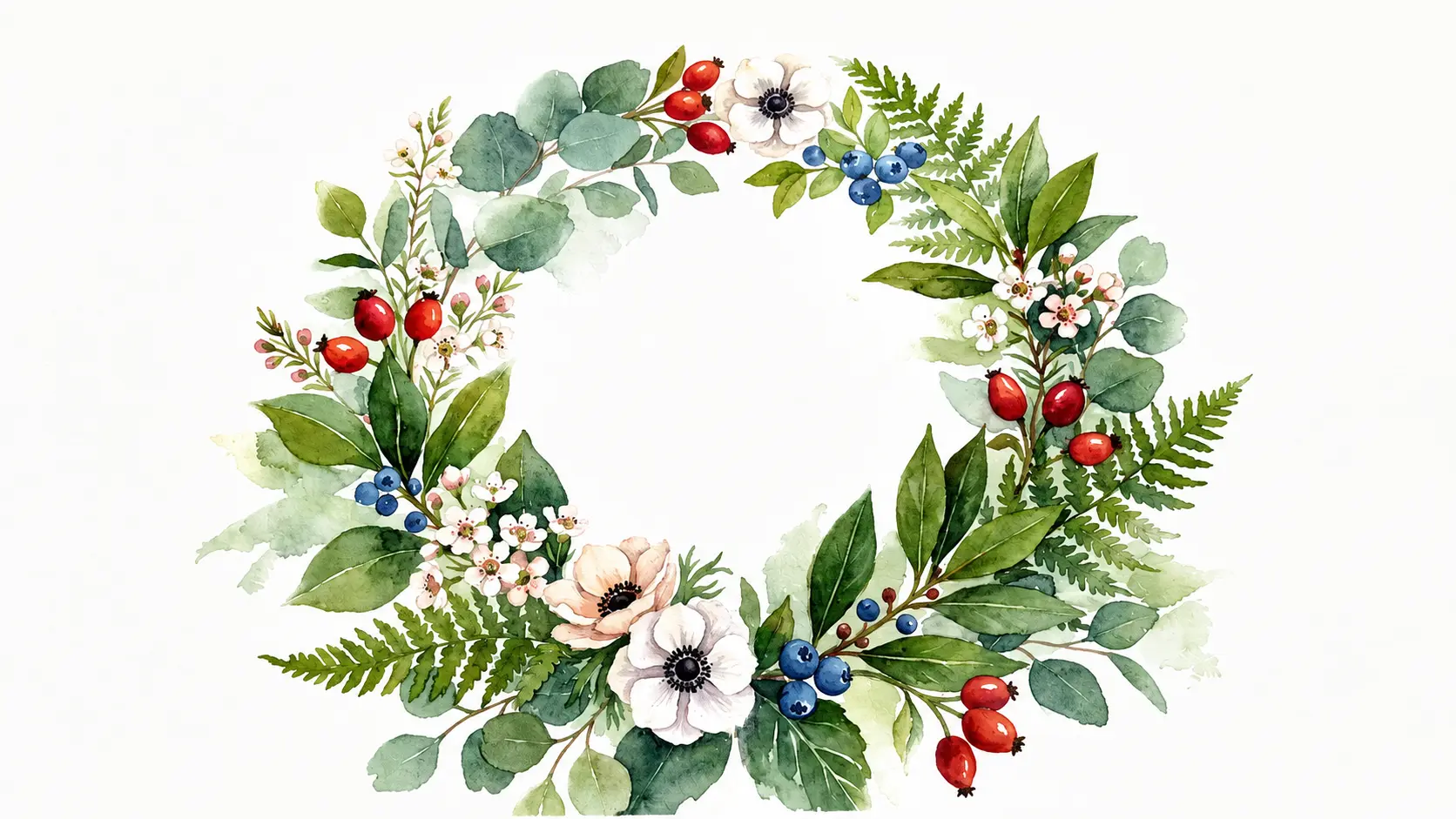
A simple botanical wreath is a beginner project that looks far more detailed than it actually is. You paint small leaf shapes, tiny flowers, and little berries arranged in a circular pattern on the page. Using a light pencil circle as a guide keeps the wreath balanced without much effort.
- Skills practiced: Repetition, building confidence with small shapes, composition
- Quick tip: Use a light pencil circle as a guide for where to place your leaves and flowers.
21. Galaxy Painting
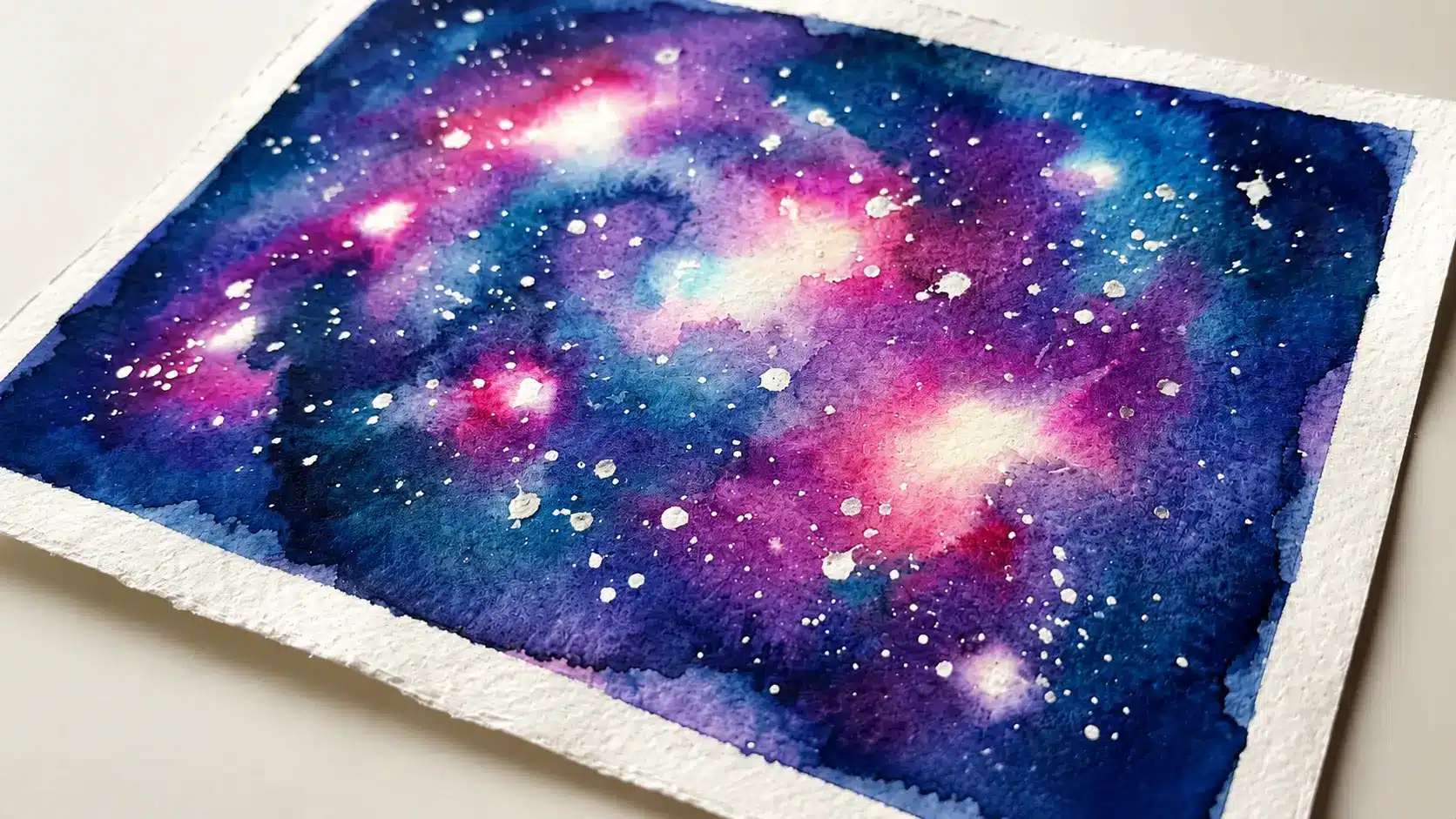
A galaxy painting is one of those projects where the messier and more blended it looks, the better the result.
You start with light purples and blues, then push darker tones toward the edges, and finish by spattering white paint across the dry surface for stars.
It is a forgiving and dramatic painting that always impresses people.
- Skills practiced: Wet-on-wet blending, layering dark tones, spattering for stars
- Quick tip: Start with lighter colors and slowly add darker shades around the edges to build depth.
Watercolor Tips for Beginners
Even with great ideas, small habits and techniques can make a big difference in how your paintings turn out. These four tips will help you avoid the most common beginner frustrations and enjoy the process a lot more.
Start With Light Colors: Always start with your lightest colors first. Watercolor is transparent, which means dark colors painted over light ones will show through. You cannot paint a light color over a dark one and expect it to show up.
Let Layers Dry Between Coats: If you paint a second layer of color while the first is still wet, the colors will bleed together in ways you did not plan. Patience here makes a big difference. Wait for each layer to dry before adding more.
Use Plenty of Water: Watercolor paint needs water to flow and blend. If your brush is too dry, the paint looks streaky. Keep your brush damp and your mixes fluid.
Practice Brush Control Regularly: The more you paint, the better your hand gets at making the strokes you want. Even just five minutes a day of brush practice will improve your painting faster than you think.
Common Watercolor Mistakes to Avoid
Knowing what not to do is just as helpful as knowing what to do, especially when you are just starting out. Avoiding these four mistakes will save you a lot of frustration and ruined paper.
- Overworking the Paper: Watercolor paper can only take so much scrubbing before it starts to pill and fall apart. Paint a stroke, then leave it alone. Going back over the same spot again and again ruins the paper and muddies the color.
- Using Too Much Paint: A little paint goes a long way with watercolors. Start with a small amount, mix with water, and build up color slowly. Dumping too much paint on the brush makes it hard to control.
- Not Testing Colors First: Always test your colors on a scrap piece of paper before putting them on your painting. Colors often look very different when they dry compared to when they are wet.
- Skipping Practice Exercises: Simple exercises like painting flat washes, gradients, and wet-on-wet blends teach you how the paint behaves. Skipping them means you will hit the same problems over and over in your paintings.
How to Find More Watercolor Ideas
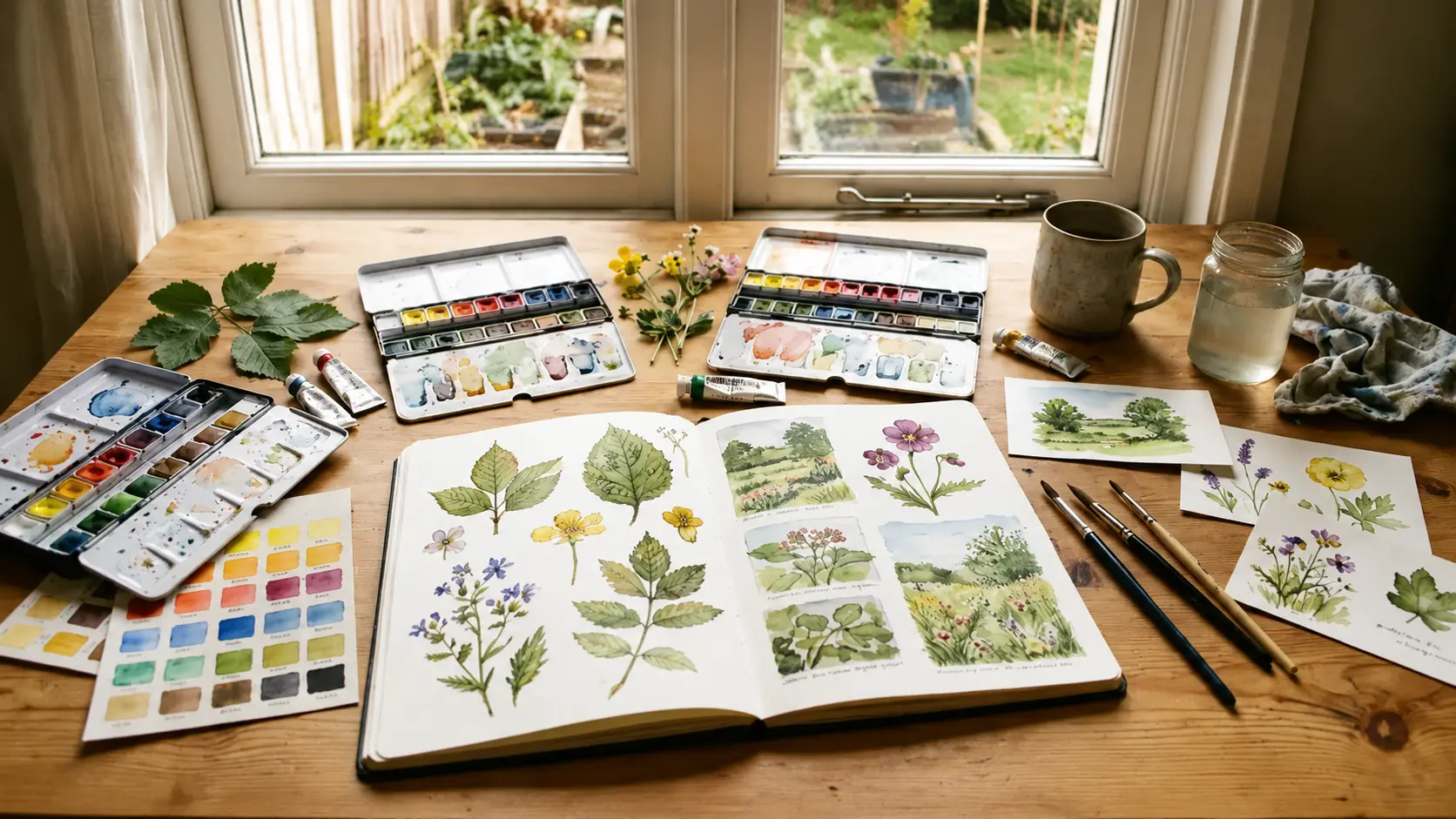
Once you work through this list, you will naturally start looking for new things to paint. Here are a few simple ways to keep the ideas coming so you never sit down to a blank page without a plan.
Paint From Nature: Look out your window or take a walk. Leaves, flowers, rocks, and clouds are all great subjects. If you are still wondering what to paint, nature is often the easiest place to find inspiration. You can study the shapes and colors right in front of you.
Keep a Watercolor Sketchbook: A small sketchbook just for watercolor practice lets you try things without pressure. It becomes a record of how much you improve over time.
Follow Art Challenges: Monthly art challenges like Inktober or similar watercolor challenges give you a new prompt every day. They take the guesswork out of what to paint and keep you consistent.
Create Your Own Color Studies: Pick one color and paint it in ten different ways. Add more water, mix it with another color, layer it over something else. Color studies teach you more about paint than almost anything else.
Conclusion
Starting something new always feels a little scary, but watercolor painting rewards you quickly when you keep things simple.
You do not need perfect technique or fancy supplies to make something beautiful. All you need is a brush, some paint, and the willingness to try. Pick one idea from this list that excites you and just start painting.
Do not wait for the perfect moment because the best way to get better is to begin. Every stroke you make teaches you something new, and before long, painting will feel less like practice and more like something you genuinely love doing.
Frequently Asked Questions
What is the Easiest Thing to Paint with Watercolors?
Simple subjects like clouds, sunsets, abstract shapes, and basic flowers are usually the easiest for beginners. They require minimal drawing skills and allow you to focus on learning how watercolor behaves.
Why Do My Watercolor Paintings Look Dull After They Dry?
Watercolors often dry lighter than they appear when wet, which can make colors seem less vibrant. Using slightly stronger color mixes and painting in layers can help maintain brightness.
How Long Does It Take to Get Good at Watercolor Painting?
Most beginners notice improvement within a few weeks of regular practice. Consistent painting sessions, even short ones, are usually more effective than occasional long sessions.